Dog Training Nation

In Dogs We Trust

  • Home
  • Training
    • Dogs
    • Puppies
    • Clients
  • Behavior
    • Breeds
  • Health
  • Safety
  • Resources
    • Equipment
    • Books
  • Dog Training Videos
  • About
You are here: Home / Archives for Games

Helping Dogs That Become Stressed When Guests Visit

June 26, 2017 by Fanna Easter

Greetings for Stressed Dogs
Dog Afraid of Guests
nukul2533/Adobe Stock

It’s uncomfortable and awkward meeting new people. Both parties are unsure how to greet the other person respectively.  One person may try shaking a hand while another opens his arms for a hug. This awkward greeting results in everyone standing stiffly and trying to think of common topics to ensure no one feels awkward. If a person is easily stressed, then meeting new people can be downright frightening.

Well, this applies to dogs too! Some dogs are afraid of guests and will start barking or become aggressive. Instead of asking guests to pet your dog, try this dog-friendly greeting instead.

Treat & Retreat

When guests enter your home, it’s best if they completely ignore your dog. Ignoring means no making eye contact with, walking toward, touching or petting your dog. Dogs should be allowed to approach a person in their own time if they even decide to approach. Allow a dog to make her own choices.

If your dog gets stressed when guests come over, and the ignoring tactic is causing a barking frenzy, try playing “treat and retreat.” Ask a guest to stand still; I find asking him to stand against a kitchen island works best because it prevents him from wandering around.

With your guest standing sideways toward your dog, ask him to toss treats behind your dog. It doesn’t matter where the treats land as long as your dog is able to turn away from the guest and eat the treat. Then, your dog can decide whether or not she’ll get closer to or look at your guest for more treats.

Rules of the Game

Now, there are strict rules for this dog game. This game is all about choices, and it’s your dog’s choice to walk closer to or look at the person. A guest should not advance toward the dog—ever. Guests can reward your dog for taking steps closer to him, but continue having them toss treats behind your dog.

Never drop treats close to a person and expect your dog to creep up for treats. This never works. If a guest has a difficult time following these guidelines, even with your helpful reminders, then it’s best to choose another guest to play this game.

Start playing this game in a controlled environment with one person for a few minutes, then put your dog in a safe room with a food stuffed Kong. This is hard work for your dog, so she must have breaks. Once your dog is safely relaxing in another room with soft music playing, you can sit back, relax and enjoy your guest’s company.

Add another person only when your dog is comfortable approaching a new single person. Start slow with one person sitting down while the other person tosses treats. Then, they can switch. After a few minutes, put your dog in her safe room with a food stuffed toy.

What Your Dog is Learning

Pairing good things with something works. The perfect example of this is our patience in long lines for a Starbucks drink. 🙂 This game teaches dogs that good things happen around people and provides them choices.

Choices are powerful and are just as rewarding as food treats for dogs. Dogs learn how to greet people politely without charging toward and barking at them. Plus, they learn to disengage and turn around during stressful situations instead of lunging and biting. When a dog chooses to disengage, reward her profusely!

Getting Help

Sometimes dogs need help, so please contact a positive reinforcement dog trainer who is experienced with fearful and anxious dogs. If needed, contact a veterinary behaviorist too, as he will have a wealth of information.

WATCH: Greetings for Stressed Dogs

Filed Under: Behavior, Games, Resources Tagged With: dog afraid of guests, dog barks at guests in house, dog barks at visitors, dog becomes aggressive when guests come over, dog behavior, dog games, dog hates guests, dog training, games for dogs, how to introduce guests to dog, stressed dog

Is Your Dog Bored?

May 26, 2017 by Fanna Easter

Bored Dog: Symptoms and Solutions

Signs of a Bored Dog
Patryk Kosmider/Adobe Stock

Most dogs are bored, especially if they’re left home alone while their pet owners work all day. For the most part, dog boredom behavior resembles excessive behaviors because bored dogs are trying to expel excess energy.

Being bored is not a good thing for dogs, and most don’t appreciate it like humans. Think of a bored child; that’s how a bored dog feels. If your dog displays these bored dog behaviors, check out the following boredom busting solutions!

Signs of a Bored Dog

1. Excessive Barking

Easily, excessive barking is the most common behavior of bored dogs. Most pet owners assume dogs bark to protect their property, but that’s not exactly true. Bored dogs look for something to do, and barking is an easy outlet.

Excessive barking can happen anywhere, but it most commonly happens when dogs are left alone in backyards or inside their homes. Bored dogs will bark at anything—even at noises a half-mile away or falling leaves (this is quite common). Dogs left indoors usually sit on windowsills barking at anything and everything that passes by.

Many pet owners assume barking is a good thing; it gives their dogs something to do and keeps intruders out. But excessive barking teaches dogs to bark to make things go away. As a self-enforcing behavior, barking provides some type of satisfaction to a dog. Think about it this way: When a dog barks, it makes a squirrel run away, mail deliverer leave or jogger disappear.

Barking is a slippery slope, and it can become a habit rather quickly. Your dog will eventually learn to bark aggressively to make something scary go away, such as house guests or the veterinary staff, which isn’t a good thing.

2. Destructive Behavior

When dogs are bored, they’re looking for something to do. Your drapes, pillows, bedding, toilet paper, kitchen counters and trash cans are all fair game. So often, pet owners return home to a living room filled with pillow stuffing and an exhausted dog snoozing right next to it. If this happens, just pick up the pillow stuffing and vow to provide boredom busters to your dog daily.

Never get angry. It’s just confusing to your dog, and remember dogs do not feel guilt. Rather, dogs are freaked out by your angry behavior. Channel your dog’s pillow popping energy toward something else. 🙂

RELATED: Is Your Dog Confused?

Boredom Busters for Dogs

Daily physical exercise and mental enrichment are key boredom busters for dogs. Mental enrichment is just as important as physical exercise, so choose three boredom busters from the list below and provide daily. For maximum benefits, rotate between each boredom buster to keep your dog busy while you’re away.

10 Boredom Busters

  1. Feed all meals inside of a Kong (freeze to last longer). Toss food stuffed toys as you leave for work.
  2. Fill puzzle toys with high value treats.
  3. Walk your dog for 30 minutes. Hire a pet sitter if needed.
  4. Play fetch.
  5. Practice dog training skills (e.g. touch, down, sit, loose leash walking, come when called, etc.) once you return home from work.
  6. Grab a few boxes and toss treats inside one. Nose games are exhausting and fun and a great way for dogs to find their dinner.
  7. Once home, play tug for 20 minutes.
  8. Have fun with a flirt pole. A flirt pole mimics a running squirrel. This is a great activity for late afternoons.
  9. Before leaving for work, toss a handful of high value treats in the yard (or high pile rug). Your dog will have to hunt for each kibble.
  10. Take your dog on a car ride.

Give your dog something to do, so he doesn’t find his own boredom busters!

Filed Under: Behavior, Games, Resources Tagged With: bored dog, boredom busters for dogs, dog barks alone, how can you tell if a dog is bored, is my dog bored, keep dog busy, my dog barks when I'm away, my dog is bored, my puppy is bored, toys to keep dogs busy

Easy Impulse Control Exercises To Teach Dogs Self-Control

January 23, 2017 by Fanna Easter

Self-Control Games For Dogs That Work

Self-Control Games for Dogs
supercat67/iStock

Controlling your behavior in certain situations is tough, so it’s easy to sympathize with dogs. Many dogs struggle to behave calmly in exciting situations because they haven’t been taught what to do. As pet owners, it’s our responsibility to teach dogs self-control at an early age. Never punish a dog for getting excited, knocking over furniture, jumping up on people or stealing food from your hand. Train your dog what to do instead. These fun and quick self-control games teach dogs to control their impulsive behavior to earn rewards.

What You’ll Need

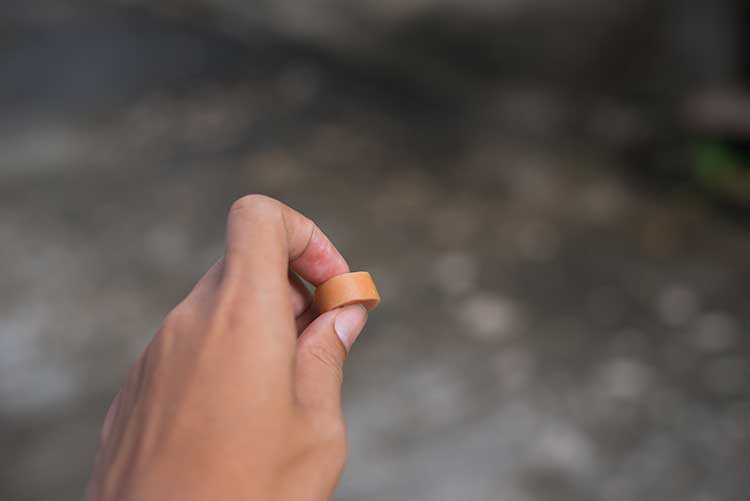
You’ll need lots of pea-sized high value treats (i.e. chopped up hot dogs, cheese chunks), a dog training clicker (or verbal marker “yes”) and your dog. Each dog training session should last 1-2 minutes, so set a kitchen timer. Give your dog a break in between sessions, and practice again for 1-2 minutes. Practice once or twice a day for best results.

Self-Control Games for Dogs

Each impulse control exercise teaches your dog how to control her behavior to earn a reward. Basically, you’re teaching your dog that doing this, instead of that, will make a treat appear.

1. Touch

Many dogs get excited and nip or mouth hands, especially if hands are moving away really fast. During a game of “touch,” dogs learn to calmly and lightly touch their noses toward the palm of your hand rather than touching your hand with their teeth. This self-control game is fun and addicting for dogs, which is a good thing. Additionally, this game can be played anywhere and at anytime.

https://youtu.be/d-spTywRXEo

2. Leave It

During this self-control exercise, dogs learn that ignoring a treat makes it appear. To begin, hide a super yummy treat inside of your closed fist. Now, place your fist right in front of your dog’s nose and wait.

At first, your dog will lick at your hand in attempt to reach the treat. The moment you no longer feel your dog touching your hand, say “yes” and reward with the treat in your open hand. You’re rewarding your dog to leave your treat hand alone. Soon, your dog will turn her head away, or even remain seated when presented with a treat in your hand. Now that’s self-control!

3. Place

Teaching an energetic dog to settle in one spot is challenging. With this self-control game for dogs, you’ll teach your dog to lie down on a mat. In the beginning, you’ll teach her to place two paws on the mat, then place four paws, sit and finally lie down on the mat. Check out details for teaching the “place” behavior.

4. Sit

Usually, “sit” is the first dog behavior most puppies and dogs learn, which is a good thing. When your dog jumps up, runs out the door or gets super excited, ask her to “sit.” When your dog sits, reward her immediately and generously. Soon, your dog will learn to “sit” when guests come over, when food is on the counter or before she walks out a door.

https://youtu.be/5aaa7DxKDfo

5. Wait Before Eating

When it’s dinner time, dogs get excited! Mealtimes are a perfect time to practice self-control. When lowering a food filled bowl down for your dog to eat, wait for your dog to “sit” or back away from the food bowl. If your dog rushes toward the bowl, simply pick up the bowl. Once your dog sits or stands quietly back, lower the bowl again. Once the bowl is down, say “okay,” so your dog can enjoy her meal.

https://youtu.be/2jBFJ2fGiqA

Filed Under: Dogs, Games, Resources, Training Tagged With: dog training, Dog Training Tips, help for excited dog, help for hyper dog, how to teach a dog, how to train a dog, hyper dog tips, impulse control games for dogs, self control games for dogs, teach your dog self control, teaching a dog, training a dog

Teaching Dogs Polite Manners Around Treats

January 18, 2017 by Fanna Easter

Games That Will Teach Your Dog Manners

Dog Manners
highwaystarz/Adobe Stock

Dogs love training treats, as they should, because dog training treats are their paychecks. Sometimes, excitement takes over around high value treats, and dogs snatch treats from their pet parents’ hands or bait bags. This behavior is frustrating. Dogs quickly learn that snatching treats from your hand works, especially if they were successful at stealing and eating the treat. If this has happened to you, then you were mugged by your dog. 🙂

Just like humans, dogs need to be taught how to behave politely around resources they want. Soon, your dog will learn that if you do this, she can have that. Here are a couple of games that will teach your dog manners around something she really loves. Remember, it’s all about self-control.

Leave It Game

When you’re standing in front of something you really want, it’s hard to stand still and ignore it. Imagine a deliciously frosted cupcake sitting inches from your hand, and your tummy is growling. Don’t like cupcakes? Then, picture a frosty mug of beer on a 110-degree day. Self-control is key here.

Your parents have likely taught you to wait until everyone else selects a cupcake before reaching for one. It’s manners 101. Self-control is a learned behavior, and most of us need daily practice to remind us to control our behavior.

Self-control is a learned behavior for your dog too. It’s time to teach your dog the “leave it” game. Hold a pea-sized piece of cheese in your closed hand and place your hand 1-2 inches in front of your dog’s nose. Of course, she’ll lick your hand, but the moment she stops touching your hand, say “yes” and give her the treat.

[perfectpullquote align=”right” cite=”” link=”” color=”” class=”” size=””]It’s important to teach dogs that human hands make good things happen.[/perfectpullquote]

Using a marker word teaches your dog her action is why she earned the reward. Take another treat and practice again. If your dog stops licking or touching your hand for a nanosecond, immediately say “yes” and reward. Practice 1-2 minutes per day. Soon, your dog will ignore your closed treat hand because she’s learned ignoring makes the treat appear.

Touch Game

It’s important to teach dogs that human hands make good things happen. The “touch” game teaches your dog to touch her nose to the palm of your hand. It’s a quick and fun dog game that can be played anywhere. Plus, this game teaches your dog how to politely earn treats instead of mugging you for them. 🙂

Holding your hand sideways, place your palm about 2 inches away from your dog’s nose. Your dog will look at you for a second and likely sniff your hand. The moment you feel her nose touch your hand, say “yes” and give her a treat. Practice for 1-2 minutes per day. Once your dog understands to touch your hand, start moving your hand farther away. Dogs learn this behavior quickly, and it’s a fun game to play with guests!

Now, your dog has learned a game that makes dog training treats appear. Be prepared, your dog may start an impromptu game to earn some treats or share food from your dinner plate. Dogs are super smart, and you can’t blame her for trying, right? If this happens, ignore it. When your dog pokes your hand, leg or treat bag with her nose, just look away for a second. Walk away and play a quick game of “touch” with your hand. This teaches your dog that an open hand means “the bar is open” and when your hand is away “the bar is closed.”

Filed Under: Dogs, Games, Puppies, Training Tagged With: calm dog, dog freaks out around treats, dog games, dog gets excited around treats, dog manners, dog training, Dog Training Tips, excited dog, impulse control, impulse control training exercises, leave it game, self control, teaching dog manners, teaching dogs polite behavior, teaching dogs polite manners, teaching dogs self-control, touch game

Why You And Your Dog Should Try Nose Work

January 11, 2017 by Fanna Easter

Nose Work Overview

Nosework
nechaev-kon/iStock

Many years ago, a good dog savvy friend introduced me to a new dog sport. When she explained the premise of the game, I was hooked and I knew my dogs would love it too. Immediately, I enrolled my dog and myself in a three-day Nose Work camp in the northern mountains of Georgia. It was the most fun I’ve had with my dog in years! So much so I immediately enrolled in next year’s camp with my other dog.

During Nose Work camp, I noticed my dogs were having a complete blast too! The game never got old either; they could hunt for super yummy food placed inside an open box forever. Even better was my dogs being completely exhausted afterwards, and you know a tired dog is a happy dog. It’s tough solving puzzles with your nose. Every dog, and his pet owner, should give Nose Work a try. Your dog will thank you over and over again!

What is Nose Work?

Nose Work taps into a dog’s natural instinct and teaches him or her how to hunt. The founders of Nose Work wanted to take tracking to the next level with a new dog sport focused on scent work. Compiling their years of experience as detection officers and scent work experts, the founders created Nose Work.

How to Set Up the Game

This game requires cardboard boxes, yummy treats and a dog. Pet owners place yummy treats in one box, and then place the food-filled box among several empty boxes. Now, pet owners turn their dogs loose to search each box for treats. Once treats are found, the dog eats the treats right out of the box. Then, the game starts over again.

Nose Work is like solving a puzzle with a wonderful reward at the end. In the beginning, it’s best to move slowly to build a dog’s excitement and skill level to hunt. As dogs progress in hunting, pet owners can make the game a bit more challenging by adding additional boxes to the search area, placing boxes underneath chairs, closing a few box flaps to trap scent or placing boxes on top of chairs.

Popularity of Nose Work

Honestly, the popularity of this dog game has exploded! Due to the overwhelming interest, Nose Work founders have created class curricula, training programs for instructors and competition courses for different skill levels.

As of 2017, there’s a waiting list for dog trainers to complete Nose Work training certification, and an even longer waiting period for enrollment into competitions across the US. It’s very common for most Nose Work competitors to drive 10-15 hours one way just to compete.

Benefits of Nose Work

After attending Nose Work camp, sitting in on numerous dog scent training classes with my dogs and finally teaching Nose Work group classes, I’ve noticed the benefits are unlimited.

Builds Self-Confidence

The biggest benefit of Nose Work is it builds self-confidence in dogs. Dogs learn how to successfully solve problems, and are rewarded generously for it. Locating food tucked away in the corner of a box that’s placed among 10-15 boxes is quite challenging. Dogs are unable to see the food, so many use their noses to find it.

Each time a dog successfully finds “the hide,” his confidence builds up for the next search. Many dogs learn that sticking their heads inside of a box with flaps that move is very rewarding. Eventually, dogs become confident enough to stick both feet in the box to hold it in place while enjoying the hidden treats.

Moreover, dogs learn that previously scary things are no longer scary, and they feel confident encountering new challenges. Each and every time a dog overcomes fear and anxiety during a Nose Work session, it brings me to tears.

Gives Dogs Choices

Nose Work is about choices. Dogs choose to search boxes, choose the direction and area to start hunting, choose which box to look into, and choose how to move around the room to find treats. Of course, pet owners are present, but they’re just holding their dogs’ leashes. Pet owners have no clue where the food is hidden, so they learn to trust their dogs to choose the path to the food-filled box.

This nose sport is all about the dog, and pet owners sit back and watch their dogs succeed. Choices are very empowering for dogs—even more so than treats sometimes. Additionally, choices are essential for learning and building confidence.

Watching your dog search and problem solve is exhilarating! All dogs are different, and each dog has his or her individual style of searching through an area. Some dogs work fast while others take their time and search every box.

Regardless of the dog’s searching style, all dogs are successful and pet owners become completely amazed at their dogs’ scenting skills. Many pet owners assume luck was involved when their dogs find hidden treats at first. They think it’s a magic trick between the dogs and themselves by the following week. After a few more searches, pet owners realize their dogs’ noses are pure magic.

Soon family members stand along the wall with a video camera, and Nose Work video footage is shared at the next family function. Watching dogs hunt is awe-inspiring, and every dog can do it. It’s an amazing bonding experience for both dog and pet owner.

Find a Nose Work Class Near You

Nose Work is fun wrapped inside of a box. There’s neither obedience nor pressure involved. You’ll need lots of super yummy treats, a six-foot cotton or nylon leash, a body harness, and your dog. Find Nose Work classes in your area at National Association of Canine Scent Work (NACSW) and reach out to the instructor for class dates. Most Nose Work classes require crates because each dog searches alone with no other dogs around. This is a fantastic sport for dog reactive dogs because they learn fun things happen with other dogs far away. Tell your Nose Work instructor that Fanna sent you, and have an absolute blast!

Filed Under: Games, Resources Tagged With: benefit of nose work for reactive dogs, benefits of nose work for dogs, find a nose work class, should you enroll in a nose work class

  • « Previous Page
  • 1
  • 2
  • 3
  • 4
  • …
  • 9
  • Next Page »

About

Dog Training Nation is a community of dog trainers, dog owners and dog lovers. Our mission is to provide trainers and owners valuable information to enrich dogs' lives. We cover a range of topics, from socializing puppies to dealing with aggressive dog behavior to selecting the best dog products. It is our hope you share our content to make the dog and owner world a better place.

​

Facebook

Video

Dog Training Nation is a dog training blog for pet owners and dog lovers. We cover a range of topics from puppy socialization tips to dog aggression to dog health. It is our hope you share our content to make the world a better place for dogs.

Dog Training Nation

Quick Links

Dog Training
Dog Behavior
Dog Training Videos
Become a Dog Trainer
About
Contact Us

Copyright © 2026 · Lifestyle Pro Theme on Genesis Framework · WordPress · Log in