Dog Training Nation

In Dogs We Trust

  • Home
  • Training
    • Dogs
    • Puppies
    • Clients
  • Behavior
    • Breeds
  • Health
  • Safety
  • Resources
    • Equipment
    • Books
  • Dog Training Videos
  • About
You are here: Home / Archives for Grooming

Dog Teeth Cleaning: 3 Tips That Don’t Involve Brushing

April 6, 2016 by Fanna Easter

How to Clean Your Dog’s Teeth Without Brushing

Dog Teeth Cleaning
mykeyruna/iStock

Look, I totally understand. It’s difficult remembering to brush you and your children’s teeth daily–much less your dog’s teeth. With that said, oral hygiene is just as important for your dog as your family, so try these dog teeth cleaning tips that take less than one minute per day.

Wipe Your Dog’s Teeth

Wiping your dog’s teeth every day does a pretty good job at removing tartar buildup and it only takes 60 seconds. In our home, we wipe our dogs’ teeth daily and follow up with weekly teeth cleanings to remove any buildup between the teeth. It does take slightly longer to wipe my Rottweiler’s teeth. It takes a minute and a half because he’s huge, and there’s way more tooth surface to wipe than on my smaller dog.

How to Wipe Dog Teeth

Here’s how I wipe my dogs’ teeth daily. Please note I rotate between using paper towels and DentAcetic wipes (dog-specific tooth wipes), depending on how much time I have that day:

  • Using a dry paper towel sheet, wrap it around your index finger and wipe each tooth sideways, moving front to back of each tooth. Don’t forget to wipe the gum line also, as tartar loves to grow up there.
  • As you’re wiping a tooth sideways, move the paper towel downwards to deposit any tartar into the paper towel. This also ensures you’re not spreading tartar from tooth to tooth, but removing it.
  • Before moving to another tooth, move a clean section of the paper towel onto your finger and wipe the next tooth.
  • Wipe, swipe downwards and slip a clean paper towel over your finger until all teeth have been wiped.

Usually, it takes a whole paper towel sheet for my Rottie and half a sheet for my smaller dog (she’s 28 pounds). Don’t forget to recycle the paper towels. While you can use a thin washcloth to wipe your dog’s teeth, it might be a bit too thick and soft to really get in between each tooth.

If your dog is not comfortable having his mouth touched, check out tips on teaching your dog to say “ah.”

Add Safe Tooth Dissolving Solution to Your Dog’s Water

Adding a plaque-dissolving solution to your dog’s daily water can seem a bit scary at first. I felt the exact same way until a veterinary dentist recommended Dog::ESSENTIAL healthy mouth water additive after Stella’s (Miniature Bull Terrier) tooth capping procedure. This natural solution uses papain, which is a papaya enzyme that acts as a tooth cleaner, yet is mild enough for sensitive tummies. The ingredients are mostly plant-based with a sprinkle of added vitamins. I’m super picky, so I tried this product at a lower dissolution for the first several weeks. I was worried. I have to admit, my dogs’ teeth looked amazing and accumulated plaque was easy to wipe off after using the solution. Check out their videos on weekly teeth wipe results. This product makes our dog’s dental health much easier to manage.

Offer Daily Chews

Chewing removes tartar, so provide your dog with plenty of chew toys. Now, some long-lasting dog chews are made of hard plastic that will damage your dog’s teeth and gums, which is counterproductive to keeping your dog’s teeth healthy. By far, my favorite dog chews are bully sticks, Greenies and raw bones.

Why Wipe Daily? Is It Necessary?

Wiping your dog’s teeth daily prevents tartar from building up over time, and we all know built-up tartar must be scraped off. Plus, handling your dog’s mouth daily ensures positive learning experiences, which makes dog teeth cleaning easier. Additionally, wiping and cleaning your dog’s teeth daily keeps $150-$250 in your pocket because it prevents annual or bi-annual veterinary dentals.

Incorporate tooth wiping into your daily schedule. After your dog’s dinner, grab a paper towel or tooth wiping pad, and wipe his teeth clean. Voila, pearly white dog teeth and money in your pocket. Cha-ching!
Filed Under: Grooming, Health, Resources Tagged With: dog teeth cleaning products, dog teeth cleaning tips, how often should I clean my dog's teeth, how to clean dog teeth fast, make cleaning dog teeth easy

Avoid Lip Fold Pyoderma With Weekly Cleanings

March 16, 2016 by Fanna Easter

Lip Fold Pyoderma Prevention Tips

Lip Fold Pyoderma
Wavetop/iStock

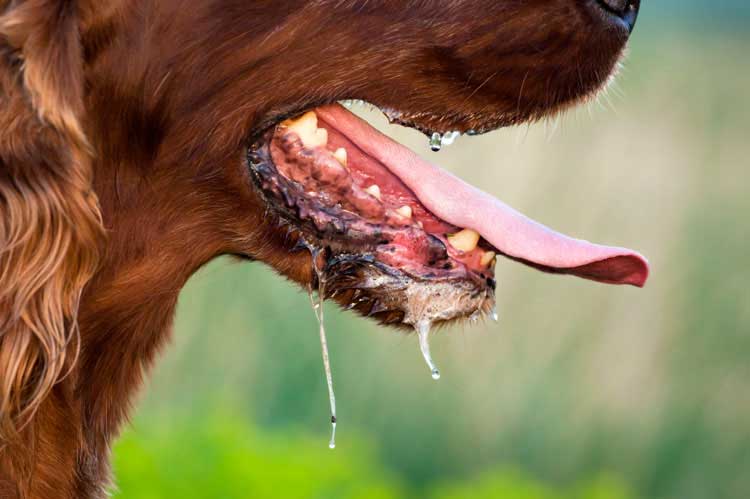
When the sides of a dog’s bottom lips fold up onto itself, it can trap food and moisture and certainly smell awful. In our house, we call it “stinky lips,” but the condition is called lip fold pyoderma or dermatitis.

Lip fold pyoderma is pretty common in dogs with loose skin, short noses or long hair around their mouth areas (including beards or mustaches). To prevent your dog from developing lip fold pyoderma, check out these dog grooming tips for weekly cleanings.

How to Check for Lip Fold Pyoderma

Usually, pet owners notice a sour or mildew smell around their dog’s mouth. They think the smell is coming from their dog’s teeth. To check your dog’s lips, have someone sit in front of your dog with yummy treats in her closed hand. Sit on the floor near the other person and face your dog. You’ll get a better view by looking at the side of your dog’s mouth.

Using your fingers, gently slide the front half of your dog’s lip forward. Basically, you’re opening up the pouch by sliding your dog’s bottom lip toward the front of his mouth. If your dog has lip fold pyoderma, you’ll probably see and smell it.

Lip fold pyoderma looks like hair coated with some type of mucous or film, and sometimes the skin is inflamed too. If you’re not sure, take a whiff and you’ll soon know for sure. Now, check the other side since lip fold pyoderma can occur on both sides of the mouth if the skin is loose.

If it smells, then the area needs to be cleaned weekly.

Preventing Lip Fold Pyoderma

There are a couple of ways to keep your dog’s mouth area clean, but it really depends on how often you bathe your dog. If you don’t bathe your dog weekly, you’ll need to spot clean the area every week.

RELATED: Are Dog Wipes Worth It?

Spot Cleaning

Grab a bowl of warm water, a couple of clean paper towels (or a clean washcloth) and medicated dog shampoo. By far, my favorite medicated dog shampoo for lip fold pyodermas is Nolvasan medicated shampoo. Nolvasan contains a disinfectant called chlorhexidine and can be purchased on Amazon. Your veterinarian can also prescribe a medicated shampoo to clean the area if that’s what you prefer.

Ask your friend to sit in front of your dog with yummy treats and offer your dog a treat for allowing mouth handling and standing still. In between treats, pull your dog’s lip forward and clean the area with a wet paper towel and medicated dog shampoo. Afterwards, rinse the area with a clean paper towel, then pat the area dry. If your dog has long hair in the area, you may need to clip the hair shorter. Your groomer can do this for you too.

Check the lip fold pyoderma area daily to make sure it’s clean. These daily checkups are an excellent opportunity to reward your dog for mouth handling. If your dog walks away, pulls his head away from your hands or freaks out when you touch his mouth, check out this article on teaching your dog to say “ah.” It has tips on teaching your dog to enjoy mouth handling.

Weekly Baths

If your dog is bathed weekly, use that time to clean his lip fold pyoderma thoroughly and rinse with warm water. Follow the same directions for spot cleaning, making sure to open up the lip pouch, clean and rinse well. If your dog is bathed less often, you’ll need to spot clean the area weekly to remove trapped food and moisture.

When to See a Vet

If the infected area smells really bad, looks inflamed and/or contains pus, or your dog refuses to allow you to look in the area, I would set up an appointment with your veterinarian. Your vet can rule out dental issues and confirm it’s actually lip fold pyoderma.

Now, body handling is so important. If your dog refuses to have his mouth touched, continue teaching your dog body handling skills. It’s not fair to your dog to be pinned down at the vet clinic either. Body handling skills are a must for all dogs, so grab your treats and get busy.

Lip fold pyodermas happen. Since dogs are not candidates for facelifts, it’s up to pet owners to keep the area clean. 🙂

Filed Under: Grooming, Health, Resources Tagged With: dog lip fold pyodermas, dog lip smells, dog lip sores, natural treatment lip fold pyoderma

Finding a Good Dog Groomer in 4 Steps

March 14, 2016 by Fanna Easter

How to Find a Wonderful Dog Groomer

Dog Groomer
scorpp/iStock

Choosing a dog groomer with gentle hands who can trim an amazing doggy haircut is very difficult. Start your search before your dog needs to be groomed, as it can easily take a couple of weeks of research plus an additional couple of weeks for an available appointment. There’s a reason wonderful dog groomers are booked. They are worth the wait!

1. Ask Pet Owners

Luckily, pet owners are thrilled to share their favorite groomer’s information. They’ll also give you an ear full of dog groomers to stay away from. Start a list of leads, and then give them a quick search online. You’ll be shocked to find some groomers with pages of customer complaints or, even worse, an arrest record for animal abuse. This is the time to narrow down your search and expand your driving radius. A good groomer is worth the drive.

2. Stop In and Watch

Once you have a short list of professional dog groomers, it’s time to pop in and watch them work with dogs on the grooming table. So many people say the right words, but their hands tell the entire story. Pop in and ask questions. Tell them you’re looking for a new groomer for your dog. As you tell them about your dog’s coat texture, length, and size, watch how groomers handle each dog on their grooming table.

A groomer’s hands should be gentle and patient; they should not be pushing or pulling a dog’s body. If a dog gets a bit wiggly on the table, the groomer should stop grooming for a second or two and allow the dog to settle before beginning to groom again. Older dogs should be able to sit or lie down, as it’s exhausting for them to stand for an hour. Puppies should be encouraged with treats, lots of patience and short breaks. No dogs should be screaming while being groomed, kenneled or bathed nor have their head strung up on short grooming leads.

Some groomers may disagree with me, and that’s fine, but I want a groomer who makes grooming a fun and positive experience by bathing and grooming anxious dogs quickly and not leaving them kenneled all day to stress out. Now, pet owners with easily stressed dogs, you should not expect your dog to be at the groomer’s all day while you work. Drop him off and plan to pick him up within an hour, and don’t be late.

3. Stay for the Groom

Better yet, stay for your dog’s bath and groom. Some dog groomers don’t feel comfortable having you hover around while they’re grooming your dog, which is fine. It means they’re not the groomer for you. Many groomers say your dog will behave better when you’re not around, but I disagree. There’s nothing wrong with you waiting quietly in the waiting area or watching your dog’s groom from a window. Keep some distance, so your dog doesn’t whine excessively for you, but keep an eye on your dog the entire time.

4. Watch Your Dog’s Behavior Afterwards

This is a huge tell-tale on how your dog was handled during the grooming process. If your usually happy dog is scared, stressed or shy after grooming, then you shouldn’t go back to that dog groomer. If your dog has nicks, cuts, razor burns (red and inflamed skin from clipper blades that were too hot), brush burns (skin scrapes caused by brushing a dog too hard), I would advise you to never return to that groomer again. I would certainly give this groomer a call and tell him or her what happened, and you’re not very happy about it.

With That Said, Good Groomers Need Your Help

Trust me, I’m not bashing dog groomers; it’s a difficult and physically exhausting job. But as pet owners, a good groomer needs your help to keep grooming sessions positive. If your dog hates having his nails trimmed, then you should teach your dog that nail trims are rewarding at home. Brush your dog thoroughly every day. If your dog dislikes brushing or body handling, then start teaching him brushing is a good thing and body handling means lots of yummy treats.

Good luck, and don’t forget to sing the praises of an excellent dog groomer!

Filed Under: Clients, Grooming, Training Tagged With: best dog groomers, best pet groomers, choosing a dog groomer, dog training, Dog Training Tips, finding a dog groomer, finding a pet groomer, how to teach a dog, how to train a dog, pet groomer, scared dog grooming, teach a dog, train a dog, where to find dog groomers

Treating Persistent Staph Infections in Dogs

February 24, 2016 by Fanna Easter

Staph Infections in Dogs

Staph Infection in Dogs
kamontad123/iStock

Sometimes, dogs have persistent skin infections that just won’t go away. Biopsies are done, antibiotics are given and an infection returns once antibiotics are completed. It’s a vicious cycle. Sometimes, it takes months or even years to finally resolve those dog skin infections.

Well, I stumbled upon a few sound suggestions for pet owners fighting staph infections in dogs and thought sharing these health tips may help at least one of your dogs.

Understand, I’m not a veterinarian. Please use these tips as talking points during your next vet visit.

What to Do If Your Dog Has a Staph Infection

Ask for a Referral

Here’s the deal: general practice veterinarians see a broad base of cases each day. They’re fantastic at what they do because they’re working the front line and see everything. Plus, general vets can rule out common causes of skin issues, which is an important step toward staph infection treatment.

Sometimes, general practice vets need to refer clients to veterinary specialists who have a specific specialty, such as dermatology, orthopedic surgery, cardiologists, oncology and behavior. Think about it this way: If your general practitioner doctor is unable to resolve an issue, or not comfortable doing so, he will refer you to a specialist. It’s important to understand you’re not losing a connection with your general practice vet; you’re just reaching out to a specialist who will work alongside your regular vet.

If your dog’s skin infection isn’t responding to treatment, there’s nothing wrong with asking for a referral. For a staph infection in dogs, ask for a veterinary dermatologist. If your dog has a persistent infection on a surgical site, your veterinary orthopedic surgeon or internal medicine veterinarian can help you.

RELATED: How to Tell If You Have a Smelly Dog

Try Staphage Lysate Injections

Having a Bull Terrier, I’ve learned a ton about dog skin infections because it’s quite common in the dog breed, including Bull Terrier mixes. Fortunately, I’m able to keep Stella’s chronic yeast infections in check, but some Bull Terrier pet owners aren’t so lucky.

Some fight dog skin infections caused by staphylococcal bacteria, which some veterinarians call MRSA or MRSP (more common in dogs). These dog skin infections are resistant to most antibiotics.

Several pet owners fighting these resistant staph infections in dogs highly recommend Staphage Lysate (SPL) injections, which works by “enhancing the patient’s immune responses to staphylococcal species.” SPL injections are prescribed by veterinarians and have provided much needed relief from pyoderma.

Add Medicated Dog Shampoo

When fighting any type of staph infection, it’s always a good idea to apply medicated dog shampoo or solutions differently to the affected area. Your veterinarian can tell you which medicated dog shampoo is best for your dog’s specific type of staph infection with a biopsy. Make sure to bathe and apply topicals per your vet’s recommendations. Don’t skimp on this part of the protocol. It’s extremely important to use every tool possible to fight persistent bacteria.

A highly recommended product from several pet owners is Dakin’s Solution, which can be found in most drug stores. Dakin’s Solution contains different dilutions of bleach, one of which your veterinarian can recommend is the best option for your dog. Also, you can make your own solution if your veterinarian agrees. Check out this recipe.

Hopefully, these tips help spark a new conversation between you and your veterinarian and your dog finds relief soon.

YOU MAY ALSO LIKE: How to Make Bath Time Fun for Dogs

Filed Under: Grooming, Health Tagged With: dog skin infections, dog staph infections, dog's skin won't heal, pyoderma dog, tips for dog staph infections

How to Tell If You Have a Smelly Dog

February 22, 2016 by Fanna Easter

Does Your Dog Stink?

Common Causes of Smelly Dogs

Smelly Dog
Sjale/iStock

Healthy, bathed and well-fed dogs smell pleasant. They don’t have an offensive odor. Even when wet, dogs should have no odor. However, if your dog stinks, it’s time to put on your detective hat and find out why your dog smells.

Plaque Buildup

Look in your dog’s mouth. If you’re not brushing your dog’s teeth, this could be a source of foul odor. Plaque builds up on your dog’s teeth and it completely covers the area with a putrid odor if not brushed in the early stages. When plaque builds up, gums become inflamed and infected, making the smell even worse. Also, broken or infected teeth will smell horrible. When in doubt, bring your dog to the vet for a complete checkup and dental.

Lip Fold Pyoderma

This happens when your dog’s lower lip folds horizontally onto itself, trapping moisture and food particles. It’s most common with loose-skinned or long-coated dogs, and it smells terrible. Unfortunately, there’s no permanent fix, but pulling the skin forward and washing the area with a medicated shampoo will prevent bacteria from growing and smelling.

I highly recommend washing your dog’s lip fold pyoderma twice a week if it isn’t infected. If the area is infected, consult with your vet and wash the area daily and pat dry. With moderate to severe cases of lip fold pyoderma, some dogs will scratch at the area and rub it along flooring and furniture, which causes further inflammation and bleeding.

Stinky Ears

Take a peek in both of your dog’s ears, and then give each of them a good sniff inside. Healthy ears should have no smell and the skin should look normal. Inflamed and infected ears can smell musty, sour or putrid, and usually have red, brown or black discharge. Plus, infected ears are extremely painful. If your dog pulls away, don’t forget the issue. Make an appointment with your veterinarian immediately. She can sedate your dog to examine and medicate his painful ears.

Skin & Coat

Run your hands along your dog’s coat, checking for any irritation. Look between each paw pad, at your dog’s neck, at his belly and at his genital area. Hot spots, which are moist lesions, can pop up quickly and they reek. Certain yeast skin infections have a musty smell like dirty socks. Plus, yeast and bacterial infections are usually accompanied by irritated skin, dark brown debris and sometimes itchiness. All dogs are different; so, when in doubt, ask your vet.

If your dog has dry, flaky skin and a distinct doggy odor, try feeding him a high quality diet. Similar to us, dogs are what they eat and some foods can cause a wet dog smell and lackluster coat.

Anal Glands

No one really talks about anal glands until her dog has an issue. Anal glands are located on both sides of your dog’s anus and contain foul-smelling liquid. Sometimes, when dogs are scared, they will express their anal glands. If you’ve ever experienced it, you know the smell very well. Examine your dog’s rear for any swelling, discharge or dried fecal matter. If something doesn’t look normal, schedule a vet appointment.

If your dog stinks, look for the reason. If you find nothing, schedule an appointment with your vet. It’s time to take your detective work a bit further.

Filed Under: Grooming, Health Tagged With: dog lip fold pyoderma, dog lip pyoderma, dog lip stinks, my dog stinks, smelly dog, stinky dog, why does my dog stink

  • « Previous Page
  • 1
  • 2
  • 3
  • 4
  • 5
  • 6
  • 7
  • Next Page »

About

Dog Training Nation is a community of dog trainers, dog owners and dog lovers. Our mission is to provide trainers and owners valuable information to enrich dogs' lives. We cover a range of topics, from socializing puppies to dealing with aggressive dog behavior to selecting the best dog products. It is our hope you share our content to make the dog and owner world a better place.

​

Facebook

Video

Dog Training Nation is a dog training blog for pet owners and dog lovers. We cover a range of topics from puppy socialization tips to dog aggression to dog health. It is our hope you share our content to make the world a better place for dogs.

Dog Training Nation

Quick Links

Dog Training
Dog Behavior
Dog Training Videos
Become a Dog Trainer
About
Contact Us

Copyright © 2026 · Lifestyle Pro Theme on Genesis Framework · WordPress · Log in