Dog Training Nation

In Dogs We Trust

  • Home
  • Training
    • Dogs
    • Puppies
    • Clients
  • Behavior
    • Breeds
  • Health
  • Safety
  • Resources
    • Equipment
    • Books
  • Dog Training Videos
  • About
You are here: Home / Archives for Grooming

Flea Products for Dogs With Seizures

February 3, 2016 by Fanna Easter

Choosing a Flea Product for Epileptic Dogs

Flea Products for Dogs
pixbox77/iStock

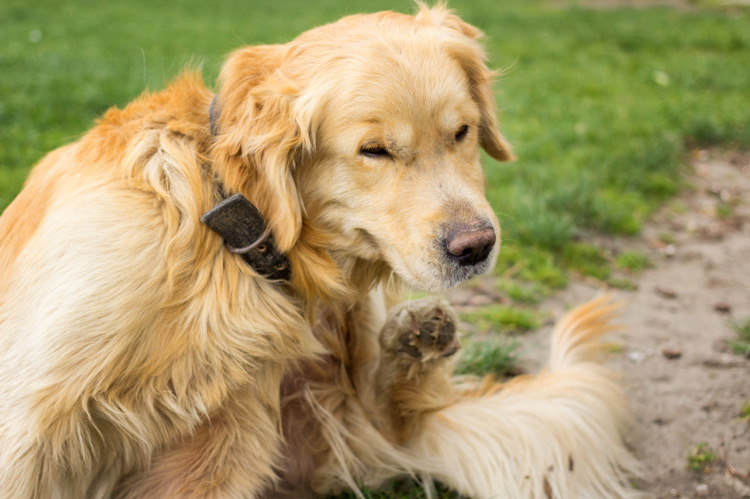
Interestingly, there’s not much information about controlling fleas on epileptic dogs online. The little information there is about flea treatments points to a few topical flea control products, such as Frontline Plus, that no longer works.

I have a dog with seizures, and I’ve done a ton of research on safe flea products for my epileptic dog. Honestly, I agonized over the decision to use a flea product given my dog’s health. I most certainly consulted with my dog’s veterinarian, several veterinarian friends of mine and then a few more vets who all had different suggestions. Here’s what I discovered, but it’s up to you to choose the best product for your dog.

Always consult with your veterinarian first. 

RELATED: Hypoallergenic Dogs Don’t Exist

Topical Flea Products

These products are applied to your dog’s skin usually for 30 days. If your flea and tick population is under control, then these products may work well for you. Personally, I haven’t had good luck with Frontline Plus, Advantage or Advantix living in the deep South. Also, there are some dogs that have experienced seizures within a couple of days after use, so always ask your veterinarian first.

Several friends of mine with seizure-prone dogs have used Vector 3D topical flea control without incidents. The effectiveness of Vector 3D is a bit questionable though, according to Amazon reviews. It takes six hours to kill fleas that hitch a ride on your dog, but it’s definitely worth a try!

Natural Pest Control

I’ve had great results using cedar oil to control fleas. With several dilutions available, you can most certainly treat your yard and house successfully. Plus, there’s a diluted version that you can apply directly on your dog’s coat. If you don’t like the smell, there’s cedar flea spray with lemongrass as well. Check out more tips on using cedar oil to kill fleas.

Flea Collar

We think of flea collars as outdated and ineffective, but there’s a really good one out there now. We bought the Seresto Flea and Tick collar, and have been quite pleased with the results. This flea control product has been very effective in killing and repelling fleas quickly. In addition, Sobek (a Rottweiler) has been seizure-free (knock on wood!) since putting the collar on. If my dog does experience an adverse reaction later on, I can simply take the collar off.

Oral Flea Products

There are so many oral medications that kill fleas and ticks quickly once they bite your dog. However, several brands should be used cautiously with epileptic dogs. NexGard, Comfortis and Trifexis have been known to cause seizures in dogs shortly after dosing, so use cautiously.

There’s a new oral flea product in town. It’s only been on the market for a year, but it has fast-acting results. Bravecto works for three months and has by far the fastest flea-killing time compared to other oral flea products. I know several seizure-prone dogs that have safely taken Bravecto with no side effects.

Choose a flea control product you and your veterinarian feel is safe for your dog’s needs. Hopefully, these tips and research help in your decision.

YOU MAY ALSO LIKE: Insect Repellent Dog Shampoo
Filed Under: Grooming, Health, Resources Tagged With: flea collar dog seizures, flea products for seizure dogs, fleas dog seizures, frontline seizure dog

Help! We Have a Dog Flea Infestation

February 1, 2016 by Fanna Easter

How to Handle a Flea Infestation

Flea Infestations
Neonci/iStock

It’s been the warmest and wettest winter ever this year; we actually wore shorts during the holidays. While it’s a nice break from bitter cold weather, fleas and ticks thrive on this warm and wet environment, which means terrible flea infestations.

What if your dog’s flea control is no longing killing fleas or ticks? What if you have an entire flea infestation on your hands? You discover natural products, such as cedar oil, are no longer working. Well, I recently experienced this, so allow me to share my thoughts and tips about flea infestations with you.

Topical Flea Control Products Don’t Work

Topical flea control products are liquids applied onto your dog’s coat. Many years ago, they were extremely effective even in flea-laden areas, such as south Louisiana. I don’t think topical flea products are as effective anymore. I don’t blame the manufacturers for it though. I think fleas have evolved, which is just plain scary.

Both of our dogs wear Frontline Plus every 30 days (per manufacturer’s directions) and our Rottweiler still has fleas. He has so many fleas that flea dirt (flea droppings) started developing under his fur. Now, Frontline does take a few hours to kill fleas that jump on your dog, but I literally pulled 10 fleas off my Rottie in one sitting. Then, at least two fleas every day after that with the help of my flea comb. We had a problem.

When searching for a new topical flea control product, the reviews were terrible. Most pet owners complained of live fleas present despite the application of topical flea control. Now I know it takes flea control a couple of hours to kill fleas, but if there’s flea dirt, then these products are just not cutting it.

Flea Control Products That Do Work

While doing research, I was pleasantly surprised at the new products claiming to keep dogs pest-free. Most are oral medications purchased through your veterinarian and are highly effective.

While we all think flea collars went out with the hula hoop, there’s a new flea collar in town and it works extremely well. I tried Seresto’s flea and tick collar on our Rottweiler. Within a couple of days, he was flea free. While we all want instant gratification, it takes a few days of constant wear for maximum effectiveness. Also, this flea collar can last up to eight months, so I would highly recommend giving it a try. Oh, and you can order it online for best prices or at your local pet store.

WATCH: Seresto Dog Flea & Tick Collar Review (Large Dog)

Don’t Forget to Treat Your Yard

Our yard was the culprit for our flea infestation. We’ve recently had an influx of stray cats running through our neighborhood. Stray cats coupled with a warm and wet winter and you’ve got yourself fleas! For the longest time, my go-to product was cedar oil, but it was useless with our flea explosion. So, I went old-school and purchased Vet-Kem products. Vet-Kem yard spray and foggers have proven to work over the last three decades, and it costs half the price of pest control products from local pet or home improvement stores. While I hate using chemicals, I had no choice. Our dogs were miserable.

Don’t forget to re-spray 10-14 days after your initial yard and home spray. I’m not convinced pest control products kill flea eggs–we learned this lesson exactly 14 days later. Spray and spray again 10 days later!

You can get through this, but you need flea products that work!

Filed Under: Grooming, Health Tagged With: dog flea medicine, dog still has fleas, flea bites dog, flea control dog, flea dog collar, flea dog pill, flea infection dog, flea infection puppy, flea infection tips, frontline dog not working, topical flea dog products

Grooming Hairless Dog Breeds

January 27, 2016 by Fanna Easter

Grooming Tips for Hairless Dog Breeds

Hairless Dog Breeds
Bigandt_Photography/iStock

While dreams of fur-free furniture and clothing make you smile, there are a few things you need to know about sharing your home with a hairless dog. Some of these tips just might shock you!

Hairless Dogs Still Cause Allergies

Yes, hairless dogs still have dander (skin cells), so they can certainly still cause allergies. Hairless dog breeds shed skin cells just like humans. For some reason, we attribute allergies to dog hair, but it’s really dog dander that causes an allergic reaction. Don’t be fooled by marketing ploys from dog breeders either.

RELATED: Help! My Family Member is Allergic to Dogs

Grooming Hairless Dog Breeds

Sunscreen Please

Bare skin exposed to sun for even 15 minutes can burn, which is why it’s recommended to apply hypoallergenic sunscreen to hairless spots when taking your dog outdoors. A good rule of thumb is if you need sunscreen, then your hairless dog does too. Don’t forget to reapply, as specified per your chosen sunscreen’s directions. While we tend to assume exposed pink skin will burn quicker than dark-pigmented skin, it’s still important to protect all exposed skin regardless of color.

Bathe Often

Hairless dogs need to be bathed with an oatmeal-based shampoo at least monthly. You’ll probably notice an oily film building up after a couple of weeks. Now, bathing your dog too much can cause skin irritation. Plus, harsh shampoos can dry out their skin. If your hairless dog has spots of fur, brush these areas often to minimize tangles and mats, and bathe him frequently.

Keep Mosquitoes Away

Exposed skin attracts mosquitoes. Hairless dogs don’t have a layer of hair protecting their skin like most dogs. If you live in a mosquito prone area, choose pest control products that deter mosquitoes too. Personally, we’ve had great luck with natural products, such as cedar oil for our dogs. However, if mosquitoes are still pestering your hairless dog, contact your vet for topical or digestible pest control products to keep mosquitoes away.

Keep Your Hairless Dog Warm

Just like us, hairless dogs need a warm coat or jacket to protect them from the cold. It’s important that coats and jackets fit properly, so check out these tips on choosing and sizing dog sweaters. If it’s cold outside, put a sweater on your hairless dog even if it’s just for a quick potty break. Remember, if it’s too cold for you, then it’s too cold for your hairless dog.

READ NEXT: Teach Your Dog to Wear a Sweater

Filed Under: Breeds, Grooming, Training Tagged With: bathing hairless dog, dog training, Dog Training Tips, flea products for hairless dog, grooming hairless dog, hairless dog tips, how to teach a dog, how to train a dog, hypoallergenic hairless dogs, jacket for hairless dog, screen for hairless dogs, teach a dog, train a dog

Dog Tear Stains: New Home Treatment That Works

January 6, 2016 by Fanna Easter

Dog Tear Stain Home Remedy

Dog Tear Stains
tapanuth/iStock

Brown tear staining, especially around white-coated dogs’ eyes, can be annoying and become a health issue. Several years ago, many dog tear stain removers went on the market, promising to remove dog tear staining forever and pet owners saw promising results with continued use. Well, it seems these dog products contained low levels of antibiotics and we all know continued use of antibiotics will most certainly lead to antibiotic resistance. There’s some good news now for dog tear stains and it doesn’t contain antibiotics. It’s actually the opposite; it’s probiotics!

What Causes Dog Tear Stains?

Dog tear staining is usually most noticeable on white-coated dogs. It leaves a reddish brown stain on the inner corners of some dogs’ eyes. All dogs, regardless of color, are susceptible to tear staining. Though there are certain breeds that are more susceptible than others, such as Cocker Spaniels and Poodles. To make things even more confusing, tear staining can be caused by poor diet, allergies, eye irregularities (blocked tear ducts), entropion (inverted lashes that rub against the eye), eye disease and even genetics.

Usually, dog tear stains are an issue when dogs have an eye infection or the skin near the eye becomes irritated due to constant moisture from excessive tear staining. Always have a complete veterinary exam to rule out any eye disease or infections. Foul smelling brown tear stains may indicate a bacterial or yeast infection.

RELATED: Causes of Lick Granuloma

Power of Probiotics

Many dog owners are seeing a dramatic reduction in tear staining after using probiotics. If you choose probiotics, you still need to clean the tear stained area several times a week, keep hair trimmed short (prevents buildup), throw away your dog’s plastic food and water bowl (replace with glass or stainless steel) and, of course, feed your dog a high quality diet. Adding a good quality probiotic, made especially for dogs, is just as effective as Angel Eyes and other products containing antibiotics without the terrible side effects.

Choosing a probiotic made for dogs is always a bit overwhelming, but I do know most veterinary dermatologists recommend Prostora MAX by Iams. A recent study on dog tear stains showed tremendous results from Prostora. However, the price might just scare you a bit. If you choose Prostora, be prepared to pay $38 for 15 tabs (13-day supply). As with anything, if your dog needs it, then it’s worth every penny. I tried to find the actual study’s results, but this was the closest research I could find. Also, if you view Prostora’s reviews on Amazon, you’ll find testimonials describing dramatic tear stain reduction.

For the most part, I think continued use of any great probiotic (made for dogs) would work. Check out my recommendations here. Most pet owners notice a difference after one to two months of daily use, so be patient and remember probitioics are just as good for your dog as they are for us. 🙂

If probiotics have helped your dog’s tear stains, please share your results below!

Filed Under: Grooming, Health, Resources Tagged With: bulldog tear stains, dog tear stains, dog tear stains home remedy, dog tear stains yogurt, how to remove dog tear stains naturally, poodle tear stains, probiotics dog tear stains, prostora dog tear stains, puppy tear stains, white dog tear stains, yorkie tear stains

How to Treat a Torn Dog Nail

December 2, 2015 by Fanna Easter

Treating a Torn Dog Nail

Dog Nail Ripped Off
misscherrygolightly/iStock

Torn dog nails happen, and I’m totally convinced it only happens on weekends when my regular veterinarian is closed. You know the look and sound; your dogs are playing in the backyard and you hear yelping followed by one dog holding up a paw. As you’re walking toward her, you’re hoping she just stubbed it on something. Then, you see it—your dog’s nail ripped off. Fortunately, we’ve provided you dog grooming tips to treat a torn dog nail.

Step One

Get a good look at the dog nail that ripped off. Check to see how much of the nail is torn off and if your dog’s paw is otherwise uninjured. When checking, move slowly and keep pressure to a minimum while holding your dog’s paw. Torn nails are extremely painful.

Step Two

Bring your dog inside and wash the area with an antibacterial soap and warm water. I highly recommend keeping Nolvasan in your pet first aid kit for this purpose. When rinsing, allow water to trickle down and pat dry.

Step Three

Usually, after washing the area, the bleeding from the torn dog nail will have stopped. If your dog’s nail continues to bleed, you can apply Kwick Stop (anti-coagulant powder) to the bleeding area. Now, wrap your dog’s ripped off nail in a clean towel and apply some pressure to help the anti-coagulant powder do its job.

Step Four

Now, you probably have a chance to look at the torn dog nail. This step depends on the severity of the nail injury, but more than likely you’ll need to plan a trip to the vet.

Types of Dog Nail Injuries

Minor Crack or Split

Once your dog’s torn dog nail is cleaned, trim the nail shards sticking out while making sure to keep clippers away from the quick. If the nail injury is minor, trimming will prevent the nail from splitting further up or over. If your dog is walking normally and the nail looks better after cleaning and trimming, you’ll need to keep the area clean. This means keeping your dog from licking the ripped off nail. I place an Elizabethan collar on my dog for a few days, so the nail area can breathe.

If your dog is in pain or the area gets worse, contact your vet. Sometimes, the nail can crack even more, so check it twice a day.

RELATED: Why Dogs Dislike Nail Trims

Cracked Dog Nail

You’ll need to visit your vet’s office if the nail is cracked more than 25 percent of the way. A cracked dog nail is extremely painful and can take weeks to heal and grow out, which can cause your dog unneeded pain. Once at your vet’s office, they’ll sedate your dog and clean up the area. Usually, pain medicine is prescribed afterwards and, depending on the severity, antibiotics may be too.

Dog Nail Ripped Off, Quick Exposed

Personally, I’ve had dogs rip their entire nails off, exposing the quick (i.e. blood supply of nail). That’s a sight I hope I never see again. Yes, we had to visit the vet’s office for sedation to clean the area and check for further damage of their paws. Pain medications were given and protective booties were worn for weeks until the nail grew back and protected the quick.

Entire Nail Ripped Off

Oh my, get to the veterinarian ASAP. This is an emergency, as there’s probably a lot of bleeding. Once your dog’s sedated, your vet will probably have to remove any remaining flesh and suture from the area. This is a common injury for dew claw nails. Those little things get caught on everything, especially if they’re not trimmed short.

Torn dog nails can’t be prevented, but keeping your dog’s nails properly trimmed will keep injuries to a minimum.

Filed Under: Grooming, Health Tagged With: broken dog nail treatment, cracked dog nail, dog cracked toenail, dog nail ripped off, dog ripped toenail off, dog split nail what to do, my dog's nail is broken and bleeding, torn dog nail, treating torn dog

  • « Previous Page
  • 1
  • …
  • 4
  • 5
  • 6
  • 7
  • Next Page »

About

Dog Training Nation is a community of dog trainers, dog owners and dog lovers. Our mission is to provide trainers and owners valuable information to enrich dogs' lives. We cover a range of topics, from socializing puppies to dealing with aggressive dog behavior to selecting the best dog products. It is our hope you share our content to make the dog and owner world a better place.

​

Facebook

Video

Dog Training Nation is a dog training blog for pet owners and dog lovers. We cover a range of topics from puppy socialization tips to dog aggression to dog health. It is our hope you share our content to make the world a better place for dogs.

Dog Training Nation

Quick Links

Dog Training
Dog Behavior
Dog Training Videos
Become a Dog Trainer
About
Contact Us

Copyright © 2026 · Lifestyle Pro Theme on Genesis Framework · WordPress · Log in