Dog Training Nation

In Dogs We Trust

  • Home
  • Training
    • Dogs
    • Puppies
    • Clients
  • Behavior
    • Breeds
  • Health
  • Safety
  • Resources
    • Equipment
    • Books
  • Dog Training Videos
  • About
You are here: Home / Archives for Health

Can Chiropractic Care Reduce Dog Aggression?

November 23, 2016 by Fanna Easter

Chiropractor for Dogs With Aggression
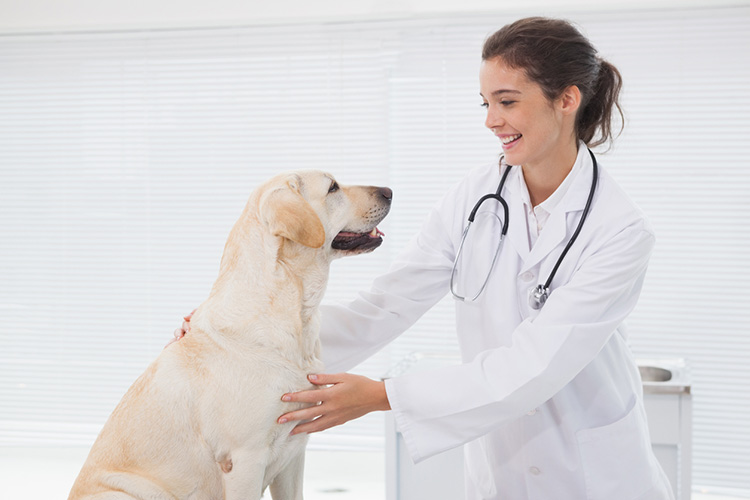
Dog Chiropractor
Wavebreakmedia/iStock

Dog aggression is a tough situation regardless of the cause. Pet owners scour the earth to find solutions for their dogs’ aggressive behavior, picking up each and every rock to find a magic cure or some positive nugget of hope that will bring peace. As a dog trainer, and someone who has shared her home with aggressive dogs, I completely understand the search for a solution.

With that said, I’ve recently discovered newer modalities that promise to reduce aggression and I’m intrigued. It seems regular chiropractic adjustments are helpful for certain causes of dog aggression. But it’s not a magic cure.

Dog Aggression Caused By Pain

Depending on the cause of your dog’s aggression, regular chiropractic adjustments from a qualified practitioner can help. Many dogs growl, lunge, snap and even bite because they’re in pain. So many times, we completely miss or ignore our dogs’ body language indicating that they’re suffering. Then, a well-meaning family member pats or walks next to our dogs and unfortunately they lunge, snap and bite.

Know the Signs

Since pain can cause aggression in dogs, it’s important to rule out disease or any abnormalities that may be causing your dog discomfort. If, at any time, your dog begins acting strangely, bring him or her to your veterinarian immediately. When dogs are in pain, their symptoms aren’t as obvious as limping, whining, whimpering and so forth.

Some suffering dogs will distance themselves from family members by hiding in another room. Because all dogs are different, some dogs will stiffen up as you reach out to pet them while some will turn away, leave the room or growl. When in doubt, check it out.

RELATED: How to Know If Your Dog Has Thyroid Dysfunction

How a Dog Chiropractor Can Help

Chiropractic adjustments not only bring your dog’s body back into alignment, but they also allow energy to move better. While this may sound a bit “woo woo” to some, I’ve witnessed it work on myself and my dogs. Chiro adjustments provide great results for arthritis, chronic tummy issues, ligament strains, injuries, chronic illnesses and so forth.

Each chiropractic adjustment builds on itself, which means each adjustment is like taking a step forward in the right direction. Many dogs feel relief immediately during or after their first adjustment. Stella, my Bull Terrier, rams into walls like a small tank while playing. Our vet adjusted her neck and she was a totally different dog afterwards. She slept for 3 days, and her typical crankiness was gone!

Find a veterinary chiropractor here.

Can Chiro Adjustments Reduce Other Types of Aggression?

The simple answer is we don’t know yet. Some dog-to-dog aggression cases have benefited from regular chiropractic adjustments while others saw no change in behavior. Without solid research, it’s hard to say for sure. However, knowing that pain can cause dog aggression, I do believe regular adjustments can certainly help.

As I’ve dabbled in Traditional Chinese Medicine (TCM), I’m pretty impressed with the results so far. Keeping an open mind to all modalities will most certainly benefit dogs and my clients, but I’m not quick to assume one thing can change everything.

It Takes a Combination Approach

As I’ve said before, I wish magic wands worked for dog behavior. If it were that simple, our local shelters would be empty. Be careful of quick-fix promises because they’re extremely rare. I believe a combination approach works best for changing dog behavior. Relieving your dog’s pain, or bringing his body into alignment will help, but it’s vital to teach your dog how to react differently around triggers too.

Regular chiropractic adjustments are certainly worth a try!

Filed Under: Behavior, Health Tagged With: benefits of chiropractic care for dogs, can chiropractic care stop dog aggression, chiropractic adjustments dog aggression, chiropractic care for dogs, how to find a chiropractor for dogs

4 Low-Impact Exercises for Dogs With Arthritis or Older Dogs

November 21, 2016 by Fanna Easter

Low-Impact Exercises for Dogs

Dog Exercise
Bicho_raro/iStock

Dogs need exercise and mental stimulation every day. Though, sometimes, an injury or chronic pain limits a dog’s activity level—almost grinding it to a halt. That’s when low-impact exercise for dogs is hugely beneficial. Below are several great exercise ideas for dogs!

1. Walking

Slow strolls are an excellent form of a low-impact dog exercise. Remember, walks should be nice and quiet until your dog heals or starts feeling better. Start with a 4 to 6-foot leash—keep retractable leashes at home—to control how fast your dog walks.

You should, of course, provide your dog plenty of opportunities to stop and sniff during walks. Sniff stops provide mental stimulation for your dog, but also provides a short break during walks, which may be needed. In the beginning, keep walks under 10 minutes. The following week, walk for 12 minutes and increase slowly. If, at any time, your dog starts limping or suffers from pain, stop walks immediately and consult your veterinarian again.

RELATED: Walking Two Dogs at Once Tips

2. Underwater Treadmill

Seriously, if I could install an underwater treadmill in my home, I would’ve done it yesterday! Underwater treadmills are filled with a predetermined amount of water based on a dog’s height and exercise needs. By adding water during walks, it not only adds a bit of resistance, but buoyancy as well.

Water buoyancy allows the dog’s body to float, yet still move underwater, which relieves pressure from joints and ligaments. Also, warm circulating water provides additional pain control.

Ask your veterinarian to refer you to a canine physical therapist because he or she will have access to underwater treadmills. Check out a few hydrotherapy tips, so your dog learns to love it! Yes, I’m still trying to figure out how to install one at home. 🙂

3. Swimming, If Your Dog Enjoys It

We all know swimming is an excellent low-impact exercise, but there are a few risks that come with it too. Swimming is a great choice for dogs that already love swimming. If your dog hates swimming, he will likely further injure himself struggling to get out of the water.

Think about it this way: If someone throws you into a pool, and you hate it, you swim for your life. Panicking in water causes overuse of muscles, ligaments and joints, which you’re trying to protect from further injury. Life vests won’t prevent your dog from freaking out in the pool either, unfortunately.

If your dog hates swimming, try walking your dog along the shallow end of a pond or lake. This provides resistance, yet is low-impact. Again, your dog must enjoy standing and walking in water for it to work. 🙂

4. Nose Work

I’m completely obsessed with Nose Work! Many years ago, I was introduced to the sport of Nose Work and I haven’t looked back. Not only is it a super fun activity for dogs, but they will blow your mind with their sniffing skills. Additionally, it’s a low-impact exercise for dogs too.

RELATED: Barn Hunt: The Nose Sport Your Dog Needs to Try

How to Set Up the Game

There are several elements of Nose Work, but I’m obsessed with the very beginning stages. At first, it’s important to teach dogs how to find hidden food in boxes. You’ll need 5-6 small and medium-sized boxes, super yummy treats, and your dog. Hide food in one box and set it down among the other boxes. Your dog will walk over and sniff around to find the hidden treats. This dog game never gets old for your dog, and it keeps his body moving and his mind sharp.

Remember, have fun and choose a low-impact exercise your dog loves!

Filed Under: Games, Health, Resources Tagged With: best exercise for dogs, exercises for dogs with arthritis, how to exercise a dog with arthritis, how to exercise a senior dogs, how to exercise an older dog, low impact dog exercise, low impact exercise ideas for dogs, top ways to exercise your dog

A Massage to Calm Hyperactive Dogs

November 14, 2016 by Fanna Easter

Calming a Hyperactive Dog Through Massage

Hyper Dogs
fcscafeine/iStock

Last week, I explained how to massage your dog. Immediately, several readers asked, “How and could you massage a hyperactive dog or puppy?” Of course! Each and every dog will benefit from massage, especially hyperactive and easily excited dogs. One of the best benefits of calming a hyperactive dog through massage is she learns how to self-settle in the process. 🙂

Here’s how to give your hyper or excited dog a massage.

Give Your Dog Something Else to Do

In the beginning, I recommend pairing something yummy with massage. This not only teaches your dog that massages make fun things happen, but it also keeps a wiggly dog calmly busy until she learns to relax. Dog treats should last several minutes, so I recommend filling and freezing a toy with yummy food or making a peanut butter plate.

Find a comfortable seating spot, such as the floor with a pillow under your bum. The moment you sit on the floor, your dog will bounce right up to you. Place the food stuffed toy or peanut butter plate on the ground and start slowly massaging your dog.

Start Massaging the Less Wiggly Part

As your dog enjoys her treat, start massaging your dog’s back or rear end. It’s a bit tough massaging her ears while she’s licking away at food, but you can certainly give it a try. If your dog bounces with excitement when you touch her, lightly place your hand on her chest or back, and hold it there for a few seconds. Now, move your hand slowly toward your dog’s rear end.

If your dog starts bouncing around again, remove your hand and wait until your dog settles down with her toy before trying again. Sometimes, slow petting can be too much for easily excited dogs, which is completely fine. Start and move slowly in the beginning.

Of course, if your dog is uncomfortable with you approaching or touching her with food around, I wouldn’t recommend a food stuffed toy. If this happens, check out this resource guarding article.

Take It Slow

For hyper dogs, massaging them slowly is key. For example, one massage stroke should last one second. Count “one Mississippi” silently as you’re gliding your massage hand across your dog’s shoulder, chest, neck or hind legs. For smaller dogs and smaller body areas, that means slowing down even more. Slow is good.

Rhythmic sounds and beats are calming, and that pertains to massage too. After completing a one-second massage glide, continue to silently count for another second as you lift up your hand and place it back down on your dog. Better yet, use your breath to count. As you exhale, massage your dog. When you inhale, pick up and reposition your hand. Slow rhythmic massage will calm hyper dogs. 

If your dog raises her head, sits up or stands, that means your hands were moving too fast. Or it could simply mean your dog has had enough. She will probably find a nice comfy spot to relax post massage, and that’s a good thing! Keep massage sessions short at first, and soon your dog will become a massage junkie.

Set the Mood

Play calming music for dogs in the background like falling rain or soft classical music. Remember, slow rhythmic music is best. In a pinch, “Riders on the Storm” by The Doors works great. 🙂 Music will calm you too. If you’re calm and relaxed, your dog will follow suit.

Take a deep breath, especially when your hyper dog gets amped. You might be surprised at her calm reaction! Keep practicing. 🙂

Filed Under: Behavior, Health, Resources Tagged With: can you massage a hyper dog, can you massage a hyper puppy, does massage help a hyper dog, how to calm a hyper dog, how to massage a hyper dog, how to massage a hyper puppy, massage excited dog, massage excited puppy

How to Massage Your Dog

November 11, 2016 by Fanna Easter

Massaging Your Dog in 3 Steps

How to Massage a Dog
BigshotD3/iStock

Massage is a wonderful modality if done slowly, purposefully and thoughtfully. Dogs benefit greatly from weekly massages. Another fabulous benefit of dog massages is you don’t have to be an expert in canine anatomy to give your dog a soothing massage. When massaging your dog, just remember to start slowly, apply light pressure, take deep breaths and pay attention to your dog’s body language.

Take a deep breath in and out and let’s get started.

1. Introduce Massage Slowly

If body massage is new to your dog, introduce the process slowly. While your dog is standing or sitting, rub both of his ears slowly and lightly. After a few minutes of massage, you’ll notice your dog starting to relax.

Relaxed dogs will close their eyes, sigh, pass gas, slide or flop onto the ground. All of these are good things! Once your dog is relaxed, slide your open hand (palm facing dog) along each side of his neck. Keep your hand flat and fingers close together and take long strokes slowly.

Now move over to your dog’s shoulders, front legs, chest, back (stay away from the spine) and back legs. Use long and slow strokes to cover large areas. If your dog allows it, stroke upward from his paws to his shoulders. Using your thumbs, lightly massage over and under your dog’s paws and wrists. Remember, long and slow strokes are very soothing, so slow yourself down if needed.

2. Apply Light Pressure

While massaging your dog, use enough pressure to move your dog’s skin, but not too much that you move his muscles. This technique is called a Swedish massage, and it’s the most popular and requested variety by massage therapists.

Deep tissue massage has a specific purpose, but it can be painful, especially over trigger points. It’s best to leave this type of massage to canine massage experts because this requires a thorough understanding of canine anatomy.

Watch your dog’s body language closely when giving him a massage. If he pulls away, lifts his head or sits up, you’re probably using too much pressure or moving too fast. Take a deep breath, slow down and focus on your dog’s ears again if this happens. Continue to take deep breaths while massaging your dog. Breathing keeps you both relaxed, which is an important part of massage.

3. Use Rhythmic Movement

Pressure is important and so is hand movement during a massage. Lightly place both hands on your dog and keep them on your dog’s body while you’re massaging him. Having both hands on your dog prevents him from becoming startled when you touch with your massaging hand. Plus, it keeps him grounded.

Place your non-massaging hand on your dog’s chest or flank while your massaging hand moves back and forth. As you’re moving down your dog’s body to continue massaging, glide your non-massaging hand downward instead of picking it up and placing it.

A great dog massage technique is to use rhythmic movement. Our brain understands and follows a predictable rhythmic sound or touch. Rain falling, a bubbling stream and soothing music all have one thing in common: predictable rhythmic sounds.

When giving your dog a massage, use your breathing to count each massage stroke. As you exhale, move your hand across your dog’s body. When you inhale, lift your massaging hand up to reposition before completing another stroke.

Dog Massage Benefits

Oh, the benefits of massaging your dog are unlimited! Massage relaxes and reduces fearful behavior in dogs. Easily excited and highly energetic dogs learn how to self-settle and relax when massaged. Massage also alleviates pain after surgery and provides immense pain relief for arthritic dogs.

During a massage, you’re able to fully examine your dog’s body for any lumps, bumps and abnormalities. And it’s true, regular massage increases circulation and removes toxins from the body. Even better is massage deepens the bond between you and your dog, and that’s priceless.

Massage your dog today. You’ll both learn to unwind, relax and breathe deeply together.

Filed Under: Health, Resources Tagged With: can you massage your dog, dog massage, dog massage anxiety, dog massage arthritis, how to give a wiggly dog a massage, how to massage a dog to sleep, how to massage a hyper active dog, how to massage your dog, massage benefits for dogs, massage dog arthritis, puppy massage, why massage your dog

How to Help a Dog With Arthritis Naturally

November 8, 2016 by Fanna Easter

9 Natural Arthritis Treatments for Dogs

 Arthritis Treatments for Dogs
hiperdino/iStock

Arthritis is painful, and a common cause of major discomfort for dogs. Arthritis in dogs can happen at any age. Dogs usually develop arthritis later in life, but younger dogs can get it too.

Sobek, my 4-year-old Rottweiler, recently developed moderate arthritis in his right wrist. After playing ball outside, we noticed he was limping significantly. After a thorough vet exam the following day, we were shocked at his arthritis diagnosis. Sobek was crate rested for a week while taking anti-inflammatories. He improved, but not completely, so we added natural arthritis treatments for dogs to his routine. Now, he’s medication free and doing amazing!

Thankfully, I discovered 9 arthritis treatments that really worked for my dog. A few of these arthritis treatments for dogs I had known and some I discovered to be powerful natural arthritis treatments. One thing I did notice is it takes a combination of these treatments to be effective.

1. Fish & Hemp Oil

Hemp and fish oil have natural anti-inflammatory properties that greatly reduce arthritis pain. Instead of using just hemp or fish oil, I recommend using both for greater impact. When adding oils to your dog’s diet, start slowly to prevent an upset tummy and loose stool. My 115-pound Rottie ingests ¾ teaspoon of fish oil and 15 hemp oil drops per day. I mix them into his food and stir.

Ask your holistic vet for recommended therapeutic doses based on your dog’s weight and arthritic diagnosis.

2. Highly Digestible Glucosamine

The key is finding glucosamine that’s highly digestible. Our vet recommends Glyco Flex III chews and MegaFlex powder by Rx Vitamins For Pets, both of which I give to Sobek. Glyco Flex III contains glucosamine, green-lipped mussel and MSM. MegaFlex contains highly digestible forms of glucosamine, MSM, sea cucumber and vitamin C.

If your dog is experiencing an arthritic flare-up, try doubling the dosage per manufacturer directions for a couple of weeks. For example, Sobek’s ingesting 2500mgs of glucosamine daily per my vet’s suggestion.

3. Fresh Diet

We are what we eat, and that pertains to dogs as well. A diet of raw or cooked vegetables, fruits and meat is always best. Check out this article on creating a fresh homemade diet for your dog. If you decide to feed your dog kibble, choose high quality dog food with a specific protein listed as the first ingredient.

4. Healthy Weight

Oh, this is a big one! Keeping your dog at a healthy weight is so important. It’s amazing how fast extra pounds can add up. All those extra pounds put additional strain on arthritic joints, which causes further damage and more pain. Ask your vet to assess your dog’s weight and provide a weight goal. Remember, treats are calories too, so choose low fat varieties. Sobek lost 5 pounds, which really helped his arthritic wrist.

5. Daily Low Impact Exercise

Move it or lose it is another common and very true statement. Once Sobek’s pain was controlled, we started walking around the neighborhood. Sobek is able to move at his own pace while allowed plenty of sniffing opportunities. Start with 10-minute walks per day and slowly add 1-2 minutes per week.

If your dog is in pain, ask your vet for a physical therapy referral. Most canine physical therapists recommend exercising your dog in an underwater treadmill. This modality provides very low impact and works wonders! Now, there’s a major difference between swimming and using an underwater treadmill. If your dog panics or hates swimming, he will further damage his joints. Discuss with your vet first.

6. Regular Chiropractic Adjustments

Regular chiropractic adjustments will reduce your dog’s pain while preventing additional wear and tear of joints. Immediately after a chiro adjustment, Sobek was able to move easier, had more range of motion, seemed less in pain and literally slept for two days. This was a game-changer for Sobek, so I highly recommend searching for a holistic veterinarian certified in canine chiropractic care.

7. Bone Broth

This was another game-changer too! Every day, Sobek drinks one cup of bone broth, which has most certainly reduced his arthritic pain. Bone broth is rich in calcium, glucosamine and collagen. Not only does bone broth help arthritic joints, but it helps chronic tummy issues too. Learn how to make homemade bone broth here.

8. Massage

Everyone loves a good massage—even your dog! Massaging muscles around painful joints will reduce inflammation and pain immensely. Start by slowly gliding your flattened hand along the area and applying light pressure. Place warm compresses over areas in pain while massaging other limbs used to support that area. When in doubt, ask your vet exactly where you should massage your dog.

9. Physical Therapy

If your dog’s pain isn’t improving, ask your veterinarian for a physical therapy referral. Canine physical therapists work with your dog, you and your vet to develop and implement a plan to reduce your dog’s pain and prevent further joint damage. I’ve watched miracles happen with physical therapists, so it’s definitely worth it.

Partner with your veterinarian to make the best decisions for your dog. Remember, it takes a combination of natural remedies to provide the most impact. Please share what’s worked for your dog below!

Filed Under: Health, Resources Tagged With: bone broth for dog arthritis, decrease your dog's pain, digestible forms of glucosamine, fish oil for dogs, natural remedies for dog arthritis, natural treatments for dog arthritis

  • « Previous Page
  • 1
  • …
  • 9
  • 10
  • 11
  • 12
  • 13
  • …
  • 40
  • Next Page »

About

Dog Training Nation is a community of dog trainers, dog owners and dog lovers. Our mission is to provide trainers and owners valuable information to enrich dogs' lives. We cover a range of topics, from socializing puppies to dealing with aggressive dog behavior to selecting the best dog products. It is our hope you share our content to make the dog and owner world a better place.

​

Facebook

Video

Dog Training Nation is a dog training blog for pet owners and dog lovers. We cover a range of topics from puppy socialization tips to dog aggression to dog health. It is our hope you share our content to make the world a better place for dogs.

Dog Training Nation

Quick Links

Dog Training
Dog Behavior
Dog Training Videos
Become a Dog Trainer
About
Contact Us

Copyright © 2026 · Lifestyle Pro Theme on Genesis Framework · WordPress · Log in