Dog Training Nation

In Dogs We Trust

  • Home
  • Training
    • Dogs
    • Puppies
    • Clients
  • Behavior
    • Breeds
  • Health
  • Safety
  • Resources
    • Equipment
    • Books
  • Dog Training Videos
  • About
You are here: Home / Archives for Health

Help! My Dog Hates The Vet

October 18, 2016 by Fanna Easter

What to Do If Your Dog Hates the Vet
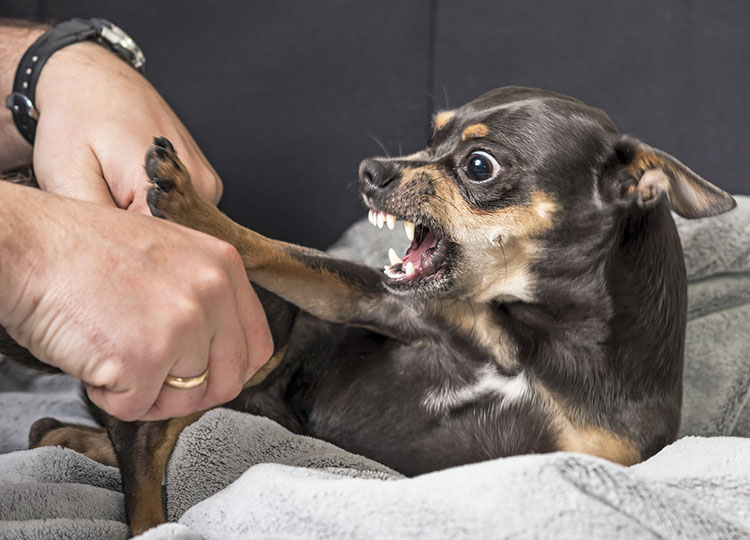
My Dog Hates the Vet
Piter1977/iStock

Guess what? I’ve been there, and it’s a tough place to be. Many years ago, I shared my home with a dog that growled, snarled, snapped, lunged and tried to bite our veterinarian and her entire staff. It was gut-wrenching. I know the embarrassment of watching your dog lash out, feeling helpless and frustrated.

Oh, and I know that pit in your stomach. You know, the one that forms while scheduling a vet visit when your dog hates the vet. Yup, that one. Your dog needs veterinary care, but there are things you can do that can positively change your dog’s behavior while keeping everyone safe.

Why Does My Dog Act This Way?

Your dog doesn’t behave this way because he chooses to; he doesn’t know what else to do instead. Basically, your dog is so terrified of the vet that he’s unable to control his behavior. It’s that simple. It’s easy to blame the dog; I see it every day. However, it’s not your dog’s fault for not being able to control his behavior in this stressful situation.

The good news is you can change your dog’s behavior. It may take awhile, but it’s completely worth it because it keeps everyone and your dog safe. Just remember, pairing good things with scary situations will eventually change your dog’s behavior. It works, so stay the course.

How to Change Your Dog’s Behavior

Train Your Dog to Wear a Muzzle

If your dog has lunged or snapped at the vet, your dog has been muzzled before. Muzzling a frightened dog is difficult and it certainly will cause a frightened dog to panic even more. Instead of muzzling your dog at the vet’s office, positively teach your dog that wearing a muzzle is a good thing.

For this behavior, I recommend using a basket muzzle and lots of yummy treats. Check out my favorite video on teaching your dog to love wearing a muzzle.

Muzzle training tips:

  • Practice at home first.
  • Keep sessions short like 1-2 minutes at a time.
  • Once your dog is comfortable wearing his muzzle, take your dog to your vet’s office with his muzzle on.
  • It will take 1-2 weeks of daily practice until your dog is comfortable wearing a muzzle.

In the beginning, just driving over to the veterinary office while your dog wears a muzzle is good practice. Then, you should reward your dog for comfortably wearing his muzzle while sitting in the car in your vet’s parking lot and later for walking around the parking lot. Move slowly and reward often, especially when you move to a new location. Soon, your dog will learn that getting dressed, or wearing his muzzle, means good things will happen.

Also, if you’re new to clicker training, check out this clicker training article. If you’re uncomfortable using a clicker, you can use a verbal marker, such as “yes.”

Teach Body Restraint at Home

Being held down by a complete stranger is definitely weird—no wonder our dogs freak out at the vet! All dogs (and puppies) should learn that restraint makes good things happen. It’s best to start teaching this dog behavior at home and practice for weeks before your dog (or puppy) goes to the vet’s office. During my puppy and basic manners group class, we focus on body handling and restraint, and pet owners practice daily with their dogs.

WATCH: Train Your Dog to Enjoy Body Handling

Oh, don’t forget! When your dog is being restrained during vet visits, stand next to your dog and reward him. I bring peanut butter filled Kongs and hold one next to my dog’s mouth. That way, my dog can happily lick away while being restrained. If your dog is muzzled, I recommend using canned squeeze cheese as a reward. This way, you can poke the canned cheese nozzle through your dog’s basket muzzle and squirt away during your dog’s exam.

If All Else Fails, Try Meds

Sometimes, it’s best to sedate your dog. I know it’s hard, but it may be the best option. Remember, the more your dog practices a behavior, the stronger it gets. If your dog is sedated, he won’t remember what happened, which is a good thing. Also, sedating your stressed dog will allow your veterinarian to conduct a successful physical exam.

If your dog needs to be sedated, speak with your veterinarian first. Your vet will recommend specific medications to calm your dog before a vet visit, such as Trazodone, Valium or Xanax. Please, don’t give your dog acepromazine. It doesn’t prevent your dog from panicking. Check out why acepromazine should never be used as a sedative.

Remember: If your dog could do better, he would do it. Changing behavior takes time, so keep practicing! Also, you’re not alone, we’ve all been there.
Filed Under: Behavior, Health, Resources, Training Tagged With: dog bites vet, dog hates going to vet, dog terrified of vet, dog training, Dog Training Tips, how to train a dog, my dog freaks out at the vet, my dog growls at vet, my dog hates vet, taking aggressive dog to vet

5 Tips for Stress-Free Veterinary Visits

September 30, 2016 by Fanna Easter

Stress-Free Veterinary Visit Tips You Need

Stress-Free Veterinary Visits
Catherine Yeulet/iStock

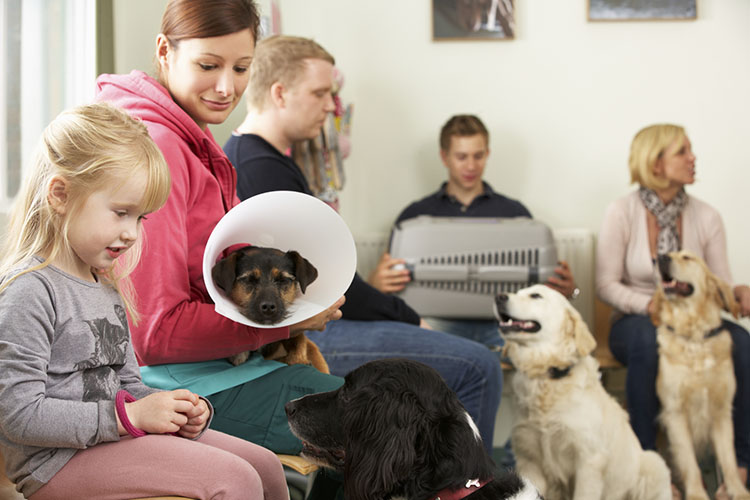
Sitting in a packed veterinary clinic waiting room is stressful. I get hives just thinking about it. As a dog trainer, pet parent and past vet tech, I’ve witnessed dog fights happen within seconds.

Some pet owners would get bitten and scratched by their own stressed dogs. Some dogs would shake, bark, drool or hide due to stress. Stress causes fear, and packed waiting rooms certainly can cause a dog to fear the vet’s office.

Give these tips for stress-free veterinary visits a try. You’ll be surprised how well they work! I know because this is exactly how I manage veterinary waiting rooms with my personal dogs and clients’ dogs.

Always Leash Your Dog

Dogs must be leashed at all times, especially when walking into and waiting in a veterinary clinic’s waiting room. Keep retractable leashes at home because they’re too unpredictable. If you don’t have a dog leash, ask the receptionist if you can borrow one before bringing your dog inside the clinic. Even if you plan to hold your small dog in the waiting room, make sure your dog is leashed.

Keep Your Distance

Dogs are stressed at the vet’s office, so it’s best to maintain at least 3 feet away from other dogs and cats. When walking into the waiting room, look for a quiet corner. If the waiting room is packed, ask the receptionist to place a chair in a quiet corner for you and your dog. Trust me, I’ve sat in the employee break room before. 🙂 While waiting, shorten your dog’s leash to prevent him from wandering around and visiting other dogs or people.

Don’t Allow Petting

Veterinary visits are already stressful, so it’s best not to allow strangers to pet your stressed dog. If a child or person walks over and asks to pet your dog, politely explain that your dog is nervous and he needs to relax before meeting the vet. Even the sweetest dog can become so stressed that he growls or snaps at a stranger. Be your dog’s advocate during stressful situations. It’s our job to keep our dogs safe.

Play Games

This is a big one! Bring plenty of super yummy treats and play a dog game while waiting. Play several sessions of “touch” by redirecting your dog’s face away from the waiting room commotion. If you’re sitting in a corner, hold your hand against a wall and say “touch.” If you’re flanked on both sides by pets, hold your hand against your chest and say “touch.”

Fun games for dogs followed by yummy food rewards will successfully redirect your dog’s attention to something fun instead of stressing over waiting room distractions.

If All Else Fails, Sit in Your Car

Some veterinary clinic waiting rooms resemble rock concerts, which is very unfortunate. If your dog’s uncomfortable around other dogs, people or children, then it’s best to wait in your car with your dog.

Bring a friend along for the ride and ask her to sit with your dog while you check in at the front desk. Explain to the receptionist that your dog is uncomfortable around other dogs, and that you’ll be waiting in your car until an exam room is open.

Ask the receptionist to walk outside and let you know when they’re ready for you and your dog. Also, ask if you can use a separate entrance, so you can completely avoid the packed waiting room. Most veterinary clinics will readily comply with your request.

Good luck!

Filed Under: Health, Resources, Safety Tagged With: dog barks at other dogs at vet's office, dog hates vet waiting room, dog is scared vet's office, dog scared vet waiting room, make vet offices fun, veterinary waiting room tips

Dogs Can Benefit From Mud Baths As Well

September 26, 2016 by Fanna Easter

Mud Baths for Dogs

Mud Baths for Dogs
studioportosabbia/iStock

It’s a rare occasion when I can combine my dog training knowledge with my professional cosmetology license, but here it goes! If your dog has dry, itchy or flaky skin, a mud bath just might help. Dog mud baths have become recently popular, but humans have benefited from mud baths for thousands of years. Check out the benefits of mud baths and tips on giving your dog a mud bath.

Benefits of Dog Mud Baths

Mud baths contain mud, essential oils, minerals and moisturizers. While this seems simple, each ingredient has a special purpose for your dog’s skin. Without mud, other mud bath components, such as essential oils and moisturizers, wouldn’t be as effective.

Why Mud?

Mud contains tiny granules of dirt and clay mixed together with water. When massaging mud onto your dog’s skin, tiny granules of dirt remove dead and dry skin, which leaves soft skin behind. Once your dog’s skin is exfoliated, newer skin can be treated and conditioned with oils and moisturizers.

RELATED: 5 Grooming Tips for Short-Haired Dogs

Moisturizers

When choosing mud baths for dogs, it’s important to understand your dog’s skin and coat needs first. If your dog has dry and flaky skin, choose a mud bath containing moisturizers that will soften your dog’s skin without leaving a greasy residue behind. Exfoliating and moisturizing your dog’s skin regularly (once a month) is an excellent idea, especially if living in a dry climate or during shedding season.

Essential Oils

While mud is the powerhouse of mud baths, essential oils play an equally important role too. Essential oils begin working while you’re massaging mud onto your dog’s skin, and they work afterwards too. These oils are powerful because they are calming, have antiseptic and antibacterial properties, and can certainly remove impurities from your dog’s body. Plus, essential oils leave behind an amazing aroma that lasts for several days.

How to Give Your Dog a Mud Bath at Home

Massage

Mud baths are different than shampoos in that mud baths are made especially for your dog’s skin. Once your dog is in the tub, wet his coat thoroughly and then apply mud bath onto your dog’s skin. Once your dog is covered with mud bath, slowly massage the product onto your dog’s skin, applying light pressure. Massaging is key to giving your dog a mud bath. The light circular or linear finger movement that occurs during massages pushes and pulls mud particles against your dog’s skin, which causes exfoliation.

Rinse

Now, it’s time to rinse your dog. Using lukewarm water, start rinsing your dog from head to tail. Keep rinsing until the water running off your dog is clear. If you still feel a light residue in your dog’s coat, you can wash your dog with a mild shampoo.

Blow-Dry

After rinsing your dog’s skin and coat completely, it’s best to blow-dry his coat. When blow-drying your dog, use the least amount of heat possible and keep the dryer moving. Never dry one spot of your dog’s coat, as it can burn his skin. As you’re drying your dog, you’ll notice his skin looking clear and flake-free and his coat amazing.

Have you given your dog a mud bath? Please share your experiences below!

Filed Under: Grooming, Health, Resources Tagged With: choosing a dog mud bath, giving dog mud bath, is mud bath good for dogs, mud bath dog, mud bath pet, mud bath puppy, mud treatment dog, mud treatment puppy

How To Clean Your Dog’s Ears At Home

September 21, 2016 by Fanna Easter

Dog Ear Cleaning Made Easy

Dog Ear Cleaning
KatarzynaBialasiewicz/iStock

Debris can build up in your dog’s ears, which can leave a residue, smell or even an infection. Most dogs need their ears wiped out monthly as routine maintenance. Now, if your dog’s ears stink or have dark or red-colored goop inside, it’s best to schedule a veterinarian appointment. For normal routine dog ear cleaning, try these easy steps to clean your dog’s ears at home.

First, Choose a Dog Ear Cleaning Solution

When cleaning your dog’s ears, you need an ear cleaning solution made specifically for dogs. As tempting as it may be to use water, vinegar or peroxide as an ear cleaner, it can cause your dog more harm than good.

Before purchasing an ear cleaner for dogs, ask your veterinarian for his or her recommendation. My favorite routine ear cleaning solution is Espree Ear Care. I’ve used it for years ever since my vet recommended it, and it does a great job. This dog ear cleaning solution contains peppermint, tea tree and eucalyptus. It leaves your dog’s ears clean and it smells fantastic!

Medicated Ear Cleaners

Medicated ear cleaners are a different story. If your dog has a bacteria or yeast infection in his ears, your vet will likely prescribe a specific ear cleaner and topical medication. Make sure to clean out your dog’s ears before adding medication. If you don’t remove ear debris first, then the prescribed medication won’t work.

RELATED: Dog Tear Stains: New Home Treatment That Works

What You’ll Need

You’ll need a bottle of ear cleaning solution for dogs, several yummy treats and something to wipe debris out of your dog’s ears. Don’t laugh, but I use an old sock. Old socks are soft, which won’t irritate the inside of your dog’s ears, and they’re thin enough to wrap around your finger.

Most dogs dislike having their ears cleaned, especially if they have an ear infection. Before jumping into an ear cleaning regimen, I recommend teaching your dog that ear cleanings are fun and super rewarding. To make ear cleaning fun, touch your dog’s ear and then give him a yummy treat. He learns that ear touches make treats appear. During ear cleaning sessions, I recommend smearing a plate with peanut butter, so your dog can lick away during ear cleanings.

How to Clean Your Dog’s Ears

Ask your friend to sit in front of your dog while holding a plate smeared with peanut butter. While your dog licks away:

  1. Wrap a portion of an old sock (or soft cloth) around your index finger. For small dogs, use your pinky finger.
  2. Lightly saturate the cloth with a dog ear cleaning solution.
  3. Now, slowly insert a finger inside your dog’s ear.
  4. Goop and debris usually sit at the bottom of your dog’s ears and along the sides. Slowly and softly wipe upward to remove them.
  5. Rotate the sock around to insert a clean-clothed finger into your dog’s ear.
  6. Repeat until your dog’s ears are clean.

Some ear cleaning products recommend squirting solution directly into your dog’s ear canal, but most dogs hate that. While it may take an extra minute or two to wipe out ear debris, I find wiping is much easier than trying to keep a dog still after pouring liquid into his ears.

How Often You Should Clean Your Dog’s Ears

If your dog’s ears are healthy, then I recommend cleaning your dog’s ears monthly. When your dog has an ear infection, you’ll probably need to clean his ears daily until the infection goes away.

Happy Ear Cleaning!

Filed Under: Grooming, Health Tagged With: best natural ear cleaner for dogs, clean dog ears, clean puppy ears, clean your dog's ears at home, how to clean your dog's ears, how to clean your dog's ears naturally

What You Should Feed Your Dog for Better Health

September 16, 2016 by Fanna Easter

6 Ways to Boost Your Dog’s Health

Dog Health Tips
humonia/iStock

As pet owners, we make health decisions for our dogs every day by choosing what they eat. We’re also responsible for preventing our dogs from getting sick. Boost your dog’s health with these dog health tips! As always, partner with your veterinarian when giving your dog any type of supplementation, especially if your dog is scheduled to undergo surgery.

Fresh Diet

We know fresh whole foods are better for us than ultra-processed or packaged foods, but did you know this applies to our dogs too? Feeding your dog a raw or home-cooked meal is a pretty important step in improving your dog’s health. Raw and home-cooked meals are made with real food that contain nutrients and fiber as opposed to kibble, which is cooked at high temperatures and loses its valuable nutrients.

Feeding raw or homemade meals will drastically improve your dog’s well-being. Within 30 days, you’ll notice:

  • Gleaming odorless coat
  • Supple skin
  • Odorless breath
  • Less itching

When feeding your dog, remember that balance is key.

Digestive Enzymes

If your dog has any type of tummy issues, eats dog poop or dirt, or has allergy issues, then you should add digestive enzymes to your dog’s daily meals. Digestive enzymes help your dog digest his food and utilize the nutrients. Just sprinkle digestive enzyme powder on top of your dog’s food, stir and serve. There are hundreds of digestive enzymes for dogs. Check out my favorites here.

RELATED: Vegetables for Dogs: Why You Should Add Veggies to Their Meals

Probiotics

This is a big one! Your dog’s gut is a vital part of his immune system, so it’s pretty important to keep it happy and healthy. Probiotics introduce good bacteria into your dog’s gut to keep bad bacteria in check. Plus, many foods need good bacteria to assist in digestion.

Most digestive enzymes already include probiotics because it’s good for digestive health. Select probiotics made for dogs because a dog’s gut needs different strains of good bacteria than that of humans.

Multivitamins

For years, veterinarians and pet owners debated whether or not they should add multivitamins to dog food, and I can totally understand their concern. Vets were worried about over-supplementation, which can be harmful and downright deadly when specific vitamins are supplemented. Since kibble (dry dog food) is processed, many vitamins are added back into kibble to meet a dog’s needs. However, not all dogs are absorbing and utilizing those vitamins.

Many veterinarians are now recommending whole food multivitamins for daily use with meals. As opposed to synthetic versions, these multivitamins are made from real foods, which is better for the body. Think about whole food multivitamins this way: our bodies utilize more vitamin C when consuming it from oranges than tablets. Plus, consuming real foods prevents over-supplementation. By far, my favorite multivitamin for dogs is Standard Process Whole Canine Support.

Fish Oil

Omega-3 and DHA are powerhouses for our dogs’ bodies. Just like the human body, fish oil reduces inflammation in the form of arthritis, allergies and chronic pain. Fish oil is also important for brain function of puppies and senior citizens, and promotes healthy skin and coat too.

When choosing fish oil, look for oils containing wild caught fish in capsule or liquid form. Start adding fish oil slowly to your dog’s daily meals. If you add too much too soon, it will cause your dog’s stool to be loose. My favorite fish oils for dogs are Ascenta Fish Oil and Nordic Naturals Fish Oil.

Vitamin D3

We all know the power of vitamin D, but we incorrectly assume that sun exposure provides our dogs with plenty of this vital vitamin. Our holistic veterinarian had recommended checking our dogs’ vitamin D levels, and both dogs had very low levels. Low vitamin D levels can contribute to congestive heart failure, thyroid dysfunction and many other serious health issues.

We started supplementing our dogs with vitamin D3 twice a day with meals. We noticed they seemed to be more relaxed, yet full of energy. Check out this article on the importance of checking your dog’s vitamin D levels and how supplementation will boost your dog’s health.

Filed Under: Behavior, Health, Resources Tagged With: digestive enzymes for dogs, fish oil dog, health boosting tips dogs, how to boost your dog's health, vitamin d supplements for dogs

  • « Previous Page
  • 1
  • …
  • 10
  • 11
  • 12
  • 13
  • 14
  • …
  • 40
  • Next Page »

About

Dog Training Nation is a community of dog trainers, dog owners and dog lovers. Our mission is to provide trainers and owners valuable information to enrich dogs' lives. We cover a range of topics, from socializing puppies to dealing with aggressive dog behavior to selecting the best dog products. It is our hope you share our content to make the dog and owner world a better place.

​

Facebook

Video

Dog Training Nation is a dog training blog for pet owners and dog lovers. We cover a range of topics from puppy socialization tips to dog aggression to dog health. It is our hope you share our content to make the world a better place for dogs.

Dog Training Nation

Quick Links

Dog Training
Dog Behavior
Dog Training Videos
Become a Dog Trainer
About
Contact Us

Copyright © 2026 · Lifestyle Pro Theme on Genesis Framework · WordPress · Log in