Dog Training Nation

In Dogs We Trust

  • Home
  • Training
    • Dogs
    • Puppies
    • Clients
  • Behavior
    • Breeds
  • Health
  • Safety
  • Resources
    • Equipment
    • Books
  • Dog Training Videos
  • About
You are here: Home / Archives for Health

Get Your Dog Checked For Vitamin D Deficiency

June 27, 2016 by Fanna Easter

Dogs Need Vitamin D Too

Vitamin D for Dogs
Boarding1Now/iStock

Honestly, I consider myself an educated doggie momma and dog trainer. I live for continuing education pertaining to dogs and behavior. How the importance of vitamin D for dogs skipped right passed me, I’ll never know. I’ve been checked, and I’m within normal limits, but I never thought about checking my dogs’ vitamin D levels until our holistic veterinarian mentioned testing them.

When she first mentioned testing for vitamin D deficiency, I crinkled my nose. Was she trying to upsell me? She read my expression instantly, and then explained the importance of vitamin D in a dog’s diet. I agreed to have both dogs tested. While we waited for the results, I researched the topic like a mad woman.

Wow, I learned a ton! Although both of my dogs’ tests revealed they’re insufficient in vitamin D—boo.

Why Test Vitamin D Levels in Dogs?

Both of my dogs are hyperactive, have issues digesting certain foods, and have anxiety (stress) or OCD issues. These are issues I can’t control; they’re part of my dogs’ personality and genetic makeup. Impulse control exercises help with hyperactivity, but sometimes my dogs just lose it in new situations. Also, I don’t have a clue on why they can’t digest their food properly—even with enzymes. I don’t mind hyperactive dogs. From my experience sharing a home with both hyperactive and reactive dogs, I think the former is much easier to live with. However, back to vitamin D for dogs.

When our holistic vet walked into the room, she carefully asked questions about each dog’s health history and reviewed both of their past medical records. She explained that vitamin D is extremely hard for dogs to absorb if digestive issues are present. While dogs can absorb vitamin D through their skins like humans, their coats act as a natural sunscreen, which prevents adequate amounts of vitamin D to be absorbed. Plus, she explained that dogs can eat the same food every day, but each dog would probably have a different vitamin D level due to their varying health and ability to absorb it.

While vitamin D deficiency symptoms differ between each dog, she said generally low vitamin D levels could contribute to hyperactivity, anxiety, depression and reactivity. Though, sometimes, dogs don’t show any symptoms, which is why they should be tested. Check out this article on further studies pertaining to vitamin D levels in dogs. It seems to mirror exactly what our vet said.

RELATED: Free Feeding or Scheduled Feeding Dogs: Which is Best?

Testing Your Dog for Vitamin D Deficiency

Testing your dog’s vitamin D level is a simple process that requires the drawing of blood and waiting for the lab results. We received results within 5 days, and I picked up my dogs’ Rx vitamin D liquid supplement the same day.

Interesting Facts About Dog Vitamin D

Here’s what I found most interesting throughout this entire vitamin D adventure. Stella has a very short, light-colored coat (about 50% white coat). She’s a spayed Bull Terrier and a sun-worshipper; she “bully bakes” daily for at least 10 minutes. Sobek, my Rottweiler, has a longer jet black coat and avoids the sun like a vampire. Guess who had the lowest vitamin D level? Stella! Her levels were dangerously low while Sobek’s levels were insufficiently low.

Check out these facts pertaining to vitamin D levels in dogs. These facts were attached to the last page of our dogs’ lab test results, and I found them so interesting.

  • Spayed female dogs are 10% lower in vitamin D than intact females (Sharp, 2015 BMC Res Notes).
  • Dogs with IBD have significantly lower vitamin D levels (median 25 ng/mL) than healthy dogs (Gow, 2011 J Small Animal Pract).

Vitamin D Supplementing

Both dogs consume vitamin D supplements in the form of liquid drops right after a full meal every day. We add these drops into caffeine-free chamomile tea and mix it in with other powder and liquid supplements. It’s been a couple of weeks of supplementation, and I’ve already noticed both dogs sleep deeper and are able to relax quicker when around distractions.

Retesting for vitamin D deficiency is a must! Dogs can overdose on vitamin D with potentially deadly consequences, so monitoring vitamin D supplementation is required by your vet. So many articles suggest throwing in eggs and salmon to supplement your dog with vitamin D, but avoid doing that until you’re certain your dog is vitamin D deficient. Otherwise, vitamin D poisoning in dogs may occur. Digestion plays a huge role in absorption, and a holistic vet can help heal your dog’s tummy.

Once we began supplementing our dogs with vitamin D, we were required to have them both rechecked in 30 days. Time will tell, and I’ll update everyone with another article.

Spend the $75 and get your dog’s vitamin D level tested. It’s worth it. 🙂
Filed Under: Health, Resources Tagged With: dog vitamin d deficiency, how to test dog for vitamin d, is my dog getting enough vitamin d, low levels vitamin d dogs, should my dog get tested for vitamin d, testing dogs for vitamin d, vit d dog, vitamin d dog levels, vitamin d dogs

Surviving Crate Rest: Secrets of Success

June 20, 2016 by Fanna Easter

How to Survive Crate Rest

Surviving Crate Rest
tongchuwit/iStock

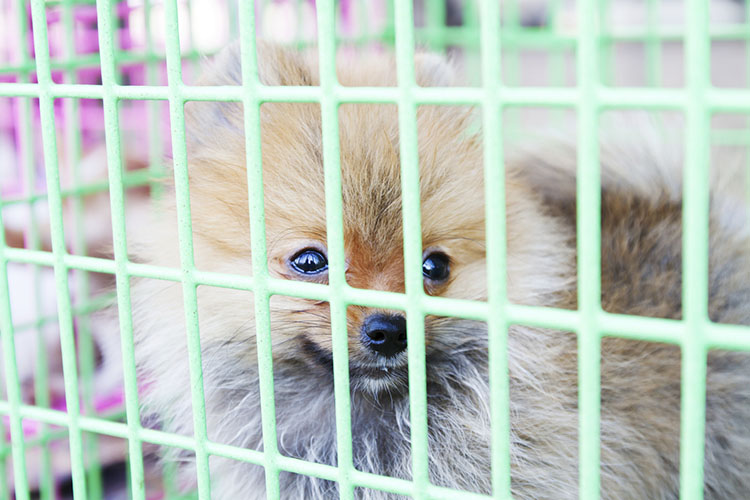
Every pet owner cringes when her veterinarian says, “You’ll need to rest your dog in a crate.” Your shoulders drop to your knees and you ask, “For how long?” Hopefully, it’ll just be a couple of days, but even that can feel like a lifetime for young and active dogs. Whether you have to crate rest your dog for a few days or couple of weeks, check out these crate rest tips that are sure to keep your dog mentally happy during recovery while maintaining your sanity.

Choose Comfortable Bedding

Make sure your dog has plenty of comfortable bedding. It’s quite uncomfortable lying on hard surfaces for an extended period of time. Comforters and blankets are OK, but it’s best to add a memory foam type of bedding in your dog’s crate first, then layer with sheets, comforters and blankets. If your dog gets hot easily, like our Rottweiler, look for a memory foam bed with a gel topper. This will keep your dog comfortable and cool.

To keep your dog’s bedding clean longer, toss an old towel on top of your dog’s bedding before serving him meals and food stuffed toys. Once your dog is finished eating, remove the towel and wash off any crumbs or debris.

Place the Dog Crate in a Corner

Location, location, location is so important. Even during crate rest, your dog wants to hang out with his people, so place his crate in the corner of your TV room. If you have small children, I recommend placing a portable fence around your dog’s crate to keep little fingers from poking at and disturbing your dog. I also highly recommend purchasing a second dog crate to keep in your bedroom at night. This way, your dog can sleep with you too while resting.

Keep Your Dog Mentally Stimulated

Since your dog is unable to move, he’s probably bored lying around all day. Remember, dogs don’t have TV or video games to keep their minds busy while their body recovers, so it’s our job to create mental games for them.

Crate Rest Activities

Divide your dog’s daily meal into four portions. Stuff each portion inside four different interactive toys. My favorite interactive toy is the Kong. All you need to do is sprinkle a few bits of kibble at the bottom of the Kong, then layer with a tiny bit of canned food. Continue layering the kibble and canned food like a cake until ¼ of your dog’s daily ratio of food is inside. Then, fill the other three toys the same way. Freeze all four toys overnight and keep in the freezer for best results.

Every six hours, give your dog a frozen food stuffed toy inside his crate, so he can lick away. It usually takes dogs anywhere between 20-45 minutes to empty a frozen Kong toy, which is equivalent to playing video games or solving a puzzle for the same amount of time.

In between frozen Kong-licking sessions, play a few games of “touch” or “find the treat” in your hand. To play “find the treat,” hold a treat in one hand and then hold both hands in front of your dog’s nose. Give him the treat when he sniffs the hand holding the treat. Check out “Crate Rest Games for Dogs” for more crate rest activities.

Take Your Dog Out to Potty on Leash

Always take your dog out to potty on leash. I recommend using a short leash that’s about six feet long. A short leash prevents your dog from running around or experiencing short bursts of zoomies because your dog is excited to be outdoors.

For potty breaks, put on your dog’s collar and attach your dog’s leash while he’s in his crate. I don’t recommend keeping a collar on your dog while he’s crated. I’ve had a dog get part of his collar stuck on his crate and he freaked out. I had to cut the collar off through the crate, as it was strangling him. Thank goodness I was home; I shudder to think about what could’ve happened if I were away.

Once your dog is leashed, walk your dog through the house and take him to his potty spot. When your dog’s pottied, bring him back indoors on leash and toss a treat in his crate. After he follows the treat, unleash him and close the crate door. Walking your dog through your home prevents slips and falls and keeps your dog from running around.

Stick to It, Don’t Fall for Those Sad Eyes

This is a big one! Every time you reward your dog’s sad eyes or whines by opening your dog’s crate and allowing him free time, you’re rewarding the wrong behavior. If your dog learns he only comes out of his crate when quiet, he will learn to remain quiet.

It’s not fair to your dog to allow him free access under strict crate rest; it’s just not worth the risk. While we hope nothing bad happens, in most cases (80% of the time) your dog will jump up, slip, fall or further injure himself. This statistic comes from Sobek’s orthopedic surgeon, which I found to be quite alarming.

Be strong. Keeping your dog quiet is the best thing for your dog. Just don’t forget to keep his mind active.

UP NEXT: Surviving the First Night With Your Puppy

Filed Under: Behavior, Health Tagged With: crate games for dogs, crate rest dog, crate rest for dogs, crating a dog after surgery, dog confined to crate rest, how to crate rest a dog, keep dog quiet in crate, surviving crate rest for dogs, tips for crate rest dog after surgery

Rotating Your Dog’s Food: Tips and Tricks

June 10, 2016 by Fanna Easter

Rotate Dog Food Like a Pro

Rotating Dog Food
pedphoto36pm/iStock

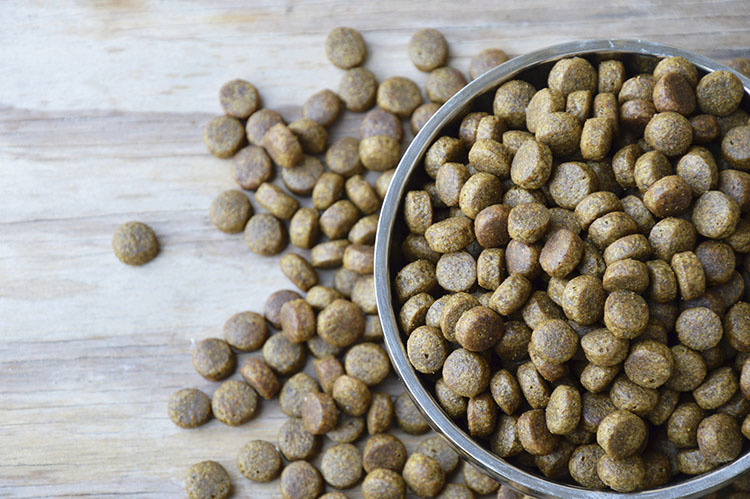
You’ve probably heard the benefits of rotating dog food and the benefits make total sense. Now, I’ve attempted to find hard facts and research on this subject, but there’s simply no research—at least that I could find—on the benefits of rotating different types of food in your dog’s diet. However, a rotation diet for dogs makes sense if you think about it. I know many holistic veterinarians, including mine, who highly recommend it.

Why Rotate Dog Food?

We all know the secret to a healthy life is eating nutrient-dense food that provides adequate amounts of vitamins and minerals. The best way to absorb different vitamins and minerals is by eating a diet with a variety of proteins, fruits, grains, vegetables and fats—we learned this in elementary school. With that idea in mind, it makes perfect sense to rotate food in the dog world too.

When pet owners rotate different proteins, carbs and fats in and out of their dog’s bowl every few months, their dog benefits by consuming and absorbing needed nutrients from a variety of dog food ingredients since each ingredient offers a different nutritional profile. Chicken contains higher levels of tryptophan than fish while organ meat has higher amounts of vitamins than flesh. By rotating your dog’s diet every couple of months, you’re ensuring your dog adsorbs different nutrients, which keeps food allergies at bay.

RELATED: Can Dogs Eat Mushrooms?

Which Dog Foods Should You Rotate?

Most veterinary nutritionists and holistic vets recommend rotating different proteins every couple of months for best results. You can switch proteins between one brand or, better yet, switch proteins within different brands of dog food. When you switch to a different brand, you’re exposing your dog to different carbs and fats that are sourced differently than if you had switched within a single brand of dog food.

To explain further, most dog foods source carbs and fats from the same place and add different flavors from their line of dog food as needed. By rotating a different brand of kibble, your dog is exposed to carbs and proteins sourced from a different area.

RELATED: Raw Dog Food: Not All Dogs Can Eat It

How to Switch Your Dog’s Food

Every 2 to 3 months, choose a high-quality kibble and slowly introduce it into your dog’s diet over a period of 7 days. Slowly add the new kibble into your dog’s diet with your goal as serving 50% new food and 50% old food by day 5. Continue to gradually increase your dog’s new food while decreasing the amount of old food until your dog is eating 100% of his new food.

Now, some dogs may need more time to adjust to a new food, so move slowly and don’t worry if it takes 10-15 days to switch over. Switching foods slowly prevents your dog from getting an upset tummy, so take your time. Also, adding probiotics to your dog’s diet will help the process a bit too.

Rotating Dog Food Might Not Work for All Dogs

Oh, did I learn this lesson the hard way! Always listen to your dog. Sometimes, it’s impossible to switch your dog’s food without causing weight loss or an upset tummy. If your dog can only eat a specific food due to allergies or an easily upset tummy (i.e. IBD, IBS), then there’s nothing wrong with feeding your dog the same diet every day. In this case, a rotation diet is not worth causing flare-ups.

Filed Under: Health Tagged With: changing dog's food, dog diet rotation, how to change dog's food, how to rotate your dog's food, how to switch dog food, rotating your dog's food, switching dog's food

Pros and Cons of Anesthesia-Free Dog Teeth Cleaning

May 25, 2016 by Fanna Easter

Anesthesia-Free Dog Teeth Cleaning

Dog Teeth Cleaning
Hans-Joachim Schneider/iStock

If you want to upset your veterinarian, tell her that you scale your dog’s teeth. As you watch smoke pour out of her ears, she’ll nonchalantly explain that scaling your dog’s teeth can make problems worse. Well, your vet has a point.

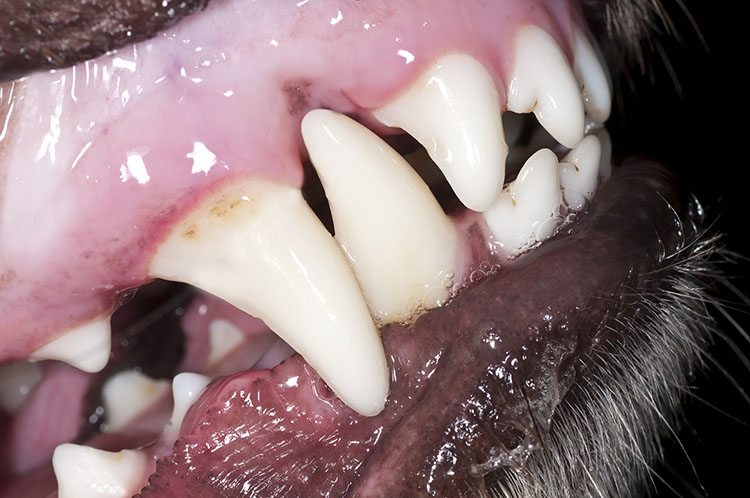
Anesthesia-free dog teeth cleaning is highly controversial within the veterinary world, so take a moment to understand that scaling your dog’s teeth is not an easy task. And your vet is right; your dog’s teeth will collect tartar quicker with anesthesia-free dental cleaning than a veterinary dental.

Why Most Vets Hate Anesthesia-Free Teeth Cleaning

Veterinarians see the aftermath. Dogs with torn gums, chipped or broken teeth, and tongue lacerations are common casualties of anesthesia-free dog dentals done either by a pet owner or as a service from a pet company. Yup, this all can happen within seconds of using sharp metal dental tools with little to no experience scaling dog teeth. Worse yet, pet owners don’t notice injuries until the pain is so unbearable their dog or cat refuses to eat.

It’s important to point out that dog dentals include much more than just removing plaque buildup on teeth. Some dogs have periodontal disease or need root canals or tooth extractions. Dogs break teeth. It’s actually very common regardless of age, and only veterinarians are able to detect and perform oral surgeries, which should always be completed under anesthesia. Plus, scaling dog teeth without polishing them creates a plaque magnet because plaque will build up quicker on uneven surfaces.

RELATED: Best Dog Toothbrush for Every Dog Size

But There’s Hope

For pet owners worried about putting their elderly or chronically ill dogs under anesthesia, it seems anesthesia-free procedures are gaining some ground within the veterinary world. Due to consumer demand, some veterinarians are now offering this service. The hard part now is getting your dog to comfortably allow his teeth to be cleaned.

Most dogs dislike the feeling or sound of metal scratching along their gum lines; some won’t tolerate it. Scaling a moving dog’s teeth is impossible and hence all the injuries from DIY dog teeth cleaning. Some dogs will patiently tolerate someone scraping and polishing their teeth, but this is the expectation—not the rule, unfortunately.

To determine if your dog is a good candidate for an anesthesia-free dog dental, allow your veterinarian to make that decision. Your vet will likely consider your dog’s personality and dental care needs before making that decision, so a good vet checkup is always needed beforehand.

What You Can Do at Home

Dog dentals are expensive. They can range between $100-$300, depending on where you live and the size of your dog. Once your veterinarian has thoroughly cleaned your dog’s teeth during a dental exam, keep plaque away with daily brushings and ensure your dog chews on toys and chewies that won’t harm his teeth or gums.

Filed Under: Health Tagged With: anesthesia free dog dental reviews, anesthesia free dog dentals, cleaning dog teeth DIY, how to clean your dog's teeth, scaling dog teeth, should you clean your dog's teeth

5 Grooming Tips For Short-Haired Dogs

May 20, 2016 by Fanna Easter

Grooming Short-Haired Dogs

Grooming Short-Haired Dogs

Short-haired dogs need grooming too! While it’s easy to assume short-haired dogs only require wash-and-go baths, they actually need a bit more. Short-haired dogs do shed. While their shedding coat doesn’t fall out in clumps during spring, it does slowly shed year-round.

Check out these 5 dog grooming tips that will keep your short-haired dog looking stunning regardless of the season. And be prepared for fellow short-haired dog owners to stop and ask, “How do you keep your dog’s coat so shiny?”

How Short is Short?

Just to make sure we’re on the same page, I classify short-haired dogs by their coat length. Short-haired dogs should have a coat length of 1 inch or shorter, and their hair should be very straight.

Examples of short-haired dog breeds are:

  • Rottweilers
  • Labrador Retrievers
  • American Pit Bull Terriers
  • Bull Terriers (Standard & Miniature)
  • Chihuahuas
  • Boston Terriers
  • Greyhounds

1. Invest in a Good Brush

Yup, short-haired dogs need to be brushed. Short-haired dogs need regular brushing with a really good brush made specifically for short hair. You’ll need a stiff bristle brush with bristles that are tightly pushed together to remove the maximum amount of dead hair. You can pick one up at your local pet supply store or, if you want to splurge on a super nice brush, I suggest Chris Christenson’s Original Ionic Brass Boar Brush (he has a nylon version too if the boar thing creeps you out). Use this brush for daily brushing on dry hair.

For baths, I highly recommend the Zoom Groom by Kong. For some reason, dogs tend to shed a bit more during a bath, so use this to your advantage. After applying shampoo to your dog’s coat, slowly brush in the direction of your dog’s coat.

2. Use a Gentle Dog Shampoo and Conditioner

Ideally, short-haired dogs should be bathed once a week. I know many old school dog owners still follow the timeless motto of “bathe your dog only when he needs it” rule, but I think times have changed. Dogs are sleeping in our beds now, going for walks and traveling with us; you’ve also got to remember they don’t wear shoes. Plus, bathing your dog weekly removes dead hair and dander and moisturizes your dog’s skin and coat.

Before bathing your dog, brush your dog thoroughly with a bristle brush first. This pre-bath step will help loosen and remove dead hair plus loosen dry skin flakes and dander, so shampoo can penetrate and moisturize your dog’s skin during the bathing process.

Choose a gentle and natural shampoo that rinses easily and leaves no residual stickiness behind. Check out this article on my favorite gentle dog shampoo and tips on washing your dog effortlessly.

Conditioner for Dogs

There’s a lot of debate on using conditioners on short-haired dogs’ coats. Personally, I think it depends on your dog’s coat needs. Also, conditioners have come a long way; they are no longer heavy oil-based concoctions that leave a greasy feeling after rinsing. Newer conditioners contain silk proteins, aloe and shea butter that moisturize your dog’s skin while leaving his coat feeling like soft, expensive suede.

For short-haired dogs, you’ll need light or leave-in conditioners that also protect your dog’s coat from the sun. My favorite is Chris Christenson’s Silk Spirits. It smells heavenly, can be used as a leave-in conditioner or rinsed out, and can be purchased on Amazon.

3. Keep Dog Nails Trimmed Short

While your dog is standing, take a look at his paws from the side. Nails should be touching the ground, which means you don’t hear tick-tick when he walks on hard surfaces. Long dog nails are painful, and will cause arthritis, so trim your dog’s nails weekly. Check out this article on trimming overgrown dog nails if your dog’s nails are way too long.

4. Keep Brushing Those Pearly Whites

I’m totally obsessed with canine dental hygiene; it’s something that can be easily prevented with daily brushings. Diseased teeth and gums not only smell bad and look horrible, but it can also cause heart and kidney disease too. If your dog’s breath smells, you’ll probably need to schedule a veterinary dental appointment. After your dog’s dental, keep his teeth clean with regular brushings.

RELATED: Best Dog Toothbrush for Every Dog Size

5. Spot-Check Pads, Ears and “Down There”

During your dog’s bath, take a look at your dog’s paw pads, ears and genital area too.

Paw Pads

Look for dryness, cracks or cuts on your dog’s paw pads and moisturize as needed. If your dog’s paws are dry and cracked, I would moisturize them with paw cream daily. For cuts, keep the area clean. If your dog is licking at the area or you notice his paw cut is getting worse, it’s time to schedule a vet visit.

Ears

Now, take a peek and sniff in your dog’s ears. You should see healthy light pink skin and your dog’s ears should be odor-free. If you see debris and it smells yeasty or foul in your dog’s ears, it’s time for a veterinary checkup.

“Down There”

Now, it’s time to look at your dog’s genital and anal area. 🙂 Female dogs, especially those spayed before one year of age, can develop brown residue around their vulvas. Don’t freak out. This residue can be easily and gently cleaned during their bath. For males, check the penis opening for healthy looking skin. If crust or redness is present, I suggest a vet checkup. Checking and cleaning your dog’s anal area is pretty important too. Dry fecal matter builds up in the area, which can irritate your dog’s skin. If you notice any discharge, swelling or lumps around your dog’s anus, I highly recommend scheduling a veterinary exam promptly. It could be anal gland issues or worse.

Now, you can certainly glam it up with spray glosses made for dogs, but that’s a whole other topic. Short-haired dogs can wear it all! 🙂

Filed Under: Grooming, Health Tagged With: bathing shorthaired dogs, best brush for a chihuahua, best brush for a pit bull, best brush for a rottweiler, best brush for shorthaired dogs, best shampoo for shorthaired dogs, brushing shorthaired dogs, grooming a chihuahua, grooming a pit bull, grooming a rottweiler, grooming shorthaired dogs, how often bath rottwieler, how often to bathe a pit bull

  • « Previous Page
  • 1
  • …
  • 14
  • 15
  • 16
  • 17
  • 18
  • …
  • 40
  • Next Page »

About

Dog Training Nation is a community of dog trainers, dog owners and dog lovers. Our mission is to provide trainers and owners valuable information to enrich dogs' lives. We cover a range of topics, from socializing puppies to dealing with aggressive dog behavior to selecting the best dog products. It is our hope you share our content to make the dog and owner world a better place.

​

Facebook

Video

Dog Training Nation is a dog training blog for pet owners and dog lovers. We cover a range of topics from puppy socialization tips to dog aggression to dog health. It is our hope you share our content to make the world a better place for dogs.

Dog Training Nation

Quick Links

Dog Training
Dog Behavior
Dog Training Videos
Become a Dog Trainer
About
Contact Us

Copyright © 2026 · Lifestyle Pro Theme on Genesis Framework · WordPress · Log in