Dog Training Nation

In Dogs We Trust

  • Home
  • Training
    • Dogs
    • Puppies
    • Clients
  • Behavior
    • Breeds
  • Health
  • Safety
  • Resources
    • Equipment
    • Books
  • Dog Training Videos
  • About
You are here: Home / Archives for Health

Best Dog Toothbrush for Every Dog Size

May 11, 2016 by Fanna Easter

How to Choose the Best Dog Toothbrush

Best Dog Toothbrush
jat306/iStock

Some people just might think I’m obsessed with dog dental care. I’ve written numerous articles, interviewed veterinary dentists, and discussed the topic in length during all group and private lessons. Your dog’s dental hygiene is just as important as yours. If left unchecked, it can cause heart and kidney disease from periodontal disease.

With that said, I’ve written oodles of articles and created videos on how to brush your dog’s teeth, which products work best and how to teach your dog to stand still during brushings. However, I’ve never discussed how to choose a specific toothbrush for your dog’s mouth. Believe me, size does matter!

Dog Toothbrush 101

  • Expect to change out your dog’s toothbrush every couple of months; look at the bristles and purchase a new one if they become frayed.
  • Dogs need their teeth brushed daily at best, and several times a week at a minimum.
  • Only choose very soft bristled dog toothbrushes. Medium or hard versions are just as harmful to your dog’s teeth as they are to yours. 🙂
  • Choose toothpaste made for pets only. Human toothpaste can be poisonous to your dog.
  • Personally, I’m not a fan of the double-sided toothbrushes–you know the ones sold in most pet supply places with a small toothbrush on one end and a large dog toothbrush on the other end? This type of toothbrush is just too long and cumbersome. Plus, they’re extremely expensive compared to human toothbrushes.

RELATED: Small Dog Dental Care Tips

Toothbrush for Small Dogs (1-20 pounds)

Little dogs have little mouths, and moving a toothbrush around in such a small space can be challenging. For dogs under 10 pounds, you’ll need a narrow toothbrush with a tiny handle. I highly recommend the C.E.T. Pet Toothbrush for a small dog (yellow handle) for tiny dogs. It has enough bristles to brush tiny teeth and the handle is narrow, so it fits in small dog mouths.

For dogs over 10 pounds that have larger teeth, I recommend a very soft bristled children’s toothbrush. You can find them at your local grocery store or pharmacy center.

Toothbrush for Medium Sized Dogs (20-45 pounds)

While this category ranges widely in size, medium sized dogs usually have good sized teeth for their size. For smaller mouthed dogs, such as some Terriers, a very soft bristled children’s toothbrush works best.

For larger dogs in this category, search for an adult toothbrush at your local grocery store or pharmacy center. As you’re looking through toothbrush options, look for a small to medium sized head toothbrush, which usually has a round shape. Round-shaped medium sized head toothbrushes usually narrow between the brush and handle, which works great for medium sized dogs. Don’t forget to choose a very soft bristle option.

Toothbrush for Large Dogs (45-80 pounds)

Depending on the size of your large dog’s mouth, choose a medium to large sized oval head toothbrush. These options usually narrow between the head and handle, which makes navigating between teeth much easier. When in doubt, choose one size smaller.

Now, some large dogs have huge mouths, such as a Lab and smaller Rottweiler. For these guys, choose a rectangular brush head option that slightly tapers on the corners. These toothbrushes are slightly larger than the oval option, which works for large mouthed dogs.

Toothbrush for Extra Large Dogs (80+ pounds)

While it seems like brushing a Rottweiler or Saint Bernard’s teeth would be super easy, it certainly has its own challenges for sure. Choose a wide rectangle brush option with a sturdy and wide handle. Extra large dogs have big teeth, so you’ll need lots of bristles to clean each tooth thoroughly and a wide handle to navigate a large mouth.

Most massive dogs drool; and, when brushing their teeth, they drool even more, which makes grasping a medium or small toothbrush very difficult. Additionally, brushing your huge dog’s teeth with a small toothbrush can be hazardous, as it can slip from your fingers and be easily swallowed by your dog.

Choosing the right sized toothbrush for your dog’s mouth size will speed up brushing plus leave teeth pearly white!

YOU MAY ALSO LIKE: Easiest Way to Clean Your Dog’s Teeth

Filed Under: Grooming, Health Tagged With: best toothbrush for dogs, dog toothbrush, dog toothbrushing tips, how to pick a toothbrush for your dog, toothbrush for chihuahua, toothbrush for very small dog, toothbrush medium size dog, toothbrush rottweiler

What to Do When Your Dog is Sprayed By a Skunk

May 9, 2016 by Fanna Easter

Removing Skunk Smell From Your Dog

Dog Sprayed By Skunk
bobloblaw/iStock

I will never forget the first time my dog was sprayed by a skunk; the smell was so intense I literally thought we had an electrical fire in our home. My poor dog was walking around sneezing, yet I had my husband in the attic looking for the fire. I can laugh now, but fresh skunk smell can take your breath away.

Once we realized it was our poor dog that smelled, we put her in the tub to bathe her beard. Of course, it would be our full-bearded Bouvier to be the dog sprayed by a skunk, and it was midnight. Poor girl, I shampooed her long beard and mustache with anything I could find, and it still stunk.

Getting Rid of Skunk Smell

Since this happened at night, we tried a homemade skunk smell removal recipe at first. It removed ¼ of the smell, but Nature’s Miracle removed the rest of it. Afterwards, a faint skunk odor would still be present whenever she got wet from playing in the rain. However, my sense of smell is my superpower. I can track like a Bloodhound.

How to Make Your Own Skunk Smell Remover

After bathing my poor dog several times with dog and human (I know I’m not supposed to, but it stunk so bad) shampoo, I grabbed my computer and searched online. A simple de-skunk recipe popped up over and over, so I gave it a try. Seriously, it was the middle of the night and our house smelled awful; I had to do something.

Recipe for Homemade Skunk Smell Remover

In an empty bottle, or large bowl in our case, mix the following ingredients together:

  • A bottle (1 quart) of 3% hydrogen peroxide
  • ¼ cup of baking soda
  • 1 teaspoon of liquid dishwasher detergent (we used Dawn)

Squirt or pour the skunk smell remover over the skunked area several times, making sure to avoid your dog’s eyes. We used a cup around our dog’s muzzle. Rub the mixture into the coat, especially for long-coated areas.

Next, shampoo the mixture out of your dog’s coat. Apply a tearless dog shampoo and rub thoroughly into your dog’s skin and fur. Rinse and repeat by shampooing your dog’s coat again just to make sure this mixture is completely removed.

Nature’s Miracle Skunk Remover

Once stores were open the next day, I popped in and grabbed any product that promised to remove that awful smell. Apparently I smelled like skunk too because the young cashier wrinkled her nose, as I embarrassingly paid for these products and slinked out the door.

There were a couple of products that worked pretty well, but Nature’s Miracle Skunk Remover did the trick for us. Follow the directions, don’t dilute the mixture, pour it straight onto your dog’s affected coat and allow it to sit. Rinse and repeat. You’ll probably need to repeat the process 3-4 times to remove the maximum amount of skunk smell.

Don’t Let It Happen Again

An important step is to make sure skunks don’t spray your dog again. When this happened, we lived in an extremely rural area and the skunk refused to move. She made a nest adjacent to our backyard and was determined to raise her children there too! If you’re lucky, the skunk that sprayed your dog is miles away by now.

Well, I wasn’t going out there to chase the skunk away, so I placed sturdy exercise pens (portable metal fences) diagonally 10 feet from her nest, which is the furthest a skunk can spray. Then, I covered these portable fences with old outdoor carpet, so the dogs couldn’t see her. And yes, our dogs ran to the fence every time they went outside, but she didn’t spray them. After a week, she moved on. Maybe we were loud neighbors.

I’m sure you’ll never forget your first encounter with skunk spray! 🙂

YOU MAY ALSO LIKE: Why Do Dogs Eat Poop?

Filed Under: Grooming, Health Tagged With: de-skunk dog, dog skunk, dog smells like skunk, dog sprayed by skunk, dog sprayed by skunk in face, how to get skunk off a dog, how to prevent dog from skunk, how to remove skunk smell dog, how to remove skunk smell puppy, nature's miracle skunk odor remover review, remedy for skunk odor removal, remove skunk odor from dog, what gets rid of skunk smell dog

Dog Elbow Callus Treatment: Products That Work

May 6, 2016 by Fanna Easter

How to Get Rid of Calluses on Your Dog’s Elbow

Dog Elbow Callus
Decent-Exposure-Photography/iStock

We’ve never had an issue with elbow calluses on our dogs until we moved into a home with ceramic tile. After living in our home for two weeks, I noticed our Rottweiler was developing rough spots around his elbows. We needed to address the calluses on his elbows quickly.

What are Dog Elbow Calluses?

Basically, elbow calluses develop mostly around the elbow area and sometimes hocks (back legs). These calluses are dry, scaly, hairless and firm. Some calluses are dark brown and black, and others are gray; it depends on your dog’s skin and how long your dog has had a callus. Just like humans, calluses are caused by skin coming into contact with something rough or hard repeatedly. Over time, rough skin forms and, if left untreated, become a callus.

Some pet owners refer to dog calluses as pressure sores, but I think there’s a huge difference. If left untreated, some dog elbow calluses will crack and bleed, causing a lesion (sore). If a pressure sore is left untreated, it will likely become infected. If your dog’s calluses are oozing or bleeding, I would schedule an appointment with your veterinarian to rule out any issues.

Preventing Dog Elbow Calluses

Preventing a callus from forming on your dog’s elbows is a tough one. Lying on soft bedding will prevent calluses, but some dogs prefer cool tile to an expensive orthopedic bed. 🙂 Trust me, I’ve been there! My Rottie has multiple cushy beds scattered around our home, but he prefers to lie on cool tile, especially during warmer months. During colder months, calluses seem to disappear because dogs will choose to lie on warmer, softer bedding.

During warmer months, instead of prevention, I jump straight into treatment, which prevents calluses from getting out of hand.

Dog Elbow Callus Treatment

Thankfully, there are tons of treatments for dog elbow calluses out there that work. I’ll share a few products I’ve personally used with great success as well as products that didn’t work out too well and why.

What Has Worked

I’ve tried tons of products, and these products worked the best!

The Blissful Dog Elbow Butter

By far, this product has worked the best. The Blissful Dog Elbow Butter is packed into tubes that resemble huge chapstick containers. Just pull off the long plastic cap, twist the bottom of the tube to push the product upward and apply generously. After having dabbed Elbow Butter all around my dog’s elbow callus, I began to rub the product onto his skin. Using your fingers, gently massage the product into the callus. As you’re rubbing, you’ll feel different callus layers; make sure to rub the product between these layers. In the beginning, I apply Elbow Butter twice a day–in the morning and before bed. After a week, you’ll notice your dog’s callus soften, so apply once a day going forward. Elbow Butter is made of all-natural ingredients, so it’s completely safe if your dog licks the area.

Good Old Petroleum Jelly

Petroleum jelly is tried and true; it will soften most calluses pretty quickly. Generously apply petroleum jelly (Vaseline) to your dog’s calluses and rub it in. Massaging the product into calluses is an important step. You need to reach all areas of a callus, and not just the top surface area. Apply every 12 hours for a week, and then keep the area soft with daily applications.

One negative about using petroleum jelly is it will leave the area feeling and looking greasy, which can transfer onto your flooring. However, with a low price point, I think it’s an easy issue to look over.

Products That Didn’t Work Very Well

These dog elbow callus treatment products just didn’t work well for my dogs and client’s dogs.

Coconut Oil

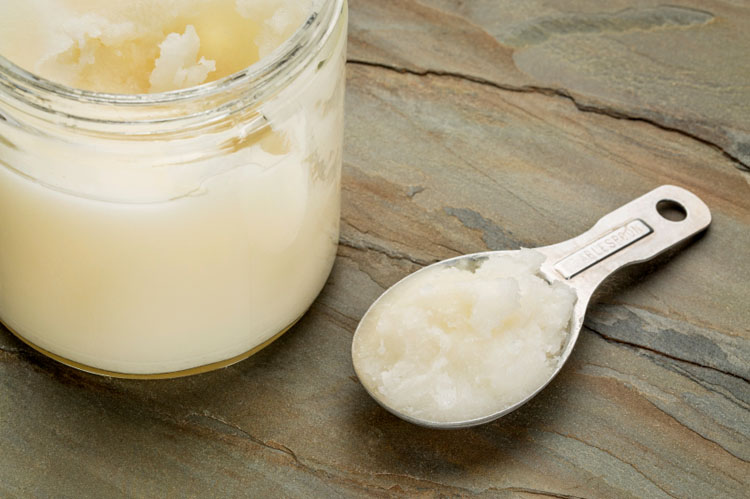
Coconut oil believers swear this is a miracle product, but I didn’t have good luck using it as a dog elbow callus treatment. It’s super greasy even after rubbing it into the area for 2-3 minutes. Plus, it smells lovely, meaning my Rottie just licked it all off his elbow. If the product is removed from an area, it doesn’t have a chance to moisturize. Also, excessively licking can cause lick granulomas. Yuck!

Vitamin E

Many pet professionals swear rubbing vitamin E oil onto dog calluses works great. Well, I didn’t have such luck. It was extremely greasy and left a weird residue. And just like coconut oil, my dogs were attracted to the smell and licked every bit off my Rottie’s elbows.

Regardless of which product you use, start moisturizing your dog’s elbow calluses sooner rather than later for quicker results.

Filed Under: Grooming, Health Tagged With: blissful dog review, dog callus removal, dog callus treatment, dog elbow butter review, dog elbow callus, dog elbow callus cream, dog elbow callus treatment, dog elbow calluses treatment, natural products for dog callus

When Giving Your Dog Coconut Oil, Always Listen to Your Dog

May 4, 2016 by Fanna Easter

Coconut Oil for Dogs

Coconut Oil for Dogs
marekuliasz/iStock

When the coconut oil for dogs craze started, I did not immediately jump on the bandwagon. In fact, I was extremely skeptical. People were putting coconut oil in their hair and their dog’s hair, claiming it cured allergies and was an excellent weight loss/gain product. I watched and listened to pet owners’ results over the years, which seemed to vary greatly.

Then, I decided to give my dogs coconut oil after moving to an extremely dry climate. I did notice a difference, but there’s one huge obstacle to be aware of when starting to give dogs coconut oil. I’m not a veterinarian; I’m a concerned pet owner and dog trainer who will do anything to provide the best for my dogs. With that said, here’s my story and honest opinion about coconut oil for dogs.

It Worked Well, But There’s a Learning Curve

We recently moved to a desert environment. Our previous home was located in the damp and extremely humid South. My dogs and I struggled with the vast climate change, and my Rottweiler started shedding beyond words. His skin, nose and pads were extremely dry, so I decided to give coconut oil a try.

Using Dr. Karen Becker’s recommended dosage of coconut oil for Sobek’s weight (more than 100 pounds), he would need 1-2 tablespoons per day. As with any supplement, I started introducing very small amounts slowly during one meal per day. During the first week, I gave Sobek  ¼ teaspoon of coconut oil once a day during his evening meal. We were trucking along well, so after seven days, I increased the amount to ½ teaspoon for another week. After the second week of feeding coconut oil, I increased his amount to ½ teaspoon during both his AM and PM meals. Sobek was actually starting to look really good. He was filling out a bit, which was an accomplishment in it and of itself since it was extremely difficult to add weight on his slim physique. However, his dry skin was still there and his shedding continued, but he had more energy. Wonderful, right?

Well, here’s where the learning curve kicked me in the teeth. I was too focused on the end goal of 1-2 tablespoons per day, so I continued to increase his daily supplementation slowly. When we reached 1 teaspoon for each meal (twice a day), I noticed Sobek had digestive issues, such as loose stool and upset tummy. We were nowhere near his recommended dosage amount and he was already showing digestive discomfort. Hmm, did I move too fast? Was it too much? What happened?

Listen to Your Dog, Too Much Fat is Painful

Poor Sobek, I immediately reduced his coconut oil dosage to 1/2 teaspoon and limited the frequency to once a day. After a couple of days, and several Pepto tablets, he luckily felt much better. I had continued feeding this amount for a couple of weeks, then increased it to 1/2 teaspoon of coconut oil for each meal. If I tried to increase this amount ever so slowly, he would have digestive issues. Finally, I listened to Sobek and realized 1 teaspoon per day is what his body needs.

Coconut oil dosage varies wildly, so I recommend listening to your dog and sticking with an amount that agrees with him. When increasing amounts, move slowly and watch your dog’s poop and body language. If your dog acts differently and/or his poop becomes soft, immediately reduce the amount. If your dog doesn’t feel better within a day or two, you’ll need to schedule an appointment with your veterinarian.

Many pet owners are focused on the end goal and not what their dog’s body needs. Always listen to your dog. I learned a tough and stinky lesson! 🙂

YOU MAY ALSO LIKE: Turmeric for Dogs

Filed Under: Health, Resources Tagged With: coconut oil dogs, coconut oil puppies, how much coconut oil to feed puppy, how much to feed coconut oil dogs, how to feed coconut oil to dogs, tips on feeding coconut oil dogs

Free Feeding or Scheduled Feeding Dogs: Which Is Best?

April 25, 2016 by Fanna Easter

Free Feeding vs. Scheduled Feeding Dogs

Dog Feeding Tips
David Baileys/iStock

The debate between free feeding and scheduled feeding dogs has gone on for decades, and many pet professionals have very strong opinions on both sides. Personally, I think it depends on your dog’s needs and your schedule. Yes, I’ll probably receive hate mail for recommending free feeding, but if done correctly, it is safe and works for some dogs.

What is Free Feeding and Scheduled Feeding?

Free feeding means pouring your dog’s daily ration of food into his bowl once daily. Lately, free feeding has earned a terrible reputation because it’s been misunderstood by pet owners and most certainly contributed to dog obesity. Plus, not all dogs can be free fed.

Scheduled feeding means feeding your dog’s recommended amount of food at predetermined times of the day. Most dogs are fed in the mornings and afternoons, but puppies should be fed 3-4 times a day, depending on age and size. In general, I would say most younger dogs need scheduled meals, as they’ll likely gobble up all the food poured into their bowl.

Dog Feeding Recommendations

Here are a couple of dog feeding recommendations on when free feeding or scheduled feeding works best. While a pet owner’s schedule is taken into consideration, when to feed your dog really depends on your dog.

Only Feed Recommended Daily Amount of Food

This is a big one, and the single reason free feeding has earned such a horrible reputation. Depending on your dog, you may need to split his recommended food amount into scheduled meals.

Free Feeding

When free feeding, many pet owners erroneously top off their dog’s food bowl throughout the day, which adds a ton of unneeded calories that causes canine obesity. Instead, look on the side of your dog’s bag of dog food to find his recommended daily amount of food for his weight. Every morning, pour your dog’s recommended amount of food into his bowl, and he’ll likely graze on it throughout the day.

Scheduled Feeding

If you notice your dog’s daily recommended amount of food is gone by mid-afternoon or he instantly gobbles it up as food hits the bowl, you may want to split this amount into halves and feed in the morning and night. No one wants to go to bed hungry, so if this happens, your dog should be fed scheduled meals.

Feeding Large Breed Dogs

For the most part, large breed dogs and puppies eat a lot of kibble throughout the day, so scheduled feedings are recommended. Some giant breeds of dogs require 6-10 cups per day, so never free feed this large amount, especially if your dog gobbles up his food. Inhaling this large amount of food not only is painful, but can also cause gastric dilatation volvulus (GDV), which occurs when a dog’s stomach fills with food, fluid or air, and expands like a massive balloon. If untreated immediately, GDV will quickly result in death.

For large dogs and puppies that require a lot of food, some pet owners feed them several times a day by splitting their daily meals into 3-4 portions. These portions can easily be poured into a food dispensing toy, frozen with a bit of canned food in Kongs for quick midday snacks and served along with morning and afternoon scheduled meal times.

Feeding Tips for Multiple Dog Households

Scheduled feedings are best when two or more dogs live in the household. When free feeding two dogs, pet owners are unaware how much food each dog is consuming. Plus, one free fed dog usually eats most of the food while the other free fed dog is left hungry–that’s not fair and can be harmful for both dogs. If both dogs eat different diets, free feeding opens up opportunities for the other dog to eat prescription food not intended for him, which can also cause harm. On another note, when feeding multiple dogs during scheduled feeding times, observe all dogs eating to ensure one dog doesn’t bully the another dog for his food and all dogs are eating their food. When a dog doesn’t eat his meal, this usually indicates illness, so keep an eye out during meal times.

Feeding Puppies

As mentioned before, puppies need to eat more often, so scheduled feedings are recommended. Follow your veterinarian’s feeding schedule recommendations.

Canned Food

Skip canned food for free fed dogs. Canned dog food will start growing bacteria quickly. Now, I’m not saying you shouldn’t give your dog canned food; just give him a dollop in the evening as a special treat, but don’t leave it out. Scheduled fed dogs will probably gobble up canned food, and it’s a great way to encourage free fed dogs to eat on schedule. 🙂

Not Recommended For Cooked or Raw Diets

While this is common sense, I thought it should be mentioned. Leaving raw or cooked food out all day is not only harmful for your dog, but for you too. All raw or cooked meals should be fed during scheduled meal times.

Filed Under: Health Tagged With: food grazing dog, free choice food dog, free feeding dog, free feeding vs schedule feeding puppies, how often to feed dog a day, how often to feed large dog, leaving food out all day for dog, schedule feeding dogs

  • « Previous Page
  • 1
  • …
  • 15
  • 16
  • 17
  • 18
  • 19
  • …
  • 40
  • Next Page »

About

Dog Training Nation is a community of dog trainers, dog owners and dog lovers. Our mission is to provide trainers and owners valuable information to enrich dogs' lives. We cover a range of topics, from socializing puppies to dealing with aggressive dog behavior to selecting the best dog products. It is our hope you share our content to make the dog and owner world a better place.

​

Facebook

Video

Dog Training Nation is a dog training blog for pet owners and dog lovers. We cover a range of topics from puppy socialization tips to dog aggression to dog health. It is our hope you share our content to make the world a better place for dogs.

Dog Training Nation

Quick Links

Dog Training
Dog Behavior
Dog Training Videos
Become a Dog Trainer
About
Contact Us

Copyright © 2026 · Lifestyle Pro Theme on Genesis Framework · WordPress · Log in