Dog Training Nation

In Dogs We Trust

  • Home
  • Training
    • Dogs
    • Puppies
    • Clients
  • Behavior
    • Breeds
  • Health
  • Safety
  • Resources
    • Equipment
    • Books
  • Dog Training Videos
  • About
You are here: Home / Archives for Health

Treating Persistent Staph Infections in Dogs

February 24, 2016 by Fanna Easter

Staph Infections in Dogs

Staph Infection in Dogs
kamontad123/iStock

Sometimes, dogs have persistent skin infections that just won’t go away. Biopsies are done, antibiotics are given and an infection returns once antibiotics are completed. It’s a vicious cycle. Sometimes, it takes months or even years to finally resolve those dog skin infections.

Well, I stumbled upon a few sound suggestions for pet owners fighting staph infections in dogs and thought sharing these health tips may help at least one of your dogs.

Understand, I’m not a veterinarian. Please use these tips as talking points during your next vet visit.

What to Do If Your Dog Has a Staph Infection

Ask for a Referral

Here’s the deal: general practice veterinarians see a broad base of cases each day. They’re fantastic at what they do because they’re working the front line and see everything. Plus, general vets can rule out common causes of skin issues, which is an important step toward staph infection treatment.

Sometimes, general practice vets need to refer clients to veterinary specialists who have a specific specialty, such as dermatology, orthopedic surgery, cardiologists, oncology and behavior. Think about it this way: If your general practitioner doctor is unable to resolve an issue, or not comfortable doing so, he will refer you to a specialist. It’s important to understand you’re not losing a connection with your general practice vet; you’re just reaching out to a specialist who will work alongside your regular vet.

If your dog’s skin infection isn’t responding to treatment, there’s nothing wrong with asking for a referral. For a staph infection in dogs, ask for a veterinary dermatologist. If your dog has a persistent infection on a surgical site, your veterinary orthopedic surgeon or internal medicine veterinarian can help you.

RELATED: How to Tell If You Have a Smelly Dog

Try Staphage Lysate Injections

Having a Bull Terrier, I’ve learned a ton about dog skin infections because it’s quite common in the dog breed, including Bull Terrier mixes. Fortunately, I’m able to keep Stella’s chronic yeast infections in check, but some Bull Terrier pet owners aren’t so lucky.

Some fight dog skin infections caused by staphylococcal bacteria, which some veterinarians call MRSA or MRSP (more common in dogs). These dog skin infections are resistant to most antibiotics.

Several pet owners fighting these resistant staph infections in dogs highly recommend Staphage Lysate (SPL) injections, which works by “enhancing the patient’s immune responses to staphylococcal species.” SPL injections are prescribed by veterinarians and have provided much needed relief from pyoderma.

Add Medicated Dog Shampoo

When fighting any type of staph infection, it’s always a good idea to apply medicated dog shampoo or solutions differently to the affected area. Your veterinarian can tell you which medicated dog shampoo is best for your dog’s specific type of staph infection with a biopsy. Make sure to bathe and apply topicals per your vet’s recommendations. Don’t skimp on this part of the protocol. It’s extremely important to use every tool possible to fight persistent bacteria.

A highly recommended product from several pet owners is Dakin’s Solution, which can be found in most drug stores. Dakin’s Solution contains different dilutions of bleach, one of which your veterinarian can recommend is the best option for your dog. Also, you can make your own solution if your veterinarian agrees. Check out this recipe.

Hopefully, these tips help spark a new conversation between you and your veterinarian and your dog finds relief soon.

YOU MAY ALSO LIKE: How to Make Bath Time Fun for Dogs
Filed Under: Grooming, Health Tagged With: dog skin infections, dog staph infections, dog's skin won't heal, pyoderma dog, tips for dog staph infections

How to Tell If You Have a Smelly Dog

February 22, 2016 by Fanna Easter

Does Your Dog Stink?

Common Causes of Smelly Dogs

Smelly Dog
Sjale/iStock

Healthy, bathed and well-fed dogs smell pleasant. They don’t have an offensive odor. Even when wet, dogs should have no odor. However, if your dog stinks, it’s time to put on your detective hat and find out why your dog smells.

Plaque Buildup

Look in your dog’s mouth. If you’re not brushing your dog’s teeth, this could be a source of foul odor. Plaque builds up on your dog’s teeth and it completely covers the area with a putrid odor if not brushed in the early stages. When plaque builds up, gums become inflamed and infected, making the smell even worse. Also, broken or infected teeth will smell horrible. When in doubt, bring your dog to the vet for a complete checkup and dental.

Lip Fold Pyoderma

This happens when your dog’s lower lip folds horizontally onto itself, trapping moisture and food particles. It’s most common with loose-skinned or long-coated dogs, and it smells terrible. Unfortunately, there’s no permanent fix, but pulling the skin forward and washing the area with a medicated shampoo will prevent bacteria from growing and smelling.

I highly recommend washing your dog’s lip fold pyoderma twice a week if it isn’t infected. If the area is infected, consult with your vet and wash the area daily and pat dry. With moderate to severe cases of lip fold pyoderma, some dogs will scratch at the area and rub it along flooring and furniture, which causes further inflammation and bleeding.

Stinky Ears

Take a peek in both of your dog’s ears, and then give each of them a good sniff inside. Healthy ears should have no smell and the skin should look normal. Inflamed and infected ears can smell musty, sour or putrid, and usually have red, brown or black discharge. Plus, infected ears are extremely painful. If your dog pulls away, don’t forget the issue. Make an appointment with your veterinarian immediately. She can sedate your dog to examine and medicate his painful ears.

Skin & Coat

Run your hands along your dog’s coat, checking for any irritation. Look between each paw pad, at your dog’s neck, at his belly and at his genital area. Hot spots, which are moist lesions, can pop up quickly and they reek. Certain yeast skin infections have a musty smell like dirty socks. Plus, yeast and bacterial infections are usually accompanied by irritated skin, dark brown debris and sometimes itchiness. All dogs are different; so, when in doubt, ask your vet.

If your dog has dry, flaky skin and a distinct doggy odor, try feeding him a high quality diet. Similar to us, dogs are what they eat and some foods can cause a wet dog smell and lackluster coat.

Anal Glands

No one really talks about anal glands until her dog has an issue. Anal glands are located on both sides of your dog’s anus and contain foul-smelling liquid. Sometimes, when dogs are scared, they will express their anal glands. If you’ve ever experienced it, you know the smell very well. Examine your dog’s rear for any swelling, discharge or dried fecal matter. If something doesn’t look normal, schedule a vet appointment.

If your dog stinks, look for the reason. If you find nothing, schedule an appointment with your vet. It’s time to take your detective work a bit further.

Filed Under: Grooming, Health Tagged With: dog lip fold pyoderma, dog lip pyoderma, dog lip stinks, my dog stinks, smelly dog, stinky dog, why does my dog stink

It’s Time to Trim Those Overgrown Dog Nails

February 17, 2016 by Fanna Easter

How to Trim Overgrown Dog Nails

Astakhova/iStock
Astakhova/iStock

Look, it happens, I know! You have every intention of trimming your dog’s nails weekly, but other things pop up. And soon, you look down and notice long, curved daggers sticking out from your dog’s paw. Well, it’s time to address your dog’s long nails. Overgrown dog nails are extremely painful for your dog and it will only get worse if you don’t trim them soon.

Dog nails become overgrown for two reasons: dogs hate having their nails trimmed or the pet owners haven’t trimmed them.

If Your Dog Hates Nail Trims

If your dog hates nail trims, then check out this series on teaching dogs to tolerate nail trims. Please don’t force your dog to endure this process. It will only worsen his fear, which makes it more difficult the next time you trim his nails. Practice each dog nail trimming session with lots of rewards. Within a week, you’ll be clipping your dog’s nails back.

If You Just Haven’t Trimmed Them

Grab lots of super yummy treats or smear peanut butter inside a heavy plate. Now, grab your dog nail clippers and septic powder. Plan to clip your dog’s nails back during your first session. If you trim too much nail, then you’ll end up quicking them (bleeding). And know, quicking your dog’s nails is extremely painful and will cause him to hate nail trims.

When trimming dog nails, look for the hollow area (usually at the tip) under your dog’s nail. If it’s hollow underneath, then you can trim this portion off. When viewing your dog’s nail underneath, you’ll notice a gray gummy substance. This is the quick. Never trim the quick. By trimming the hollow part, the gummy substance (quick) will recede back toward the paw.

Create a Schedule

Your goal is to trim your dog’s nails to an acceptable length, which means nails don’t touch the ground when your dog is standing. For overgrown dog nails, you’ll need to clip long nails weekly. This gives the quick time to recede toward the paw.

Once your dog’s nails are finally at an acceptable length, keep trimming back his nails on a weekly basis. If you skip a week or two, your dog’s nails will start touching the ground. Dog nails grow quickly, so weekly maintenance is needed.

Make It Fun

This is so important. Give your dog lots of treats before and after trimming his nails. I literally give my dog a treat as I reach for his foot, and then another yummy treat after I trim a nail. Basically, you can’t reward this behavior enough!

Say no to tick tick nails clacking on your hardwood floors forever. Trim your dog’s nails weekly!

Filed Under: Grooming, Health Tagged With: cutting long dog nails, cutting long dog toenails, dog claws too long, dog nails too long, long dog nails, tips on trimming long dog nails, trim overgrown dog nails, trimming dog too long nails, trimming long dog nails

Best Water Filters for Dog Owners

February 10, 2016 by Fanna Easter

Choosing the Right Water Filter For Your Dog

Best Water Filters
Chalabala/iStock

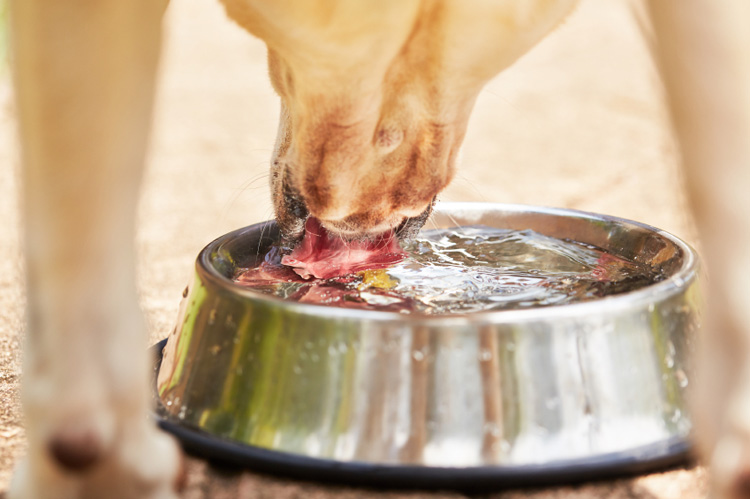
Choosing to provide your dog with filtered water is a personal decision. As a general rule, if pet owners are drinking filtered water, then their dogs probably should too. With so many different types and brands of dog water filters, it can be hard to choose the right one to buy for your dog. Below, I share tips on choosing a water filter that benefits you and your dog. And yes, I’ve used each one of these personally.

Types of Dog Water Filters

Reverse Osmosis Water Filter

By far, reverse osmosis water filter system is the easiest way to get filtered water. It’s basically always available. Pet owners can purchase reverse osmosis units from local hardware stores and install themselves. If you’re not particularly handy, there are companies that can install the system for you.

Pros

  • Continuous supply of filtered water.
  • Filters are changed yearly.
  • Easy installation and access to new units from local hardware stores.
  • Works great for larger dogs or homes with multiple dogs.
  • Great tasting water.

Cons

  • Units can cost between $150-$300.
  • Filters can cost $50-$80.

Carbon Water Filters

Carbon water filters are available in many different formats. Some attach to kitchen faucets, some are built into refrigerator water systems and others are attached to water containers. All varieties can be easily found at your local hardware center or large retail chain.

These products contain carbon filters, which remove some harmful bacteria, chemicals and trace metals. Some brands remove fluoride and chlorine while others don’t, so always research each brand before purchasing. If you have large dogs, a carbon water filter is neither cost nor labor effective. As for taste, I think the reverse osmosis system does a much better job.

Pros

  • Water filters and replacements are easy to find and purchase.
  • Extremely easy installation.
  • Price is low to moderate, depending on unit purchased. (Under $50.)

Cons

  • Doesn’t remove all harmful bacteria, chemicals, fluoride and chlorine.
  • Must replace filters often; sometimes monthly.
  • Neither cost nor labor effective for large dogs or multiple dog homes.

Dog Water Fountains

Yes, there really are dog water bowls that filter water continuously! I was a bit skeptical at first, but having dogs that refuse to drink water if a blade of grass was floating in it, I purchased one immediately.

Dog water fountains contain carbon filters and water is constantly recycled through the attached water filter. Not only is tap water filtered, but water is also automatically filtered after your dog drinks, removing grass, dirt, hair or whatever else your dog may have come into contact. Keep in mind, some water filters can be noisy, which can scare some dogs away from the water bowl.

My favorite dog water fountain brand is Drinkwell Zen Fountain by Petsafe. I highly recommend stainless steel or glass bowls because they’re less likely to cause allergic reactions (see details here). Having a large dog, it’s difficult to find bowls that my dog doesn’t trip over or take up too much space in my home. However, the Drinkwell Zen Fountain bowl was a great solution for this problem. For homes with multiple small dogs, I highly recommend the Drinkwell 360 Multi-Pet Stainless Steel Fountain.

Pros

  • Products are easily accessible online or at large pet retailers.
  • Extremely easy installation. All you have to do is fill the bowl with water, then plug it in.
  • Most dogs enjoy drinking from it; you’ll soon notice dogs licking water from the running fountain.

Cons

  • Cost ranges between $50-$110, depending on the size you choose.
  • Water filters need to be replaced often; sometimes monthly for large dogs or multiple dog households. Costs range between $5-$10.
  • You have to add water to the fountain daily. If water levels dip, the system will make a horrible sound, which can scare dogs. Plus, it will ruin the device.
  • Some dogs refuse to drink out of them. I had one dog that refused to walk into the kitchen once we installed our fountain, so choose a quiet version.

Regardless of the water filter you choose, providing your dog with filtered water is the right thing to do!

Filed Under: Equipment, Health, Resources Tagged With: best dog water fountain, best water filter, best water filter for dogs, dog water dispenser, dog water filter fountain, dog water purifier, giving your dog filtered water, pet water fountain, petsafe water fountain, should you give your dog filtered water, water filters dog

Should Dogs Drink Filtered Water?

February 8, 2016 by Fanna Easter

Tap Water vs. Filtered Water for Dogs

Filtered Water for Dogs
oneinchpunch/iStock

Providing your dog with clean water daily is a must, but some pet owners swear filtered water is better for their dogs. Should dogs drink filtered water? This is a tough question. Water supplies are strictly regulated per EPA standards, so it should be safe. However, the water crisis in Flint, MI, happened, which turned everything upside down. Personally, my dogs drink filtered water, but I know many healthy dogs that drink tap water, so it depends. I remember drinking from an outside hose as a child and I’m fine. 🙂

What’s So Bad About Tap Water?

Tap water has many additives, which keeps it safe from bacteria and chemicals. Now, I’m not worried about certain bacteria, such as E. coli, as dogs eat rotten animals and their own feces. But fluoride, which is added to all public water systems, and traces of heavy metals can cause health issues in the long run. Don’t forget, water systems contain chlorine too.

Fluoride is an extremely controversial subject pertaining to dogs. Many veterinarians feel it’s safe while others say it causes harm. We can all agree that consuming trace metals is not a good thing. So, if you’re concerned, I recommend offering your dog filtered water instead.

RELATED: 6 Tips to Help Your Dog Lose Weight

When to Provide Filtered Water

As a general rule, if you’re concerned enough to filter your own drinking water, then your dog should drink filtered water too. Also, provide your dog with filtered water if/when:

  • Traveling: You don’t know what’s in hotel water or the last time the faucet was cleaned. Besides, you should always bring plenty of water from home when traveling to prevent your dog from having loose stool due to a change in water.
  • Well water is the only option: Before providing well water to your dog, make sure it’s been tested for bacteria and chemicals that find their way into water sources. Also, check your well water for pH too.
  • Your dog is sick: If your dog is undergoing chemotherapy or fighting a serious infection or virus, provide filtered water.

Regardless of your decision, always choose what’s best for your dog.

YOU MAY ALSO LIKE: The Truth About Dog-Friendly Hotels

Filed Under: Health Tagged With: dog filtered water, dog purified water, puppy filtered water, puppy purified water, should you give dog filtered water

  • « Previous Page
  • 1
  • …
  • 17
  • 18
  • 19
  • 20
  • 21
  • …
  • 40
  • Next Page »

About

Dog Training Nation is a community of dog trainers, dog owners and dog lovers. Our mission is to provide trainers and owners valuable information to enrich dogs' lives. We cover a range of topics, from socializing puppies to dealing with aggressive dog behavior to selecting the best dog products. It is our hope you share our content to make the dog and owner world a better place.

​

Facebook

Video

Dog Training Nation is a dog training blog for pet owners and dog lovers. We cover a range of topics from puppy socialization tips to dog aggression to dog health. It is our hope you share our content to make the world a better place for dogs.

Dog Training Nation

Quick Links

Dog Training
Dog Behavior
Dog Training Videos
Become a Dog Trainer
About
Contact Us

Copyright © 2026 · Lifestyle Pro Theme on Genesis Framework · WordPress · Log in