Dog Training Nation

In Dogs We Trust

  • Home
  • Training
    • Dogs
    • Puppies
    • Clients
  • Behavior
    • Breeds
  • Health
  • Safety
  • Resources
    • Equipment
    • Books
  • Dog Training Videos
  • About
You are here: Home / Archives for Health

How To Stretch Your Dog’s Neck

October 30, 2017 by Fanna Easter

Dog Stretching Exercise for Neck Injuries

Dog Stretching
Nebojsa/Adobe Stock

It’s official: My dog has a muscular neck injury. The last six years of trying to determine the exact cause of my dog’s neck injury has proven to be fruitless. Our veterinarian thinks there are many causes that have resulted in this injury. Stella is a Miniature Bull Terrier; so, when hucklebutting through our home, she does bounce off the walls.

While this issue has festered off and on, it’s gotten much worse lately. She started having daily muscle spasms that sent her hiding under our bed. Even with rest and pain medication, her spasms have continued.

Thankfully, we partnered with our veterinarian and a holistic veterinarian who specializes in chiropractic and acupuncture care to find a cure. Neck stretches are our daily homework now. Our holistic vet was adamant about how to perform these dog stretching exercises, so I’ll share them with you!

First, Ask Your Veterinarian

Dog neck injuries are very serious. Your veterinarian must thoroughly examine your dog before adding neck stretches into her daily routine. Some dogs have slipped discs and nerve damage that will worsen with neck exercises and stretches, so rule out major issues first.

Fortunately, Stella’s neck issue is muscle related. Bi-weekly chiropractic and acupuncture adjustments, coupled with stretches and heat therapy, have been extremely beneficial.

How to Stretch Your Dog’s Neck

Use yummy treats, such as chopped up hot dogs or cheese chunks, and place a large treat chunk about an inch from your dog’s nose.

  1. Slowly move the treat toward your dog’s left shoulder and give her the treat.
  2. Now, grab another treat and lure your dog’s nose toward her right shoulder, then give her the treat.
  3. Place another treat on your dog’s nose and slowly raise the treat up and over her head to extend her neck fully upright, then give her the treat.
  4. Lastly, hold a treat between your dog’s front legs (at her mid-chest), so your dog bows her head downward.

All dogs (and humans) have different ranges of motion, so resist the temptation to overstretch (move head further up, down or over). Refrain from holding or lengthening a stretch for too long, as this will be painful and cause muscle spasms. Once your dog’s head is in place, quickly give her a treat and move onto the next stretch.

How Often You Should Stretch Your Dog

Our chiropractic veterinarian recommended doing dog stretching exercises followed by a warm compress for 15 minutes every day. Usually, we complete neck and shoulder stretches in the evening, so we can get comfy while placing a warm compress across Stella’s neck and shoulders.

Results

Fingers crossed, Stella is doing well! Since starting acupuncture, chiropractic adjustments and stretches, my dog has not had a muscle spasm and is off all pain medicine. (Knock on wood!)

WATCH: Dog Stretching Exercises for Neck Injuries

Filed Under: Health Tagged With: canine stretching exercises, dog health, dog neck stretches, dog stretching, dog stretching neck, dog training, Dog Training Tips, how to teach a dog, how to train a dog, neck exercises for dogs, ROM neck dog, teach a dog, train a dog, using food for dog next stretches

My Experience With DMSO for Dogs

October 18, 2017 by Fanna Easter

DMSO for Dogs That Suffer From Chronic Pain

Pain Relief for Dogs
Callalloo Twisty/Adobe Stock

Osteoarthritis is inevitable as dogs age, but it can develop at a much younger age in large dog breeds. Since dogs are living much longer, arthritis pain prevention products are growing rapidly to meet the demand of aging dogs. As a professional dog trainer, who’s been around the block a few times, I was introduced to an older arthritis remedy that works amazingly well. This remedy is great for muscle pain in dogs too!

Dimethyl Sulfoxide (DMSO) Liquid

During a chiropractor and acupuncture visit, our holistic veterinarian recommended applying DMSO to my Rottie’s arthritic wrists. I’ve never heard of DMSO before, but it is pretty popular within the horse community.

DMSO is closely related to MSM (methylsulfonylmethane), which is well known for its anti-inflammatory benefits and pain relief. MSM is usually taken orally, and can be absorbed through the skin. In contrast, DMSO is a topical product and is only applied to the skin.

DMSO for dogs directly relieves pain of an affected area by blocking the pain. It also helps heal the area quickly. Many veterinarians recommend DMSO for dogs with chronic injuries, osteoarthritis, muscle pain, inflamed tendons and swelling.

How to Use DMSO for Dogs

Wear gloves and apply DMSO liquid directly to inflamed areas, as recommended by your veterinarian. While our vet warned our dogs’ breath might smell garlicky after application, I did not notice a single odd odor and I have a very good sense of smell.

While applying to my Rottie’s wrists, I noticed an immediate heating sensation within the area and could feel the heat increasing through my gloves. A few drops of DMSO splattered onto my forearms, which felt hot and tingly, but I didn’t experience any skin irritations.

After spending 10-15 minutes applying the product, my Rottie fell sound asleep for hours. Before, Sobek would refuse to play and now he’s bouncing around like a young dog. One major benefit of DMSO for dogs is it’s applied topically, reducing oral NSAIDs that can negatively affect stomachs and organs.

If your dog suffers from chronic pain, give DMSO a try. 

Filed Under: Health Tagged With: chronic pain dogs natural solution, DMSO for dogs, does DMSO work for dogs, how to apply DMSO to dogs, muscle pain natural remedy, natural pain relief for dogs, pain medication for dogs, pain relief for dogs

Discolored Dog Teeth: What Should You Do?

October 16, 2017 by Fanna Easter

Treating Discolored Teeth in Dogs

Discolored Dog Teeth
Janet Wall/Adobe Stock

Dogs can develop periodontal disease and injure their teeth just like humans. Damaged dog teeth hurts! Despite being stoic creatures that can easily hide their tooth pain, dogs are definitely hurting.

One dog dental problem you may encounter is discolored teeth in dogs. Discolored dog teeth could be a sign of a more serious health problem and should not be ignored. If your dog’s teeth are discolored, it’s time to take a peek inside her mouth and jump into action.

Monthly Mouth Exam

The first step to preventing painful tooth issues is taking a good look into a dog’s mouth. Once a month, look into your dog’s mouth and examine each tooth carefully. While dog teeth are stronger than human teeth, they are still susceptible to injury, which is why it’s so important to take a look into your dog’s mouth often.

When looking at your dog’s teeth, keep an eye for:

  • Tooth discoloration
  • Brown or black streaks running horizontally or vertically along a tooth
  • Bleeding or receding gums
  • Lacerated gums
  • Misaligned teeth
  • Lesions
  • Foul odor

If your dog is uncomfortable having her mouth open for a dental exam, teach your dog to say “ah.”

Ask An Expert

If any issues are noted, take a picture of the tooth and show your veterinarian. Usually, a vet will complete a thorough examination and recommend a dental cleaning or refer you to a veterinary dentist.

Sometimes, veterinarians recommend a “wait and see” protocol. Remember, damaged dog teeth are painful for your dog, so ask for a referral to a veterinary dentist for a second opinion. Be persistent because damaged teeth won’t improve without medical treatment.

Veterinary Dentist

Veterinary dentists are veterinarians that are board certified in animal dentistry. These experts are trained to successfully repair dog teeth using the latest dentistry practices available. Plus, they’re able to identify a damaged tooth quickly and offer options, such as root canals, crowns and removal, if needed. Many pet owners notice an increase in friskiness in their dogs after damaged teeth are addressed because their source of throbbing pain has been removed. It never hurts to ask for a second opinion from an expert. Be your dog’s advocate.

Never ignore discolored dog teeth and always consult an expert.

Filed Under: Health Tagged With: black dog tooth, chipped dog tooth, discolored dog teeth, discolored dog teeth tips, discolored teeth in dogs, dog dental issue pain, dog dental problems, dog health, dog teeth broken, dog teeth look dirty, dog teeth problems, dog training, Dog Training Tips, root canal dog

Is Your Dog’s Black Coat Turning Red?

October 13, 2017 by Fanna Easter

5 Reasons Why Your Dog’s Black Coat Turns Red

Dog Coat Turns Red
bwolski/Adobe Stock

There’s nothing more beautiful than a healthy dog’s deep black coat—it glows from within. Depending on a dog’s breed, a black coat should have a blue-black hue when viewed in bright light. Of course, soft undercoat is usually a bit lighter than a dog’s regular coat, but overall a black coat should be glossy with minimal odor. Sometimes, a dog’s black coat (and dark gray coats too) can develop a red tinge over time, which can happen for numerous reasons.

1. Sun Exposure

By far, sun exposure is the most common reason why a black coat turns red. Sun exposure bleaches hair, including human hair. As a licensed cosmetologist, I’m very familiar with hair color. When dark-colored hair is exposed to sun (or chemical bleach), it turns red before turning yellow. Dark hair is packed with pigment, so it takes a long time for dark hair to turn yellow (unless lots of chemical bleach is used :)).

Since the sun shines downward, most dark-colored dogs develop red tinges on their backs, ears and tail. Longer hair is more porous because it’s older, turning red quicker even when it’s not in the sun. During winter months, most dogs’ coats will darken again due to limited sun exposure.

Many professional dog grooming products offer detanglers that also contain sunscreen for fur, which will protect fur from damaging sunrays. Follow the product’s instructions carefully and apply often.

2. Saliva

When dogs continually lick a specific spot, pet owners will notice a dark rusty color develop. Saliva is especially noticeable on white dog coats, but it happens to dark dog coats too. If your dog is licking a specific spot often, schedule an examination with your veterinarian. Licking is not always allergy related; some dogs lick due to pain caused by tummy or back issues.

3. Blowing Coat

Twice a year, dogs will blow out their coats. All dogs shed, regardless of their coat length, and will lose their soft undercoat. Medium- and long-coated dogs’ undercoats are usually lighter in color and can appear red-tinged during dog shedding season. As soon as you start brushing your dog daily, your dog’s dark coat will usually darken up nicely because all of the red-colored undercoat will have been removed.

4. Diet

Sometimes, a dog’s diet can play a part in turning his black coat red. All dogs should eat a high quality diet, but certain diets don’t work for all dogs. If your dog is not shedding, is not ill or has limited sun exposure, then consider changing your dog’s diet to cooked or raw food. Also, try different high quality kibble to find what works best for your dog.

5. Illness

When older dogs develop a red-tinged coat, it’s time for a thorough veterinary visit. Senior dogs should have blood work and a physical exam completed every six months to catch potential issues before they become a major issue. Ask your veterinarian about adding fish or hemp oil to your dog’s diet to help his coat if no health issues are identified. It’s possible your dog may be in need of additional supplements to boost his immune system. I recommend Standard Process, as it offers the best nutritional supplements out there.

Filed Under: Health Tagged With: black dog coat turns red, black dog looks red, black dog turning red, black dor gur turning brown, dog fur turning rust color, dog grooming, dog hair changing colors, dog has red hint in fur, dog health, dog training, Dog Training Tips, how to keep a dog's coat black, my dog's coat is changing colors, red tinge to black dog coat, red tinge to dog's coat

Review: Most Cost-Effective Hemp Oil For Dogs

October 2, 2017 by Fanna Easter

Hemp Oil Brands for Dogs of All Sizes

Hemp Oil for Dogs
brszattila/Adobe Stock

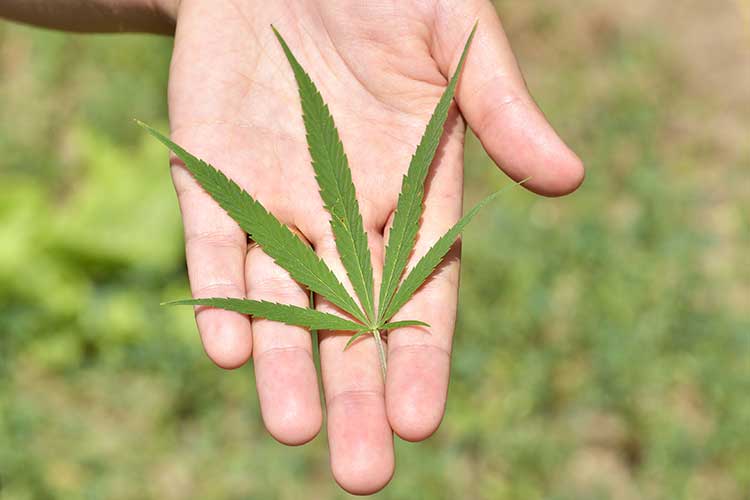
Hemp oil provides amazing results for many dogs with arthritis, seizures and anxiety. However, with so many brands of hemp oil made specifically for dogs, it’s tough finding a quality product that really works. For pet parents, searching for the best hemp oil for dogs is like finding a tiny needle in a massive haystack.

To help make your search a little easier and narrow down your options, here’s my brand recommendation for dogs of all sizes (even extra large ones).

Hemp Oil Recommendation for Small Dogs

Many holistic veterinarians recommend RX Vitamins For Pets – HempRX due to its effectiveness. HempRX is available by veterinary prescription only, and it’s a bit pricey for larger dogs. One bottle costs $100 and lasts two months for a 25-lb dog. This product is not very cost-effective for large or extra large dogs, but it works great for smaller dogs.

HempRX is available as a liquid. Use the dropper provided to add the recommended dosage to your dog’s meals each day. Ask your holistic vet for a recommended dose for your dog’s size and needs, as dogs with chronic issues usually require higher doses. Regardless of the high price tag, this hemp oil brand really works.

Hemp Oil Recommendation for Large Dogs

Sharing your home with a large dog can get quite expensive quickly. Extra large dogs usually need two different sizes of heartworm medications per month and human size medication prescriptions, which means pet owners are spending twice the amount of money. With hemp oil, costs will add up even faster.

So far, the most cost-effective brand for large dogs is Treatibles. This product offers hemp oil in liquid capsule form. When the pill is punctured, you’ll find that the liquid has a bright yellow color and strong odor. If you opt to open the pills and sprinkle on your dog’s food instead, protect your countertops because this product may stain. Follow dosage directions for your dog’s size and needs, and consult a holistic veterinarian with any questions.

Hemp oil for dogs is certainly worth the price, but make sure you’re choosing products that work!

WATCH: HempRX and Treatibles Hemp Oil For Dogs Review

Filed Under: Health Tagged With: best hemp oil brand for large dogs, best hemp oil brands, cannabis for dogs, dog anxiety, dog health, dog training, Dog Training Tips, hemp oil dog, hemp oil for dogs, hemp rx review, rx vitamins for dogs reviews, treatibles for dogs, treatibles review

  • « Previous Page
  • 1
  • 2
  • 3
  • 4
  • …
  • 40
  • Next Page »

About

Dog Training Nation is a community of dog trainers, dog owners and dog lovers. Our mission is to provide trainers and owners valuable information to enrich dogs' lives. We cover a range of topics, from socializing puppies to dealing with aggressive dog behavior to selecting the best dog products. It is our hope you share our content to make the dog and owner world a better place.

​

Facebook

Video

Dog Training Nation is a dog training blog for pet owners and dog lovers. We cover a range of topics from puppy socialization tips to dog aggression to dog health. It is our hope you share our content to make the world a better place for dogs.

Dog Training Nation

Quick Links

Dog Training
Dog Behavior
Dog Training Videos
Become a Dog Trainer
About
Contact Us

Copyright © 2026 · Lifestyle Pro Theme on Genesis Framework · WordPress · Log in