Dog Training Nation

In Dogs We Trust

  • Home
  • Training
    • Dogs
    • Puppies
    • Clients
  • Behavior
    • Breeds
  • Health
  • Safety
  • Resources
    • Equipment
    • Books
  • Dog Training Videos
  • About
You are here: Home / Archives for Health

How to Stop Your Dog From Eating Cat Poop

October 7, 2015 by Fanna Easter

Stop Your Dog From Litter Box Snacking

How to Stop Dog From Eating Poop
minoandriani/iStock

Dogs think cat poop is like cupcakes. They must have the cat poop and must have it now! I know it’s beyond disgusting and, unfortunately, I’ve never met a dog that could resist it. Cat poop is sometimes called “doggie crack” or “canine chocolate,” but I’m sure you’re just wondering how to stop your dog from eating cat poop, right? Well, I got you, and I’ll share tips that really work.

Why Do Dogs Like Cat Poop?

It’s a mystery why dogs are drawn to cat poop. We can speculate that the cat’s high protein and fat diet is appealing to dogs, but we really don’t know for sure. What I do know is allowing your dog complete access to the litter box will only make it worse. Let’s get started on how you can keep your cat’s litter box safe from canine scavengers.

How to Stop Dogs From Eating Cat Poop

Place Litter Box Up High

Find an area where your dog is unable to reach and set up your cat’s litter box there. Some pet owners set up their kitty’s litter box on top of the washing machine or dryer, and it works for some. I would probably discourage placing the litter box on top of these machines, as cats can be very finicky about their potty areas. I’m sure trying to potty during the spin cycle can be a bit alarming. 🙂

If you’re handy, build a raised study platform with plenty of room for your cat’s litter box. Add an easy-to-clean surface and additional square footage, so your cat can walk, turn around the litter box and exit either side of the box. Another benefit of a raised litter box is it’s super easy to scope–no more bending over.

RELATED: How to Stop Your Dog From Eating Cat Food

Set Up a Barrier

Most pet owners find setting up a baby gate with a tiny access door built into the side of a gate provides cats easy access to their litter box while keeping the dog out. Just make sure your barrier is super sturdy and your cat can easily access his litter box when needed. If he can’t reach his litter box, he’ll use your plant dirt or whatever else is close by as his litter box and that’s a whole other issue.

Keep It Clean

Removing fecal matter right after it happens is the best way to keep your dog from eating cat poop. If you’re home, it’s a super fix. If you work away from home, I highly recommend having a raised litter box or placing the litter box behind a barrier.

Dog Litter Box Solutions That Don’t Work

Everyone has tips, but I’ll be extremely honest the below ideas just haven’t proven to work. If you’ve had success with them, you’re extremely lucky, so rejoice!

Enclosed Litter Boxes

For some reason, we feel that enclosing a cat’s litter box will keep our dogs from eating cat poop, but it’s just not true. I’ve witnessed numerous dogs carefully reach their heads inside the flapping door and eat their hearts out. Some exuberant pooches even end up wearing the top portion of the enclosed litter box, as a party hat. 🙂

Stool Deterrents

This is usually the first step most pet owners are given once they’ve discovered their dog eats cat feces. However, stool deterrents don’t work. Stool deterrents are added to your cat’s meal with the hope they’ll provide a nasty taste to cat feces. Um I would think cat poop would already taste awful, but I’ve yet to see this tip work. Again, if it has worked for you, bravo!  You are super lucky. You may want to play Powerball on the way home today. 🙂

Punishment

Fussing at your dog when he’s caught raiding the cat’s litter box doesn’t work. Punishment will only teach your dog to quietly eat cat poop or only raid the litter box when you’re not around. If your dog is found eating cat poop, pledge to do better by moving the litter box away from your dog’s reach.

You may also like: Do Dog Chew Deterrents Really Work?

Filed Under: Health Tagged With: do stool deterrents work, dog cat poop, dog eating cat poop, stop dog eating cat feces, tips to stop dog eating cat feces, tips to stop puppy from eating cat poop, why dogs eat cat feces

How to Stop Your Dog From Eating Cat Food

October 6, 2015 by Fanna Easter

Keeping Your Dog From Eating Your Cat’s Food

Dog Eating Cat Food
humonia/iStock

If you share your home with dogs and cats, your dog eating cat food is probably a very common issue. Dogs love cat food. It smells better due to its large protein and fat content, and it’s usually sprayed with additional fats to entice finicky cats to eat it. Basically, cat food tastes and smells much better than dog food, so what’s not to love, right?

Well, cat food is terrible for dogs. Cats require higher protein and fat levels, so cat food can make most dogs very sick, especially if eaten long-term. As you probably already know, upset tummies, horrible gas and dreaded diarrhea usually follow occasional cat food raids if you’re lucky. Some dogs even require emergency veterinary care soon after.

How to Stop Your Dog From Eating Cat Food

In a perfect world, dogs would possess tremendous willpower to turn their noses away from tempting cat food, but it’s not going to happen. Can you always turn away from pizza, cupcakes, fried food or Doritos? It’s impossible. Prevention is key.

Store Cat Food High

Keep your cat’s food up high, so it’s out of your dog’s reach. Feed your cat on top of the washing machine, dryer or table, or create a kitty feeding station about five feet high, depending on your dog’s size. Your cat’s feeding area should be safe and in an easily accessible area. Please, refrain from feeding your cats on a moving washing machine and dryer—either turn it off or feed when not in use.

For older cats, create ramps made with non-skid or carpeted material. If made correctly, 90 percent of dogs won’t be able to scale a kitty ramp due to their size and agility. However, small dogs can easily figure it out, so it’s best to add a baby gate to keep them out.

RELATED: Teach Your Dog How to Use a Ramp

Prop a Gate

If your dog is persistent and cat food is out at all times, it’s best to block your cat’s feeding area with a baby gate. Some dogs will spend hours trying to figure out how to scale the dryer. They’re determined to indulge in cat food. I firmly believe, if given plenty of opportunities, dogs will figure it out.

Choose a sturdy baby gate that can be easily hopped over by your cat. Most baby gates offer small openings made especially for cats to easily fit through, yet keep most dogs out. Sturdy is key because your dog may be able to and will push it down.

Hide Cat Food Bag

Cat food bags can easily be hidden behind closed doors. This will prevent most doggy gorging sessions. For persistent dogs, keep cat food in a tightly lidded container and place in a high cabinet with a closed door.

What Doesn’t Work

Punishing your dog while he’s swallowing mouthfuls of cat food doesn’t work. You may think punishment works, but in reality dogs will learn how to access cat food when you’re not around. They’ll learn punishment only happens when you’re around. Plus, most dogs will learn to eat cat food faster, as you approach because they know you’ll take it away. Punishment may seem to work at first, but it’s a slippery slope that usually backfires every time. Also, punishment can most certainly destroy the bond between you and your dog. Management and prevention work.

You may also like: Can Dogs Eat Mushrooms?

Filed Under: Health Tagged With: dog eats cat food, dog won't stop eating cat food, how to keep dog away from cat food, how to keep dog out of cat food, how to stop a dog from eating cat food, how to stop a large dog from eating cat food, how to stop a small dog from eating cat food, how to stop puppy from eating cats food, is cat food bad for dogs, is it bad for a dog to eat cat food, is it okay for dog to eat cat food, keep dog out of cat food, puppy eats cat food, why do dogs like cat food, will cat food hurt a dog

Can Dogs Eat Mushrooms?

October 5, 2015 by Fanna Easter

No, Don’t Feed Your Dog Mushrooms

Can Dogs Eat Mushrooms?
leonardo sandon/Deposit Photos

Can dogs have mushrooms? The simple answer is no. Let’s look back at a recent event surrounding mushrooms and dogs.

I’ve been following Dwayne “The Rock” Johnson after he adopted two French Bulldog puppies. In the very beginning, it was a pretty bumpy ride, as both Frenchies decided to try out the swimming pool. One swam and the other didn’t. Luckily, “The Rock” saved them both and no one was harmed—just a little wet.

Then, Brutus, one of his Frenchie puppies, was hospitalized due to the ingestion of mushrooms. Unfortunately, the best veterinary care was unable to save Brutus and he crossed into Heaven last night.

This story got a hold on me. It’s horrible. It’s been 24 hours and I still can’t shake it, so I’m going to discuss mushroom poisoning in dogs. Keep in mind I’m not a veterinarian, but only a seasoned dog trainer and pet owner. If your dog ate a mushroom in the backyard recently, check out these tips. I’ll share the actions I take when my dogs are exposed to mushrooms.

Which Mushrooms are Toxic to Dogs?

To everyday dog owners, wild growing mushrooms look the same. They usually sprout in shaded damp areas lifted off the ground by a stem. Most mushrooms have short or long stems and different types of tops, and can grow in clusters or individually.

[perfectpullquote align=”full” cite=”” link=”” color=”” class=”” size=””]It’s important to understand toxic mushrooms are impossible to identify. All mushrooms look alike.[/perfectpullquote]

How to Prevent Mushroom Poisoning in Dogs

We don’t have an issue with wild growing mushrooms in dry Texas, but when visiting my family in south Louisiana, they’re everywhere. I highly suggest following these recommendations to keep mushroom exposure to a minimum.

Remove Mushrooms From Yard

Before turning our dogs loose in my mother’s large yard, we survey the area for mushrooms, fence gaps and large rodent holes (armadillo dens are very common in Louisiana). Any and all mushrooms are immediately picked up and discarded into a closed lidded trashcan away from the yard. Of course, animal den entrances and fence gaps are closed because Stella (Terrier) will push her way through. 🙂

Practice “Leave It”

Our dogs are always supervised while playing in the yard, so we can promptly ask our dogs to “leave it” if they stumble upon mushrooms. Honestly, practicing “leave it” daily is so important. You never know what’s hidden in your yard that day. Carry treats in your pocket for impromptu dog training practice sessions when your dog encounters mushrooms, discarded trash, sticks and so forth.

Keep Mushrooms From Growing

Mushrooms thrive on dead and decayed wood, so remove all decayed wood and tree limbs immediately. Also, mushrooms mostly grow during the fall season, so keep your peepers open and don’t forget to remove all those dead leaves quickly.

Keep Dogs Leashed During Walks Away From Home

By keeping your dog next to you, even during leisurely walks through the woods, you’re reducing the chances of unknown ingestion of mushrooms or any other harmful materials. If your dog wanders up to growing mushrooms, ask him to “leave it” and reward with treats from your pocket.

RELATED: What Human Foods are Bad for Dogs?

What If Your Dog Eats a Mushroom

Prevention is key, but sometimes dogs will quickly eat mushrooms, so swift action is needed immediately!

  • Leash or pick up your dog.
  • Grab any remaining mushrooms and put them in your pocket (keep picked mushrooms away from your dog).
  • Immediately bring your dog to the emergency clinic. Don’t forget to bring along your plucked mushrooms as reference. This will help narrow down treatment for your dog.
    • If you live far away from a vet, contact Pet Poison Control (855) 764-7661 immediately. These veterinary experts specialize in ingestion of toxic materials and will advise you on the next steps and tips to induce vomiting if recommended. Plus, these folks are available 24 hours seven days a week.

Never practice a wait-and-see attitude after your dog eats mushrooms. There’s a 50/50 chance he’ll become sick or, even worse, the ingested mushrooms are indeed poisonous.

Let’s learn from little Brutus’ short life on earth. Keep your dog safe from poisonous mushrooms.

You may also like: Can Dogs Eat Eggs?

Filed Under: Health Tagged With: can dogs eat mushrooms, can dogs have mushrooms, mushroom dog, mushroom poisoning in dogs, mushroom puppy, mushroom toxic to dogs, poison mushroom dogs

What Human Foods are Bad for Dogs?

October 1, 2015 by Fanna Easter

Dispelling Myths About Human Foods for Dogs

Foods Bad for Dogs
Indigofish/Deposit Photos

Human foods for dogs is a hot topic, which is why I’d like to dispel a few common myths surrounding bad food for dogs. I’ll also go over human foods we already know are bad for dogs just as a refresher.

Human Foods for Dogs

Myth: Bones

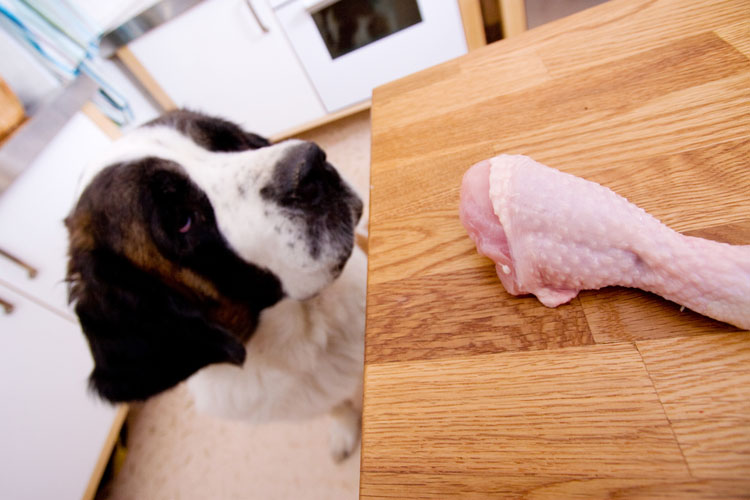
So many times, I hear well-meaning dog owners delicately explain to others that animal bones are considered poisonous to dogs. Believe it or not, raw bones are harmless when given in its natural state. Cooked bones, however, are an accident waiting to happen inside your dog. Cooking bones removes all moisture and causes bones to splinter, which can cause internal bleeding and obstructions. They’re also extremely difficult to digest, so most are either vomited or get caught while passing through the digestive tract. Now, picture these brittle and sharp blades passing along tissue. You can most certainly understand why cooked bones are extremely harmful.

Raw bones are soft, bendable and free of hard ends because their moisture is rich. When given with meat, raw bones are easily chewed, preventing them from getting stuck in a dog’s digestive track. Raw chicken wings and necks are the best examples of perfect bone-to-flesh ratio. They’re easy to chew, swallow and pass out the other end. 🙂

I’m not saying everyone needs to feed his dogs raw bones, but I want to make sure everyone is aware that raw bones are good and cooked bones are bad.

Myth: Raw Meat

Raw meat is actually great for your dog. It’s not poisonous. Healthy dogs and puppies digest raw fresh meats easier than kibble. With the huge dog food recall in 2007, may dog owners cringed when another kibble was on the bad list. Most recalls were due to tainted outsourced ingredients, causing hundreds of dog deaths.

Lately, many dog foods are still recalled due to bacteria hidden deep within kibble and raw meat. Understand that healthy dogs can deal with many strains of bacteria. I mean think about it: many dogs eat their own poop and survive. 🙂 When I say healthy dogs, I’m referring to dogs free of disease, as disease can most certainly cause acute reactions to bacteria since their immune system is depressed.

Most bacteria-infested recalls are for our safety, so we’re aware of their hidden dangers. Ground products are more susceptible because bacteria can easily hop in mixtures whereas whole meats (steaks, chicken wings and turkey necks) may have bacteria on the surface (which can be easily rinsed off), but the inside is completely safe.

Kibble is not immune to bacteria. Remember bacteria love hopping and hiding in ground meats, including fruits, vegetables and grain mixtures. Even though kibble is cooked, bacteria are still present. Hence, so many kibbles listed on dog food recall lists.

If you decide to feed a raw diet, you should take precautions, such as washing your hands after feeding, disinfecting surfaces and maintaining cleanliness. Unfortunately, we’re more susceptible to bacteria invasions than our dogs.

RELATED: Homemade Diets for Dogs

Fact: Chocolate, Onions, Avocados & Grapes

Now that a few human food for dog myths have been dispelled, let’s review a few common human foods that are truly toxic to dogs. It’s important to keep chocolate, onions, avocado and grapes (even raisins) away from our dogs. Pits from stoned fruit are another hazard because they’re indigestible and can cause obstructions. Also, pits will break your dog’s teeth, as they’re rock hard.

Fact: Fried Foods

Fried foods are horrible for dogs. Most dogs eat lean diets. Dogs that eat kibble keep their fat intake below 20 percent. Tossing fried chicken skin, fatty parts of meat and other fat-filled foods can send your dog’s digestive system into red alert.

When working as a vet technician many years ago, I painfully remember a Chihuahua that died after eating one slice of Pizza Hut pizza. Think about it: if you’re not used to fatty foods and I bring you down to Louisiana and pump you full of gumbo and fried seafood, your stomach will hurt and it’s your pancreas that takes the hit. Pancreatitis is extremely painful and can kill humans and dogs alike.

Fact: Xylitol

Another human food deadly to dogs, even in small amounts, is xylitol. This stuff is an artificial sweetener found in most sugarless processed foods, including chewing gum. This stuff is so deadly to dogs that my husband switched to another brand of chewing gum without this awful stuff. Yes, dogs have died after consuming as little as half a stick of xylitol gum. Also, keep your dogs from snatching chewed gum on sidewalks. You never know if it contains xylitol and it’s gross. 🙂

We’ve not only busted a few myths, but we’ve also reviewed common human foods that are bad for dogs. If something happens, please call Pet Poison Help Hotline at (855) 764-7661. They may charge a small fee, but it’s worth every penny due to their expert guidance.

Filed Under: Health Tagged With: can dogs eat bones, foods dangerous to dogs, human food bad for puppies, human foods bad for dogs, should I feed bones to my dogs

Finding a Force-Free Veterinary Clinic

September 30, 2015 by Fanna Easter

Force-Free Veterinary Clinics: A Dog Trainer’s Plea

Force-Free Veterinary Clinic
andresr/Deposit Photos

Force-free veterinary clinics are a new movement–so new that the veterinary field is unable to keep up with the change. The rise of fear-free veterinary clinics are evident by the number of programs that are being developed for launch by middle to late 2016. You’re probably wondering where you can find a force-free veterinary clinic right now and I can tell you research is key. Below, I explain how you can find the right force-free veterinary clinic for you and your dog.

RELATED: What are Force-Free Veterinary Visits?

How to Find Force-Free Veterinary Clinics Now

Until organizations and associations are formed and list veterinary clinics promising to abide to low-stress handling of pets, the task of finding a force-free clinic falls on us. Honestly, they’re not hard to find. It takes a bit of research and polling of friends.

Identify a Force-Free Veterinary Clinic

This is an important step because marketing savvy places can lure you in with false promises. Gone are the days of pinning dogs to the ground and compelling them to obey during veterinary visits. Remember when veterinary exams were followed by your veterinarian tossing your exhausted dog a treat in hopes of making friends again? Yeah, most dogs refused to eat them. They were still terrified. Now, dogs are rewarded with lots of treats for participating in exams and procedures. It’s a new day! 

Minimal Handling

Fear-free veterinary clinics keep handling to a minimum. Handling means taking hold of a dog by using hands. Force-free clinics may hold your dog’s collar lightly with the goal of keeping him next to the veterinarian during examinations. Forcibly holding the collar to keep a dog in place, using tight leashes or wrapping her arms around your dog’s neck is not what should happen. Instead, veterinary technicians entice dogs to participate in the exam by holding a food stuffed toy to keep them standing still.

Also, veterinary staff will treat your dog for standing still, allowing the veterinarian to touch him and look into his eyes, ears and mouth. If a dog becomes startled and shrinks back from the vet’s touch or equipment, the veterinary staff gives the dog a break. Then, they should show your dog that veterinary equipment is actually fun by pairing yummy food treats when your dog looks, sniffs and finally allows equipment to touch him.

RELATED: How to Help Hand Shy Dogs

Taking Your Dog “In The Back”

If you’re like me, I cringe when vet techs ask if they can take my dogs “in the back.” Your dog isn’t too happy either, as you watch him put on the brakes the moment the back room door opens. He knows what happens back there. My brain runs wild with images of my dog being held tightly and forced to comply. Fortunately, my veterinarian has monitors, which show the veterinary staff working with dogs in the back. I could watch techs complete blood draws, take X-rays and peel off bandages as needed.

Standing still for blood draws should be voluntary. I watched vet techs feeding Sobek and Stella treats while the other tech drew blood from a back leg. All three vet techs were sitting on the ground with one tech in front feeding several treats as the other tech prepared, desensitized the area by tapping the vein, drew blood and joined the other tech in rewarding Sobek.

The results were amazing. Now, Sobek and Stella willingly and happily walk into the back room, as they’ve had such great experiences back there.

X-Rays

More and more veterinary clinics have stopped sedating dogs when taking X-ray films, so you’re probably wondering what’s happening back there. Again, force-free veterinary staff work in teams: one person holds the treats or a food stuffed toy by your dog’s head and another person is moving your dog’s body into position. It’s important to understand dogs should be rewarded while being handled. This keeps them interested and pairs good things with handling.

As the X-ray is taken, food treats stop for a millisecond (keeping the tech out of the picture) and resume immediately until either all films have been taken or the session is over.

Locate a Force-Free Veterinary Clinic

Usually, there are two ways to locate a force-free veterinary clinic. I recommend asking dog savvy friends or doing your own research. I’m happy to share my vet’s information!

Ask Dog Savvy Friends

Asking dog savvy friends is probably the easiest way to find a force-free clinic and polling friends is even easier due to social media. Now that you have an understanding of what a fear-free clinic looks like, ask specific questions to ensure you’ve chosen the best place. Ask what happens during a typical visit, how blood draws are handled and so forth.

Research

Locate veterinary clinics within your area. If you find the right one, make the drive. It will pay back tenfold. I remember driving 54 miles round trip to a force-free vet clinic, as I passed dozens of vet clinics along the way. My dogs were treated with kindness, which resulted in easy, fun and quick veterinary visits. My dogs learned how to respond to scary things.

Look Up Websites

Most businesses have websites and vet clinics are among them. Force-free veterinary clinics will usually explain their low-stress handling techniques on their homepage (first page seen). If not, click on their About Us or Mission Statements page to check for any indication of low-stress handling techniques. If you’re having a hard time finding such a clinic, widen your search to 25 miles, which will undoubtedly increase your chances of finding one.

Make Calls

If nothing is listed on websites, call veterinary clinics and ask if they use low-stress handling and force-free methods. Usually, you’ll hear “Of course,” but ask about the process of a typical veterinary visit, blood draw procedure and sedation use for X-rays. Force-free veterinary clinics will happily explain details, as the receptionists are fully educated in explaining handling methods.

If you hear “We do hold patients still,” “A vet tech will hold your dog in place,” “We muzzle most dogs,” “We give treats afterwards (it should happen as your dog is examined),” “We sedate dogs because it’s easier” or general traditional handling methods, I would continue looking. That isn’t the right place.

Go With a Friend

Going with a friend is an excellent way to discover if a veterinary clinic is truly force-free. Ask to tag along when your friend brings her dog in for a checkup. Observe handling of dogs and ask veterinary staff questions if needed.

Change Your Vet’s Perspective

Many of you adore your current veterinarian and I totally understand. However, ask your vet if she would use low-stress handling during your dog’s visits. Print out this chart, which explains how a stress-free vet exam should be conducted from a veterinary point of view. Bring a plastic bag full of yummy treats and food stuffed toys to each visit and ask veterinary staff to reward your dog while being examined. If your dog must go in the back, ask if procedures can be done with you present. Explain that you want your dog to have an awesome veterinary experience, so it’ll be easier on everyone.

Not only are veterinarians passionate about pets, but they’re also business savvy. If more clients request force-free veterinary visits, you’ll probably see a change. Shoot, I remember when acupuncture and chiropractor veterinary care was laughed at about 20 years ago and now it’s mainstream because pet owners asked for it.

Don’t be afraid. Ask for force-free veterinary care. It’s the best thing for your dog!

You may also like: Why You Should Get Pet Insurance

Filed Under: Health Tagged With: finding a low stress handling vet clinic, force free vet care, force free veterinary care, less stress vet visits, low stress handling vet clinics, make vet visits good for puppy, make vet visits good for your dog, tips on making veterinary visits easier for your dog

  • « Previous Page
  • 1
  • …
  • 23
  • 24
  • 25
  • 26
  • 27
  • …
  • 40
  • Next Page »

About

Dog Training Nation is a community of dog trainers, dog owners and dog lovers. Our mission is to provide trainers and owners valuable information to enrich dogs' lives. We cover a range of topics, from socializing puppies to dealing with aggressive dog behavior to selecting the best dog products. It is our hope you share our content to make the dog and owner world a better place.

​

Facebook

Video

Dog Training Nation is a dog training blog for pet owners and dog lovers. We cover a range of topics from puppy socialization tips to dog aggression to dog health. It is our hope you share our content to make the world a better place for dogs.

Dog Training Nation

Quick Links

Dog Training
Dog Behavior
Dog Training Videos
Become a Dog Trainer
About
Contact Us

Copyright © 2026 · Lifestyle Pro Theme on Genesis Framework · WordPress · Log in