Dog Training Nation

In Dogs We Trust

  • Home
  • Training
    • Dogs
    • Puppies
    • Clients
  • Behavior
    • Breeds
  • Health
  • Safety
  • Resources
    • Equipment
    • Books
  • Dog Training Videos
  • About
You are here: Home / Archives for Health

What are Force-Free Veterinary Visits?

September 29, 2015 by Fanna Easter

Force-Free Veterinary Visits are Here
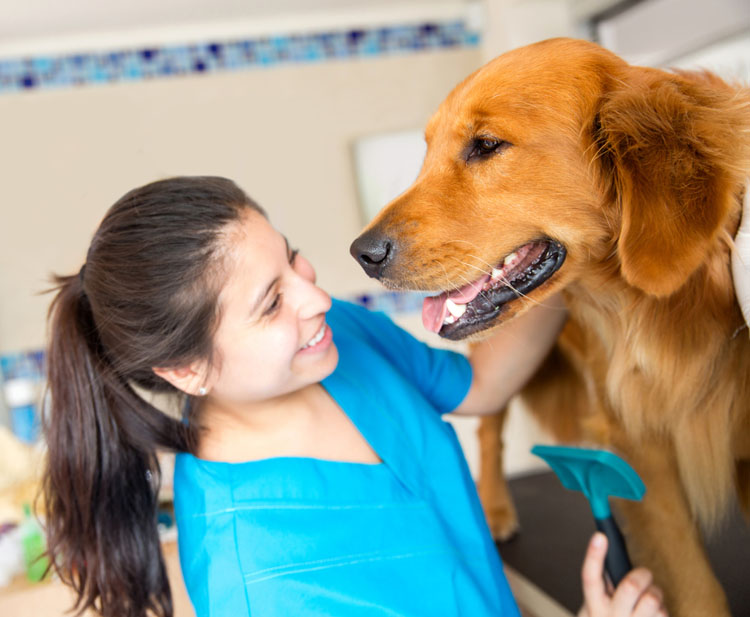
Force- Free Veterinary Visits
andresr/Deposit Photos

We all know our dogs’ oh-no-we’re-at-the-vet look. You know the one when their ears are pulled back, their eyes wide and their body shaking. Usually, the look happens when we’re either pulling into the veterinary clinic parking lot or stepping inside the clinic. We feel bad, but we justify their reactions as a necessary evil.

Well, no more! There’s a new wave in the veterinary community. It’s called force-free veterinary visits. Many veterinarians are choosing to passionately follow their “do no harm” oath to the letter. By using force free and low stress handling, dogs will leave the clinic better than they arrived–not only healthier, but also more mentally intact. Force free vet visits apply to all pets, including cats, horses, birds and guinea pigs.

What are Fear-Free Veterinary Visits?

Force-free veterinary visits entail there is minimal to no animal restraint involved and dogs are encouraged to participate during vet exams. Force-free vet technicians are armed with peanut butter stuffed toys, super yummy treats and lots of praise and pats. Dogs happily eat yummy treats as a veterinarian peeks into their eyes and ears, feels their belly, and listens to their hearts. If a dog becomes concerned and backs away, the veterinary staff stops the exam and gives him a break. After a few minutes of chatting with the owner, the vet tech will entice the dog to participate again. Basically, force-free veterinary exams move at your dog’s speed.

As I’ve discussed in other articles, dogs find freedom to choose (engage or disengage within a situation)  just as reinforcing as treats and belly rubs.  Allowing a dog to choose is very powerful.

Once a dog experiences a fun and rewarding veterinary exam, you’ll notice a huge difference in his reaction next time you pull into the parking lot. You’ll probably notice tail wagging, willingness to walk into the clinic and relaxed body language while your dog is examined. Not only does your dog have a relaxing experience, but you will as well!

RELATED: Why You Should Get Pet Insurance

Why are Fear-Free Veterinary Visits Important?

Veterinarians and their staff were noticing a steady incline of fractious (biting, growling) dogs or dogs that “shut down” during vet exams, which resulted in additional difficult and scary exams in the future. Every time a dog has a negative experience at a veterinary clinic, you can bet he’ll learn to dislike vet visits even more, forcing the dog to defend himself.

Force-free veterinary staff is no longer forcing dogs to comply or pinning them to the ground for examinations. Instead, they’re enticing dogs to engage, pairing yummy treats with veterinary equipment and making sure dogs are happier than when they arrived. This is huge!

You’re probably wondering how blood draws, fecal exams and other painful screenings are handled, but you’d be shocked how easily they can be performed with minimal handling. A dog happily licking away at a cream cheese stuffed toy will voluntarily stand still as a needle is inserted into a vein during blood draws.

Yes, you may notice your dog flinch (it does sting a bit) in the area and you may even notice your dog’s eyebrows raise when a fecal loop is inserted (I would too!). However, when allowed to choose their response in a situation, most dogs choose to ignore it as they feel safe. And that, dear readers, is the secret. By allowing dogs to participate willingly, they feel safe, which is the opposite of fear.

By using force-free, or low-stress handling, veterinary clinics can actually save time while saving costs. It’s expensive to incur bites off staff members or snap multiple X-ray films of struggling pets. It’s also the right thing to do for all pets.

Our First Fear-Free Veterinary Visit

For the most part, our regular veterinarian does a wonderful job allowing our dogs to participate in all exams. However, our first fear-free veterinary exam was like watching an awakening within my dog.

Sobek is a massive Rottweiler, so you can certainly understand why most veterinary staff members look uneasy when he gleefully bounces around and exuberantly greets everyone. Recently, Sobek went in for acupuncture with Dr. Amanda Florsheim DVM who acknowledged his size by sitting on the ground next to him. Her vet tech also sat on the ground right in front of his face and fed him delicious baked chicken. During the visit, Sobek stood pretty darn still as Dr. Florsheim inserted 20+ needles along his spine, around his healed ACL scar and along his rear.

Now, I’ve had acupuncture several times before and at least a third of inserted needles burn and hurt. Sobek was allowed to choose to participate and Dr. Florishem moved at his speed, which set Sobek up for success. He happily licked his food stuffed toy and gobbled baked chicken as the inserted needles were allowed to work their magic for 15 minutes. Now, that’s a success!

What I Experienced

Allow me to express my personal experience during a force-free exam. It was exhilarating and relaxing all rolled into one. Instead of worrying about Sobek jumping around, constantly moving, licking the vet’s face or tugging on the leash, I was free to enjoy the experience. If I weren’t so wrapped up in our calm vet visit, I would’ve taken a picture, but instead chose to be present during an eye-opening experience.

As a dog trainer and pet owner, I plead you to find a fear-free veterinary clinic. Not only will it change your dog’s life for the better, but you’ll also walk away proud your dog was a superhero! That’s the best feeling!

You may also like: Medical Modalities for Dogs

Filed Under: Health Tagged With: finding a low stress handling vet clinic, force free vet care, force free veterinary care, less stress vet visits, low stress handling vet clinics, make vet visits good for puppy, make vet visits good for your dog, tips on making veterinary visits easier for your dog

Easiest Way to Clean Your Dog’s Teeth

September 21, 2015 by Fanna Easter

Use DentAcetic Wipes for Easy Dog Teeth Cleaning

Dog Teeth Cleaning
Quasarphoto/iStock

Dog kisses are the best! However, stinky breath dog kisses that could curl your lashes from the horrible smell are not so good. We all know that smelly dog breath stems from tartar buildup, but dogs hate tooth brushing. Insert DentAcetic Wipes.

How Do DentAcetic Wipes Work?

Like most dog owners, I’ve tried hundreds of dog dental products. Some worked, but a majority of them did not. Brushing my dog’s teeth works–I’ve taught my dogs to enjoy the process–but there was still a lingering foul smell coming from Stella’s mouth (Bull Terrier). Her teeth were noticeably free of tartar, so what was the cause? Upon further inspection, I noticed a fine line of redness along her gum line where teeth and gum met.

After a quick vet visit, Stella was sent home with DentAcetic Dental Wipes. I decided to research this stuff before sticking it in her mouth.The main ingredients were 1 percent acetic acid and sodium hexametaphosphate. Yes, I cringed too while I was trying to pronounce these massive words. Time to research!

RELATED: Small Dog Dental Care Tips

What are in DentAcetic Wipes?

Acetic Acid

Vinegar is watered down acetic acid and it’s used in just about everything from condiments to household cleaning supplies. Also, acetic acid inhibits bacteria and fungus growth and is used in many medications.

Sodium Hexametaphosphate

Sodium hexametaphosphate is used as an emulsifier and thickening agent in many foods, such as canned milk, artificial cheeses, roast beef, ice cream and even beer. Containing sodium and phosphorus, it’s found in just about everything, including pet food. Interestingly, it’s also used in many teeth whitening products because it not only removes stains, but it also prevents future stains and calculus (tartar).

The Verdict

Feeling a bit better about the ingredients, it was time to try them out. Each container contains 25 round thin wipes that can be easily folded into quarters around your finger. Before use, I squeezed each wipe to remove excess liquid to prevent any product from dripping down Stella’s throat. These wipes do have an odor, but it smells like cloves with a hint of vinegar mixed in. My dogs didn’t seem to mind them at all.

After using these wipes for one week (three times per week), Stella’s breath was odorless. There was no longer a sour smell present and her teeth were noticeably whiter too. And that tiny red line along her gum line was gone. To keep Stella’s breath odorless and her teeth free of tartar, I use these wipes twice a week. And yes, I still brush her teeth too, but only a couple of times per week.

It’s worth a try! I would love to hear what you think about DentAcetic Wipes!

You may also like: How to Teach Your Dog Chin Rests

Filed Under: Health, Resources

How to Paint Your Dog’s Nails

September 15, 2015 by Fanna Easter

Tips on Painting Your Dog’s Nails

Dog Nail Polish
IPGGutenbergUKLtd/iStock

Yes, I’ve done it! Stella Mae (Bull Terrier) looks adorable wearing hot pink nail polish. It just makes me smile. Before reaching for your nail polish, check out these tips that will make painting your dog’s nails much easier for both of you.

Use Dog Nail Polish Only

It’s pretty important to only use dog nail polish because dogs lick their feet and have a different skin pH than people. Plus, dog nail polish is water-based, toxic-free (no nasty chemicals, such as formaldehyde and toluene), odor-free and drip-free, and dries within seconds. Hmm, maybe I should try this stuff on my toes. Also, most dog nail polishes provide a vibrant color with one coat, so no need to add additional layers. When polishing, keep nail polish from touching skin–no need for globs of polish.

You can choose between bottles of nail polish or polish pens. Personally, I’m a huge fan of polish pens. Pens don’t drip and can slide under sprigs of paw hair surrounding your dog’s nails and dry super fast. Also, you can draw dots and animal prints as well as layer colors if you want to glam it up.

White dog nails will look great in all dog nail polish colors. However, dark nails seem to absorb only certain colors. Think pastels, neon colors and anything bright. Some reputable dog nail polish manufactures offer white base coats for dark nails, so all nail polishes will pop.

RELATED: Trimming Dog Nails: Reaching for Paw

Pull Back Excessive Hair

All dogs pretty much have stray hairs poking around their nails, so it’s best to push the hair back with the thumb of your opposite hand. I’ve heard stories of people placing pieces of old pantyhose over a dog’s paw and pulling it up so dog nails pop out while holding back long hair. While that sounds good, you’ll have to hold the pantyhose in place while nails dry, and I don’t think dogs would enjoy that process.

Reward Nail Polish Sessions

Please don’t force your dog to endure nail polish sessions. You’ll end up with hot pink polish all over the place. Take a week or so to teach your dog to enjoy handling of her paws. It’ll make it much easier.

Also, ask a friend to hold a peanut butter stuffed toy in front of your dog, so she can happily lick away while you’re polishing her nails. Take frequent breaks. Only paint one to two nails. Allow them to dry for 40 seconds or so. Eventually, with lots of practice, you’ll be able to paint one paw at a time while your dog snoozes or enjoys a food stuffed toy.

Removing Dog Nail Polish

Your dog’s nail polish will chip quicker than our pedicures. Remember, your dog doesn’t wear darling little sandals to protect perfectly painted nails, so expect chips within a few days. Normally, I wait until all polish has worn off before refreshing the color or applying a new color. If you must remove your dog’s nail polish, only use acetone-free polish removers and then promptly wash your dog’s paws to remove any residue.

Pawdicures are adorable. Just keep your dog safe and make it fun!

You may also like: How to Teach Your Dog Chin Rests

Filed Under: Health, Resources Tagged With: choosing a dog nail polish, dog nail polish pens, how to remove dog nail polish, painting dog nails, tips on painting dog nails

Find a Dog Sitter Tips

August 26, 2015 by Fanna Easter

How to Find a Fabulous Dog Sitter

Find a Dog Sitter
Wavebreakmedia/iStock

Having moved to a new state recently, I’m trying to find a dog sitter and it’s stressful. We’re planning a trip to Hawaii, which means I’ll be far away if something should happen. So, I started the process and finally found the best dog sitter–we love her!

Of course, I’ll share these tips with you. Follow these steps to narrow down choices and help you find the perfect trusted dog sitter who your dogs will love too.

Ask Dog Professionals

Ask your veterinarian, dog trainer and fellow pet lovers for recommendations and, then go one step further, ask how their visits went while away. Don’t stop with just one referral. Keep asking until you have several leads. If a specific dog sitter is really good, you’ll notice his or her name popping up often.

Refrain from finding a dog sitter online–either independent or through larger companies. I’ve been burned. My dogs were fine–it didn’t get that far thankfully–but I noticed miscommunication, lack of follow-up and complete lack of professionalism in the beginning.

As a pet professional, I’ve heard horror stories of multiple dog sitters visiting during a single day and mixing up prescription dog food resulting in very sick dogs. Could this happen with anyone? Maybe, but the chances are less likely if pet professionals recommend a pet sitter instead of selectively gambling an unknown person online.

RELATED: 11 Common Questions Dog Trainers are Asked

Run a Background Search Online

Now turn on your computer and search each individual’s full name online. I recommend Google, as it really narrows down searches to specific criteria. Many years ago, someone recommended me a specific pet sitter and, after a simple Google search, I noticed three major complaints stating she never showed up for any visits over a four-day period.

If it’s just one complaint, maybe it was just a disgruntled person. Four complaints though? Something is terribly wrong. When digging in, I noticed this person changed the name of her dog sitting company, which is another red flag. When I informed the person who recommended the baby sitter, she set up a hidden camera and was shocked. The “dog sitter” walked up to my friend’s front porch and sat in a rocking chair, chatting on her cellphone for an hour and never went inside to take care of the dogs. Yes, true story!

Check Better Business Bureau (BBB) for any complaints. Do your research until you uncover any and everything.

Screen By Phone

Once you’ve narrowed down your referred list even further, give each person a call. Tell the potential dog sitter who referred you to him or her, and explain a bit about yourself and your dogs. Now, ask the person to tell you about his or her background, experience and services offered.

As you’re chatting, listen closely to this person’s voice. Does he or she sound happy, patient, trustworthy and kind? Happy folks sound like they’re smiling while talking and easily elaborate answers to all your questions. Stay away from someone giving short, curt answers. That’s never a good sign.

Meet in Person

Once you’ve shortened your list further, schedule an in-person interview preferably with your dogs present. Meeting a potential dog sitter face-to-face does not guarantee acceptance. It’s so important to watch him or her interact with your dogs before signing any paperwork or exchanging keys. If needed, take a day or two and think it over. Take your time–your dogs and home are depending on your decision.

In-person interviews usually narrow down my list quickly because having a 120-pound Rottweiler slobbering all over you and a Miniature Bull Terrier looking up your skirt can be intimidating to say the least.:)  Some dog sitters state their hesitance immediately and others fumble around, trying to remove slobber from their shirts and shoo Stella away. As you guessed it, the fumblers are immediately eliminated.

Watch how this person reacts when your dog jumps up into his or her lap or gets licked on the face. The person should have gentle hands, meaning he or she is not pushing, pulling or yelling. Instead he or she should ask your dog to sit instead of jump or lick, and reward with petting and treats. If someone is scared of your dog, he or she is not the right person.

Schedule a Trial Vacation

Once you’ve selected a dog sitter, set up a mini vacation and see how things go. This could be the perfect spouse getaway you both need. Stay overnight at a high-end hotel or visit family over the weekend. If all goes well, then you’ve found your perfect dog sitter. If not, at least you were close by, and you now know how to find the right one!

Good luck and trust your gut!

Filed Under: Clients, Health, Resources, Training Tagged With: choosing pet sitter, dog sitting in home, dog training, Dog Training Tips, find good pet sitter, how to find a dog sitter, how to find a pet sitter, how to teach a dog, how to train a dog, in home dog sitter, local pet sitters, overnight dog sitter, pet sitter, teach a dog, tips on finding a pet sitter, train a dog

Best Probiotic for Dogs

August 18, 2015 by Fanna Easter

Finding the Best Probiotic Brand for Dogs

Best Probiotic for Dogs
pitrs10/Deposit Photos

Probiotics can help dogs with gurgling stomachs, noxious gas, mucus-filled stools, chronic antibiotic or steroid use, and even pesky skin issues, especially yeast infections.

Now, I’ll be upfront. There’s a 50 percent chance your dog will benefit immediately once live probiotics are added to his diet–they’re the lucky ones. For the remaining 50 percent, it may take a couple of weeks to notice improved results. Usually, the other 50 percent have had long-term issues, which takes longer to bounce back, so be patient.

With all the probiotic brands, it’s tough finding one that works for our dogs. To make it easier on you, I’m going to tell you my favorite brand, which is recommended by many holistic veterinarians and has worked wonderfully for a sensitive tummy Rottweiler and Miniature Bull Terrier with chronic skin issues.

Proviable-DC Digestive Health

When frantically trying to manage our Miniature Bull Terrier Stella’s persistent yeast-invaded ear infections, I felt helpless. We could hold it back, but not kill it. When her ear infections were really bad, she developed discoloration around her feet and genital area, which caused frequent licking and itchy and was impossible to eliminate. Yes, I was pulling my hair out while trying to keep her fur from falling out.

We changed her to a raw diet, which helped, but yeast kept multiplying, albeit at a slower rate. It still remained. After an exam with a holistic veterinarian, she recommended Proviable-DC Digestive Health capsules. Wow, the difference within two weeks was amazing. She glowed with improved health. It’s been over two years since her last ear infection (knock on wood!).

RELATED: Understanding Dog Nutrition

Paste and Capsules

Proviable-DC contains seven different strains of probiotics and two strains of prebiotics tucked into a small capsule. Now, this product is available in a paste form, but taking it from me, it’s incredibly hard to hide in food due to its taste and consistency. Pills are much easier. If your dog refuses to take meds, check out this article and video for tips. Even though my dogs range in size and weight, they both take one capsule daily with their morning meals.

Long-Term Probiotic Use

Most supplements can safely be used long-term, but always check with your veterinarian first. Proviable-DC is safe for long-term use. However, when I decide to play it safe and give my dog a break from this probiotic for a few weeks, irritable tummy and pesky skin issues pop up. Plus, more is not necessarily better–make sure to follow the recommended dose.

Patience and daily dosing with the right probiotic is key!

You may also  like: Fish Oil for Your Dog’s Joints

Filed Under: Health Tagged With: best brand of probiotic for dogs bacteria, best brand of probiotics pets, best probiotic for dogs with diarrhea, best probiotic for dogs with ibd, best probiotics for dog with allergies, best probiotics for dogs with yeast, canine probiotics, do dogs need probiotics, dogs on antibiotics probiotic, probiotics for dogs, proviable-dc review, yogurt for dogs

  • « Previous Page
  • 1
  • …
  • 24
  • 25
  • 26
  • 27
  • 28
  • …
  • 40
  • Next Page »

About

Dog Training Nation is a community of dog trainers, dog owners and dog lovers. Our mission is to provide trainers and owners valuable information to enrich dogs' lives. We cover a range of topics, from socializing puppies to dealing with aggressive dog behavior to selecting the best dog products. It is our hope you share our content to make the dog and owner world a better place.

​

Facebook

Video

Dog Training Nation is a dog training blog for pet owners and dog lovers. We cover a range of topics from puppy socialization tips to dog aggression to dog health. It is our hope you share our content to make the world a better place for dogs.

Dog Training Nation

Quick Links

Dog Training
Dog Behavior
Dog Training Videos
Become a Dog Trainer
About
Contact Us

Copyright © 2026 · Lifestyle Pro Theme on Genesis Framework · WordPress · Log in