Dog Training Nation

In Dogs We Trust

  • Home
  • Training
    • Dogs
    • Puppies
    • Clients
  • Behavior
    • Breeds
  • Health
  • Safety
  • Resources
    • Equipment
    • Books
  • Dog Training Videos
  • About
You are here: Home / Archives for Health

Shaving Your Dog? Brush or Trim, But Show No Skin

June 25, 2015 by Fanna Easter

Should You Shave Your Dog?

No, Brush or Trim Instead

Shaving Your Dog
Jaroslav Frank/iStock

Many articles insist shaving your dog’s thick double coat reduces insulation (i.e. trap less cool air within fur) during warm temperatures, increasing the chances  of becoming heat intolerant, which can cause heat stroke. This sounds a bit counterintuitive. Would you stay cooler by wearing a fur coat during summer? I know our cooling systems are different than that of dogs, but let’s look at both sides of the coin.

I reached out to dog experts (e.g. veterinarians, pet groomers and dog trainers) and their opinions were split down the middle. Then, I researched “anti-shave double coated dogs coat” articles. Some of the information I found were anecdotal in my opinion. Where’s the proof that trimming a dog’s double coated coat will harm the dog? I searched for studies and didn’t find any. Now, I’m not dismissing expert opinions, and I totally understand skin exposure is not good, but why can’t we trim (shorten) our dogs’ thick coat?

Let’s discuss this very delicate subject with options and possible outcomes:


 One thing is for sure: Never leave a long-coated dog  or any dog exposed to warm temperatures.

All dogs must have access to shade and cool water or, better yet, air conditioning.


Not Shaving Double Coat? Then Remove Dense Undercoat

If you feel shaving your dog is inappropriate and you enjoy your dog’s luscious locks, then by gosh keep his double coat. It’s not wrong; it’s an option. However, it’s important to keep your dense coated dog comfortable by removing excessive undercoat hidden deep within your dog’s long hair. Also, weekly baths and daily thorough brushing ensure long hair lies flat, protecting your dog’s skin while keeping him cool.

Now, understand that undercoat is thick and lies deep inside your dog’s coat, lying between the skin and top coat, so I recommend using a mat rake to remove it. For maximum undercoat removal, I highly recommend an appointment with a skilled dog groomer who has additional tools and extensive knowledge to remove most undercoat without harming your dog’s skin.

Trim, Don’t Shave

While living in the Deep South, I shared my life with Bouviers. I’ll readily admit, I trimmed their thick coats. Now, let’s clarify, I “trimmed” my dogs’ coats, meaning I shortened the length (1/2 inch using a 3F blade) with no visible skin peeking out, which protected their skin from the sun’s glaring rays. After trimming, my dogs zoomed and bounced around the house instead of permanently attaching themselves to the AC vent–the difference was unbelievable. Even though their coats were short, I still bathed them weekly and brushed daily, as trimmed coats still contain undercoat (it’s just shorter now).

Shaving Your Dog
This is too short. You can see skin (pink color peeking through tan hair). Soraluk/iStock

Shaving, in my opinion, means removing hair to the skin. Please don’t do this to your dog. I think we all can agree shaving hair so that skin is exposed to the sun is not okay. When all hair is removed (or shortened so skin is peeking out), dogs are susceptible to painful sunburns and have an increased chance of skin cancer.

Now, if shaving your dog is the only option due to massive amounts of mats, make sure you apply sunscreen every day until his coat grows out. Brush your dog so this never happens again. Shaving is an extreme measure and should happen for medical reasons only. Trim instead.


 While trimming excessive hair may keep some dogs cool, this is not a reason for keeping your dog in extreme temperatures.


Understand Risks of Shaving & Trimming

Remember, we’re looking at both sides of the coin. There are cons with all choices in life, and trimming your dog has a few too.

Trimming Dog Coat
Trim. Don’t show skin. This is the perfect length. sutichak/iStock

It Looks Funny

We can’t deny the fact that double coated dogs look odd when trimmed. They resemble 80s rock band members. So prepare yourself.  Yes, we giggle and some dog owners freak out and buy T-shirts to cover their unusual haircut, but the main reason we trim is to keep them cool because we’re all regularly brushing our dogs, right? 🙂

Shaved or Trimmed Coat Grows Back Weird

Sometimes, if your dog’s coat has been shaved or frequently trimmed very short, you’ll notice his coat growing back a different color, thicker or thinner than usual. Keep this in mind when making your decision, as his coat may look and feel different during cooler months. Personally, my Bouviers were trimmed 1/2 inch during summer and 1 inch during winter (winter is mild in Louisiana), but I understood the risks of sparsely growing coats too.

Shaving Doesn’t Stop Shedding

Shaving to stop a dog from shedding is a myth. Shaved dogs still shed tiny hairs. Dogs must shed. Dead hair either falls on your shirt or is brushed out. Either way, it happens.

Unfortunately, I’ve witnessed many short and medium coated dogs being shaved (10 blade in most cases), such as Rottweilers, Labs and Dobermans. When polled about why dog owners shaved their dogs in the grooming salon, they admitted they were tired of cleaning up shedding hair. Shaving to prevent shedding is extreme, and it doesn’t stop shedding. It actually exposes their skin to harmful sun rays when their coats were already short enough to keep them cool. Instead, brush daily with a slicker brush to prevent shedding.

Trimmed Dogs Can Still Get Hot

There’s a statement fluttering around the Web suggesting trimming dogs doesn’t necessarily keep dogs cool. While I couldn’t find any studies proving this statement, I’ve been lucky enough to observe hundreds of trimmed and untouched coated dogs attending my dog training classes during warmer months. Let me tell you: there’s definitely a difference. Most trimmed dogs seemed much more comfortable. There was less panting, salivating and water drinking, but instead more energy than their full coated friends. This is not an absolute, as each dog and his grooming needs are different.
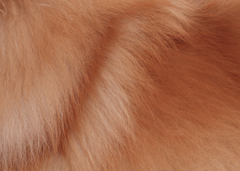
Dog Undercoat
Soft frizzy hair is undercoat. sutichak/iStock

Trimming a dog’s coat keeps him cooler by removing trapped heat caught in his coat, but it doesn’t mean dogs can tolerate heat longer due to their new haircut. They still have a layer of hair covering them. We know shaving exposes your dog to different risks so it’s counterintuitive. Plus, dogs cool themselves differently. They don’t sweat like we do.

In a nutshell, trimmed dogs still get hot so use common sense and keep them away from the heat.

What Should You Do?

Most experts agree shaving is extreme, and I think this is the point of most anti-shave articles. Make informed decisions by understanding risks and your dog’s specific coat needs. Also, consider your commitment to frequent brushing and the weather of where you live. If someone chooses to trim her double coated dog’s coat, there is a reason so hold your negative comments. On the other hand, trimming doesn’t mean laziness. You must still brush and bathe often.

This was a challenging article to write due to passionate opinions on both sides of the coin. I want to personally thank each pet expert who voiced his or her thoughts during the research process. I sincerely hope this information provides you options on keeping your dog comfortable during the spring and summer. Stay cool!

Filed Under: Health Tagged With: pros and cons of shaving your dog, shaving dogs for summer, shaving dogs in the summer, shaving dogs that shed, shaving dogs with thick coats, shaving dogs with undercoat, shaving double coated breeds, shaving double coated dogs, shaving your dog, should you shave your dog, should you shave your pet, trimming double coated breeds

Pros, Cons & Myths of Canned Dog Food

June 23, 2015 by Fanna Easter

Canned Dog Food

Canned Dog Food
Bet_Noire/iStock

While browsing through pet supply stores, it’s common to overhear concerned pet parents asking this exact question to store employees. Answers vary depending on employee experience and preference, but check out these unbiased canned food pros, cons and myths before making the best decision for your dog’s needs.

Pros of Feeding Canned Dog Food

There are lots of them!

Dogs Love It

Yes, they do! Canned dog food has an intense aroma due to moisture and low-temperature cooking method. Most dogs will run to the kitchen when you reach for a can opener. Use this stuff to your advantage and spoon a teaspoon or so over kibble, making sure to coat each kibble thoroughly and feed.

Lots of Moisture

Most cans of dog food contain 70 percent moisture, which keeps some urinary tract infections away. When feeding canned dog food, you’ll notice your dog doesn’t drink as much water, especially compared to feeding dry kibble. Plus, this stuff makes great Kong stuffing. Just don’t forget to freeze overnight to prevent canned food from leaking onto your carpet or bedding.

Great Way to Hide Medication

If your dog requires daily medication, canned food does a fabulous job concealing bitter tasting powder medicine with its overpowering aroma. It also makes a great hiding place for pills due to its texture and is the perfect consistency for liquid medication.

Balanced Nutrition

Unlike many palatable food supplements, canned dog food contains balanced nutrition and can be fed alone or mixed in kibble. Regardless, it’s packed with lots of vitamins and minerals. With a higher moisture content, this keeps calories lower, which is perfect for dogs watching their waistlines.

Fewer Additives Than Dry Food

If you’re worried about food additives, then push aside your guilt when feeding your pet canned dog food. Due to the canning process, which seals food in an airtight container, less additives and preservatives are needed. Now, once the airtight seal is broken, canned food has a limited shelf life (three days max). Plus, canned food is cooked at a lower temperature than kibble, meaning it contains higher amounts of naturally-occurring vitamins and minerals from its ingredients than kibble.

Easy to Eat

Canned food is easier to chew, especially for dogs missing teeth and sore gums. If you’ve ever experienced the agony of begging a sick or recovering dog to eat, you know how difficult it truly can be and are thankful when canned food easily entices sick dogs to eat.

Cons of Canned Dog Food

When boiled down, there’s not as many cons as pros. Interesting, huh?

Expensive

With an average price of $4 per 12oz can, your bill can add up quickly. Remember, kibble contains less moisture so you must feed more canned food than kibble. For small dogs, this may not be an issue. For large and giant breeds, feeding canned food can definitely deflate your wallet. As an example, Sobek (my adult Rottweiler) needs six cans of dog food to meet his daily nutritional needs. Yes, six cans! That’s $24 per day and $168 per week–ouch!

May Create Picky Eaters

Well, who wants to eat cake without the frosting, right? This can happen, but it doesn’t happen to all dogs. I recommend mixing small amounts of canned food in kibble so your typical cost averages $8-$10 per week for a giant dog breed.

Once Opened, Short Shelf Life

This is true. Once canned food contents are exposed to air, its shelf life is limited. For best results, cover with plastic zip bag or lid, and store in your refrigerator for a maximum of three days.

Myths

Many pet parents shy away from canned food because they’ve heard canned food doesn’t clean dogs’ teeth, but there’s more to the story.

This was a common belief, but it seems crunchy kibble doesn’t always clean dogs’ teeth. Think about it for a minute: If kibble scrubbed teeth clean, we wouldn’t have so many dogs needing yearly dentals. What about dogs that swallow kibble whole? Yes, there are many of them out there where kibble never touches their teeth. To clean your dog’s teeth, regular brushing with VOHC-approved products work best.

READ MORE: Homemade Diets for Dogs

Filed Under: Health, Resources

Are Chicken Byproducts Bad for Dogs? No, They’re Good for Them!

June 8, 2015 by Fanna Easter

Chicken Byproducts are Good for Dogs

Chicken Byproduct
3DFOX/iStock

Dog food is a hot topic. I’ve witnessed dog enthusiasts argue for hours about chicken byproducts, and I’m not exactly sure why. Dogs thrive on certain byproducts because they’re nutritionally packed with vitamins–much more so than muscle meat.

Don’t believe me? Check out this unbiased research on nutritional content because a bit of research will prove this disclaimer wrong. Don’t fall for the hype.

How This Myth Started

Pet owners spent $21.57 billion dollars just on dog food in 2013–that’s a lot of dough! So to further capitalize on this growing market, newer dog food companies had to differentiate themselves from other companies and hence the formation of the myth that chicken and beef byproducts are bad for dogs.

Boy, did this slogan spread like wildfire. It was like a hidden secret brought to light. Many pet owners began whispering and pointing fingers while turning up their noses to any dog product containing any type of byproducts. You can’t believe everything you’ve been told. Fact-check first.

What are Meat Byproducts in Dog Food?

It’s a challenge finding AAFOC’s official definition of meat byproducts, but you can certainly purchase their book for more details. Here’s the best official meat byproduct definition I could find.

Chicken Breast or Liver?

Chicken is, by far, the most popular protein ingredient in dog food followed closely by fish, lamb and beef. So which has more nutrition?

Chicken liver (1 oz raw) contains higher levels of vitamin A and vitamin C loaded with B12 and iron than chicken breast. Plus, it’s lower in fat, which is great for dogs watching their waistlines, which has become a huge American epidemic.

Boneless and skinless chicken breast (1 oz) contain no vitamin A or vitamin C and significantly less iron than chicken livers. Chicken breast contains higher protein content, B6, but is higher in calories. Higher protein values doesn’t mean superiority. It just means more protein.

Ground Beef or Beef Heart?

What about beef? Let’s dive in!

Beef heart (1 oz raw) is loaded with iron, vitamin B6, and additional vitamins and minerals. Plus it’s lower in calories and fat content, which works best for most dogs.

Ground beef (1 oz) has a tiny amount of calcium and a higher protein percentage than beef heart, but it’s not as nutrient dense as beef heart. And mercy, the fat and calorie count are ridiculous. There’s no way an average dog could eat mostly beef, especially if he is a couch potato.

Beef stomach (green trip) is extremely nutritious for dogs (and cats). You’ve probably heard of raw green tripe (not the bleached white tripe sold at supermarkets). This stuff smells beyond terrible, but it’s a rich source of protein for dogs. Plus, it has the perfect combination of omega-6 and omega-3s, ideal calcium-to-phosphorus ratio (huge plus for large breed dogs), and beneficial bacteria. If you’re going to feed any type of protein byproducts, this is the one! Your dog will thank you for it!

RELATED: Homemade Diets for Dogs

Stay Away From Mystery Meat

Stay away from mystery meat. This stuff is a mix mash of unnamed protein sources, which remains a mystery unless DNA tested. We’ve all heard how certain protein sources creep into dog food. Well, this is probably how they cover it up. If mystery meat is listed as an ingredient in your dog’s food, put the bag down. One word: gross! Meat byproducts should be listed by animals, such as chicken byproducts or beef byproducts.

Byproduct Takeaway

Don’t throw the baby out with the bathwater. Everything must be in moderation. One protein source won’t provide all the vitamins and minerals your dog needs every day. Sure, you can feed your dog chicken breast and rice forever, but you must add lots of vitamins to meet their nutritional requirements.

Balance is key so adding protein byproducts will boost nutritional value while keeping calorie intake low. Also, just because you dislike liver, hearts and tripe doesn’t mean your dog does. Don’t believe me? Purchase raw chicken livers or, better yet, raw green tripe and watch your dog’s eyes light up. 🙂 You’ll certainly see a huge difference in your dog’s coat without all the added oil, which most dog food companies add to replace nutrients.

Lastly, Research Before Jumping on a Bandwagon

It’s so easy to fall for unverified claims, especially if an author or pet food company claims additional health benefits for your dog. I can’t say this enough, please fact-check and verify before believing. Dogs rely on us to feed them so please take the time and do it right. Check out SELFNutritionData to know what your dog is eating.

READ MORE: Healthy Dog Treats

Filed Under: Health Tagged With: are by products bad for dogs, beef by products in dog food, by products dog food, by products in dog food, by products in puppy food, chicken by products puppy food, truth about by products dog food

Not All Dogs Like Dog Day Care

June 3, 2015 by Fanna Easter

How to Know If Doggy Day Care is Right for Your Dog

Doggy Day Care
Get me out of here!

I’d say 30-40 percent of dogs don’t enjoy playing with other dogs. Shocking, right? It’s true. If your dog doesn’t like to play with other dogs, it’s okay. Yes, it’s totally normal. Not all humans enjoy hanging out with a large group of people, especially rowdy young ones so why should our dogs? 🙂

Wild dogs certainly don’t play in large groups. They have friends and that’s it. If someone is rude, that person is kicked out, which doesn’t always happen in doggy day care.

Signs Your Dog May Not Like Doggy Day Care

Dog is Fearful Around Other Dogs

If your dog runs away, hides, folds ears back, tucks tail or acts generally afraid of other dogs, then doggy day care is not for him. Throwing your dog into a group of playing dogs won’t help. It’ll make it worse. I see the repercussions daily. If this happens, scared dogs will usually sit away from the playing dogs and freeze (look away and become terrified) if a dog approaches.

If dogs continue to approach and pester a scared dog, he’ll learn to fight. He is freaked out and trying to defend himself (offensive aggression). If you were afraid of snakes and were thrown into a pit filled with slithering snakes, I don’t think it would help you overcome your fear. It would make it worse. It’s the same thing with dogs so don’t force them.

RELATED: Dog Aggression

Dog Acts Aggressively Around Other Dogs

“My dog is fine with other dogs during day care, but lunges and acts aggressively with other dogs everywhere else.” Oh boy, I hear this a lot from pet parents. During behavioral consults to address their dog’s aggression toward dogs, I see a frightened dog that’s learned offensive aggression to mean: “I better get them before they get me” (defensive aggression). Yes, this was probably learned during doggy day care.

Understand aggression is a symptom of anxiety. If a dog can’t get away, he will either freeze or fight. The same happens with us–remember the snake pit? 🙂

Is This Your Dog?

Don’t beat yourself up. You do better once you know better. Pull up your bobby socks and enroll in a relaxed rover class, which addresses fearful and aggression behaviors around other dogs. Now, find an excellent pet sitter for leash walks and potty breaks.

READ MORE: Dog Day Care Interview Questions

Filed Under: Behavior, Clients, Health, Resources, Training Tagged With: best dog day care, choosing a dog day care, daycare for dogs, dog day care, doggie day care, finding a good dog day care, how to find a doggie day care, interviewing dog day care, questions to ask doggie day care

Finding a Dog Breeder: How to Find the Right One

May 20, 2015 by Fanna Easter

How to Find a Good Dog Breeder

Dog Breeder
4774344sean/iStock

Not all dog breeders are the same. It’s important to understand the differences between responsible breeders who invest in your puppy’s mental and physical health, breeders chasing the almighty dollar (looking for financial gain) and uneducated breeders.

Don’t Let Price Fool You

Many potential pet parents assume reputable breeders charge more for their puppies. This is not true. In 25 years of experience, I’ve noticed non-reputable breeders charging the same amount or more, and they have a lower overhead because they don’t health test or take puppies back.

RELATED: Importance of Canine Health Testing

Responsible breeders lose money because they’ve invested so much in the beginning. Health testing one adult dog costs between $350-$600, depending on the amount of inheritable diseases plaguing a breed. As you read the requirements for a reputable breeder, keep a mental note of cost. You’ll quickly realize they’re not breeding dogs for profit, but they breed dogs to improve the breed–that’s their motive (currency).

You May Have to Wait

Yes, I know you want a puppy now so read on impatient reader. 🙂

Reputable breeders only breed dogs when they want a puppy so they may breed a few times a year. Unethical and uneducated breeders churn out unlimited amounts of puppies, which attracts impatient pet owners.

Oi, I can’t tell you how many people have asked my advice when searching for a breeder. They listen, take notes and ask lots of questions, then they stubble upon a kind lady (who doesn’t health test or so forth) with puppies on the ground and impatience wins. 

Understand that’s a smart business plan for unethical and uneducated people looking to make money. They have a ready supply of puppies, as most consumers crave instant gratification. Puppies are not a commodity. They live, breathe and love. Please wait for the right puppy from a reputable breeder. It will be well worth the wait. 🙂


 Responsible breeders are educated and follow specific guidelines, as they’re looking to better the breed instead of making money.

If someone doesn’t meet the below requirements, keep looking.


Good Dog Breeder Qualifications

Health Test – No Exceptions Ever

All dog breeds (even mixed) have health issues, and health testing adult dogs (over two years old) is the only way to identify and prevent chances of passing these onto puppies. Check out this article on understanding the importance of health testing and acceptable documentation verifying dogs have been tested and passed.

Never accept verbal promises. Always ask for documentation. If someone says, “I don’t have diseases in my lines,” they are lying.

Keep Puppies Until 8-10 Weeks Old

Puppies must stay with their mother and littermates until 8-10 weeks to develop mentally and socially. If someone allows puppies to leave earlier, don’t get a puppy from him. As a dog trainer, I can’t stress this enough. Most unethical breeders send puppies home earlier because they don’t want to feed or clean up after them–that’s the real reason.

Provide a Lifetime Contract

Yes, lifetime contracts. Contracts protect you and your puppy. If someone doesn’t offer a contract or limits inheritable heath issues within a 2-4 year period, walk away.

Take Puppy or Dog Back

Reputable breeders state in your puppy’s contract they will take your puppy or adult dog (at any age) back for any reason. They want to make sure their puppies have the best home, and if you don’t want that precious puppy any longer, they will take her back and find a forever home.

With that said, take a long deep look inside and make sure you’re ready to provide a forever wonderful life for a dog. If not, it’s okay and be glad you made the decision now instead of disrupting the life of a puppy or adult dog.

Microchip Puppies

All puppies must be permanently identified. This ensures your puppy is returned home if she becomes lost. If a breeder refuses to permanently identify a puppy, walk away. Perennially, I don’t trust breeders that refuse to microchip or tattoo. There’s this ugly game that some unethical breeders play. They provide puppy buyers with heath testing for dogs, which are not even the parents. Yup, and the only way to disprove is by identifying parents by scanning their microchips.

Provide Support Throughout Lifetime of Puppy

They will answer all your questions and provide tips on feeding, socializing and training your puppy. They’re right there with you, celebrating milestones and supporting you through tough times like when your puppy needs surgery to remove a swallowed toy. 🙂 These folks are educated and continue learning. You can’t put a price on having an expert a phone call away.

Member of National Breed Club

National breed club members create breed standards (describes temperament and conformation of a specific breed of dog). These folks show in conformation (dog shows) and are extremely educated about your chosen breed.

This is the perfect place to locate a reputable breeder, but make sure to interview them just like they will surely interview you too. When adding a purebred dog to my home, I’ve found my breeders through national breed clubs. The only time I didn’t, I lived to regret it–one day I’ll write about it, but it’s so painful. I’d rather keep it boxed inside my heart for now.

Don’t forget to print out these guidelines and ask lots of questions.

Find national breed clubs through AKC or UKC. Select a breed and scroll down for breed club information. To learn more about AKC, UKC or Continental Kennel Club (CKC), check out this article explaining the differences. I don’t recommend Continental Kennel Club because it’s a tough place to locate a reputable breeder. This article will explain further.

You  may also like: Adopting a Rescue Dog

Filed Under: Clients, Dogs, Health, Resources, Training Tagged With: breeder directory, find a puppy breeder, finding a breeder, finding a local breeder, finding a puppy, how to find a breeder, how to find a puppy, how to find a reputable dog breeder, puppy buyers beware, questions you should ask a breeder, what to ask a breeder before buying a puppy

  • « Previous Page
  • 1
  • …
  • 26
  • 27
  • 28
  • 29
  • 30
  • …
  • 40
  • Next Page »

About

Dog Training Nation is a community of dog trainers, dog owners and dog lovers. Our mission is to provide trainers and owners valuable information to enrich dogs' lives. We cover a range of topics, from socializing puppies to dealing with aggressive dog behavior to selecting the best dog products. It is our hope you share our content to make the dog and owner world a better place.

​

Facebook

Video

Dog Training Nation is a dog training blog for pet owners and dog lovers. We cover a range of topics from puppy socialization tips to dog aggression to dog health. It is our hope you share our content to make the world a better place for dogs.

Dog Training Nation

Quick Links

Dog Training
Dog Behavior
Dog Training Videos
Become a Dog Trainer
About
Contact Us

Copyright © 2026 · Lifestyle Pro Theme on Genesis Framework · WordPress · Log in
