Dog Training Nation

In Dogs We Trust

  • Home
  • Training
    • Dogs
    • Puppies
    • Clients
  • Behavior
    • Breeds
  • Health
  • Safety
  • Resources
    • Equipment
    • Books
  • Dog Training Videos
  • About
You are here: Home / Archives for Health

Fermented Probiotics For Dogs: Benefits & Review

September 29, 2017 by Fanna Easter

Review of Fermented Probiotics for Dogs

Fermented Probiotics For Dogs
Kim/Adobe Stock

Switching to natural products to support health is a hot trend lately because science is showing they work. In the past, I’ve covered several different probiotics for dogs, but most were in pill or powder form. Now, there are fermented probiotics for dogs. It works great and dogs love it!

Benefits of Probiotics for Dogs

About 20 years ago, I remember asking my veterinarian about adding probiotics to my dogs’ meals. During our discussion, she flatly stated that research shows probiotics were useless and did not boost a dog’s overall health. Thankfully, science has caught up and veterinarians are now recommending probiotics, instead of antibiotics, for idiopathic (unknown cause) diarrhea in dogs.

Of course, veterinarians must rule out other causes, such as obstructions, intestinal parasites and disease during an examination, and make recommendations based on that. Usually, veterinarians will recommend metronidazole for diarrhea if no obvious causes are present.

Metronidazole is an antibiotic that calms the gut, and stops loose stool pretty quickly. However, a good dose of probiotics can do the same job as metronidazole. Not only have I witnessed it time and time again with my dogs, but my clients are also raving about probiotics for improving their dogs’ overall health.

RELATED: How to Treat Dog Yeast Infections

Best Naturally Occurring Dog Probiotic

Increased doses of probiotics can certainly halt diarrhea in dogs within a day or two, but adding probiotics to your dog’s daily meals can prevent it from happening in the first place. Probiotics are available in many forms, but it seems naturally occurring versions work best.

Several weeks ago, I added Answers Pet Food Raw Goat’s Milk to my Bull Terrier’s daily meal, and the difference in her breath was noticeable. My BT has chronic acid reflux, so I’m always searching for probiotics that work well. This product exceeded my expectations, and both of my dogs love it poured over their raw meals.

Answers Raw Goat Milk is fermented, which means microorganisms and bacteria have broken down the milk. Once dogs ingest fermented products, “these bacteria go to work pre-digesting the food, making it easier for your pet to assimilate nutrients. (Fermentation) also create(s) new vitamins, enzymes, and organic acids that simply aren’t present in non-fermented foods.” (Answers Pet Food, 2017). Believe it or not, this fermented product is odorless, and you’ll notice a difference quickly.

How to Use

Thaw the fermented food and pour the recommended amount over your dog’s daily meals. Use twice daily for best results. Dogs readily lap up goat’s milk with minimal, if any, digestive issues. Answers Pet Food offers fermented cow’s milk kefir and fish stock for dogs with allergies to goat’s milk. Start adding the food to your dog’s meals slowly, and witness the difference in your dog’s health!

WATCH: Fermented Probiotics for Dogs

Filed Under: Health Tagged With: answer pet food goat's milk, answer pet food review, benefits of probiotics, benefits of probiotics for dogs, best probiotic for dog, dog health, dog health tipsd, dog training, Dog Training Tips, fermented food for dogs, fermented probiotics for dogs, fermented product for dogs, healthy probiotics for dogs, pet-friendly fermented foods

Why Dogs Should Eat Pumpkin

September 6, 2017 by Fanna Easter

Benefits of Pumpkin for Dogs

Pumpkin for Dogs
lisa870/Adobe Stock

As fall approaches, pumpkins slowly pop up in grocery stores and doorsteps. Pumpkins are certainly a beautiful symbol of fall, but these fruits are packed with amazing health benefits for dogs too. Yes, pumpkins are considered fruits due to their flowering plants and seeds, and they taste delicious when slow-roasted in the oven. Check out these amazing benefits of pumpkin for dogs and why you should feed your dog cooked pumpkin several times a week.

Aids Digestion

Pumpkin is rich in fiber, and contains both soluble and insoluble fiber. Soluble fiber softens stool and contains anti-inflammatory properties. Insoluble fiber doesn’t dissolve in water, but instead it prevents constipation. Due to both soluble and insoluble fiber, pumpkin prevents constipation and can certainly firm up minor diarrhea. If your dog has stomachaches, always partner with your veterinarian before adding pumpkin to your dog’s food. Slowly add pumpkin over a course of 7 days to prevent further tummy issues.

Slims Waistlines

Not only can fiber relieve common digestive issues, but pumpkin fiber also makes dogs feel full longer. When dogs are watching their waistlines, it’s important they eat less food and treats. This is much easier said than done, especially when pitiful brown eyes are begging for more food. Adding a teaspoon of pumpkin to a low calorie diet will ensure dogs feel satisfied after a meal.

Fights Bladder Cancer

Diet certainly plays a part in preventing disease, and it seems adding yellow-orange fruits and vegetables can lower the risk of bladder cancer in certain breeds of dogs. A study was done on Scottish Terriers, which are genetically prone to bladder cancer, that “suggest(s) that consumption of certain vegetables may prevent or slow the development of TCC (bladder cancer) in Scottish Terriers” (J Am Vet Med Assoc. 2005 Jul 1;227(1):94-100). While this study focused on a specific type of cancer and a specific breed, this research certainly reveals the power of adding fresh fruits and vegetables to your dog’s diet.

Choosing Pumpkin for Your Dog

Slowly oven roast fresh pumpkin until soft, or purchase canned pumpkin at the grocery store. Stay away from pumpkin pie filling for dogs, as it’s loaded with sugar and other ingredients. Another canned option, created by a veterinarian, is Fruitables’ Pumpkin Superblend, which contains whole pumpkin plus ginger, B vitamins and additional soothing supplements.

If your dog is eating a raw or cooked diet, it’s certainly advisable to toss cooked pumpkin into your dog’s veggie mix each week. For kibble-fed dogs, spoon a bit of pumpkin on top or mix into your dog’s meals each day.

Filed Under: Health Tagged With: can dogs eat pumpkin, can you feed dogs pumpkin, canned pumpkin for dogs, digestive dog pumpkin, dog eat pumpkin, dog health, dog health tips, dog training, Dog Training Tips, pumpkin for dogs, pumpkin upset dog tummy, puppy eat pumpkin

Ice Therapy For Dogs

August 16, 2017 by Fanna Easter

How to Ice a Dog’s Injury

Ice Therapy
135pixels/Adobe Stock

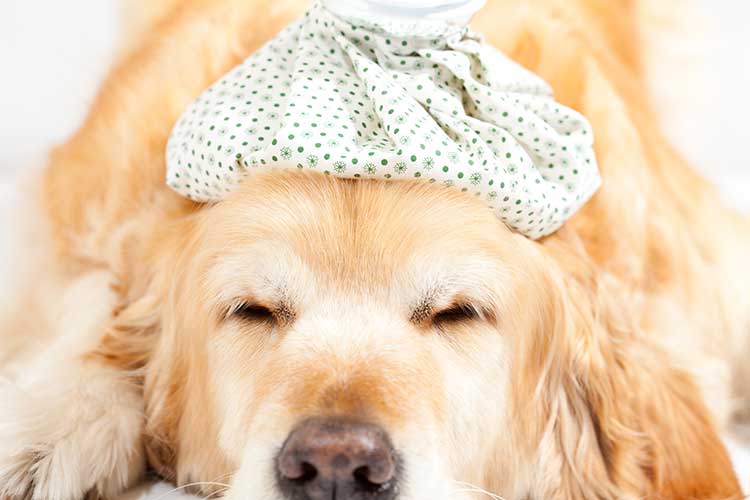
Injuries happen, especially with younger energetic dogs. Sometimes, ice therapy is recommended after your dog’s surgery. Ice therapy can drastically reduce inflammation, swelling and pain within minutes. Regardless of the reason for ice therapy, choosing an ice pack as well as keeping your dog still and engaged during ice therapy can be challenging. Try these tips the next time you need to ice your dog’s injury.

Choose an Ice Pack

When using cold therapy for dogs, choosing an appropriate sized ice pack is essential. Refrain from using a frozen bag of peas as a cold compress because it’s impossible to keep a dog still when food is attached to her body. 🙂 While it’s tempting to fill a plastic bag with ice cubes and use that as a cold compress, this type of compress is extremely cold and can cause more harm than good.

Instead, choose a flexible, reusable and gel-filled wrap that’s large enough to cover your dog’s injury area. Ace Reusable Cold Compress wraps work really well for dogs, and are easily found at most drugstores. Gel-filled cold wraps are moldable and much more comfortable on your dog’s skin. Keep the gel-filled cold compress wrap in the freezer for immediate use.

RELATED: Caring for Your Dog After His Neuter Surgery

Exactly, Where is the Injury?

To maximize the benefits of cold therapy for your dog, find the exact location of inflammation and pain. If you’re unsure, ask your veterinarian to show you exactly where to place a cold compress on your dog. For larger areas, choose a larger cold wrap that completely covers the injured area.

Keep Your Dog Still

Keeping your dog still is the main issue during ice therapy for most pet owners. Find a comfortable place and settle in with pillows and blankets to ensure both you and your dog are comfortable. Ask a friend to give your dog treats while you’re holding the cold wrap in place.

If you’re icing your dog’s injury by yourself, use a peanut butter plate to keep her still and happy. For the most part, once a cold compress is placed properly on a painful injury, dogs will sit still and doze off.

Ice for 10 Minutes

Keep the cold wrap in place for 10 minutes, then remove and place it back in the freezer. Set a timer on your smartphone, sit back and relax while ice therapy works its magic on your dog. Sometimes, after a few minutes of ice therapy, a dog will stand up and walk away and that’s OK. Next time you’re icing your dog’s injury, try placing a thin towel between the cold compress and your dog’s skin; she may have been a bit uncomfortable last time.

Ice therapy for dogs has proven to have anti-inflammatory and pain relieving benefits. Give ice therapy a try!

Filed Under: Health, Resources Tagged With: best cold compress for dogs, cold compress dog, cold compress for dog injury, cold compress for dog wounds, cold pack for dog, dog health, dog will not stay still for cold compress, how to ice a dog's injury, ice therapy, ice therapy for dogs, using cold therapy for dogs

Caring For A Dog After His Neuter Surgery

August 9, 2017 by Fanna Easter

5 Dog Neuter Recovery Tips

Dog Neutering
jagodka/Adobe Stock

Oh oh, it’s that time. Your male dog is scheduled for neutering, and his appointment is coming up fast. Prior to your dog’s surgery, ask your veterinarian how to best prepare, as there are strict restrictions on food and water intake before the big day. After the surgery, she’ll give you very rigid post-operation instructions too. While you should certainly follow her instructions, I have additional recovery tips to help care for your dog after his neutering surgery!

1. Confine Your Dog

After any type of surgery, including neuters, it’s vital to restrict your dog’s movement until his surgery site heals completely. By far, this is the toughest part for most pet owners, especially those with younger dogs.

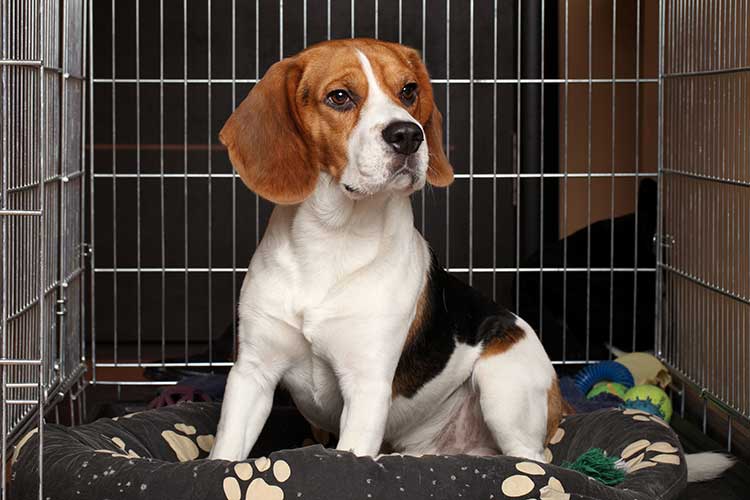
It’s best to keep your dog crated, as recommended by your veterinarian, for at least 10 days. While it seems a bit cruel, it’s best for your dog’s recovery. Stay strong and don’t give in to those sad eyes because it’s only for 10 short days. Check out crate training tips to make your dog’s crate a fun place.

If your dog strongly dislikes crate time, try confining him in a bathroom with secure baby gates. Make sure the area is comfortable with plush bedding and access to clean water. Hide a few treats inside the confined area, and always reward your dog for voluntarily walking into his crate or the area.

2. Protect the Incision Site

Your dog will pick at his incision site. It’ll hurt and itch, so prepare for it. Ask your veterinarian for an Elizabethan collar (cone) and teach your dog that putting it on and wearing a cone is fun—make it a party hat!

Keep a cone on your dog when you’re unable to watch him, such as when you’re away at work, cooking dinner, running errands or folding clothes in the laundry room. Some dogs hate wearing a cone, so try this DIY towel cone idea instead. When in doubt, put a cone on your dog. It only takes seconds for him to reopen his incision site.

3. Leash Your Dog

Swallow your guilt, and remind yourself that leashed walks are best for a dog recovering from a neuter. Leash your dog as he walks out of his crate to bring him outdoors to potty. While it’s extremely tempting to remove his leash, it only takes one incident to reopen his incision site. Walking your dog on a leash restricts his movement and prevents him from running, trotting up stairs or jumping on beds.

4. Provide Mental Enrichment

With all that boring crate time, mental enrichment is critical. Feed all meals inside of a food puzzle or stuff them inside a Kong. To make a food stuffed Kong last longer, layer kibble and canned food, then freeze overnight. Offer bully sticks, hide treats under your dog’s bedding or play some quiet games to keep your dog’s brain happily satisfied.

On average, for a dog under 2 years of age, he should enjoy at least 4-6 Kongs per day during neuter recovery. Either split meals into six separate meals for stuffing, or stuff fruits and veggies inside a Kong if your dog is watching his waistline.

5. Stay Strong, It’s Only 10 Days!

When you want to yank your hair out while your dog is howling inside of his crate, remind yourself that it’s only 10 days. It takes 10 days for a dog to fully recover from a neuter, so your daily mantra will be “it’s only for 10 days.” As each day passes, remind yourself that “it’s only 9 days” and so forth. You can do it. Stay strong and keep your baby boy quiet. 🙂

Filed Under: Health Tagged With: 2016 gift ideas under $20 dog lovers, after dog neuter tips, dog health tips, dog neuter recovery tips, dog neutering surgery tips, how long does it take for a dog to recover from being neutered, how to care for a dog after being neutered, keep dog quiet after neuter, neuter dog recover tips, puppy neuter keep quiet

Can Dogs Eat Stevia?

August 4, 2017 by Fanna Easter

Stevia for Dogs

Dog Ate Stevia
Björn Wylezich/Adobe Stock

As more pet owners become health conscious and seek sugar substitutes, you’ll find more and more sugar alternatives popping up. These sugar substitutes have even made their way into dog products, such as dog toothpastes to entice daily tooth brushings.

We all know xylitol is extremely dangerous to dogs, but can dogs eat stevia?

What is Stevia?

Stevia is made from a plant and not in a laboratory unlike sugar. Dried stevia rebaudiana plant leaves are crushed into a powder and used as a natural sweetener for foods and drinks.

Stevia is also known as sugar leaf or SweetLeaf, and tastes much sweeter than regular white table sugar. Interestingly, stevia causes fewer health side effects than sugar and takes much less farmland to grow. Stevia tastes sweet, but it contains a certain bitterness or distinct aftertaste, which many people dislike.

RELATED: Is Honey Good for Dogs?

Is Stevia Safe for Dogs?

From my research, it seems stevia is not toxic to dogs. However, if dogs ingest too much stevia, they can develop really bad diarrhea. With that said, it’s difficult to determine how much stevia is actually too much, depending on a dog’s size and weight.

It’s best not to feed your dog too much or any stevia at all. While the taste may be delicious, it’s not necessarily the best for our or your dog’s diet. Most high quality dog treats don’t even contain sugar, or any other types of sweeteners, and dogs happily gobble them up.

While we’re discussing sugar substitutes, it’s important to remember that xylitol is extremely toxic to dogs. Unfortunately, due to the popularity of sugar-free products, xylitol is creeping into many human foods, including peanut butter (a favorite among dogs). Xylitol is so toxic, I know many pet owners refusing to bring any products containing xylitol into their home.

Read all labels before giving your dog any type of product.

Filed Under: Health Tagged With: can dogs eat stevia, dog ate stevia, dog health, is stevia healthy for dogs, is stevia safe for dogs, stevia dog, sugar substitutes for your dog

  • « Previous Page
  • 1
  • 2
  • 3
  • 4
  • 5
  • …
  • 40
  • Next Page »

About

Dog Training Nation is a community of dog trainers, dog owners and dog lovers. Our mission is to provide trainers and owners valuable information to enrich dogs' lives. We cover a range of topics, from socializing puppies to dealing with aggressive dog behavior to selecting the best dog products. It is our hope you share our content to make the dog and owner world a better place.

​

Facebook

Video

Dog Training Nation is a dog training blog for pet owners and dog lovers. We cover a range of topics from puppy socialization tips to dog aggression to dog health. It is our hope you share our content to make the world a better place for dogs.

Dog Training Nation

Quick Links

Dog Training
Dog Behavior
Dog Training Videos
Become a Dog Trainer
About
Contact Us

Copyright © 2026 · Lifestyle Pro Theme on Genesis Framework · WordPress · Log in