Dog Training Nation

In Dogs We Trust

  • Home
  • Training
    • Dogs
    • Puppies
    • Clients
  • Behavior
    • Breeds
  • Health
  • Safety
  • Resources
    • Equipment
    • Books
  • Dog Training Videos
  • About
You are here: Home / Archives for Health

Canine Hydrotherapy Training Tips

April 15, 2015 by Fanna Easter

Hydrotherapy for Dogs

Canine Hydrotherapy
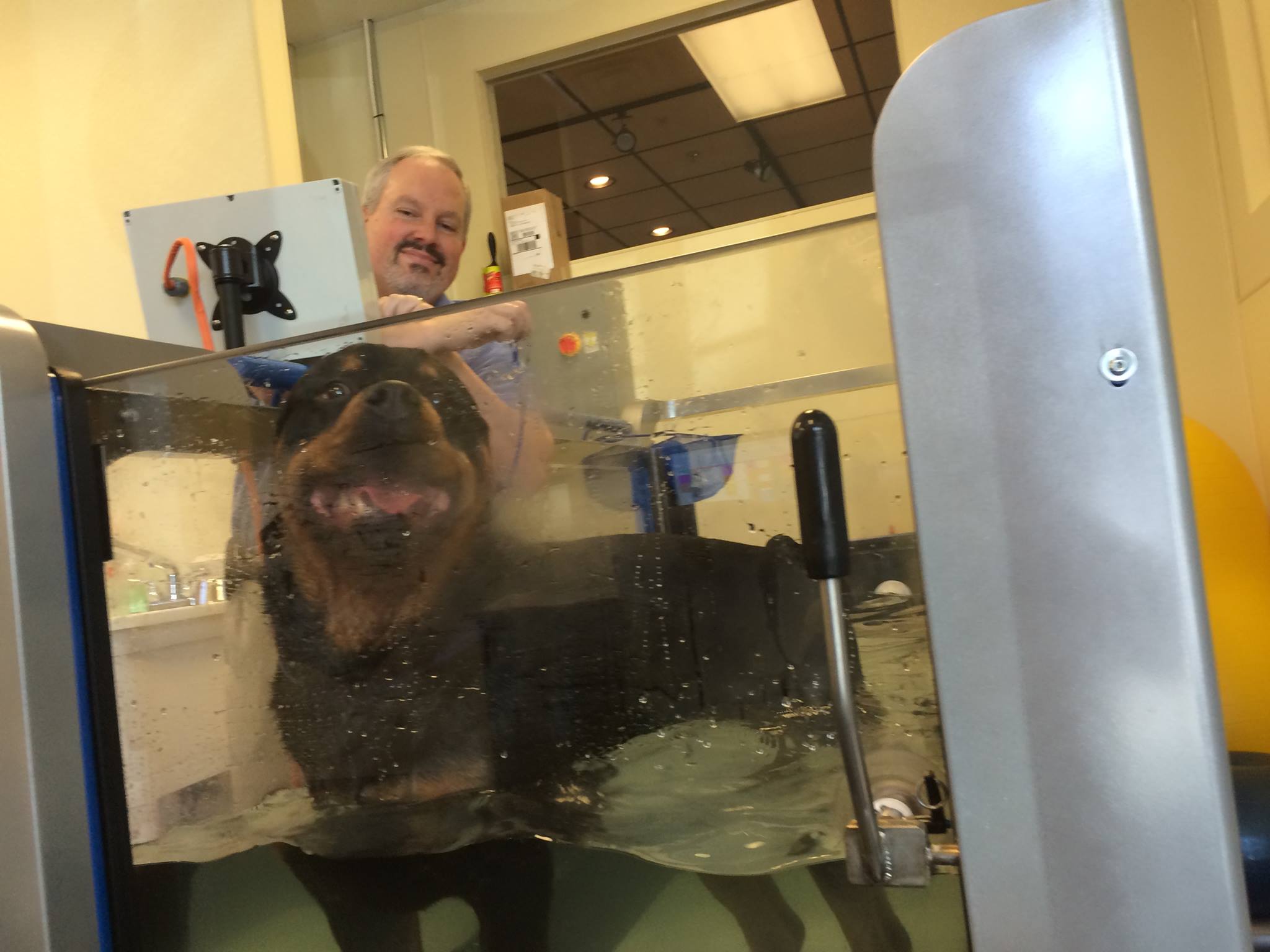
“I was working out,” says Sobek.

If your dog will spend any time using an underwater treadmill, I have a few training tips for you. For the last three weeks, Sobek has been rocking hydrotherapy, but we had to make a few training tweaks so he could really love it. The week following his first hydro session, Sobek kept pulling to jump in the tank—it’s his favorite part now!


 Trust your canine rehab specialist. He has successfully introduced hundreds of dogs to hydrotherapy and water tank.

These experts will guide you along the process.


Benefits of Hydrotherapy

The difference in Sobek’s gait has been remarkable every time he finishes a hydrotherapy session. He moves fluidly and really extends out his repaired knee (post TTA surgery for ACL rupture). Now, I’m not a canine rehab specialist, but I am a dog trainer. I can certainly provide you hydro training tips for your dog. Check out this link for details on canine hydrotherapy.

Getting in the Hydrotherapy Tank

Sobek walked into, sniffed around and walked away from the hydrotherapy tank before he began his first session. Our rehab guy was so patient, as Sobek sniffed each corner from top to bottom and turned around several times. Once he walked out the tank, we asked him to walk back in and closed the door.

Sound of Water Filling Up

As the tank door closed, I started clicking and treating while Sobek stood still. As our rehab expert hit the button to start filling the tank, I clicked and gave Sobek several treats since the loud rushing sound could be scary.

As water filled the tank, Sobek would pick up a front foot so I clicked and treated when all four feet were on the ground. By pairing treats with the rushing sound, he quickly learned to relax and stay calm.

RELATED: Healthy Dog Treats

Walking Forward

Once the treadmill started moving, I positioned myself directly in front of him with treats. He could easily see me through the clear door. As he started walking forward, I clicked and treated. Now, dogs are wicked smart! Within a minute, Sobek learned to stand on the side railings preventing him from walking. Basically, he was cheating. 🙂 Using a treat, I lured him back on the moving treadmill and clicked and treated steady, forward movement.

Drinking Hydro Water

For some reason, Sobek drank the hydrotherapy water when the tank was filling up, while he was walking and when the water was draining. I think this was caused by stress. To prevent, I clicked when he stopped drinking and gave him a treat. Plus, pairing really good treats with a stressful situation will eventually decrease his stress.

VIDEO: Canine Hydrotherapy Training Tips

READ MORE: Canine Rehabilitation

Filed Under: Health, Training Tagged With: canine hydrotherapy tips, teaching dogs to love hydrotherapy, teaching your dog hydrotherapy, underwater treadmill for dogs

Canine Rehabilitation

April 14, 2015 by Fanna Easter

Why Your Dog Needs Rehabilitation

Canine RehabilitationAs our veterinary surgeon explained very delicately after Sobek’s TTA (cruciate ligament repair) surgery, “Surgery is 10 percent, rehab is the other 90 percent.” Sobek is a young dog. He’s only two years old and my goal is having him back to full function.
How Rehab Helps

If your dog is limping, he’ll have limited range of motion and decreased muscle mass in his injured leg. The old saying “use it or lose it” comes into play after an injury, but it’s easier said than done, right?

Here’s where a canine rehabilitation expert fits in. He’ll measure your dog’s range of motion and muscle mass to design a program that will rebuild and strengthen his injured leg. Plus, it’ll teach your dog to use his repaired leg again.

RELATED: Dog Cruciate Ligament Surgery

Weekly Expert Follow-Up

Just having weekly expert validation that Sobek’s knee was healing correctly gave me peace of mind. If there were any questions, he would contact my vet, which put me at ease as well. Each week, Rob Newman at Canine Rehabilitation of Nashville looked, touched and moved Sobek’s repaired knee either in ROM (range of motion) exercises or while stretching, making sure it felt normal. Today, he found an internal suture that worked itself out, which he explained is totally normal. Whew!

Physically Challenging

During each visit, Rob asked how Sobek recovered from the previous session. If he was sore, we kept the week’s exercises the same as last week. If he was better, we increased them slightly.

Now, not only did Rob listen carefully to my feedback, he also watched Sobek’s movement. During one visit, I mentioned Sobek was doing really well. However, Rob noticed he was not using his repaired leg properly so Rob customized Sobek’s weekly session to address it. Wow! Sobek did well and was much better afterwards and during the week. And folks, I consider myself a seasoned dog expert and I missed it. Thank goodness for Rob!

At Home Practice

After each rehab session, Rob provided written exercises to continue at home. He clearly explained and demonstrated each exercise, then allowed me to practice to ensure the correct muscle was engaged correctly. Trust me, having an expert watch you practice ROM exercises with your dog’s repaired leg is much better than watching a YouTube video. 🙂

You may also like: How to Choose a Dog Ramp

Filed Under: Health, Resources Tagged With: canine rehab, canine rehab worth it, canine rehabilitation of Nashville review, canine rehabilitation reviews, is canine rehab work it, rehab after TTA surgery, rehab dog cal, should my dog have rehab

Choosing a Canine Rehab Specialist

April 13, 2015 by Fanna Easter

Rehab Specialists for Dogs

Canine Rehabilitation
Rod Newman and Sobek finishing a hydrotherapy session.

Luckily, our veterinary surgeon shares her office with an excellent canine rehabilitation specialist so I didn’t have to look far. Remember, experience matters. It’s important to locate an expert in your area who can work with you and your dog, and has experience with your dog’s rehab needs.

Veterinarians Board Certified in Rehabilitation

The American College of Veterinary Sports Medicine offers canine rehabilitation certifications for veterinarians looking to specialize and offer these services in their practice. Most canine rehab certified vets are located in larger cities, which is far for most patients. If you’re lucky enough to live within driving distance, make an appointment today!

Certified Canine Rehabilitation Practitioner

A couple of veterinary schools offer canine rehabilitation courses for veterinarians and vet technicians plus human physical and occupational therapists, assistants and students. Check out:

University of Tennessee Canine Rehabilitation Certificate Program

Canine Rehabilitation Institute of Colorado State University

Sobek’s canine rehab specialist Rod Newman completed UT’s Canine Rehabilitation Course after earning his master’s degree in Exercise and Sports Science with a concentration in Rehabilitation and he rocks!

But Who’s Working With You?

Once you find a wonderful canine rehab specialist, make sure he or she will be participating during each scheduled appointment. Don’t get me wrong. Non-certified assistants and vet techs are great, however, it’s important your dog is closely monitored by a certified expert when performing exercises and hydrotherapy.

Rehab Specialist and Vet Partnership is Important

Before starting canine rehab with your dog, you’ll need a referral from your veterinary surgeon. It’s important your canine rehab specialist works closely with your dog’s veterinary surgeon who performed the surgery in case of setbacks, increased pain and progress updates.

Filed Under: Health, Resources Tagged With: canine rehab tips, canine rehabilitation choosing, canine rehabilitation of Nashville review, choosing a canine rehab person, finding a canine rehab person, how to find rehab dog

My Dog is a Messy Eater

April 7, 2015 by Fanna Easter

What to Do if Your Dog is a Messy Eater

Dog Eating

Oi, some dogs insist on spilling or carrying kibble to another spot to consume and I’m not exactly sure why this happens, but it does. So let’s tidy up our dog’s eating habits.

Place Mat Under Dog Bowl

If your dog picks up and chews her food next to the food bowl, try placing an easy-to-clean mat under her bowl. Not only will a mat catch crumbs, it’ll also protect flooring from moisture.

For food-relocating dogs, try adding a floor protector over their coveted eating location to protect flooring and keep the area tidy. This works 50 percent of the time and the other relocating percent finds another area to eat in peace.

Try Food Stuffed Toys

Stuff your dog’s daily meals into a food dispensing toy. My favorites are Kongs and the Kong Wobbler. Not only will this keep things tidy, but your dog will also be exhausted after each meal.

For food forging dogs, play along and scatter their food along a rug. They’ll sniff, hunt and chew each kibble. When they’re done, pick up the rug.

Add Yummy Stuff

Sometimes, adding yummy stuff, such as canned food or yogurt, encourages your dog to finish his meal quickly, meaning eating out of his food bowl. It’s worth a try!

Feed Him in Crate

Nothing like having raw bovine liver dragged across our white carpet, huh? My raw fed dogs eat in their crates. It’s super easy to clean afterwards, using a gentle disinfectant, such as Seventh Generation’s Lemongrass Spray. On nice days, try feeding your dogs outside. This works well for raw meaty bones.

Filed Under: Dogs, Games, Health, Training Tagged With: dog doesn't eat in bowl, dog messy eater, dog won't eat in bowl, puppy messy eater, puppy won't eat in bowl

Feeding Multiple Dogs at Once

April 3, 2015 by Fanna Easter

How to Feed Multiple Dogs at Once

Keeping the Peace

How to Feed Multiple DogsTwenty percent of pet loving homes have more than one dog and, if you’re lucky, meals times are a breeze. To keep the peace or prevent resource guarding issues, follow these best practices. Also, these tips work great if your dog is dieting. They keep him from munching your other dog’s food!

Use Separate Bowls

Dogs should eat their meals from their own bowl. This prevents squabbles and ensures each dog is eating his food. Many times, when food bowl sharing happens, you’ll notice one dog becoming fluffy and the other looking thin so it’s important each dog has his measured food portion placed into his own bowl.

Add Canned Food or Yogurt

If this happens, simply pick up his bowl and place on counter or in refrigerator. If your dog is a picky or slow eater, try adding canned food or yogurt to his meal to encourage emptying his bowl completely.

Feed Dogs in Crates

For multiple dog households, this is an excellent best practice. For 24 years, my dogs have eaten in their crates or behind a gate. This prevents squabbling over food as well as bullying behavior (staring at the other dog until he moves away from his bowl), and I know if my dogs have eaten their meals. Dog obesity is on the rise, and I find dieters will go searching for any morsels they can find so keep your dog confined until all dogs have finished their meals.

RELATED: How to Stop Bullying Behavior

Store Cat Food Away From Your Dog

Dogs love cat food and they’ll invent clever antics to get to it. Place cat food in a high place, such as a washer or dryer. If your dog can still reach it, place a tall baby gate with a small cat door opening in your laundry room. Now, your cat can eat in peace.

You may also like: Preventing Dogs From Fence Fighting

Filed Under: Health, Resources, Safety Tagged With: dog bullying over food, dog steals other dogs food, feeding dogs together, feeding multiple dogs at once, feeding multiple dogs same time, feeding several dogs tips, feeding two dogs, free feeding dogs, keeping dog from eating cat food

  • « Previous Page
  • 1
  • …
  • 29
  • 30
  • 31
  • 32
  • 33
  • …
  • 40
  • Next Page »

About

Dog Training Nation is a community of dog trainers, dog owners and dog lovers. Our mission is to provide trainers and owners valuable information to enrich dogs' lives. We cover a range of topics, from socializing puppies to dealing with aggressive dog behavior to selecting the best dog products. It is our hope you share our content to make the dog and owner world a better place.

​

Facebook

Video

Dog Training Nation is a dog training blog for pet owners and dog lovers. We cover a range of topics from puppy socialization tips to dog aggression to dog health. It is our hope you share our content to make the world a better place for dogs.

Dog Training Nation

Quick Links

Dog Training
Dog Behavior
Dog Training Videos
Become a Dog Trainer
About
Contact Us

Copyright © 2026 · Lifestyle Pro Theme on Genesis Framework · WordPress · Log in