Dog Training Nation

In Dogs We Trust

  • Home
  • Training
    • Dogs
    • Puppies
    • Clients
  • Behavior
    • Breeds
  • Health
  • Safety
  • Resources
    • Equipment
    • Books
  • Dog Training Videos
  • About
You are here: Home / Archives for Health

Best Joint Supplements for Dogs

March 10, 2015 by Fanna Easter

Over-the-Counter Dog Joint Supplements
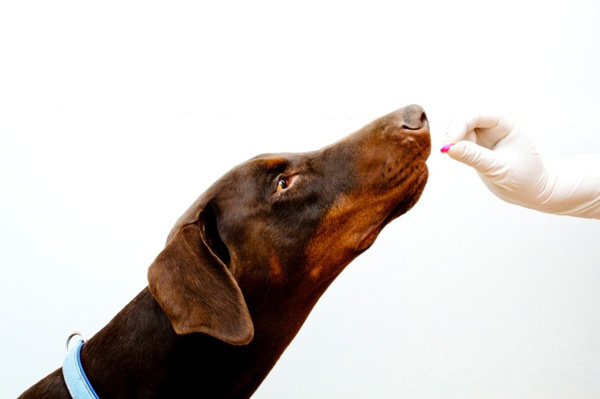
Joint Supplements for DogsWhen Sobek ruptured his cranial cruciate ligament, our ER veterinarian recommended glucosamine, chondroitin, MSM and fish oil to prevent osteoarthritis. Loaded with this information, I began researching different supplements. Here, I recommend dosage amounts plus product brands.

With any joint issue, controlling inflammation is a must. As with anything, a combination approach usually works best. Given the number of products available, it’s hard to know which supplements really work and which should be left on the shelf.

Supplements

Glucosamine is the gold standard for keeping osteoarthritis to a minimum, but mixed with chondroitin and methylsulfonylmethane (MSM), you have a powerful combination to prevent and reduce joint inflammation. Plus, green-lipped mussels, fish oil and collagen supplements kept popping up while researching joint supplements.

Vetri-Science Glyco Flex

This is my favorite product. I’ve had great results for both dogs and myself. This product contains the powerhouse supplements, such as glucosamine, MSM and chondroitin, as well as green-lipped mussels and grape seed extract plus extra vitamin C and E, which have shown great results when combined.

After being diagnosed with a herniated disc and enduring several bouts of Sciatica, I searched relentlessly for a joint supplement that works. My chiropractor recommended Vetri-Science Glyco Flex II and I felt favorable results within two weeks. I take two tablets in the morning with breakfast and it does keep Sciatica at bay (fingers crossed).

Vetri-Science Glyco Flex offers different formulas and strengths, ranging from prevention to post surgical orthopedic recovery. The moment Sobek was diagnosed with a ruptured cruciate ligament, I began adding Glyco Flex II to his meals. Post TTA surgery, I started Glyco Flex III to his meals.

Cosequin by Nutramax Laboratories

Cosequin by Nutramax Laboratories is a great joint support brand offering different stages depending on dosage needed for pets. Chewable tablets or capsules contain manganese, glucosamine and chondroitin.

Dasuquin by Nutramax Laboratories

If price is an issue, as supplements can easily creep up to $50 per month for a larger dog, Nutramax Laboratories developed Dasuquin. Personally, I haven’t used this product. However, I’ve heard glowing testimonials from pet parents so it’s definitely worth a try.
Filed Under: Health, Resources

Crate Rest Games for Dogs

March 9, 2015 by Fanna Easter

Stretches for Crate Rest Games

Dog Crate
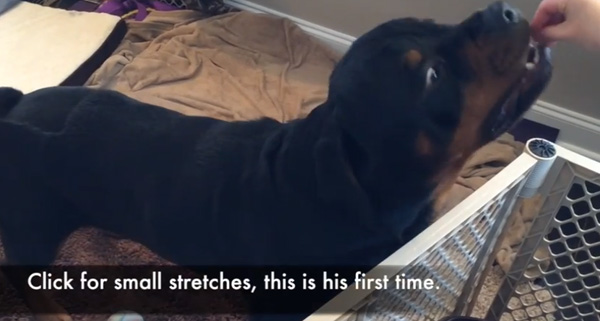
Click and treat for small stretches.

I’ve researched crate rest games and there are some really good ones out there! So I created a list of a few since Sobek is the perfect candidate while recovering from cruciate ligament repair (torn ACL).

Depending on your dog’s injury, always consult your vet before performing any stretches. Be safe first!

Stretches are Good

Usually crate rest is prescribed after orthopedic surgery, meaning dogs should keep walking to a minimum during the first critical weeks. Sobek really enjoyed neck, shoulder and chest stretches. I noticed increased mobility during short potty walks. His neck and shoulders work harder, as he favors his repaired knee–poor baby boy!

Practice one stretching session in the a.m. and p.m.

Lure Dog’s Nose to Shoulder (Beginner Level)

With this stretch, your dog will stretch his neck and shoulder muscles. Move at your dog’s pace. His nose doesn’t need to touch his shoulder. You’re looking for tiny stretches in the beginning. Never force your dog’s head toward his shoulder, as this will make things worse. With continued practice sessions, your dog will become more flexible over time.

If your dog knows “touch,” replace the lure with your hand, then click and treat when your dog touches your hand.

You’ll need six yummy treats about the size of a penny and a clicker/marker word.

  • Hold lure in your right hand (or left, if you’re left-handed).
  • Place lure on your dog’s nose.
  • Slowly, lure your dog’s nose diagonally toward his left shoulder.
  • Click and give him the lure (treat).
  • Practice two more times.
  • Now, lure your dog’s nose toward his right shoulder. You may notice one side has more flexibility, which is normal.
  • Practice two more times.

VIDEO: Stretches for Crate Rest Games: Up and Down

Stretch Neck Up and Down

Picture a clock. You’ll lure your dog’s nose up into the 12 o’clock position. This will stretch your dog’s neck and chest. You’ll need several yummy treats about the size of a penny.

If your dog knows “touch,” replace the lure with your hand, then click and treat when your dog touches your hand.

Head Up

  • Holding a lure in your right hand, lure your dog’s head up. His nose should be pointing up in the air.
  • Refrain from lifting the lure up too high. You don’t want your dog to stand or sit up. You just want him to extend his neck and lift his head up.
  • Click and give him the treat (lure).
  • Practice two more times.

Head Down

  • Your dog can be sitting or lying down, whichever is most comfortable.
  • Place a lure on your dog’s nose and lure his nose toward the ground.
  • Click and give him the treat (lure).
  • Practice two more times.

Holding Stretches for One Second

After several practice sessions, hold the lure in position for one second, then click and treat.

Happy stretching!

You may also like: Teaching Your Dog the “Go to Place” Cue

Filed Under: Games, Health, Resources Tagged With: crate rest activities, crate rest game cruciate ligament surgery, crate rest games, crate rest games after acl surgery, dog neck stretch, shoulder stretches for dogs

How to Brush a Dog’s Teeth

February 13, 2015 by Fanna Easter

Brushing Your Dog’s Teeth

How to Brush a Dog's Teeth
avevstaf/Deposit Photos

As much as we put it off, it’s vital to brush your dog’s teeth several times a week. Our veterinary dentist recommends daily, but as much as I try, I usually average 3-4 times per week. Brushing your dog’s teeth should be quick and easy, and without force. Check out these positive training tips!

How to Brush Your Dog’s Teeth

This is easily the most important step because if your dog hates it, then you’re less likely to brush your dog’s teeth. Children are taught to accept teeth brushing as a normal part of their daily routine.

Practice each step for a few days with 5 reps of each. Once your dog will easily complete each step, move on to the next step.

Introducing a Toothbrush

  • Using a VOHC-approved toothbrush, hold it in front of your dog and click/treat when he looks at it.
  • Now click/treat when he touches it with his mouth or nose.

Putting a Toothbrush in a Dog’s Mouth

  • Put dog-approved toothpaste on the toothbrush and place it in front of your dog. Most doggie toothpastes are flavored so your dog will lick the toothpaste off the brush. This is a good thing, as your dog is actually cleaning his tongue. 🙂
  • Place toothbrush with toothpaste in your dog’s mouth. You’re not brushing yet, just placing the brush in his mouth. Click and treat as the toothbrush touches your dog’s mouth.
  • If your dog is uncomfortable with you touching his mouth, check out this article.

Brushing Teeth

  • Place toothbrush with paste in your dog’s mouth and brush 1-2 teeth and end session. Click and treat as you’re brushing the second tooth.
  • Continue to extend teeth brushing sessions until you’re able to brush one side of your dog’s mouth.
  • Now, try brushing the other side of your dog’s mouth.
  • Lastly, brush both sides.

More:
Small Dog Dental Care Tips
Large Dog Dental Care Tips
5 Reasons Why You Need a Dog Dentist
Why You Should Get Pet Insurance

Filed Under: Health

Small Dog Dental Care Tips

February 13, 2015 by Fanna Easter

Dental Care for Small Dogs

Dog Dental Care
Brushing keeps plaque away!

“In a small breed dog without home dental care, periodontal disease can start as early as 9 months of age,” states the American Animal Hospital Association (AAHA). Now knowing this valuable bit of information, it’s important to follow a combination approach for small dog dental care.

Tooth Brushing

Brushing your dog’s teeth is the single most effective means to maintain oral health between professional dental examinations. By regularly brushing your small dog’s teeth, you’re removing “the bacterial film known as ‘plaque,'” which keeps periodontal disease away, cited by the American Veterinary Dental College (AVDC).

Small dog toothbrush

Before teaching, choose a Veterinary Oral Health Council (VOHC) approved dog toothbrush. The VOHC recommends “American Dental Association (ADA) compliant, soft-bristle, flat head toothbrush.”

The size of the toothbrush is important. For a small to medium-sized dog, I recommend a child-sized brush. For tiny dogs, using your toothpaste-covered finger tip, swabs or dental wipe work well too.

RELATED: Best Dental Products for Dogs

Dog toothpaste

Choose a toothpaste made especially for dogs. Human toothpastes have high levels of fluoride as well as bleaching agents and detergents, which are toxic to pets. Plus, dog toothpaste is usually flavored, which makes tooth brushing a tad easier. So far, VOHC recommends Petsmile by Supersmile dog toothpaste, which comes in beef flavor to effectively keep plaque at bay.

Pressure

With such a small dog mouth, it’s hard to gauge pressure when brushing teeth. Bristles should touch teeth, but they should not flatten against teeth. Allow the bristles to do the work. When using wipes or swabs, gently move back your dog’s lips so you’re sure you’ve covered all tooth area. If your small or medium-sized dog is uncomfortable with mouth handling, check out this article.

Chews, Treats and Vet Exams

Tooth brushing is one part of small dog dental care. It’s important to provide chews and treats that scrub your dog’s teeth too. Check out VOHC’s recommended products, which are proven to remove tartar and plaque. Yearly vet exams of your small dog’s mouth are a must, as they can provide additional tips as needed.

VIDEO: Brushing a Small Dog’s Teeth

READ ALSO: 5 Reasons Why You Need a Dog Dentist

Filed Under: Health Tagged With: brushing small dog teeth video, how to brush small dog teeth, small dog dental care, teaching small dogs teeth brushing

Large Dog Dental Care Tips

February 13, 2015 by Fanna Easter

Dental Care for Large Dogs

Large Dog Dental Care“Periodontal disease usually appears around three years of age in larger dogs,” cites the American Animal Hospital Association (AAHA). This is worrisome, as most pet parents consider periodontal disease as a senior dog issue. Before reaching for a dog chew, upon hearing this news, it’s best to use a combination of dental care products for best results.

Tooth Brushing

Brushing your dog’s teeth is the single most effective means to maintain oral health between professional dental examinations. By brushing your dog’s teeth, you’re effectively removing the bacteria film known as plaque, which prevents periodontal disease, according to the American Veterinary Dental College (AVDC).

Before you grab any old toothbrush and paste, check out a few tips on choosing products that work. Then, learn how to teach your dog to enjoy tooth brushing, which increases owner compliance. Since it’s easy and fun, we are more likely to continue doing it. 🙂

Choosing a Toothbrush

Before teaching your dog to enjoy the tooth brushing experience, choose a Veterinary Oral Health Council (VOHC) approved dog toothbrush. The VOHC recommends American Dental Association (ADA) compliant, soft-bristle, flat head toothbrush. For large to giant dogs, I recommend an adult or children-sized brush — whichever is easiest for you to hold and maneuver.

Dog Toothpaste

Always use toothpaste made especially for dogs, as human toothpaste contains high levels of fluoride, bleaching agents and detergents, which are toxic to pets, especially if swallowed. Plus, dog-specific toothpastes are usually flavored, which is very enticing for dogs and makes tooth brushing a bit easier.

Pressure

Use light pressure when brushing your dog’s teeth. The bristles should be touching teeth, not flatten against teeth. Stop frequently, and check, as rough tooth brushing will cause damage to gums.

Chews and Treats

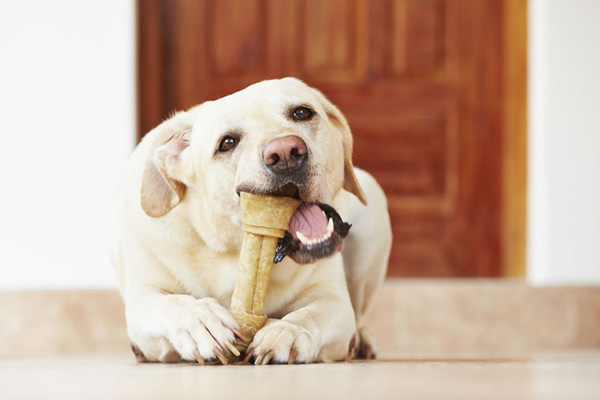
With larger dogs, we usually provide extremely hard chews and treats because large chews are expensive. It’s tough watching your Rottweiler devour a $10 bully stick in 10 minutes — I’ve been there! However, those large and extremely hard chews can cause slab fractures and broken teeth, which usually goes unnoticed by pet owners.

So what are large dog owners to do? Choose VOHC-approved products, which have been proven to remove plaque instead of those huge plastic bone-shaped chews. As for treats, I started giving Science Diet T/D nuggets for good behavior, such as coming when called outside. Wow, I was shocked at how clean both of my dog’s teeth were even after one week.

RELATED: “Come When Called” Part 1: Intro

Vet Wellness Exams

Regular checkups are vital, as your vet can take a peek in your dog’s mouth and look for anything abnormal. Plus, it’s kind of nice showing off your dog’s pearly whites because you’ve been good and you followed your dog’s dental care program!

READ ALSO: 5 Reasons Why You Need a Dog Dentist

Filed Under: Health

  • « Previous Page
  • 1
  • …
  • 34
  • 35
  • 36
  • 37
  • 38
  • …
  • 40
  • Next Page »

About

Dog Training Nation is a community of dog trainers, dog owners and dog lovers. Our mission is to provide trainers and owners valuable information to enrich dogs' lives. We cover a range of topics, from socializing puppies to dealing with aggressive dog behavior to selecting the best dog products. It is our hope you share our content to make the dog and owner world a better place.

​

Facebook

Video

Dog Training Nation is a dog training blog for pet owners and dog lovers. We cover a range of topics from puppy socialization tips to dog aggression to dog health. It is our hope you share our content to make the world a better place for dogs.

Dog Training Nation

Quick Links

Dog Training
Dog Behavior
Dog Training Videos
Become a Dog Trainer
About
Contact Us

Copyright © 2026 · Lifestyle Pro Theme on Genesis Framework · WordPress · Log in