Dog Training Nation

In Dogs We Trust

  • Home
  • Training
    • Dogs
    • Puppies
    • Clients
  • Behavior
    • Breeds
  • Health
  • Safety
  • Resources
    • Equipment
    • Books
  • Dog Training Videos
  • About
You are here: Home / Archives for Health

5 Reasons Why You Need a Dog Dentist

February 12, 2015 by Fanna Easter

Dog Dentists

Dog Dentist

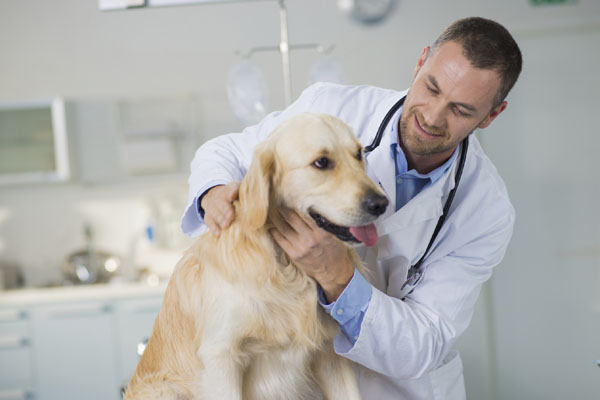
Dog dentists are veterinarians who have been board certified in dentistry. They’ve graduated vet school, completed a three-year dental residency and passed the American Veterinary Dental College. These experts provide specialist care for dental needs. Before you giggle, let’s chat about the seriousness and five reasons why you need one.

Routine and Periodontal Care

You may want to sit down before reading this. According to Dr. Keith Stein, DVM, AVDC, over 80% of dogs 3 years and older have a dental disease. Yes, plaque is probably forming in your dog’s mouth right now. Leaving it untreated can cause periodontal disease. Nasty plaque buildup causes bacteria to creep under the gum line and travel to your dog’s heart, liver and kidneys, causing damage. Routine cleanings are a must for all dogs. If you’re dog’s teeth have been neglected, seek guidance from a veterinary dentist.

Endodontic Therapy: Root Canals & Crowns

Dog teeth can and do break more often than you think, and usually unbeknownst to the pet parent. Most pet parents notice their dogs hiding, seeming a bit off, not wanting to eat or finish meals. Upon exam, a broken or abscessed tooth is discovered. Ouch! As many as 60% of pet owners report friskiness once broken teeth are repaired.

Your veterinarian will likely refer you to a veterinary dentist for evaluation because root canals and crowns can save teeth. We think of dental disease as a small dog problem. There is some merit to it, as small dogs have big teeth in a tiny mouth, so plaque collects and causes periodontal disease.

Now, medium and large dogs have dental issues too. They are more likely to chew something hard and crack teeth. Plus, it’s not easy removing teeth from a larger dog, especially large molars and canines, so seek advice from a veterinary dentist first. Root canals and crowns work exactly the same as human dentistry.

Orthodontic Therapy: Malocclusions

Malocclusion means teeth don’t fit or line up correctly, which can cause fractures, pain and discomfort, higher risk of periodontal disease, soft tissue trauma and premature dental weariness. Malocclusions are mostly seen in brachycephalic (short muzzled) breeds, such as Boxers, Bulldogs, Shih Tzus and Boston Terriers. Now, all dogs are prone to malocclusions, even long muzzled dogs, as this is considered hereditary.

Stella, my Miniature Bull Terrier, had a malocclusion. Her bottom canines did not fit perfectly within her top canines. Her right bottom canine punctured a hole in her pallet (soft tissue damage), which caused pain when eating. Dr. Keith Stein DVM, AVDC, at Tennessee Veterinary Dentistry and Oral Surgery shortened, capped and performed a root canal to save Stella’s canines and pallet. She can now eat and chew normally, and is frisky as ever!

Oral Masses

Oral tumors account for 10% of all tumors found on dogs. Usually masses need to be removed, depending on type and location as well as if they’re malignant or benign. Wound healing is tough in a dog’s mouth. There’s moisture and bacteria so this is the time to lean on a specialist.

Oral Radiology

Over 60% of a dog’s tooth is under the gum so X-rays are pretty important for identifying tooth issues. Veterinary dentists are trained to spot issues and equipped to treat them too. Just like your dentist reads dental X-rays all day, I would trust a veterinary dentist to do the same for my dogs.

All dogs deserve a glistening smile and live pain-free. Now you know veterinary dentists are out there and willing to help!

READ ALSO: Best Dental Products for Dogs

Filed Under: Health Tagged With: can you fix malocclusion for dogs, canine periodontal care, canine periodontal disease, does my dog need a dog dentist, dog braces, dog crown, dog dentist, dog dentistry, dog dentists, dog root canal, malocclusion for dogs, malocclusion for puppies, oral masses in dog's mouth, removing a tumor in dog's mouth, tumors in dogs mouth, veterinary dentists, what is a dog dentist

Best Dental Products for Dogs

February 12, 2015 by Fanna Easter

VOHC-Approved Dental Products

Dog Dental Care
Look for VOHC’s seal of approval for best results.

Dental disease affects 70% of dogs 3 years and older. As concerned pet owners, we scour the earth looking for the best dental products for dogs. Boy was I schooled on dog dental products during my last veterinary dentist visit. Thank you Dr. Keith Stein, DVM, AVDC!

What is VOHC?

Veterinary Oral Health Council (VOHC) was created by the Academy of Veterinary Dentistry and American Veterinary Dental College (AVDC) with the sole purpose of creating standards of approval for products proven to control and remove plaque on your dog’s teeth. Many companies claim it, but does it really work? VOHC has preset criteria on testing chews, gels and water additives. Each category has specific criteria plus additional requirements.

Let’s look at chews. Not only is there a specific criteria set for trails, protocols, control diets and much more, but VOHC also requires chews to not “cause inflammation, ulceration or laceration anywhere in the oral cavity.” How many times have you noticed blood on chews? I know, so have I, so it’s not a good thing. Your dog is damaging his mouth.

Look for VOHC Seal of Approval

Dogs will chew on anything, but, if you’re shelling out hard-earned cash, choose products that clean teeth and gums while keeping dogs occupied. There’s a lot of claims out there on water additives and dental gels so choose VOHC for maximum benefits.

VOHC Recommended Products

Honestly, I’m not surprised at their product recommendations. Most are well known and really do work. Do note there are a few newcomers too! As a pet parent, it’s super nice to know these products have been proven under stringent testing protocols.

Products include:

  • Prescription and Regular Foods (e.g. Science Diet Oral Care and TD).
  • Chews and Treats: Greenies and Milk Bone.
  • Toothbrush: ADA compliant soft bristle flat head toothbrush.
  • Toothpaste: Petsmile by Supersmile toothpaste.
  • Water Additives and Gels: Dog::Essential (We’ve been using their water additive at our home for a few weeks now and I’m totally impressed!) Take a peek at their trails.

You can find all VOHC recommended products here. Stella had a dental cleaning by Dr. Stein and her teeth are still sparkling white after several weeks. Sobek, my Rottweiler, had some minor accumulation on his back molars, which these products have certainly helped remove tartar and keep it away.

READ ALSO: 5 Reasons Why You Need a Dog Dentist

Filed Under: Health Tagged With: avdc, best dental products for dogs, best toothbrush for dogs, best water additive for dental issues dogs, dental dog chews, dental dog cleaning products, dog dental care, dog dental cleaning aftercare, dog dental water additive, dog gums, dog teeth, dog teeth cleaning, dog::essential review, dog::essential water additive review, greenies, how to keep my dog's teeth clean, veterinary oral health council, vohc, vohc product recommendations

Cruciate Ligament Repair in Dogs

February 11, 2015 by Fanna Easter

Survival Guide After Injury

Cruciate Ligament in Dogs
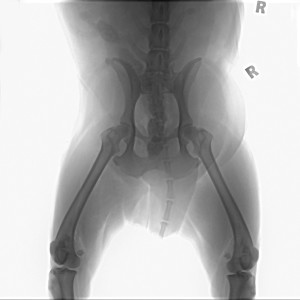
Always confirm diagnosis of cruciate ligament tears.

It just happened to me. Sobek, my Rottweiler, was gleefully playing outside and the unexpected happened. He yelped and refused to put weight on his left rear leg. After an ER visit, it was confirmed. Cranial cruciate ligament tear. Darn!

This last week has been a whirlwind of research. Should Sobek have surgery? If so, how should I choose a veterinary surgeon and how should I prepare? As a seasoned dog person, I was totally overwhelmed so I’m more than happy to share my finding with you. Hopefully, this will make things a tad easier. If this should ever happen to you and your dog.

Right After the Injury

Take a few deep breaths and bring your dog inside. Contact your vet and schedule an appointment. It may not be a partially or completely torn cruciate ligament.


Always confirm diagnosis of cruciate ligament tears.


Until your vet appointment, walk your dog during potty breaks on leash. It’s important to stop dogs from running and playing, which could cause further injury. Secondly, keep your dog quiet in your home. When I crate Sobek, he seemed a tad more sore, as I’m sure he could not extend out his hurtful leg. I created a gated off area in our living room with toys and chews so he could fully extend his legs during naps while keeping him still. Sobek is 2 ½ years old so keeping him quiet has been a challenge.

Surgery or Not?

Oh, there’s a ton of information out there, but tune out the noise and ask the experts. Conservative management (CM) is an option, which means keeping your dog quiet while allowing your dog’s knee to repair itself. Now, CM does not mean crate your dog for 6 months — that’s actually the worse thing you could do. CM involves a long process of rehabilitation and massage as well as using a brace and laser treatment for a minimum of 6 months.

RELATED: Conservative Management

When Sobek partially tore his cruciate ligament, I contacted several board certified veterinary orthopedic surgeons. Every one of them stated that CM provides best results for dogs under 30 pounds and older dogs with lower energy levels. I’ve read of several large dogs healing fine with 6-8 months of CM. This is your decision. Personally, I would rather do CM over surgery any day, but Sobek is young, has high energy and weighs 120 pounds.

Choose a Board Certified Veterinary Surgeon

Cruciate ligament tears are so common that most general practitioner vets are offering these services, but I highly recommend choosing a board certified veterinary surgeon instead. Veterinary surgeons have “undergone additional training after veterinary school in order to become a specialist. This training consists of a minimum of a 1-year internship followed by a 3-year residency program that meets guidelines established by the American College of Veterinary Surgeons (ACVS)” per the ACVS.

Plus, these experts are trained using the most updated techniques and are required to handle difficult cases on a daily basis. Most repair 100-150 cruciate ligaments per year. Think about it: Would you allow your general practitioner to perform knee surgery on you? Probably not so seek out an expert in your area. Your regular vet will send a referral to your chosen veterinary surgeon and an exam will be scheduled. Find a board certified veterinary surgeon at ACVS’ website.

TTA and TPLO: What Should You Do?

Oh this decision tormented me. I had a tough time choosing which surgical repair worked best for Sobek so I turned to research data.  TTA and TPLO actually provide the same results even though the surgeries are different. My advice is to pick a veterinary surgeon and discuss options. The surgeon will spend plenty of time discussing all options and making recommendations. If you’re not comfortable with this surgeon, choose another one. You’ll be in contact with her for the next 6 months so find one you trust.

Find a Qualified Canine Rehabilitation Expert

This is the secret ingredient: Rehab matters! Sitting at home with a bum knee will make it worse. You must use it to regain full range of motion and build or maintain muscle mass. Your veterinary surgeon will usually have recommendations. With your rehab specialist and surgeon, you’ll create a custom post-op plan for your dog. Rehab is a must after surgery. All I can say is go, go, go! We found an excellent rehab specialist who will work with our veterinary surgeon. They’re actually in the same building!

Ask questions. Tune out all the noise (different opinions) and choose a veterinary surgeon you trust. Be your dog’s voice!

READ ALSO: Preparing for Dog Cruciate Ligament Surgery

Filed Under: Health Tagged With: choosing a vet surgeon to repair a torn ligament, cruciate ligament in dogs, cruciate ligament in dogs conservative treatment, cruciate ligament in dogs treatment, cruciate ligament surgery, how to choose a veterinary surgeon, repairing a torn cruciate ligament in dogs, torn knee ligament dog

Preparing for Dog Cruciate Ligament Surgery

February 11, 2015 by Fanna Easter

Preparing Your Dog’s Recovery Area

Cruciate Ligament in Dogs
Prepare a comfy and enclosed area for your dog to recover.

If you’ve decided to pursue dog cruciate ligament surgery, check out these tips to prepare your dog for surgery. It’s best to prepare your dog’s recovery area before he comes home from surgery.

Your Dog’s Recovery Area

The first several days (day 1 to day 6) are the toughest so prepare a comfy and enclosed area for your dog. It’s best to place your dog’s recovery area in the living room where the family spends the most time so you can keep a close eye on his recovery. If you’re lucky to have your bedroom on the first floor, as walking up and down the stairs is a no-no, add an additional area next to your bed. If not, take a look at the tips below.

Choose a Quiet Location

If you have young children or several other dogs, choose a quieter area where you can still monitor your dog’s recovery. If needed, you can block off an area to prevent young children or other dogs from peeking in and disrupting your post-op dog.

Gates (Enclosed Area)

When you’re home, an enclosed area with freestanding gates are extremely helpful. Your dog can stretch out under your supervision. When setting up an enclosed area, choose foldable gates that are sturdy. The metal ones can be easily knocked over while a post-op dog tries to turn around. Personally, I recommend North States Industries Superyard In-Out 8 panel gates for larger dogs. For medium and smaller dogs, the 6 panel version is recommended. North States gates are made of plastic with wider panels, which withstands bumping and pushing, meaning it will not fall over. Plus, the panels have non-slip pads, which prevent scratching of hardwood floors. And the icing on the cake is the price ranges between $60 to $80 — a bargain!

Crates (A Must-Have)

Crates are still a must, especially when you are away from home, because your dog should keep movement to a minimum during the first few days. If your dog is crate trained, continue to use his regular crate. My dogs have a larger crate (1 size up from their normal crate size) for extra room, which can be helpful for post-surgery dogs to turn around. Plastic and wire crates work fine, but I would not recommend fabric crates since they are unsteady and can easily flip over.

RELATED: Crate Training

Bedding

Cover the enclosed area with a padded and non-slip rug. This prevents chances of slipping during recovery. During the first few days, add an easily washable bed, which makes things much easier when accidents happen. The same goes for your dog’s crate. Add a non-slip rug and then an easily washable bed.

Towels

Keep a stack of towels close by to wipe up water spills, vomit and accidents. In a pinch, you can use a towel as a sling.

Before you know it, your dog will be putting weight on his leg and recovery will fly by!

READ ALSO: Dog Cruciate Ligament Surgery

Filed Under: Health Tagged With: acl surgery dogs recover, cruciate ligament tear dog, dog acl, dog acl recovery, dog cruciate ligament surgery recovery, dog cruciate ligament surgery recovery tips, dog torn acl, dog trainer tips for acl repair, ruptured acl in dogs, tips for acl repair for dogs

Dog Cruciate Ligament Surgery

February 10, 2015 by Fanna Easter

Preparing for Your Dog’s Recovery

Cruciate Ligament in Dogs
We often forget ourselves while our dogs recover from surgery.

This is a part we forget ourselves. Overall, our dogs recover faster than we do so set an area up for you too. Since dogs recovering from cruciate ligament surgery should not use stairs, you may need to sleep downstairs with your dog. Your dog will need you because he’s scared, in pain, have limited movement and a bit out of it due to pain medication so plan to stay close.

What You’ll Need

Purchase or gather these items at least a week before surgery, if possible:

Blow up mattress

If your bedroom is upstairs, this means your dog needs to remain downstairs as stairs are a no-no. Purchase a blow up mattress and place next to your dog’s crate in an enclosed area. Don’t forget to purchase sheets and pillows. You’ll need your rest so have a comfy spot right next to your dog, which will comfort you both.

Small lamp next to your blow up mattress

Trust me, you’ll wake up in the middle of the night panicked even though nothing is wrong. Placing a small lamp next to your bed allows you to check in with minimal disruption to your dog. Once you realize all is good, turn it off and get some rest.

Sound machine

I love using sound therapy for calming stressed dogs (and people). It’s so effective. Plus, some dogs whine due to pain medications. Sound machines will keep you close to her while ensuring you get some sleep too.

RELATED: Calming Music for Dogs

Groceries

Purchase enough food and snacks for 7 days. The last thing you should worry about is grocery shopping. Also, as a backup, find a few restaurants that deliver to your area.

What to Do

Take a few days off

If possible, taking a few days off from work will make your life so much easier. If this is not an option, request a surgery day before a weekend. Most cruciate ligament surgery patients will stay overnight so plan on picking your dog up on Friday and spending Saturday and Sunday with her. As mentioned before, the first few days are the toughest. Ask dog-savvy friends or experienced dog sitters to stay with your dog while at work at least for the first week or so.

Join Orthodogs on Facebook

You’ll need moral support from folks who have been through the same thing. I adore Orthodogs. They will be there for you in the middle of the night and calm you when you’re in tears. Plus, they cheer you on during positive milestones!

Mentally prepare yourself

Prepare yourself mentally before surgery. Your dog’s affected leg will be shaved and there will be a decent size incision along her knee. Usually, the day after surgery, you’ll notice bruising, which can last for 5-6 days. Also, your dog will zone out. She’s taking a large amount of pain medication now so she’ll likely stare off, vocalize more and seem restless. Cruciate ligament surgery is a major surgery so most people spend a week in the hospital.

Get some sleep now

Instead of hovering over your dog now, get some rest. Trust me, there will be plenty of time for hovering after surgery so get your much needed rest now.

You will cry. We all do so be kind to yourself and know many folks have been through this with their dogs too. Hugs for a speedy recovery!

You may also like: Why You Should Get Pet Insurance

Filed Under: Health Tagged With: acl surgery dogs recover, cruciate ligament tear dog, dog acl, dog acl recovery, dog cruciate ligament surgery recovery, dog cruciate ligament surgery recovery tips, dog torn acl, dog trainer tips for acl repair, ruptured acl in dogs, tips for acl repair for dogs

  • « Previous Page
  • 1
  • …
  • 35
  • 36
  • 37
  • 38
  • 39
  • 40
  • Next Page »

About

Dog Training Nation is a community of dog trainers, dog owners and dog lovers. Our mission is to provide trainers and owners valuable information to enrich dogs' lives. We cover a range of topics, from socializing puppies to dealing with aggressive dog behavior to selecting the best dog products. It is our hope you share our content to make the dog and owner world a better place.

​

Facebook

Video

Dog Training Nation is a dog training blog for pet owners and dog lovers. We cover a range of topics from puppy socialization tips to dog aggression to dog health. It is our hope you share our content to make the world a better place for dogs.

Dog Training Nation

Quick Links

Dog Training
Dog Behavior
Dog Training Videos
Become a Dog Trainer
About
Contact Us

Copyright © 2026 · Lifestyle Pro Theme on Genesis Framework · WordPress · Log in