Dog Training Nation

In Dogs We Trust

  • Home
  • Training
    • Dogs
    • Puppies
    • Clients
  • Behavior
    • Breeds
  • Health
  • Safety
  • Resources
    • Equipment
    • Books
  • Dog Training Videos
  • About
You are here: Home / Archives for Health

Why You Should Get Pet Insurance

February 2, 2015 by Fanna Easter

Pet Health Insurance
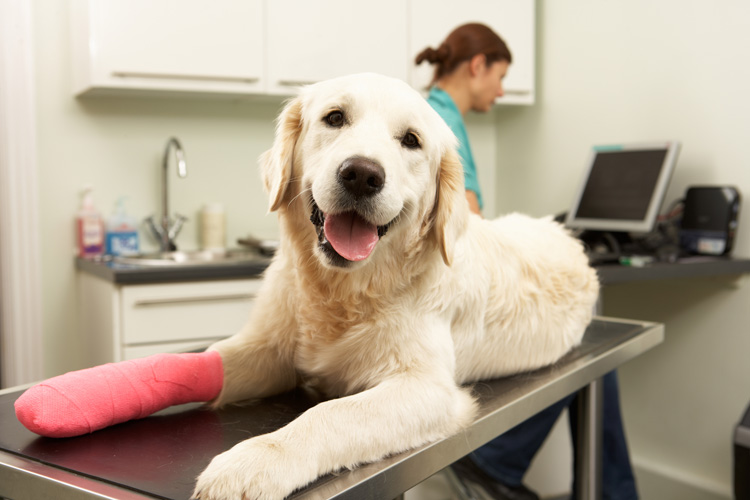
Pet Insurance
Pet insurance is worth the cost. However, it’s a personal decision.

In 2009, I researched pet insurance for my Bouviers. Pet insurance reviews were skeptical. No one would say “yay” or “nay” on enrollment nor recommend pet insurance companies. Well my thoughts drastically changed later that year.

Why I Chose Pet Insurance

Armond, my darling Bouvier, was diagnosed with bone cancer. I was beyond heartbroken, but determined to provide him with the best quality of life. The gold standard of pain control for bone cancer is amputating the affected leg. We met with a board certified orthopedic veterinary surgeon and set a date. To say I was not suffering from sticker shock, I would be lying. It was going to cost $5,000.

Armond came out of surgery and was sent home after a few days being monitored at the veterinary hospital. He had a few complications, such as a reaction to certain medication combinations, and needed additional pain control. However, they were minor, but tagged an additional $1,000 to his final bill.

My darling boy stayed with us for four months post amputation. However, his quality of life was excellent until he crossed the Rainbow Bridge. It broke my heart paying veterinary bills even after he was long gone. I promised myself I would research pet insurance. Here are my results.

RELATED: Dog Trainer Fanna Easter

Breaking Down the Numbers

As much as we don’t want to admit it, cost is a factor. My dogs are family members and I’ll do whatever is necessary, but we still need to pay our mortgage. I’ll crunch the numbers for you, but understand, base care is not the concern. It’s unexpected surgeries, accidents and illnesses that bleed your bank account dry.

Many loving pet parents say goodbye to their precious dogs early because they simply can’t afford surgeries or medical care. This occurrence is called “economic euthanasia.” After lots of research, I’ve chosen Trupanion. They have no caps and reimburse within a week of submitting receipts.

Pet Insurance Premium Costs

Premiums depend on a dog’s age and deductible amount. I’ve chosen a small (10%) deductible and so our monthly costs are higher ($68 per month per dog). If you’d prefer a larger deductible, usually purchased to cover accidents, monthly premiums are much lower, usually $20-$30 per month.

Assume your dog will live until 12 years of age. Now, factor in monthly pet insurance premium fees per year.

$40 x 12 months = $480 per year

$480 x 12 years = $5,760

Before you balk at the final cost, let’s break down average veterinary costs.

Average Basic Care

In 2012, veterinary costs averaged $227 per year. Now, it’s 2015 and I find the average cost very low, but demographics do play a large role and I’ve always lived in a larger city. My average veterinary cost per dog hovers around $400 per year. But let’s use the average cost for comparisons.

$227 x 12 years = $2,724

Accident and Illness Costs

Veterinary costs are on the rise just as human medical care skyrockets so let’s look at average costs for unexpected treatments:

  • Cruciate ligament repair (torn or partially torn ACL): Averages between $2,000-$6,000, depending on severity and size of dog.
  • Foreign body removal surgery (removing undigested items from a dog’s digestive tract): Between $1,400-$2,000.
  • Accidental poisoning (human medications, insecticide and so forth): $791
  • Removal of lumps or bumps: $200-$1,500, depending if dog was anesthetized.
  • Dental cleanings: $200-$400, if tooth extractions are needed. Some dogs, especially small breeds, need yearly or biyearly cleanings.

Costs Add Up

Choosing pet insurance is a personal decision and some call it a gamble. As a dog lover and trainer, it seems I’ve lost the gamble with all my dogs. So, in my perspective, pet insurance is worth it’s weight in gold. Yes, I still pay for routine costs, such as heartworm medication, exams, spay and neuters, but I do sleep better at night knowing my dogs are insured.

Another Option

While this option will not reimburse costs, it can provide a lower interest rate for unexpected veterinary costs. It’s called CareCredit and accepted by most veterinary clinics. For larger costs, I charge to my CareCredit card and pay it off once reimbursed by our pet insurance company.

You may also like: Dog Hospice

Filed Under: Health Tagged With: decrease costs of vet bills, how to lower vet bills, is pet insurance worth it, pet insurance, pet insurance reviews, should I get pet insurance, trupanion review

How To Give Your Dog Medicine (Powder Or Liquid)

December 22, 2014 by Fanna Easter

Easy Way to Give Powder or Liquid Medicine to Your Dog

How to Give Medicine to Dogs
Barbara Helgason/Adobe Stock

We can hide pills in peanut butter. That’s easy. But when your vet prescribes an icky tasting powder or liquid medicine for your dog, then you might run into some trouble. Fortunately, I have some tips to help you give powder or liquid medicine to dogs. I’ve recently had to hide Tylan Powder, a foul tasting antibiotic prescribed for Inflammatory Bowel Disease (IBD). Now, imagine trying to hide an entire teaspoon of that from a 120-pound Rottweiler. Yes, loads of fun.

Giving Powder Medication to Dogs

Powder medicine is probably the toughest medication to give dogs, especially bitter tasting formulas. If your dog is able to eat regular food and has no known allergies or digestive issues, then cottage cheese is the best food to hide powder medicine! Cottage cheese is strong smelling with a great consistency for mixing in powders. Depending on the amount of powdered medication, I add a bit of cottage cheese first, then mix in the meds. Add additional cottage cheese until the powder is no longer visible. For example, I mix one teaspoon of powdered medicine with one tablespoon of cottage cheese.

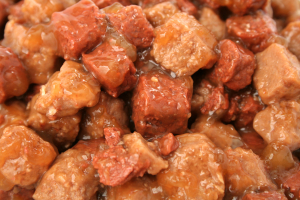
If your dog has allergies or digestive issues, mix the powder with a canned version of prescription dog food. Some canned food lack moisture, so mix in a tiny amount of water until the mixture is the consistency of porridge.

I highly recommend giving powder medications separate from meals, meaning medication isn’t mixed in with their regular meals. I usually give my dogs their medicine porridge and then feed their meals, as most medications should be given with food.

Bitter Tasting Medications

If your dog refuses to eat her med porridge, drizzle a bit of honey all over the top just enough to provide a sweet taste. Most dogs will gobble it right up. Plus, honey is healthy for dogs. For diabetic, allergic and digestive issue-prone dogs, add more canned dog food to the medicine mixture. This will cancel out the bitter taste.

Giving Liquid Medication to Dogs

An easy way to give liquid medicine to your dog is by hiding it. Again, I recommend my favorite, good old cottage cheese to hide liquid medicine. 🙂 Yogurt is also good, but it’s a bit runny. For dogs with allergies or digestive issues, mash canned prescription food in a bowl. Then, whisk in liquid medication. Most dogs will lap it right up.

WATCH: Tips on Giving Dogs Medicine: Powder or Liquid

Filed Under: Health Tagged With: giving dogs medicine orally, giving liquid medication to dogs, giving oral medications to dogs, giving powdered medicine to dogs, giving tylan powder, how to give liquid medication to dogs, how to give powdered medication to dogs, how to give tylan powder to dogs, my dog refused to take medication, tips on giving dog medicine

How to Cure Your Dog’s Upset Stomach

December 19, 2014 by Fanna Easter

Dog Upset Stomach Treatment

Dog Upset Stomach
Discover tips on soothing an upset tummy. Inna_Astakhova/Deposit Photos

Sobek, my 2-year-old Rottweiler, has an upset stomach. Diarrhea and discomfort have periodically reared their ugly heads for two weeks now. I want to share his story, as the Internet is filled with conflicting information on dog upset stomach.

Dog Upset Stomach Symptoms

The first dog upset stomach symptom was discomfort. Sobek seemed restless, and it began instantly. Within 12 hours, his stool became cow pie-ish with mucus, but no blood. While his stool wasn’t too alarming, his noxious gas and behavior were worrying me. He was in pain. I had to take action: give my dog a bland diet.

What to Give a Dog With an Upset Stomach

Immediately, I began a bland diet to relieve painful bloating and loose stools.

Bland Diet Recipe for Dogs With an Upset Stomach

For my 118-lb dog, I fed him this every day:

  • 6 baked skinless chicken breasts
  • 2 cups white rice
  • ½ can pumpkin

Before we began my dog’s bland diet, I fasted him for 12 hours, which worked best overnight. The next morning, he was fed his daily ration, but split into five smaller meals, which helped calm his upset stomach.

Usually, giving my dogs a bland diet for an upset stomach would stop intestinal issues in their tracks. This time, it was only somewhat holding back symptoms (loose stool and some gas). The main dog tummy issue was still lurking, so I reached for supplements.

RELATED: Pros, Cons & Myths of Canned Dog Food

Slippery Elm for Dog Upset Stomach

Supplements help, but be careful of OTC medications, such as Pepto or Imodium. They can provide a false sense of wellness. While both medications relieve intestinal spasms, providing a firmer stool, they can make conditions worse if your dog has an intestinal infection.

Try slippery elm for dogs instead. I purchased organic slippery elm powder, which worked pretty well for my dog’s upset stomach. The bark from slippery elm trees coat, lubricate and soothe an inflamed digestive tract, which reduces pain and gas.

Reviews stated powder medicine provided quicker pain relief than capsules. Following the slippery elm dosage recommendation from Dogs Naturally Magazine’s article “The Soothing Qualities of Slippery Elm,” I combined 3 teaspoons with hot water. Once I added water, the slippery elm powder turned into a thick custard consistency, which Sobek refused to swallow. To motivate him, I stirred in ½ teaspoon of yogurt and he quickly inhaled his flavored slippery elm porridge.

Within an hour, he finally rolled over on his side and slept. He snored for two hours straight. One thing about slippery elm for dogs is it’s best to supplement several times a day—usually three hours after a meal. Give medication first and wait 30 minutes to an hour. Then, provide slippery elm, as this supplement can prevent complete digestion of certain medications or foods.

When to Seek Help

While I was able to hold back Sobek’s nasty tummy demon bug with a bland diet and slippery elm, I wasn’t able to completely squash it, so we scheduled a vet visit. I brought in a stool sample, and our vet confirmed it was filled with mucus. They sent his stool sample to rule out giardia, which is a nasty protozoa found in stagnate water or animal feces.

Final verdict for the upset stomach: Colitis, which is an inflammation of the large intestine and colon. Cause is unknown, but the giardia test was negative. He took metronidazole for five days and his continued bland diet did the trick!

You may also like: Why Do Dogs Eat Poop

Filed Under: Health Tagged With: bland diet for dogs, colitis dogs, dog tummy ache remedy, mucus in dog stool, slippery elm for dogs, slippery elm powder for dogs, supplements for upset stomach dogs, treating a dog tummy ache, treating a dog with an upset tummy, treating colitis, upset stomach in dogs

How to Give a Dog a Pill

December 19, 2014 by Fanna Easter

Easiest Way to Give Your Dog a Pill

How to Give a Dog a Pill
It’s not that simple. Learn the easiest ways to give your dog a pill. tonodiaz/Deposit Photos

Oi, having a sick dog is the pits and then having to give pills several times a day — I feel your pain. Recently, Sobek (my Rottweiler) has been sick and his tummy issue has lingered for days. I’ve had plenty of time to test the easiest ways to give dogs pills and I want to share my success!

Hide the Pill

Make it fun with lots of rewards or pill-giving will be you and your dog’s worse nightmare. It’s best to hide pills in strong smelling soft food, which hides the smell and taste of pills. My fav pill-hiding foods are:

  • Peanut butter
  • Cream cheese

Both foods have a low liquid consistency so they easily mold around pills while still tasting really good! During the day, reward your dog with random fingerfulls of peanut butter without hidden medication. By giving pill-free rewards, you’re lessening the chance she will not smell or taste the pill. Teaching positive associations to peanut butter ensures eager swallowing of pills.

Keep Pills Out of Dog’s Meals

Keep pill giving separate from meals. You don’t want your dog to associate meals with pills. This can cause her not to eat meals. I usually give meds right before meals, as they’re hungry and will gobble down their hidden meds.

Oh Oh, She Tasted the Meds

Don’t freak out. Pick up the pill and take a 10-minute break. If you immediately try to hide the broken pill in something else, your dog will refuse it. He knows what you’re up to. 🙂 Bring her outside to potty and try again using another flavored pill hider, such as cream cheese or canned pumpkin. This time, take a large glop and bury the pill from view. As your dog eats the pill glop, reward with lots of praise. Badabing! You did it!

VIDEO: Easiest Way to Give Your Dog a Pill

READ NEXT: Understanding Dog Nutrition

Filed Under: Clients, Dogs, Health, Puppies, Training Tagged With: easiest way to give a pill to dogs, easy way to give medicine to dogs, giving dogs pills ideas, giving dogs pills on prescription dog food, giving pills to dogs, giving pills to dogs tips, giving pills to puppies, how to give a dog a pill, my dog hates pills, my dog refuses to take pills, my dog will not take medicine, my dog won't eat or take medication, my puppy refuses to take pills, trick to giving dogs pills

Dog Recipes for Food Stuffed Toys

December 18, 2014 by Fanna Easter

Food Stuffed Toy Recipes for Dogs

Dog Recipes

Food stuffed toys are awesome for all dogs! As a dog trainer, I’m constantly recommending food stuffed toys and decided to share my favorite and easy recipes. Choose from grain-free, raw food, sensitive tummy, waist-watchers style and prescription food ideas!

Grain-Free

  • Baked chicken (cut into small chunks)
  • Peas (cooked)
  • Blueberries (raw)

Place chicken chunks at the bottom of the food stuffed toy and layer with peas and blueberries. By adding the chicken at the bottom, you ensure your pooch eats his veggies first. 🙂

For food stuffed toy pros, seal the opening with honey or cream cheese and freeze overnight. For newbies, a few pieces of food spilling out is very encouraging and fun.

Raw Food

  • Ground beef
  • Raw honey
  • Cottage cheese (full fat)

Stuff ground beef (or preferred meat) first (bottom of toy). Then, alternate layers of cottage cheese and raw honey. If honey is too thin and oozes out of openings, substitute organic blackstrap molasses, as it’s a bit thicker.

Tip: Pack your dog’s regular meal into a puzzle. Voila!

Sensitive Tummy

Fiber and low-fat ingredients are best for sensitive tummies. I don’t recommend freezing before serving, as cold food can cause or aggravate digestive issues.

  • Canned pumpkin (or cooked fresh pumpkin)
  • Oatmeal (soaked overnight or cooked not instant)
  • Low or non-fat yogurt

Alternate between layers with pumpkin, oatmeal and yogurt. Seal openings with oatmeal (acts like glue).

Prescription Dog Food
Prescription food ideas.

Prescription Food

  • Purchase a few cans of your dog’s prescription diet. Using a butter knife, spread ½ can of food along the sides of food stuffed toy (Kongs work best for this recipe). The amount depends on size and weight of dog.

Check out Kong Wobbler for additional details, using puzzles for prescription food ideas.

Waist Watchers

  • Ground turkey (cooked and drained)
  • Cooked carrots (canned works well too, just rinse well to remove excess sodium)
  • Green beans (cooked or canned, rinsed and drained)

Alternate layers by hiding turkey within veggies so they’re not ignored. 🙂 If veggies are ignored, layer with a bit of non-fat yogurt.

Share your favorite food stuffed toys or puzzle recipes!

READ ALSO: Homemade Diets for Dogs

Filed Under: Health, Resources Tagged With: best food stuffed toy ideas, food stuffed toy recipes, grain free food stuffed toy recipe, interactive puzzle ideas, kong recipes, low fat food puzzle recipes, prescription dog food puzzle recipes, raw food puzzle toy, raw food toys, sensitive stomach recipes

  • « Previous Page
  • 1
  • …
  • 36
  • 37
  • 38
  • 39
  • 40
  • Next Page »

About

Dog Training Nation is a community of dog trainers, dog owners and dog lovers. Our mission is to provide trainers and owners valuable information to enrich dogs' lives. We cover a range of topics, from socializing puppies to dealing with aggressive dog behavior to selecting the best dog products. It is our hope you share our content to make the dog and owner world a better place.

​

Facebook

Video

Dog Training Nation is a dog training blog for pet owners and dog lovers. We cover a range of topics from puppy socialization tips to dog aggression to dog health. It is our hope you share our content to make the world a better place for dogs.

Dog Training Nation

Quick Links

Dog Training
Dog Behavior
Dog Training Videos
Become a Dog Trainer
About
Contact Us

Copyright © 2026 · Lifestyle Pro Theme on Genesis Framework · WordPress · Log in