Dog Training Nation

In Dogs We Trust

  • Home
  • Training
    • Dogs
    • Puppies
    • Clients
  • Behavior
    • Breeds
  • Health
  • Safety
  • Resources
    • Equipment
    • Books
  • Dog Training Videos
  • About
You are here: Home / Archives for Health

What to Feed Picky Dogs

December 7, 2014 by Fanna Easter

Feeding a Finicky Dog

Dog Picky Eater
Stop the madness! Tips for the pickiest eaters. edu1971/iStock

Feeding time is stressful for finicky dog owners. It’s the same routine every time. Place the food bowl down, dog walks over and sniffs his food. And just like that, dog turns and walks away. Gah. It’s gut-wrenching and time-consuming all balled into one. As a dog trainer, I’ve been there with clients and my personal dogs, and I’d like to share a few finicky dog eating tips with you!

Do you love this brand?

Choose a healthy dog food that your dog loves and then switch it up. Change dog food brands, especially protein sources, every 3-4 months. This maximizes nutritional health and keeps pesky food allergies at bay. When switching dog food, do so slowly over a 7-day period. Most dogs eat the same food everyday and dietary changes will upset their tummies.

Think of it this way: If your diet consists of bland food and you eat a bowl of spicy gumbo, well you know that feeling, right?

20 minutes to eat

Dogs thrive on routine so set and follow daily feeding schedules. When it’s feeding time, place the filled food bowl down and leave it there for 20 minutes. For multiple dog homes, section off an area for your finicky eater. This provides him plenty of time to enjoy his meal and keeps pushy dogs at bay. You would be amazed how powerful a pushy dog’s glare can be for finicky eaters. After 20 minutes, pick up his bowl.

I know, I know, you’ve heard, “Pick up the food bowl after 20 minutes” song and dance before, but it’s been two days and your dog is still refusing to eat. Ah, allow me to explain why this happens! Basically, your dog is holding out for the good stuff. If he refuses to eat, you’ll hand feed him or better yet, add yogurt or yummy canned food so he waits patiently. Every time you reward food refusal by adding treats to his regular meal, you just increased his picky behavior. Allow me to explain a bit further.

  • A dog barks in his crate, you open the crate door to stop his barking.  You just rewarded his request barking.
  • Dog pulls on a leash, you follow behind him. You just rewarded pulling on the leash.

Healthy dogs won’t starve themselves

To fix this dog behavior, follow the 20-minute rule and hold firm. It may take a few meals for your dog to learn ignoring his food is not paying. Learning is about consequences, not punishment, so remember this while your finicky dog pitifully glances at his food bowl minus the yummy stuff. Resist the temptation to give in even after a day. If you do break down and give in, you’ve just taught your dog to ignore his food for an entire day and he’ll earn yummy stuff!

Maybe try this?

  • Minimize extra treats during the day. Simply break reward treats into thirds when rewarding behavior.
  • Before feeding time, have a training session. Click and treat sits, downs, spin, touch, body handling and other tricks with bits of his  dinner.

When to seek professional help

If your dog is vomiting, withdrawn, in pain, has diarrhea, seek veterinary care immediately. He is probably sick. Also,  a small percent of finicky dog eating behavior is anxiety. Usually anxious dogs will display other behaviors besides picky eating habits. However, it will not display physical illness symptoms.

  • Inability to settle down
  • Excessive barking, shaking, panting
  • Frightened of objects, people or other dogs

To rule out anxiety, contact a professional animal behaviorist.

Picky dog eaters unite! Tell us about your finicky dog eater!

You may also like: Why Do Dogs Eat Grass?

Filed Under: Dogs, Health, Training Tagged With: dog not eating, dog picky eater best food, dog refused dog food, dog suddenly picky eater, dog will not eat food, dogs that are picky eaters, feeding a fussy eater, feeding picky eaters, finicky dog eating, finicky dog eating tips, finicky dogs, getting your finicky dog to eat, how to feed a picky dog, picky dog eating tips, picky puppy, the cure for picky dog eaters, tricks for picky dog eaters

Dogs With Dry Skin

December 6, 2014 by Fanna Easter

Home Remedy Relief for Dry Skin

Dry Skin on Dogs
The power of oil. It soothes skin on the inside and out.

Does your dog have dry flaky skin? If you’re not sure, lightly rustle or part the fur along your dog’s spine. Don’t fret if a few flakes surface. We have great tried and true home remedy relief for dogs with dry skin right here!

Causes of Dry Skin on Dogs

Dogs naturally lose their undercoats in spring and fall to prepare for the upcoming season. During the spring, dogs shed their thick winter coats, which is logical. They need to prepare for hotter temps. It’s the fall shedding process, which leaves most pet owners scratching their heads. To prepare for winter, dogs must first shed their thinner shorter summer coats to make way for their longer and thicker winter coats. With all these coat changes, this can easily cause most dogs’ skin to dry excessively, which causes flakes. During the cooler months, the lack of humidity combined with home heating systems contributes to our dogs’ dry skin too.

Home Remedy Relief

Remove Undercoat

Removing excessive fur is the first step to ensure home remedy effectiveness for your dog’s dry skin. Using deshedding tools, begin brushing your dog in small sections and sectioning even smaller sections with your fingers. When you brush in small sections, you’re removing all of the dead hair, which means less hair on the sofa. 🙂

Weekly Bathing

Use a colloidal oatmeal-based shampoo, as you bathe your dog weekly, to remove dead skin. Plus, colloidal oatmeal will soothe dry and irritated skin left behind while cleaning the coat. I highly recommend Nature’s Specialties Colloidal Oatmeal Shampoo. This is some good stuff!

RELATED: Does Aromatherapy Dog Shampoo Really Work?

Oil Treatments

Oil treatment works really well for moisturizing dry flaky spots. Allow me to introduce you to Jojoba oil. This stuff is fabulous! Jojoba oil is an odorless and non-greasy oil that softens and smooths dry patches quickly. After bathing, warm the oil by applying a few drops to your finger tips. Massage warmed oil along dry areas, repeating the warming process before applying oil to larger areas. Trust me, a few drops go a long way. Too much will leave a greasy residue, which you want to prevent. Repeat after weekly baths until dry skin disappears.

Supplements

Supplements address dry skin from the inside out. Add fish oil to your dog’s daily meals, which provides much needed fatty acids. Before reaching for any fish oil, it’s vital to provide the right balance of omega-3 to omega-6 fatty acids for maximum power so I reach for wild salmon oil. Wild Alaskan Salmon Oil by Grizzly Pet Products is the best out there. Check out their website for benefits of their wild caught oil! When adding oil to your dog’s diet, add small amounts slowly to prevent gastric upset.

When to See the Vet

Contact your vet if your dog’s skin is inflamed, oozing, putrid smelling or covers a large portion of his body. When in doubt, rule it out with your vet. 🙂

What home remedies have you used for dogs with dry skin?

You may also like: How to Make Bath Time Fun for Dogs

Filed Under: Health, Resources Tagged With: best oils for dogs, best product for dogs dry skin, best shampoo for dogs dry skin, causes of dry flaky skin, causes of dry skin on dogs, colloidal oatmeal dog shampoo, dog flaky skin remedy, dry flaky skin after bath, grizzly pet products, how to stop dog shedding, how to use oil for dog dry skin, jojoba oil for dogs, nature's specialities colloidal oatmeal shampoo review, nature's specialities dog shampoo, oil for dog dry skin, preventing dry skin for dogs, salmon oil for dogs, stop dog dry skin, when do dogs shed, why dogs shed, why feed dogs oil, wild alaskan salmon oil

Healthy Dog Treats

November 14, 2014 by Fanna Easter

Healthy Dog Treat Recipes

Healthy Dog TreatsLet’s think outside of the conventional treat bag, as I’m always searching for the best treats out there. First, understand I’m not a good cook. Actually, I’m terrible. But I still want to provide healthy dog treats that dogs love! If dogs don’t love them, then they will not work for them. It’s that simple. Will you work for a piece of string bean? I won’t.

Hence, my quest for finding the perfect healthy dog treats that require no cooking begins!

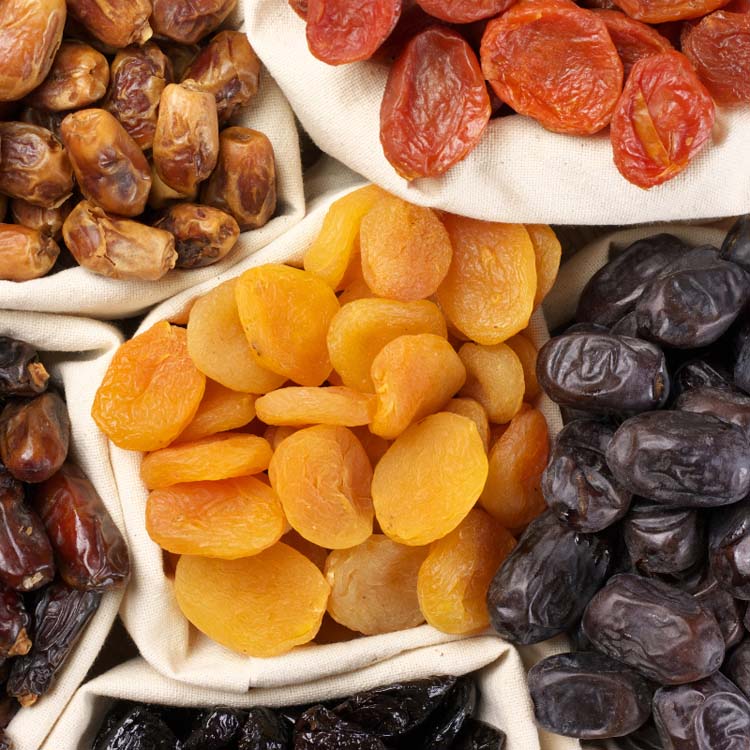
Dried Fruits for Dogs

Dogs love dried fruit, but not all dried fruits are the same. 🙂 As a dog trainer, I was pretty shocked at the results of using dried fruit as treats. Think of dog treats as your dog’s currency. The better you pay, the faster your dog will learn. Would I classify dried fruit as a high value reward around major distractions (during a group class)? Probably not, but they will improve behaviors around your home, such as your dog’s recall (coming when called from the backyard), which is pretty darn important to me. 🙂

Dried fruit winners, listed in order of doggie deliciousness, are:

  1. Banana Chips
  2. Pineapple
  3. Apricots (Yes, I was pretty shocked too!)

Why Dried Fruit?

As with teaching or improving any behavior, rewards are pretty important. If you don’t believe me, try teaching your dog to sit using a piece of kibble or chunk of tuna fish! I tried all types of fruit, even a few veggies, such as dried green beans and sweet potato, but my dogs did not respond as fast as I would have liked. Yes, they came when called, responded to cues, but not quickly or enthusiastically until they tasted dried bananas, pineapple and apricots. They were hooked!

If you’re sprinkling additives to your dog’s daily meals, take a peek at the ingredients. Supplements add additional vitamins to your dog’s diet, right? Well, daily dried fruits will do this for you too! Let’s take a deeper look into the dried fruit winners.

Banana Chips

Banana chips are a great example of a low glycemic fruit that provides a unique mix of vitamins and minerals. Bananas are rich in vitamin B6, vitamin C, potassium, manganese, biotin, copper and much needed fiber. Plus, bananas provide plenty of fructooligosaccharides (FOS), which feed friendly bacteria in your dog’s gut.

Pineapple

Pineapple is loaded with vitamin C, vitamin B1, vitamin B6, folate, manganese, copper and lots of fiber. This is a sensitive topic, but does your dog eat poop? Well, pineapple can help! Bromelain, found abundantly in pineapple, produces a bitter taste to stools. This prevents your dog from eating, well, you know. 🙂

Apricots

Even while dried, apricots maintain their chewiness, which dogs love! Apricots are packed with vitamin C, vitamin A, carotenoids (protects eyesight when aging) and polyphenolic antioxidants like flavonoids, which prevent heart disease and many other illnesses. If you’re still not convinced, apricots  contain large amounts of catechins (also found in green tea) and reduce inflammation in the body.

But Dried?

Fresh fruit is best, as a small percent of vitamins are lost during the dehydration process. You still can’t beat the convenience of dried fruit though. Plus, supplements contain dried fruit too so you’re still providing much needed vitamins while rewarding good behavior!

Experiment. Which dried fruits (excluding raisins) drive your dogs crazy?

Filed Under: Health, Resources Tagged With: best dog treats, best natural dog treats, best puppy treats, choosing the best dog treats, dog treats, fruit for dogs, healthiest dog treats, healthy dog ideas, healthy dog snacks, healthy dog treats, healthy dog treats review, healthy dog treats to make at home, healthy puppy treats, healthy treats for your dog, how to stop dog from eating their stool, treats for dog training, treats my dog loves, which fruits can dogs eat

Best Halloween Dog Toy Filling Recipe

October 8, 2014 by Fanna Easter

Kong Stuffing Recipe for Halloween

Kong Stuffing Recipe
kozzi2/Deposit Photos

Halloween is my favorite holiday by a landslide so celebrate it with your dog too. Learn my favorite Halloween dog toy filling recipe. Plus it’s healthy too! Get the children involved. They’ll have a blast stirring and filling Kongs.

If you’re as picky about ingredients as I am, let me explain why I carefully chose each item. Pumpkin is rich in potassium, fiber and B vitamins. Blackstrap molasses contains important trace minerals, such as copper and selenium, plus it’s rich in iron. Cinnamon is known for its medicinal properties, especially soothing an upset tummy and digestive issues.

Preferably seek organic pumpkin, whole ground cinnamon and organic unsulfured blackstrap molasses.

Halloween Bark-kin Spice (aka Pumpkin Spice)

  • 1 can of 100% pumpkin (not pie filling, way too much sugar and other stuff)
  • 2 teaspoons blackstrap molasses
  • ½ teaspoon cinnamon

Will fill 2 medium Kongs or 1 large Kong

In a medium bowl, add pumpkin and cinnamon. Lastly, drizzle molasses over mixture and stir slightly. Using a butter knife, push ingredients into toy until completely filled. If pumpkin mixture oozes out either holes, swipe peanut butter over the holes to glue it shut.

If your dog empties his food stuffed toys easily, freeze for 4 hours.

Filling variations:

  • Add ½ coarsely chopped apples at the bottom of the Kong, then spoon Bark-kin Spice Filling until filled
  • Substitute canned yams in place of pumpkin
  • Use 100% maple syrup instead of blackstrap molasses
  • Add chunks of baked turkey or chicken at the bottom, spoon Bark-in Spice Filling until filled

How to Wash Food Stuffed Toy

Usually, your dog cleans the inside of his Kong toy really well, but sometimes there is stuff still stuck inside. If there is a large amount of food stuffed inside, scrape the large chunks with a round-tipped knife. Then put the Kong toy on the top shelf of your dishwasher and it will come out squeaky clean — ready to be stuffed again!

What are your favorite dog Halloween tips? Share your favorite Halloween dog toy filling recipe in the comments below!

Sweet Potato Kong Stuffing Recipe

Filed Under: Health Tagged With: back strap molasses for dogs, cinnamon for dogs, dog halloween, dog halloween tips, dog toy filling demo video, halloween dog food stuffing, halloween dog receipes, halloween dog safety, halloween dog treats, Halloween puppy ideas, healthy dog toy fillings, how to wash a dog food stuffed toy, molasses for dogs, pumpkin for dogs, treat dispensing Halloween recipe

Medical Modalities for Dogs

September 19, 2014 by Fanna Easter

Four Drug-Free Treatments

Dog Medicine
Four drug-free treatments for dogs.

Our motto is “we share because we care,” and I thought it was pretty important to “shelf” dog training for a nano-minute (very big grin) and share the latest information about dog health. I want to take a moment and discuss newer and successful medical modalities, which I’ve personally witnessed work and had loads of research supporting their reliability and effectiveness.

While the mentioned modalities may not necessarily cure your dog’s illness, they can certainly relieve pain, increase recovery and boost your dog’s immunity to continue fighting. Plus, pet insurance will cover these modalities! Not sure if your pet insurance will? Contact them to find out. My pet insurance covers 90% of these treatments. 🙂


Disclaimer: If your dog is sick, please seek immediate veterinary treatment. This article brings awareness to newer treatments. Always partner with your veterinarian. He is very open-minded. 🙂


1. Chiropractic Care

If your dog is moving stiffly, limping a bit or competing in any type of dog sport, a chiropractic adjustment may be just what your pooch needs. Chiropractic adjustments are a drug free hands-on procedure that adjusts joints back into place. When joints are out of place, the body responds by tightening muscles around the injury, which forms somewhat of a cast. This is the body trying to heal itself. When this cast forms, this causes your dog to move stiffly, if at all. Once a dog is realigned, chiropractics will continue to adjust along the dog’s body, which stops muscle spams and releases the cast around the previous injury. There are two types of animal chiropractors: a veterinarian who has completed additional training in chiropractic care and a doctor of chiropractic who primarily works with people, yet has completed additional training to understand animal structure. Cost ranges from $50-$150 per session. I usually pay $65 in the Nashville, Tennessee, area.

2. Acupuncture

This is an ancient procedure of inserting tiny needles along meridian points of the body, which relieves certain ailments, depending on which meridian is targeted. Acupuncture can relieve pain and nausea, decrease pain, increase healing for injuries and is extremely beneficial for dogs that are just feeling “off.” Personally, I’ve witnessed the power of acupuncture with Armond, my Bouvier, that is undergoing chemothreapy treatment for bone cancer. Armond refused to eat after a chemo session. It was going on for 10 days. My vet performed acupuncture and within 2 minutes, he wolfed down two cans of dog food. To say I was shocked is an understatement. I’ve always been a huge skeptic, but not any longer! Veterinarians must complete additional training to become certified in animal acupuncture, and dogs tolerate the needles extremely well. Usually, dogs will take a deep sigh and relax. It’s pretty cool to watch. Costs are usually $60-$100 per session. I usually pay $65 or $75 per session, depending on the targeted treatment.

3. Essential Oil Therapy

This is a newer treatment, which is gaining momentum in the veterinary world fast. Essential oils prevent bacteria and viruses from growing or continuing to grow in the body, plus they contain healing properties to help fight illnesses. Why not give your dog’s body a boost to fight infections, viruses, cancer or whatever disease your dog is currently fighting? There are many brands of essential oils. However, it’s best to do your research first and choose someone who has extensive knowledge on which oils are beneficial for your dog. Surprisingly, veterinarians are jumping on board so I would start there first. As dogs are living longer, many vet facilities are offering hospice, which incorporates essential oils to relieve pain and boost a dog’s defenses. Personally, I’ve not used essential oils on my dogs yet, but I’ve had great success when fighting reoccurring sinus infections. And I’m going to try using lavender during dog training classes, as some dogs are pretty stressed. From my understanding, place two drops of lavender in your hands, rub together, and then rub along the sides of your dog’s face and chest. I can’t wait to try it out! Cost is usually a vet’s office exam and cost of oils.

4. Laser Treatment

Cold laser treatment has become much more popular. I was first introduced to it about 8 years ago. My older Bouvier (12-years-old) had a luxuriating patella (moving kneecap) and laser treatments reduced inflammation and relieved pain so much so, she would act like a 2-year-old again. Laser treatment is a drug free option with proven results for decreasing healing times and decreasing pain. Even for spay or neuter incisions, they heal twice as fast! Sessions are usually 10-20 minutes long, and your dog lays on a mat while the vet moves the laser over your dog’s problem area. After a few minutes, most dogs take a deep sigh and relax. My dogs will close their eyes also. 🙂 Ask your vet about laser treatments, especially for older dogs (helps relieve arthritis pain). Cost is usually $30-$50 per session. Some vets offer multiple sessions at steep discounts.

How have these medical modalities affected your dog’s health? It’s so important to share what we know. 🙂

READ ALSO: Why You Should Get Pet Insurance

Filed Under: Behavior, Health, Resources Tagged With: acupuncture for dogs, chiropractic care for dogs, dog health care, dog heath, dog insurance, dogs health, essential oils for dogs, laser treatment for dogs, pet insurance

  • « Previous Page
  • 1
  • …
  • 37
  • 38
  • 39
  • 40
  • Next Page »

About

Dog Training Nation is a community of dog trainers, dog owners and dog lovers. Our mission is to provide trainers and owners valuable information to enrich dogs' lives. We cover a range of topics, from socializing puppies to dealing with aggressive dog behavior to selecting the best dog products. It is our hope you share our content to make the dog and owner world a better place.

​

Facebook

Video

Dog Training Nation is a dog training blog for pet owners and dog lovers. We cover a range of topics from puppy socialization tips to dog aggression to dog health. It is our hope you share our content to make the world a better place for dogs.

Dog Training Nation

Quick Links

Dog Training
Dog Behavior
Dog Training Videos
Become a Dog Trainer
About
Contact Us

Copyright © 2026 · Lifestyle Pro Theme on Genesis Framework · WordPress · Log in