Dog Training Nation

In Dogs We Trust

  • Home
  • Training
    • Dogs
    • Puppies
    • Clients
  • Behavior
    • Breeds
  • Health
  • Safety
  • Resources
    • Equipment
    • Books
  • Dog Training Videos
  • About
You are here: Home / Archives for Health

Is Honey Good For Dogs?

April 5, 2017 by Fanna Easter

Honey for Dogs

Honey for Dogs
Daniel Vincek/Adobe Stock

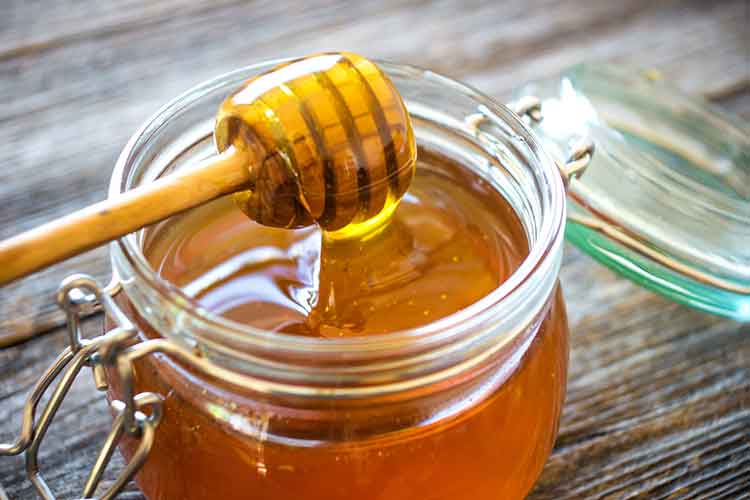
When flowers start blooming, it means it’s almost honey harvesting time! Honey is delicious, but is honey good for dogs? The answer is yes. Dogs can eat honey, and it’s actually quite healthy for dogs. As with all healthy foods, moderation is key to reaping the benefits of honey for dogs.

Before grabbing a bottle of honey at your local grocery store, learn which honey is best for your dog (and you too). Plus, learn the health benefits of honey and serving tips.

Benefits of Honey for Dogs

Honey is packed with antibacterial properties, antifungal properties and antioxidants, and it tastes amazing too! The sweet substance has been known to soothe upset tummies, calm scratchy throats, suppress mild coughs and keep allergies at bay. It also works wonders for skin. You can use it to moisturize skin as well as protect and heal small wounds.

Raw Honey vs. Processed Honey

Raw honey is unpasteurized, unfiltered, unprocessed, and exposed to little or no heat. Due to the lack of processing, raw honey maintains its natural vitamins, antioxidants and enzymes opposite to processed honey.

When shopping for raw honey, you’ll notice that raw honey looks different than processed honey. Raw honey is usually in a jar. It has a white tinge to it and is thicker than processed honey. Unlike those squeeze bottles, you have to spoon out raw honey.

Best Honey for Dogs

Choose local raw honey for your dog. Many pet owners swear feeding their dogs local raw honey daily reduces their dogs’ allergies over time. It makes sense when you think about it.

Honey and bee pollen are produced from local trees, grasses and plants. If you think pollen is causing your dog’s allergies, slowly introducing your dog to local bee pollen should reduce your dog’s allergic reaction—similar to allergy shots. Note that every dog is different. Some dogs have success while others don’t. However, giving your dog bee pollen is certainly worth a try.

How Much Honey?

Honey is mostly sugar, but it’s beneficial in moderation. It’s safe to feed small dogs ½ teaspoon, medium-sized dogs 1 teaspoon and large dogs 1 tablespoon of honey per day. Start introducing honey slowly in small amounts, and increase it over a period of 7-10 days.

When using honey topically (on skin), add a small dollop (size of a dime) of honey into your dog’s shampoo to moisturize his skin and coat.

Don’t feed obese, diabetic and young puppies honey—not even local raw honey. Remember, honey is sugar and can pack on extra calories for obese dogs and cause major issues for diabetic dogs. The FDA doesn’t recommend feeding honey to children under one year of age due to honey’s bacteria content, so use caution when feeding honey to very young puppies. When in doubt, consult your holistic veterinarian.

How to Feed Your Dog Honey

This is the easy part because dogs love honey. They’ll gobble it right up! Add or mix honey into your dog’s daily meals or add honey in food stuffed toys. Smear honey inside a rubber toy, such as a Kong, and give it to your dog as a snack during the day.

Stuffing honey inside toys works well for coughing dogs too, as the toys slowly dispense honey as dogs lick away. You can also mix honey with yogurt, stuff the mixture into a Kong and freeze overnight. Honey does an excellent job of hiding yucky tasting medicines and powders too due to its sweet taste.

Honey is healthy for dogs in moderation. 🙂

Filed Under: Health Tagged With: can I feed honey to my dog, honey dogs, honey for dogs, honey for puppy, how much honey can I give to my dog, how much honey for dog, is honey good for dogs, raw honey for dogs

How To Protect Your Dog From Dog Food Recalls

April 3, 2017 by Fanna Easter

Dog Food Recall Safety Tips

Dog Food Recalls
mmilliman/Adobe Stock

At least once a month, it seems a new dog food recall floods social media channels. For those who remember, 2007 was a terrible year for dog food recalls, which resulted in dogs dying from kidney failure. Yet, dog food recalls are still happening. All dog food brands have issued a recall regardless of cost and quality. Dog treats and chews are being recalled now too. With so many recalled dog food, how can you protect your dog?

What Causes Dog Food Recalls?

There are numerous reasons why a dog food or dog treat is recalled, including:

  • Poisons and chemicals
  • Unhealthy bacteria
  • High or low levels of vitamins and minerals

Poisons & Chemicals

In 2007, wheat gluten imported from a Chinese company was contaminated with melamine, resulting in mass recalls and deaths of many dogs (2007 Pet Food Recalls, 2017). Melamine is essentially an industrial chemical that’s considered a poison when ingested. How melamine contaminated wheat gluten used for dog food is still a mystery. However, most brands are now testing vegetable proteins before adding them to dog food.

Just last month, Evanger’s dog food was recalled due to high levels of phenobarbital found in a specific flavor of canned dog food. Phenobarbital is a drug used to control seizures and euthanize animals, and it’s uncertain exactly how this drug made its way into this food.

Bacteria

While some bacteria is good, some are deadly. Most dogs can handle commonly ingested bacteria with minimal discomfort, yet chronically ill or older dogs can not. Plus, humans are at great risk when handling foods contaminated with salmonella, listeria and E. coli.

Treat all dog food, treats and chews like raw meat. This means washing your hands thoroughly with antibacterial soap and warm water after handling.

High or Low Levels of Vitamins, Minerals & Hormones

Kibble-fed dogs eat the same food every day. There’s no variation in micronutrients—just the amount of kibble they eat throughout the day. When high levels of certain vitamins and minerals are consumed every day, this can cause illness.

The same applies for low levels. More than a decade ago, many cats suddenly went blind after eating a specific brand of cat food too low in taurine (an essential amino acid). Make sure you’re feeding your dog a balanced diet of vitamins and minerals. Too much or too little of a nutrient can be dangerous.

Stay Updated

Before feeding any type of commercially prepared food, it’s best to check the item out first. While your social media may blow up when a dog food product is recalled, many recalls go completely unannounced. For up-to-date information, check out the FDA’s website on Animal Food Recalls. This website provides a list of all recalled items, including reason for the recall, customer service number and important brand information. Before buying any pet food products, including dog chews, check the FDA’s website first.

Consider Feeding a Home-Cooked Diet

Due to dog food recalls, many pet owners are now making dog food and treats at home. Home cooking for dogs has become so popular, there are now veterinarians board certified in nutrition. This trend makes complete sense, especially if your dog has lived through a dog food recall. When you cook at home, you purchase ingredients from a local grocery store and prepare the meal yourself, so you’re fully aware of what your dog is eating. Believe it or not, cooking for your dog is pretty easy too.

Stay informed and check it out, or better yet cook for your dog!

Filed Under: Health, Resources Tagged With: dog food recalls, is my dog food recalled, protect your dog food recalls, recalled dog chews, recalled dog treats

A Dog’s Color Vision

March 27, 2017 by Fanna Easter

What Colors Can Dogs See?

What Colors Can Dogs See?
Lindsay_Helms/Adobe Stock

Dogs are truly magnificent puzzles with amazing capabilities we humans try to understand. While we tend to focus on a dog’s incredible scenting abilities, we rarely discuss a dog’s vision.

Are dogs colorblind? Do dogs see colors differently than humans? What colors can dogs see? We answer your questions below.

Blues, Yellows and Grays

Dog Color VisionDecades ago, scientists believed dogs were colorblind. It was assumed dogs saw the world in shades of gray and white, but we know differently now.

Recent studies have discovered that dogs see colors in variations of blues, yellows and grays. This type of color vision is referred to as dichromacy.

Dichromacy means dogs can match any color they see with a mixture of no more than two pure spectral lights (Wikipedia, 2017). In contrast, humans have three color receptors, so we’re able to see a full spectrum of colors. Dogs only have two. They’re missing the red/green receptor. Other mammals are dichromats too, such as horses and cats.

What Does This Mean?

This means dogs see the world in different colors than humans. Next time your dog runs past a bright red toy sitting on top of vivid green grass, remember your dog sees various shades of yellow. This applies to a yellow tennis ball on your lawn too. When your dog is looking for his yellow tennis ball on green grass, he sees shades of light yellow.

The best color for dog toys is blue, especially if it’s for outdoor play. Have you ever noticed dog agility equipment is usually blue and yellow? They’re marked in medium blue and yellow colors, so dogs can see the obstacles.

Dogs See Better at Night Than Humans

While dogs can’t see all the colors of the rainbow, they can see much better at night than humans. Dogs have a mirror-like structure in the back of the eye that reflects light called a tapetum. This structure bounces the light waves back at the retina a second time, increasing the retina’s chance to collect the light (How well do dogs see, 2009). Next time you take a photo of your dog, and his eyes glow, remember it’s the tapetum. 🙂

Filed Under: Health Tagged With: are dogs color blind, best color for dog toys, can dogs see colors, dog vision color, what can dogs see, what colors can dogs see

Heartworm Disease In Dogs

March 24, 2017 by Fanna Easter

Overview of Heartworms in Dogs

Heartworms in Dogs
Henrik Larsson/Adobe Stock

With warm winter temperatures and large amounts of rainfall in the U.S., 2017 will be a record-breaking year for mosquitoes. Mosquitoes are annoying blood-sucking insects that cause heartworm disease in dogs (and cats) too. Learning about heartworm disease in dogs and heartworm prevention can prepare you when the mosquitoes come out.

How Does a Dog Get Heartworms?

Dogs get heartworms from heartworm-infected mosquitoes. When a mosquito bites a heartworm-infected mammal, such as another dog, this mosquito is now infected with heartworm microfilaria (tiny heartworms). When this mosquito bites your dog, it then passes the microfilaria into your dog’s bloodstream. This process happens at an alarming rate. In mosquito-prone areas, thousands of dogs are diagnosed with heartworm disease every year, which is why heartworm prevention is so important.

RELATED: How to Prevent Scorpions From Stinging Your Dog

What Do Heartworms Look Like?

Heartworms are thin spaghetti-like worms that live inside your dog’s heart valves. As they multiply and grow, heartworms block vital blood flow. Many years ago, while working as a veterinary technician, we performed a necropsy on a dog that had passed away from heartworms. Our veterinarian pulled at least 30 heartworms from the small dog’s heart with each worm measuring 10-12 inches long.

Can Dogs Die From Heartworm Disease?

Without heartworm prevention, heartworms are fatal. Additionally, symptoms of heartworm disease in dogs don’t show up until the later stages. Many pet owners assume monthly heartworm prevention is too expensive and instead opt to complete heartworm treatment if their dogs contract these nasty worms. However, heartworm treatment is extremely expensive and can be dangerous.

For a medium-sized dog, heartworm treatment can cost more than $1,000. When dogs undergo heartworm treatment, they must be under close veterinarian supervision and follow stringent crate rest requirements. As heartworms die from treatment, the potential to cause further complications is huge.

How are Dogs Tested for Heartworms?

Veterinarians take a small sample of your dog’s blood during his or her yearly checkup. If heartworms are present, a SNAP test will indicate a positive result. Some veterinarians will then look at the dog’s blood sample for active microfilariae under a microscope. Under microscopic magnification, microfilariae look like tiny bits of rice moving around within the blood sample.

Heartworm Prevention

Heartworm prevention is key. Most dogs ingest a monthly heartworm preventive that kills any microfilaria present. To prevent missed doses, it’s important to give heartworm medicine at the same time each month. When choosing a heartworm preventive, discuss all options with your veterinarian first. Puppies will start heartworm prevention around 4-6 months of age and continue for life.

During early morning and dusk hours, keep your dog indoors to decrease mosquito bites. Additionally, some flea preventives also repel mosquitoes. If you live in mosquito-prone areas, as your vet about a year-long heartworm preventive. It’s worth spending $10 to keep these nasty and fatal worms away.

As temperatures warm up and rain falls, expect mosquitoes soon!

UP NEXT: 6 Reasons Why Dogs Need Veterinary Preventive Care

Filed Under: Health, Resources Tagged With: heart worm, heart worm preventive, heartworm dogs, heartworm puppies, is heartworm contagious

6 Reasons Why Dogs Need Veterinary Preventive Care

March 22, 2017 by Fanna Easter

Benefits of Dog Preventive Care

Dog Preventive Care
AVAVA/Adobe Stock

Over the last decade, veterinary visits for dog preventive care have drastically decreased. While it’s easy to assume the decline is due to pets being healthier, it seems pet emergency visits have increased, indicating people are waiting until their pets are really sick to do anything about it (Pet Health Crisis: Americans Skimp On Preventive Care, 2014).

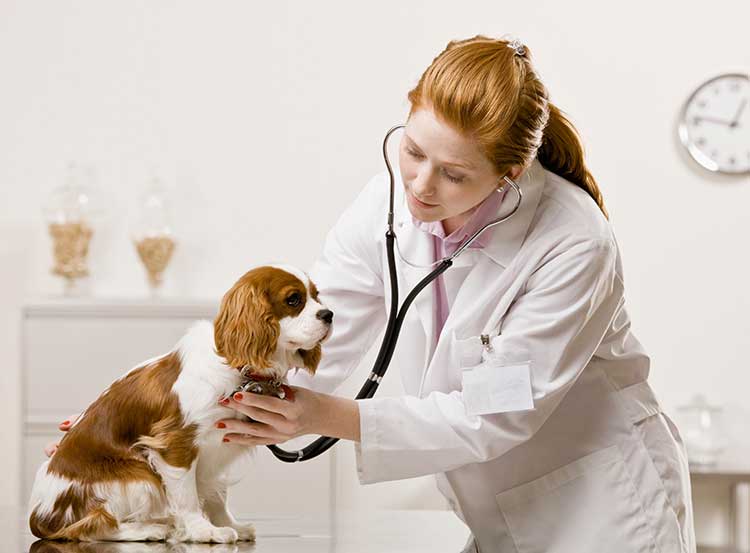
Early prevention is key to your dog’s health. Your dog needs at least one to two preventive care visits per week. Before searching Dr. Google to find a diagnosis for your dog, check out these 6 reasons why your dog needs to see a veterinarian for preventive care every year.

1. Prevent Obesity

As Americans gain weight, so do their dogs. Obesity is considered an epidemic in pets now, as obesity steadily increased in 2016, affecting nearly 59% of cats and 54% of dogs, according to the Association for Pet Obesity Prevention (APOP).

Many pet owners miss weight increases, especially the tiny weight gains that pile on over months or years. One or two pounds may not seem much, but it can push a small dog into the obese category for her size. We know obesity can and will cause medical issues.

During preventive care visits, a veterinarian will weigh your dog and complete a thorough veterinary exam. The vet will also discuss your dog’s weight gain, set a goal weight for your dog and design a weight loss plan specific for your dog. This advice is well worth a $50 vet exam fee. 🙂

2. Prevent Arthritis

As dogs age, arthritis slowly develops in their joints. Many pet owners miss subtle signs that would indicate their dogs are in pain, but a veterinarian can detect signs of pain within minutes during an exam.

Additionally, your vet can watch your dog move around the exam room or trot outside to observe your dog’s natural movement. Understanding biomechanics, they notice even the slightest gait abnormalities that can prevent later chronic conditions from developing.

When you’re at the vet, express any changes in your dog’s routine, such as sleeping longer, excessive panting, refusal to walk or hiding from family.

3. Determine Causes for Lumps

Lumps, bumps and abnormal spots will appear on dogs as they get older. Most appear during middle age, and should be checked out by a veterinarian ASAP. While several lumps and bumps are benign, many are not. Only a veterinarian can determine the cause and course of treatment for lumps and bumps.

Most veterinarians will do a biopsy and remove lumps and bumps, then send them off to pathology for a diagnosis. Resist the urge to post pictures and ask social media groups for advice about suspicious spots on your dog. The best advice anyone can give you would be to bring your dog to the vet tomorrow. 🙂

RELATED: Why You Should Get Pet Insurance

4. Prevent Pet Emergencies

Many dogs develop chronic illnesses and need preventive care to ensure they remain problem-free. Once a diagnosis is made, veterinarians will develop a wellness protocol, so follow your vet’s recommendations. Paying preventive health care prices is much cheaper than paying for pet emergency care costs.

5. Get Blood Work Done

Many vets recommend routine blood work for dogs, especially when they’re trying to find a specific cause of illness. Dogs are unable to speak; they can’t say their tummy hurts or they feel sick. Essentially, routine blood work takes a peek inside your dog to ensure everything is working correctly.

Every dog needs routine blood work done yearly, including puppies, so their vet can establish a baseline. Older dogs usually need routine blood work every six months since dogs age much faster than humans. When your vet suggests blood work, there’s a reason and it just might save your dog’s life.

6. Detect Signs of Serious Issues

Sometimes, minor ailments mask scary things. When in doubt, bring your dog in for a thorough preventive care check-up. Early diagnosis ensures a better outcome.

Many years ago, my Bouvier had a slight rear leg limp that persisted for a month. His limp would go away for a week, but then suddenly reappear. We scheduled a vet visit where they took an X-ray of my dog’s leg. When my vet said it was bone cancer, I was gobsmacked. There’s an old saying: “When you hear hoof beats, you expect horses, not zebras.” It took me hours for this diagnosis to sink in; I wasn’t expecting it at all. Morale of the story is you just never know, so it’s always best to have a professional rule out the scary stuff.

When in doubt, check it out. 🙂

Filed Under: Health Tagged With: ask a vet, ask a veterinarian, is my dog sick, is my puppy sick, preventive veterinary care, should I bring my dog to the vet, sick dog symptoms

  • « Previous Page
  • 1
  • …
  • 6
  • 7
  • 8
  • 9
  • 10
  • …
  • 40
  • Next Page »

About

Dog Training Nation is a community of dog trainers, dog owners and dog lovers. Our mission is to provide trainers and owners valuable information to enrich dogs' lives. We cover a range of topics, from socializing puppies to dealing with aggressive dog behavior to selecting the best dog products. It is our hope you share our content to make the dog and owner world a better place.

​

Facebook

Video

Dog Training Nation is a dog training blog for pet owners and dog lovers. We cover a range of topics from puppy socialization tips to dog aggression to dog health. It is our hope you share our content to make the world a better place for dogs.

Dog Training Nation

Quick Links

Dog Training
Dog Behavior
Dog Training Videos
Become a Dog Trainer
About
Contact Us

Copyright © 2026 · Lifestyle Pro Theme on Genesis Framework · WordPress · Log in