Dog Training Nation

In Dogs We Trust

  • Home
  • Training
    • Dogs
    • Puppies
    • Clients
  • Behavior
    • Breeds
  • Health
  • Safety
  • Resources
    • Equipment
    • Books
  • Dog Training Videos
  • About
You are here: Home / Archives for Dogs

Best Store Bought Dog Training Treats: Dog Trainer Recommendations

April 22, 2016 by Fanna Easter

Best Store Bought Dog Treats

Best Store Bought Dog Training Treats
BettinaSampl/iStock

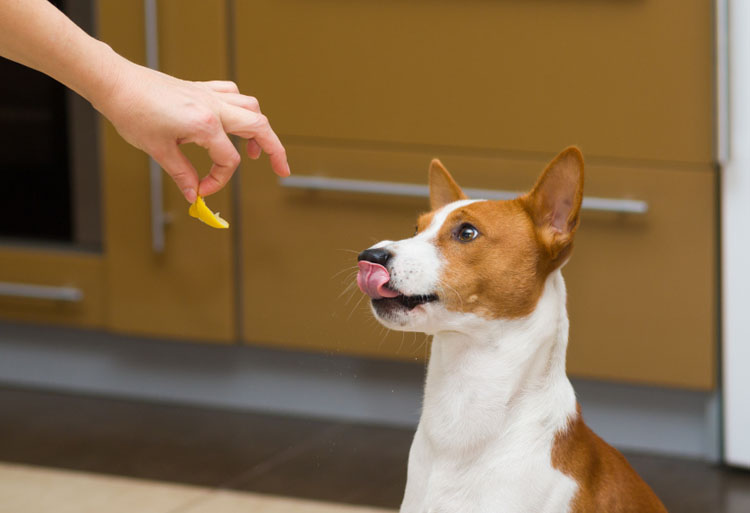
As a professional dog trainer, super yummy treats are a must-have during dog training sessions. Dog treats are your dog’s paycheck for choosing a polite behavior, and we all work for paychecks. The better the paycheck, the faster good behavior will happen. Fresh soft dog treats are easily the best option for training dogs. Check out why and which dog treat brands are best.

Soft or Hard Store Bought Dog Training Treats?

Oh, there’s a huge difference between soft dog treats and hard dog treats! When teaching new behaviors, you want fun and exciting sessions with lots of yummy treat rewards, but some treats will hold back the process.

I don’t recommend adding low value (dry pieces of kibble or biscuits) with high value treats. When teaching a new dog behavior or changing a dog’s perspective on something, always use high value dog treats every time. When weaning a dog from treats, using a variable schedule of reinforcement (i.e. rewarding the best “sits, downs or whatever” instead of every attempt) works much better once a dog understands a cue in all situations.

Soft Fresh Training Treats

From my experience training thousands of dogs, fresh training treats work best! When selecting dog treats, “fresh” means treats that contain higher moisture content that enhances aroma (smells strongly) and heightens taste. Additionally, fresh dog treats can be easily broken into pea-sized portions, quickly chewed and safely swallowed whole. Most fresh dog treats contain high percentages of meat, which means meat is usually the number one ingredient with a small percentage of vegetables or grains sprinkled in.

RELATED: Pros, Cons & Myths of Canned Dog Food

Dry Training Treats

Dry training treats can become a nuisance during training. They have little smell. If you don’t believe me, take a whiff of freeze-dried cow liver; it smells like nothing. No one enjoys eating scentless food because there’s a pretty good chance it will be tasteless too (hence rice cakes, yuck). Plus, store bought dry dog treats crumble easily, especially when breaking them into small portions for dog training sessions. There’s nothing worse than asking your dog to “down” and he’s busy hunting each and every dropped crumb instead of focusing on you.

If you’ve ever used dry training treats with an easily excited dog, you’ve probably witnessed your dog coughing or hacking after he swallows a dry treat whole. For smaller dogs, they will take their sweet time chewing a dry treat, which quickly deflates a high-energy training session.

Lastly, some pet owners swear their dogs love dry treats, but when I offer a fresh treat instead of a dry treat to their dog, the fresh treat is always gobbled up quickly. Plus, dogs tend to focus on other pet owners carrying fresh treats instead of their owners holding dry treats in their bait bag. Still don’t believe me? Place dry kibble or biscuit next to a chunk of tuna fish–case closed. 🙂

Recommended Dog Training Treats

As promised, check out a couple of brand names I highly recommend. All recommendations can be purchased at your local pet retailer and even large chain versions.

Freshpet

By far, Freshpet is my favorite! Due to an upsurge interest in cooked and raw food, Freshpet hit the pet and grocery store markets several years ago with a bang. Basically, this is a refrigerated cooked dog food with chicken as it’s first ingredient and a bit of vegetables and brown rice mixed in. Also, there’s a grain-free option for dogs watching their carbs. 🙂 Fresh Pet is a balanced dog food, which means it meets a dog’s daily needs if fed as a meal. It’s also made in the U.S.

Personally, I like the resealable bag option of Fresh Pet because it’s super convenient. No chopping needed. Just dump in your bait bag and go! If chopping is your thing, then choose from grain-free or regular rolls options. Now, Fresh Pet needs refrigeration, so I recommend freezing it a bit (1-2 hours max) during warmer months before heading out to group dog training class. As you arrive at the dog training facility, you’ll notice these treats will thaw a bit, but still remain cool during training sessions. Discard any remaining treats. I dump my bait bag contents on the floor for my dog to enjoy as class wraps up. Always wash your hands thoroughly afterwards, and don’t forget to wash your bait bag too.

Natural Balance Rolls

These rolls have been around for a long time, and I still use them during training. Meat is the number one ingredient in each role variety. Natural Balance rolls are nutritionally balanced, meaning these rolls can be fed as your dog’s regular meal (it would get expensive really quick though!).

Unfortunately, Natural Balance tweaked their roll recipe recently, which causes treats to crumble a bit when chopping. A tip: when chopping pea-sized treats, make sure the roll is nice and cold before cutting. This will keep crumbling to a minimum. I must say, dogs love this stuff–crumbs and all! Plus, there’s many protein options if your dog is unable to tolerate chicken or beef.

Natural Balance rolls must be refrigerated too. Freeze chopped treats (about 1-2 hours max) before heading out for training during warmer months. After training, discard any leftover treats. I usually dump my bait bag contents on the floor for my dog to enjoy at the end of class. Always wash your hands thoroughly and your bait bag too.

Regardless of which brand you choose, make sure your dog absolutely adores his or her treats. Fabulous dog treats make training dogs much easier!

Filed Under: Dogs, Equipment, Puppies, Resources, Training Tagged With: best dog training treats, best store bought dog training treats, dog trainer recommended training treats, dog training, Dog Training Tips, dog training treats store, fresh pet dog training treats, how to teach a dog, how to train a dog, natural balance roll dog training treats, teach a dog, train a dog

The Real Reason Dog Trainers Dislike Cesar Millan

March 24, 2016 by Fanna Easter

Honest Truth Why Some Dog Trainers Dislike Cesar Millan

Why Dog Trainers Dislike Cesar Millan
purple_queue/iStock

With social media outcries against Cesar Millan’s latest Nat GEO TV show at an all-time high, as a dog trainer, I need to address it. This backlash was due to Cesar allowing a dog that has killed pigs in the past go off leash to attack a live pig. Please dear readers, understand this is an example of how not to train an aggressive dog ever! No press release, fan comments or justifications can make this right. Cesar made a poor choice. Now, let’s discuss why dog trainers dislike Cesar.

Why Do Dog Trainers Dislike Cesar Millan?

As a dog trainer, I’ve personally witnessed and changed numerous dogs’ behaviors without using punishment or force-based methods. I’ve also discovered that positive reinforcement methods work much quicker. Also, as much as pet lovers hope with everything they have, aggression cannot be cured. It will always linger until a trigger appears and the dog (or person) is unable to control his actions. Let’s dive into Cesar’s dog training methods.

Alpha and Pack Theory

This alpha and pack theory has been dispelled many years ago. Dogs do view us as dogs or wolves. While dogs and wolves share similar DNA, they are totally different in behavior and appearance. Plus, the original author who cited these “alpha” behavior findings with wolf packs dispelled the theory as well, which says a lot.

Do Dogs Need to Be Dominated?

Dogs do not need to be dominated to teach them polite manners. They just need to be taught polite behaviors. Dogs are not pre-programmed to understand that pulling on a leash or barking at neighbors is rude. It’s your job to train your dog to walk politely on leash and to keep his feet on the floor. Just like teaching children and zoo animals, providing your dogs choices is key to teaching polite behaviors. As an example, if a dog is jumping up on someone, remove treats or the exciting person when the dog jumps up. This way, the dog learns that good things go away when he jumps up. When all four feet are on the ground, treats and the exciting person come back.

Red Zoned Dogs

Cesar uses the term “red zoned dogs” when referring to aggressive dogs. His claim to fame is putting an end to aggression in un-savable dogs, or basically saving extremely aggressive dogs from being euthanized. What people don’t know is this is not just a Cesar thing. Dog trainers every day work with aggressive dogs and their pet owners, and have tremendous success. However, we do things much differently than Cesar. We teach dogs that scary things are good and/or safe by pairing good things with scary things to change their perspective rather than resort to punishment.

Example From a Human Perspective

Let’s look at an example from a human perspective. If you are afraid of spiders, and I pushed you toward a spider while correcting you with a leash correction or rolling you over whenever you tried to squish or run away from a spider, do you think your behavior would improve? It’s highly unlikely.

Eventually, you will push me back (equivalent to a dog growl), punch me due to frustration and fear (like a dog bite) or shut down (become helpless). And if the spider gets really close, all you’re thinking about is running away; you don’t hear a word I’m saying. Now, if I gave you a $100 bill every time you were around spiders, you would soon learn that spiders equal good things (money, if that’s what you find rewarding). Understand, rewards are not bribery; they change behavior and then fade out.

Shut Down Behavior

From a dog trainer’s perspective, the video of the pig-biting dog shows a dog completely shut down. When dogs become so confused or scared, they either fight, flee or shut down. That dog on Cesar’s show is a perfect example of a shut down dog around pigs.

What Does It Mean When a Dog Shuts Down?

Shutting down is totally different from normal behavior. Dogs will move slowly, blink excessively, lay their ears backwards, crouch away from the trigger (the object that worries them), pull corners of their mouth backwards, sniff the ground excessively and try to avoid what scares them at all costs. If they can’t get away, most will flop down (shut down) and hope they are not harmed. This is not submissiveness; this is sheer terror.

Shutting Down From a Human Perspective

Let’s look at this from a human example, using spiders again. If I tie you to me with a leash, then pull you toward spiders or encourage spiders to walk next to you, you’ll likely do a couple of things (like the last example). Once you realize you can’t get away (I’m holding you firmly next to the spiders), you’ll likely shut down and become helpless. This basically means you’re giving up, covering your eyes and hoping with everything in your body that spiders will not hurt you. No one deserves to be so scared that they shut down; it’s like a silent panic attack.

Many novice pet owners and dog trainers assume shutting down means a dog has changed his behavior around a trigger or is just stubborn, but this is not true. When a dog encounters that trigger again, he may either shut down again or become aggressive–it all depends on the dog. This is not changing behavior. Also, assuming a dog is stubborn is a rookie mistake, and can most definitely cause irreparable harm.

Changing Dog Behavior With Psychology Tools

You can most certainly change a dog’s behavior using common psychology tools. As a psychology major, I’m shocked Cesar focuses on punishment-only tools despite numerous options that are documented to be effective. Human psychologists understand that punishment causes many fallouts, meaning it has nasty side effects. That’s why dog trainers focus on positive reinforcement instead.

Experienced dog trainers (and trained psychologists) focus on changing behavior with proven behavior modification techniques, such as counter conditioning and desensitization. By teaching a dog that triggers cannot hurt them, they also learn to walk away or ignore triggers instead of attacking them. Choices are a huge reinforcer for dogs–sometimes more reinforcing than yummy treats.

Be Your Dog’s Voice

So that’s the honest truth on why some dog trainers strongly dislike Cesar Millan. I know changing everyone’s opinion about Cesar is difficult, but I hope you know that Cesar’s “way” is not the only way and we need to be the voice for our dogs. There are much kinder and effective dog training methods out there. I invite you to research more before jumping back on Cesar’s bandwagon.

Filed Under: Behavior, Dogs, Training Tagged With: cedar's way dog training, Cesar Millan, cesar millan dog trainer, cesar's way, dog training, dog training techniques, Dog Training Tips, how to teach a dog, how to train a dog

Open Letter to Cesar Millan’s Fans From Dog Trainers

March 22, 2016 by Fanna Easter

Cesar Millan’s Dog Training Methods are Wrong

Cesar Millan Dog Training
Michael Warren/iStock

My goal is not to offend or accuse anyone. I want to have an honest conversation about the latest controversy pertaining to Cesar Millan’s latest TV episode, featuring a known pig-killing dog attacking a pig. I know many Cesar Millan’s fans feel he did nothing wrong and that he saved the dog’s life and the pig recovered, but there’s a bit more to it than that.

As a professional dog trainer, I would like to discuss this topic from what I actually see in the video, which will verify that all is actually not right. Before you become frustrated with my observations, I ask Cesar fans to at least read and understand why so many dog trainers are upset with Cesar Millan.

Be Wary of Edited Footage

TV programs are heavily edited to create a perception for a targeted audience, so small segments are pieced together to only show successful events. Be careful to assume when watching TV footage. Dog trainers notice there are editing gaps in the subject dog’s behavior, but viewers only see a tiny fraction of what is really happening in the dog’s training. Basically, dog trainers know what is happening behind the scenes, which provides a false sense of Cesar’s success at the dog’s expense. That’s why so many of us dog trainers are upset.

All Dog Trainers Save Dog Lives

As dog trainers, our goal is to keep all dogs in their forever homes by teaching them polite manners. About 50% of dog trainers teach reactive (aggressive and fearful) dogs how to navigate through society positively and how to respond differently around triggers. We are just as successful at changing behavior in all aspects as Cesar, but we choose to use positive dog training methods that don’t involve force, pack leadership, alpha status or punishment.

Dog Trainers Are Not Jealous of Cesar

We are most certainly not envious of Cesar’s fame on TV. This is furthest from the truth. Any way to educate the public about the importance of dog training is a huge win! Most dog trainers have an issue with Cesar’s punishment-based dog training methods and not his show. With his TV show’s huge range, Ceasr Millan is teaching pet owners outdated dog training techniques.

The Real Problem

Cesar Millan’s Dog Training Methodology

Our world is full of opinions lately, and everyone has his opinion about what works better than others. Hopefully, I can explain why so many dog trainers are furious with Cesar’s dog training methods. Here it goes!

Many dog trainers feel Cesar’s dog training methods have pushed science-based training methods back into the dark ages. Punishment and force are Cesar’s primary training methods, but they’re no longer necessary since positive reinforcement works quicker and maintains a positive bond between dog and pet owner. Do understand, positive reinforcement training is much more than throwing cookies around. These methods have successfully trained thousands of zoo animals to voluntarily allow blood draws, vet exams, injections, dental exams, nail trims and so much more.

Mistakes Do Happen, But We Must Learn From Them

Oh, mistakes happen. We all make them, but we learn from them and should never allow them to happen again. Many fans claim Cesar had made a mistake, and everyone is fine now. That’s a major misunderstanding, as most dog trainers would never allow that to happen. Our job is to keep everyone safe at all costs. Instead of letting go of the leash, which is basically a safety line for the dog and pig, you can train the dog using barriers or muzzles with better success.

Safety is Vital

Using force or allowing a dog to harm another animal for the sake of dog training is wrong. As dog trainers, we never want to cause harm to any living creature and stand strongly behind this principle.

Back to the Pig

Cesar Millan and his network are claiming the pig recovered well and isn’t suffering from any lasting side effects from the trauma. I would disagree. We all know bullying, either verbally or physically, stays with you for a lifetime. While many people say, “It’s only a pig,” I would say all animals should be treated with respect and should never be subjected to unneeded pain or torture.

Thanks for Listening

So dear fans, I ask you to do more research before assuming one person’s dog training methods work for all dogs. There are newer concepts out there that work quickly and humanely, and promoted by thousands of professionals. Understand, I’m not asking you to choose a side. My goal is to explain my side and the reason successful dog trainers are upset with Cesar’s dog training methods.

Thanks for listening!

Filed Under: Dogs, Training Tagged With: Cesar Millan, cesar millan animal abuse charges, cesar millan dog training, cesar millan puppy training, cesar millan tv show, Cesar millian pig show, dog training, dog training techniques, how to teach a dog, how to train a dog, pack leadership dogs, teach a dog, train a dog

Help! My Dog Steals Food Off The Table

March 9, 2016 by Fanna Easter

Proven Tips to Keep Your Dog From Stealing Food

Dog Stealing Food
monkeybusinessimages/iStock

As a child, I remember watching our small dog strategically jump from chair to chair until she landed on our dining room table. There, she promptly helped herself to a banana from the fruit bowl. My first thought was she’s pretty darn smart! Then, I was shocked she ate the entire banana.

While most pet owners appreciate their dogs’ skill and finesse when stealing food from the table, it’s not always entertaining watching your Rottweiler eat your carefully prepared roast. 🙂 These dog training tips not only stop dog stealing food behavior, but they also prevent it from happening in the first place.

Why Dogs Steal Food Off Tables

Who can resist deliciously smelling food sitting on a table, right? When food is left on tables or kitchen countertops, it can easily become an open invitation for your dog. Once your dog rewards himself by pulling down a loaf of bread and eating every slice, including the plastic wrapping, he learns to patrol tables and countertops heavily.

Every time your dog steals food, he is rewarded, which strengthens the behavior. As a result, the dog stealing food behavior happens more often. Think about it this way: If you found a $100 bill under a large tree in your backyard every week, I’m pretty sure you would keep an eye on it constantly or, if not, live under the tree.

RELATED: Can Dogs Eat Mushrooms?

How to Prevent Dog Stealing Food Behavior

As you’ve probably guessed, keeping food off tables and counters prevents this dog behavior from happening in the first place. Get the children involved and stash bread, snacks and fruits in closed cabinets or refrigerator. Remember to pick up food items after cooking.

If you’re cooking, and food is scattered across your counters, keep an eye on your dog. Or better yet, push food items further back from counter edges to prevent your dog from sniffing or snatching food. If your dog starts sniffing counter edges, call your dog to you and ask him to “lie down” and reward with a treat. Soon, your dog learns that lying down in the kitchen makes food appear rather than stealing it.

For proven food thieves, or dogs that have a history of stealing food off tables, fence the kitchen off with a baby gate. By creating a barrier, your dog is unable to patrol the area and look for food. Also, keep your dog in a crate when you’re away. This prevents your dog from learning to climb furniture for fruit bowls placed in high locations.

[perfectpullquote align=”full” cite=”” link=”” color=”” class=”” size=””]If you punish your dog for stealing food, he will learn to steal food when you’re not around. [/perfectpullquote]

Don’t Punish Your Dog For Stealing Food

We all scream when a dog steals food and runs away with it; we’re shocked it just happened. Do know that punishing your dog for stealing food won’t stop him, but instead make it much worse. So many times, pet owners are advised to set up their dogs with tempting food dangling from the table edge. The moment their dogs walk toward it, they’re advised to punish him. Let me explain how this creates a super sneaky food thief.

If you punish your dog for stealing food, he will learn to steal food when you’re not around. Yes, punishment creates stealth thieves, meaning you never hear it happening or it happens so fast that everyone in the house is clueless. Think about it this way: If you’re speeding near a specific bridge and the police stops and issues you a ticket at that location, you’ll either learn to drive slowly everywhere or slow down when approaching the bridge.

Preventing a behavior from happening is key! If dog stealing food behavior occurs down the road, prevention still works best, so the behavior is never rewarded (dog is unsuccessful at stealing food because it’s not available). This works!

YOU MAY ALSO LIKE: Get Your Dog to Take Treats Gently

Filed Under: Behavior, Dogs, Training Tagged With: dog eats food from counters, dog steals food, dog steals food from counter, dog takes food from table, dog training, Dog Training Tips, how to teach a dog, how to train a dog, teach a dog, train a dog

How to Get Your Dog to Take Treats Gently

March 7, 2016 by Fanna Easter

Teaching Your Dog to Take Treats Gently

How to Train a Dog to Take Treats Gently
Yurikr/iStock

Ouch! If your dog takes treats from your fingers roughly, you know the feeling. Before punishing dogs for this behavior, understand that dogs haven’t read an etiquette guide teaching them proper manners around food. When dogs see a treat they like, they take it vigorously until they’re taught to take treats nicely. Try these dog training tips to teach your dog to take treats gently.

Polite Manners Please

We love holding small pieces of food between our fingers. It’s a natural behavior used when handing another person something small or eating finger foods. However, some dogs don’t understand how to remove food held between two fingers. They either snap at your fingers or place their mouth over your fingers and remove the treat with their tongue. Either way, it can be painful or scary. Hence, the importance of teaching your dog to take treats gently.

Put Out an Open Hand

In the beginning, place dog treats on your open flat palm. If you’ve fed horses treats before, it’s the same technique. An open palm creates a flat surface that keeps fingers out of the way and minimizes nibbles and bites. Plus, most dogs will use their tongues to grab a treat from your open palm instead of their teeth. By feeding large or small treats from your hand, your dog is learning to slow down and take treats gently.

By using the open hand technique, you’ll notice your dog taking his time to remove a treat from your hand. While holding your palm upwards, cup your hand slightly and offer your dog a treat. Slowly cup your upturned hand further, so your dog learns to softly search and grasp the treat in your hand.

Also, when guests come over and want to offer your dog a treat, always advise them to use the open hand technique. It reduces the chances of your dog’s teeth pinching their fingers, as some guests are easily overwhelmed when a dog rushes forward for treats.

RELATED: Healthy Dog Treats

Feed the Floor

When dogs get excited or stressed, they’re more likely to painfully snatch treats from hands and fingers. During dog training classes, I can spot dog owners who have the “pinched treat finger” grimace from across the room. Dogs taking treats roughly is quite common in class. Their dogs are probably super excited.

My advice is to feed the floor instead of handing each treat to your dog or placing a treat in your dog’s mouth. By feeding the floor, you’re tossing earned treats within two to three feet of your dog’s paws, so he must pick up the treat from the floor instead of your hand.

Use a Spoon

Yes, your dog can easily learn to take treats from a spoon. When teaching loose leash walking, most dogs snatch treats roughly, as you’re probably moving quickly with lots of verbal praise and happiness. Instead of feeding the floor, which can cause your dog to run after a bouncing treat, try placing peanut butter in a spoon and offering a lick as a reward. For larger dogs, fill a plastic or wooden spatula with Swiss cheese and offer a lick or two in place of a treat.

Most dogs learn to take treats gently, so use these dog training tips as needed. Remember, dogs get really excited during dog training, so you may need to give your dog treats with a flat palm, feed the floor or fill a spoon when needed.

Filed Under: Behavior, Dogs, Training Tagged With: dog bites fingers when taking treats, dog bites hands when taking treats, dog eats treats gently, dog takes treats hard, dog takes treats roughly, dog training, Dog Training Tips, how to teach a dog, how to teach a dog to take treats gently, how to train a dog, train a dog

  • « Previous Page
  • 1
  • …
  • 8
  • 9
  • 10
  • 11
  • 12
  • …
  • 32
  • Next Page »

About

Dog Training Nation is a community of dog trainers, dog owners and dog lovers. Our mission is to provide trainers and owners valuable information to enrich dogs' lives. We cover a range of topics, from socializing puppies to dealing with aggressive dog behavior to selecting the best dog products. It is our hope you share our content to make the dog and owner world a better place.

​

Facebook

Video

Dog Training Nation is a dog training blog for pet owners and dog lovers. We cover a range of topics from puppy socialization tips to dog aggression to dog health. It is our hope you share our content to make the world a better place for dogs.

Dog Training Nation

Quick Links

Dog Training
Dog Behavior
Dog Training Videos
Become a Dog Trainer
About
Contact Us

Copyright © 2026 · Lifestyle Pro Theme on Genesis Framework · WordPress · Log in