Dog Training Nation

In Dogs We Trust

  • Home
  • Training
    • Dogs
    • Puppies
    • Clients
  • Behavior
    • Breeds
  • Health
  • Safety
  • Resources
    • Equipment
    • Books
  • Dog Training Videos
  • About
You are here: Home / Archives for Dogs

Add a Cue During Training

December 31, 2014 by Fanna Easter

When to Add a Cue

How to Train Your Dog
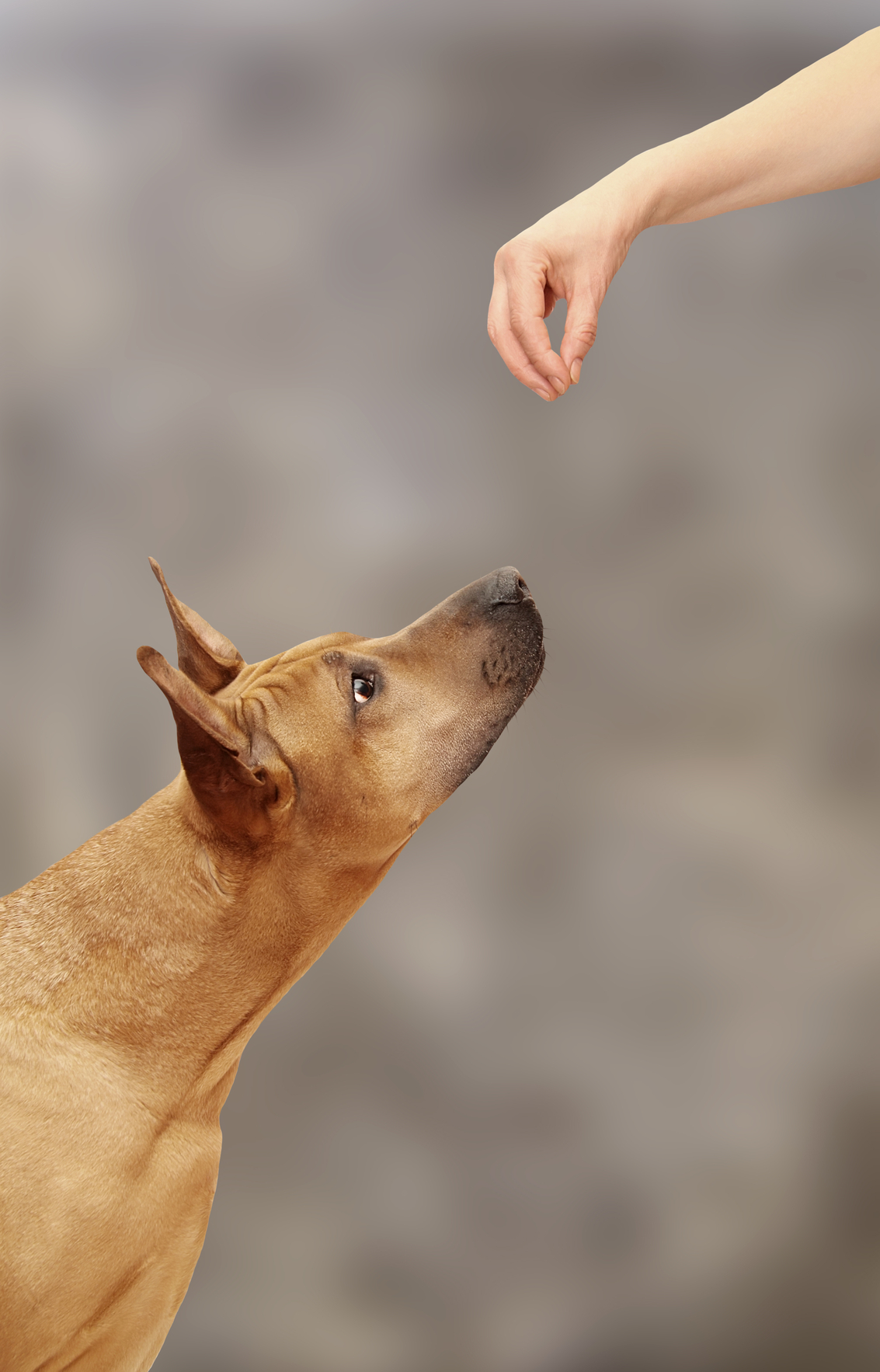
Say “leave it,” as you’re dropping your hand to his nose.

“Leave it” is a must for all dogs, not only will they ignore spilled medication on the ground, but it’s also a great skill to teach self-control. Learn how to teach your dog to leave it using quick and effective steps.

If You Missed Step 1

If you missed step 1, which demonstrates the beginning stage of teaching “leave it,” check it out here. Don’t rush when teaching a behavior. Step 1 is laying the foundation, and a strong foundation supports a new behavior. This is especially important for energetic dogs. 🙂

If, at anytime, your dog becomes confused, go back to step 1. Do know, it’s perfectly normal to take a step back. Think about learning algebra. It’s pretty important to understand what “x and y” mean, right?

Why Add the Cue Later?

Excellent question! I recommend adding a cue once a dog will offer the behavior 80% of the time. By adding the cue later, you’re removing any confusion plus it’s quicker and faster. I’ll give you a scenario to illustrate this point.

Let’s say I’m teaching you a new behavior and I begin by saying “retour.” You’re totally confused because you don’t speak German so you freeze and look at me for help. Instead, I repeatedly say “retour, retour, retour, retour, retour” while getting louder and louder. Does this help your confusion? Probably not.

If I dangle a $100 bill on your nose and lure you backwards while saying “retour, retour, retour, retour,” would that help? A bit, as you’re pairing “retour” with a $100 bill and maybe moving backwards. Now, be honest, all the “retour” babbling probably is distracting you, as I’m getting louder and louder, right? It’s like turning down the car radio when navigating a new route through dense traffic. That’s why we refrain from saying the cue. In the beginning stages, let’s allow your dog to concentrate.

Now, if I clicked and gave you a $100 bill every time your left foot stepped backwards, you’ll start to understand. Once you’ve practiced moving your left foot back several times while being clicked and treated, you’ll feel pretty darn confident. Now, I’ll say “retour” and wait. I’m waiting for you to take a step back with your left foot. Once that left foot moves back, I click and give you another $100. We practice a few more times and soon you’ll pair “retour” with stepping back with your left foot. Voila!

And if you have not Googled it yet, “retour” means “back” in German. 🙂

How to Add the Cue

Once your dog ignores your hand while holding a treat next to his nose 80% of the time, it’s time to add the cue. Say “leave it” as you’re moving your hand in front of your dog’s nose. Click and treat when they ignore your hand.

Tips

  • Say cue once. Repetition is confusing and remember all that “retour” babble. 🙂
  • Give cue as you’re moving your hand toward your dog.

Teach Your Dog to Leave It – When to Add a Cue

Filed Under: Dogs, Training Tagged With: clicker training leave it, clicker training videos, demo on teaching dog to leave it, doggy zen, how to add a cue during dog training, how to teach a dog to leave it, how to teach a puppy to leave it, how to teach your dog leave it, how to teach your dog self control, how to teach your puppy to leave it, how to train a hyper dog, how to train your dog to leave it, teaching a bull terrier to leave it, teaching a miniature bull terrier how to leave it, teaching a rottweiler to leave it, teaching the leave it command, teaching your dog self control, teaching your dog to leave it, tips for training a hyper puppy, tips on training easily excited dogs, what is doggy zen

How to Stop a Male Dog From Marking

December 31, 2014 by Fanna Easter

Dog Marking Behavior

Dog Marking Behavior
Why is he marking?

Tired of yellow spots and stains in your home? Are you irritated by frequent stops, so your male dog can mark everything? Before preventing dog marking behavior, it’s important to understand the cause.

Why Dogs Mark

Leaving small amounts of urine behind is normal. It’s like leaving a message for other dogs to read. I joke, but watching dogs sniff urine markings is like reading their Facebook pages. They may choose to “post back” or not. Intact males and females mark more often, as they’re usually trying to find a mate (you can say the same thing for single humans on their Facebook page too). Usually, males mark more often than females, but I’ve watched some intact females that can give the boys a run for their money!

Health

Anytime you notice a change, either heath or behavioral, bring your dog to a vet. As a dog trainer, I’ve personally witnessed an “un-potty trainable” dog that couldn’t hold his urine. This went on for a year, and this poor boy was only a year old. After a thorough vet exam, he had a congenital issue (born with it), which prevented him from holding his urine. After a quick surgery, he’s completely potty trained. Never assume. Always rule out health issues first.

Urinary tract infections (UTIs) are a cause of marking behavior and frequent urination. Plus, if you notice your dog drinking and urinating more, this is cause for alarm. Health issues should be ruled out first before starting any training.

Anxiety

Anxiety is a cause of excessive marking. I’ve encountered this behavior with many stressed male dogs. Usually, anxiety-induced marking is accompanied with other abnormal behaviors, such as hyper vigilance (constant scanning of their environment for threats), suspicious behavior, pacing, moving slowly and/or an inability to relax.

If anxiety is suspected, contact a professional dog trainer or animal behaviorist. He can point you in the right direction. Punishing or expecting an anxious dog to get over it will not work. Just like people, some dogs are unable to calm themselves. In the meantime, try DAP therapy, soft music and Thundershirts. For maximum effectiveness, it’s best to use a combination approach while seeking professional help.

Is He Truly Potty Trained?

It’s a valid question and worth taking a day or two to incorporate potty training tips. If dog marking stops, then he wasn’t really potty trained, which is a relief. You found the cause and can easily move forward. 🙂

Clean the Marked Area

Most pet owners clean urine stains using everyday house cleaning products. While they remove the stain, they don’t remove the urine odor. Have you ever noticed your dog pees in the same place, outside or on pee pads? This is normal dog behavior, and we use it to our advantage when potty training a dog.

Dog have an intense sense of smell. As an example, if you walk into someone’s house and they’re cooking soup, you smell soup. But dogs smell each specific ingredient in the soup, such as onions, carrots, beef, noodles and so on.

Back to cleaning, clean and then re-clean the marked areas using recommended enzyme cleaners.

Dog Marks in One Spot

If your boy marks in one specific spot, keep it simple. Block the area with a gate or close the door. Most pet parents balk at these suggestions. They’re convinced that the door will remain closed or the item will be removed permanently. Actually, by removing the marked object, you’re removing the temptation to mark. When a dog practices a behavior, it gets stronger. Same goes with dog marking. Plus, it can become a learned behavior, which is tougher to manage. Trust me, remove it or close the door, clean the area using recommended enzyme cleaners (multiple cleanings are recommended) and, in six months, your dog will forget about it.

He’s a Multiple Spot Marker

This can be a bit tougher, so I’ll make a few recommendations. Usually, these boys have an underlying anxiety issue. To prevent, seek professional assistance, employ potty training techniques (crate when left alone) and try a belly band. While belly bands prevent urine from touching precious items, it doesn’t really teach a dog not to mark. Belly bands wrap around a dog’s waist, covering his private area, which acts as a protective barrier between urine and furniture.

Punishment

I know you were thinking about it, so let’s discuss it. In my 22 years of dog training, punishment has never worked for urine marking. What ends up happening is your dog will learn to mark when you’re not present. When this happens, you have a real challenge. For anxious dogs, the problem will worsen.

Prevention

Spaying and neutering will reduce dog marking behavior, especially if done before sexual maturity. If you want to dive further into this topic, take a peek at Anneke E. Lisberg’s article about the effects of neutering and scent marking.

Filed Under: Behavior, Dogs, Training Tagged With: canine urine marking, does anxiety cause urine marking, house training a urine marking dog, how to stop urine marking, preventing urine marking, stop urine marking, territorial marking, urine marking behavior dogs, urine marking dogs, urine marking health issues, urine marking in dogs, urine marking male dogs, why do dogs mark, why does my dog mark

The Right Way To Do Dog Time Outs

December 19, 2014 by Fanna Easter

Time Out for Dogs

Puppy Time Out
Koufax73/Adobe Stock

Your dog is jumping on you. Immediately, you grab her collar and say “time out” and make a beeline for her crate. If she resists, you stuff her in the crate and close the door. After ignoring her for several minutes, you open the door and praise her. Does this sound familiar? While you might think you’re punishing your dog by putting her in her crate, this can actually confuse your dog.

Don’t Use Crates for Puppy Time Outs

Dog crates should not be used for punishment if a dog misbehaves. It’s different when you tell your child to go to his room because you can explain why and what you expected from him. With dogs, they’re left confused when you force them into their crates. You’re inadvertently teaching your dog to dislike his crate too.

If you’ve been using crates as a place for puppy time out, it’s not too late to change your dog’s perspective. Check out crate training tips for details on creating a crate oasis for your dog.

A More Effective Dog Time Out

Let’s think of time outs from a human perspective. What if your boss said “time out” and walked out of the room immediately after reading your latest report? What does it mean? Did he not like the report or was it something you did? What could you do differently?

“Time out,” and its equivalent “no,” are easy to say, but don’t really tell you what to do instead. When teaching your dog consequences, ignoring your dog for a few seconds is considered a “time out.” Ignoring a jumping dog until she chooses to do the right behavior (e.g. “sit”) is pretty darn effective. Rewarding your dog for good behavior is lost if you leave the room or put her in a crate. You’re missing out on a learning opportunity.

Use a Crate to Teach Self-Control

Dog crates are fabulous for teaching dogs self-control, which is important to teach puppies and adolescent dogs.

When a dog is out of control, doing zoomies behind the sofa or getting excited when guests arrive, grab a food stuffed toy and give your go-to-your-crate cue. This is different than a dog time out. Your dog is voluntarily going into her crate and being rewarded with a food stuffed toy for her good choice.

Now, your dog will settle down and chew on her toy, lowering her arousal rate. Teaching a dog to bring her arousal rate down is equivalent to taking a calming yoga breath to relax.

Once your dog is calm, simply open the crate. Most relaxed dogs stretch and then find a nice place to continue their snooze. Mission accomplished!

When do you use puppy time outs?

Filed Under: Behavior, Dogs, Training Tagged With: do time outs work for dogs, dog time outs, doggy time out, how long should a dog be in a time out, how to use time outs effectively for dogs, is time out effective for dogs, is time out effective for puppies, puppy time out, time out dogs, time out in crate, using time out with dogs, using time outs effectively

How to Give a Dog a Pill

December 19, 2014 by Fanna Easter

Easiest Way to Give Your Dog a Pill

How to Give a Dog a Pill
It’s not that simple. Learn the easiest ways to give your dog a pill. tonodiaz/Deposit Photos

Oi, having a sick dog is the pits and then having to give pills several times a day — I feel your pain. Recently, Sobek (my Rottweiler) has been sick and his tummy issue has lingered for days. I’ve had plenty of time to test the easiest ways to give dogs pills and I want to share my success!

Hide the Pill

Make it fun with lots of rewards or pill-giving will be you and your dog’s worse nightmare. It’s best to hide pills in strong smelling soft food, which hides the smell and taste of pills. My fav pill-hiding foods are:

  • Peanut butter
  • Cream cheese

Both foods have a low liquid consistency so they easily mold around pills while still tasting really good! During the day, reward your dog with random fingerfulls of peanut butter without hidden medication. By giving pill-free rewards, you’re lessening the chance she will not smell or taste the pill. Teaching positive associations to peanut butter ensures eager swallowing of pills.

Keep Pills Out of Dog’s Meals

Keep pill giving separate from meals. You don’t want your dog to associate meals with pills. This can cause her not to eat meals. I usually give meds right before meals, as they’re hungry and will gobble down their hidden meds.

Oh Oh, She Tasted the Meds

Don’t freak out. Pick up the pill and take a 10-minute break. If you immediately try to hide the broken pill in something else, your dog will refuse it. He knows what you’re up to. 🙂 Bring her outside to potty and try again using another flavored pill hider, such as cream cheese or canned pumpkin. This time, take a large glop and bury the pill from view. As your dog eats the pill glop, reward with lots of praise. Badabing! You did it!

VIDEO: Easiest Way to Give Your Dog a Pill

READ NEXT: Understanding Dog Nutrition

Filed Under: Clients, Dogs, Health, Puppies, Training Tagged With: easiest way to give a pill to dogs, easy way to give medicine to dogs, giving dogs pills ideas, giving dogs pills on prescription dog food, giving pills to dogs, giving pills to dogs tips, giving pills to puppies, how to give a dog a pill, my dog hates pills, my dog refuses to take pills, my dog will not take medicine, my dog won't eat or take medication, my puppy refuses to take pills, trick to giving dogs pills

Dog Handling: Teaching Your Dog to Say “Ah”

December 16, 2014 by Fanna Easter

Body Handling Exercises

Teaching Your Dog to Open His Mouth
Mouth exercises are important for good health and behavior. membio/Deposit Photos

Check your dog’s mouth and teeth a couple of times a week. You’re looking for plaque buildup or lodged foreign bodies. It’s important to teach dog body handling exercises early on so follow these quick tips on teaching your dog to say “ah”!

Using a clicker and yummy treats, remember to click and treat as you’re touching, lifting or opening. Practice for 1-2 minutes with breaks in between. Usually, steps 1-9 take 2 or 3 short sessions to teach. If at anytime, your dog refuses to open his mouth, go back to steps 1-5 for several training sessions.

  1. Using your index finger, touch the side of your dog’s muzzle. Keep clicker away from your dog’s ear. If that’s not possible, use a verbal marker “yes” instead.
  2. Lift the corner of your dog’s lip.
  3. Lift the other corner of his lip.
  4. Place your index finger in his mouth.
  5. Pull back his lips for a second.
  6. Place one hand across his muzzle (keeping your fingers away from his eyes and not applying any pressure).
  7. Place hand under his muzzle.
  8. Using both hands, open front of dog’s mouth. Click or say “yes” as you’re opening his mouth. Keep it short. Open, click, let go of mouth and treat.
  9. Open mouth for half a second.
  10. Extend duration (time) of mouth. Open slowly in small steps until your dog is comfortable for 2-3 seconds.
  11. Add a cue: Before moving your hands to open his mouth, say “Mouth.” Then, proceed to open and take a peek inside!

Mouth Work Means Less “Mouthing” for Puppies Too

Mouth work (touching and massaging gums and muscles of the mouth) works wonders for mouthing or nipping puppies too! Plus, give it a go for easily excited adolescent dogs (ranging between 6-18 months old). You’ll be shocked at the calming results.

How does it work? Using T Touch (Tellington Touch Training), you’re teaching body awareness using calming touch work, which promotes relaxation. Puppies and adolescent dogs have a tough time calming themselves so any opportunity to teach self soothing is highly beneficial.  

Points to remember:

  • Move slowly. Each tiny circle should take half a second to complete.
  • Use light pressure just enough to lightly move skin around. T Touch is different than massage. You’re not kneading muscles. You’re promoting relaxation and body awareness.
  • Teething puppies’ mouths are sore between 4-6 months. Instead try using T Touch around his neck and shoulders. Once all teeth have erupted, begin mouth work again.

Tellington TTouch Mouthwork for Dogs

Here’s a great video demonstrating T Touch for mouth work. Notice how slow and soft her hands move around the dog’s mouth?

Have you taught mouth work yet? If so, how did it go?

Filed Under: Dogs, Puppies, Training Tagged With: brushing dog's teeth, checking puppy teeth, dog body handling, dog will not allow vet to look in mouth, how do you look into a dog's mouth, how to brush dog's teeth, how to look in your dog's mouth, mouth work, puppy body handling, touch mouth work dogs

  • « Previous Page
  • 1
  • …
  • 21
  • 22
  • 23
  • 24
  • 25
  • …
  • 32
  • Next Page »

About

Dog Training Nation is a community of dog trainers, dog owners and dog lovers. Our mission is to provide trainers and owners valuable information to enrich dogs' lives. We cover a range of topics, from socializing puppies to dealing with aggressive dog behavior to selecting the best dog products. It is our hope you share our content to make the dog and owner world a better place.

​

Facebook

Video

Dog Training Nation is a dog training blog for pet owners and dog lovers. We cover a range of topics from puppy socialization tips to dog aggression to dog health. It is our hope you share our content to make the world a better place for dogs.

Dog Training Nation

Quick Links

Dog Training
Dog Behavior
Dog Training Videos
Become a Dog Trainer
About
Contact Us

Copyright © 2026 · Lifestyle Pro Theme on Genesis Framework · WordPress · Log in
