Dog Training Nation

In Dogs We Trust

  • Home
  • Training
    • Dogs
    • Puppies
    • Clients
  • Behavior
    • Breeds
  • Health
  • Safety
  • Resources
    • Equipment
    • Books
  • Dog Training Videos
  • About
You are here: Home / Archives for Dogs

How to Train Fearful Dogs

August 8, 2014 by Fanna Easter

Fearful Dog Training Tips

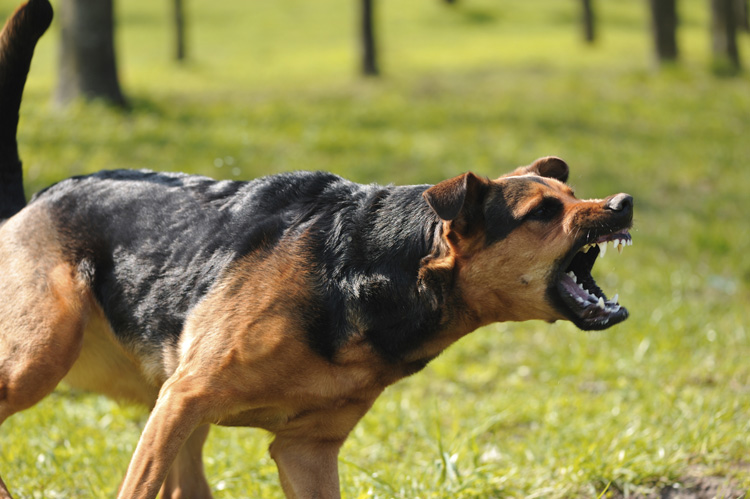
Fearful Dog
ArenaCreative/Deposit Photos

Fearful dogs break my heart. It’s not their fault they’re scared. They are either born this way and/or learned through scary encounters.

When training or living with a fearful dog, you’re using the same basic learning principles, but doing a few things differently. Always remember: fear causes aggression. We are all equipped with “fight or flight” mode. It’s a defensive mechanism. In fearful dogs, this mode is turned up a few notches.

Never use punishment-based training methods. Never punish a dog for being fearful, you will make it much worse. Punishment means yelling, screaming, pushing, pulling, correcting with a collar or verbally, and hitting a dog. It’s not their fault. Would you punish a child for being scared? I think not.

First, enroll in a Relaxed Rover class. Relaxed Rover classes are designed for fearful dogs and incorporate the below fearful dog tips. Class size is smaller than regular group classes and provides plenty of opportunities for practicing while offering guidance from a professional dog trainer.

Use the Very Best Treats

This is so important. I’m shocked how many dog owners disregard dog training treats. This is your dog’s currency, so use treats your dog loves!

Control His Environment

If your fearful dog refuses to eat his treats and you’re using hot dogs and string cheese (i.e. high value treats), stop and assess the situation. Is your dog distracted by:

Another dog standing too close?

o Move your dog away, at least 10 feet, if possible and try again.
o Provide visual barriers, such as bushes, fences and distance.

A person standing too close?

o Move your dog away, at least 10 feet, if possible and try again.
o Provide visual barriers, such as bushes, fences and distance.

Loud noise?

o Move away from loud noises and refrain from teaching your dog around loud noises. This could mean walking your dog in a park instead of alongside a busy road.

Quick movement?

o This startles many fearful dogs, as they believe quick movement means they are coming to get me.
o Provide visual barriers.

Teach Redirection

Redirection means to reward your dog for doing something else. If your dog jumps up, reward him for sitting instead. When redirecting, always continue to manage your environment.

If another dog is standing too close,

o Teach your dog the “look at that” cue.
o When your dog looks at another dog, click and treat. Your dog learns dogs equal food.

If a person is standing too close,

o Teach your dog the “look at that” cue.
o When your dog looks at a person, click and treat. Your dog learns strangers equal food.

If there is loud noise,

o Feed your dog as a loud noise is happening.
o Trust me, you’re not rewarding your dog’s scared behavior. You are pairing yummy food with something scary, such as a noise. This works wonderfully!

If there is quick movement,

o Teach your dog the “look at that” cue.
o When your dog looks at whatever is causing quick movement, click and treat. Your dog learns quick movement equals food and quick movement does not mean you are coming to get him.

Build Confidence

By teaching a fearful dog the “look at that” cue, he’s learning the world is not scary, which is very empowering. The more your fearful dog learns, the more confidence he will build!

I highly recommend enrolling in controlled dog sports, such as agility and nosework. By controlled, I mean one dog and handler are allowed in the ring at a time. This means low distractions and lots of one-on-one attention from the dog trainer.

Nosework is awesome for fearful dogs! Nervous dogs usually blossom after just one session. They learn to do something else instead of worry, and every dog has a good nose–even baby Pugs. 🙂

Preventing Shut Down Dogs

When a dog shuts down, he has given up to the extent he becomes frustrated. This condition is called learned helplessness, which can be treated. We cover learned helplessness in more detail in this article.

Bark back! What tips have worked for your fearful dog?
Filed Under: Behavior, Dogs, Training Tagged With: dog aggression, dog bite, dog trainer advice, dog training, dog training advice, Dog Training Tips, fearful dog, how to train a dog, how to train a scared dog, my dog is scared, puppy aggression, puppy bite, scared puppy

Debunking Dog Aggression Myths

August 7, 2014 by Fanna Easter

Aggressive Dog Behavior

Dog Aggression Myths

I feel aggression is a very misunderstood label that we tack on animals we don’t understand. Let’s discuss dog aggression myths.

What is dog aggression?

Dog aggression in layman’s terms means a dog threatens to cause harm to another dog or person. Wikipedia states aggression in its broadest sense is “behavior, or a disposition, that is forceful, hostile or attacking. It may occur either in retaliation or without provocation.” Aggression is a behavior, which means it’s learned usually by environmental exposures. Any dog can learn to be aggressive if he is exposed to a threatening situation.

  • Dog’s toenail was cut too short, which caused pain. Dog growls when you approach with nail trimmer to prevent further pain.
  • Dog loves his new chew bone and growls when someone approaches (this is normal canine behavior). When chewing, he’s telling you he’s not sharing his bone.
  • Dog was bullied by another dog at the dog park. Dog learns to scare off other dogs with aggression to prevent the bullying from happening again.

Is it nature (genetics) or nurture (exposed to scary things)? Genetics can certainly play a role when turned on by exposure to scary things. One thing I know for sure, prevention is worth its weight in gold! If your dog reacts with threat to cause harm:

  1. Take a step back and look at the environment.
  2. Determine what (the trigger) caused this reaction. Was it another dog approaching you? A stranger?
  3. Once you determine what is causing this behavior to happen (trigger), then you can address it.

Does aggression mean a dog is dominant?

No, that’s a huge myth. Dominance between dogs and people is a myth. This was debunked by science. Dogs clearly understand we are humans, not dogs. While dogs learn to read and interrupt our body language, dogs become confused when we try to mimic their dog language. It’s like someone speaking in a foreign language. We don’t understand what the person asking even when he begins speaking louder. If someone speaking a foreign language made you walk through doors last, learned his body against you, growled at you, pinned you down, or forced you to sit or lay down, would this teach you his language any quicker? I think not. You’d think he was crazy and you’d probably learn to threaten this person when he tries this again. This is aggression, which was learned.

Dogs will jump on you, run out the door first, lean against your leg, pull on the leash, growl when you try to take a yummy bone, bark at you for attention, (fill in the blank) because they do not understand what polite behaviors we want instead. This is not a dominance thing; it’s a teachable moment. It’s our job to reward dogs when they offer appropriate behaviors. To read research on debunking the dominance myth, view AVBIG: Debunking dominance in dogs and AVSAB: Position Statement on the Use of Dominance Theory in Behavior Modification of Animals.

Are specific breeds more aggressive than others?

No, that’s a huge myth. Scientific research has and continues to debunk this myth. If you would like to read the actual research paper, you can view it here. While some breeds were bred to protect livestock or kill vermin, this does not mean they are programmed to threaten harm to all dogs and people. I do not recommend herding dogs, working dogs or Terriers for first time dog owners, as these dogs are usually larger and can knock over people and small kids easily. Terriers will kill vermin and this is not an easy sight, especially for new pet parents.

Personally, I share my home with a Rottweiler and Bull Terrier, and they are the sweetest dogs ever! Sobek (Rottweiler) especially loves children and loves them even more when they are in strollers (at his height) and covered in gooey cotton candy (he will leave them spotless after his licking session). Stella (Bull Terrier) is an enthusiastic greeter, but she will kill vermin.

As an Adoption Coordinator for Southern States Rescued Rottweilers, I’ve encountered Rottweilers that endured extreme hardships, exposed to many scary environmental triggers, and have every right to be aggressive towards humans and other dogs, but they choose to be kind! Aw, dogs, aren’t they awesome? 🙂

Labels should be on the back of food containers, not dogs or humans. Myths are just that, myths. 🙂

Let’s discuss other dog training myths in the comments below.

READ NEXT: Offensive Dog Aggression

Filed Under: Dogs, Training Tagged With: dog aggression, dog aggression study, dog aggression to other dogs, dog aggression to owner, dog biting, dominant dog

Supervised Dog Tethering

July 29, 2014 by Fanna Easter

Tethering Dogs

Supervised tethering is an invaluable dog training tool and can be used for potty training and teaching your dog new skills, such as calm behavior.

Dog Tether
What a good boy!

What is Supervised Tethering?

Tethering means to connect a dog to a stationary object (wall mount, your body or heavy furniture) using a 4- to 6-foot leash. Supervised tethering means you are always able to visually watch your dog.

  • Connect to dog. Attach tether to dog’s flat buckle collar or body harness. I prefer using a body harness so the dog is comfortable. Never use a slip collar, which can choke your dog.
  • Tether. Use non-chewable materials, such as cable cord or thin chain leashes with a snap on one end and hand loop on the other end. Long tethers (longer than six feet) are cumbersome, tangle easily and become caught on furniture.
  • Stationary Object
    • Wall mount. Chose an eye hook mount and drill in a wall. Always drill into a wall stud for maximum strength.
    • Heavy piece of furniture, especially useful if you are sitting on it, which provides additional weight.
    • Your body. Try leash around your waist or tether to a belt loop. I prefer to use a hands-free leash combo, which attaches the leash to a built-in belt designed to fit most people.

How to Use a Tether

You’ll need a clicker, lots of yummy pea-sized treats, your dog’s favorite chew stick or a food stuffed toy.

  1. Click/treat while snapping the tether to your dog’s harness. Your dog learns it’s fun to be tethered.
  2. Reward your dog when the leash is loose (he is not pulled against the tether).
  3. When tethered, always provide a favorite chew stick or food stuffed toy so your dog learns that tethering means yummy stuff!
  4. If your dog barks or whines while wearing his tether, ask him to sit instead and unsnap the tether. Never unsnap a tether when your dog is barking or whining. He will learn to bark and whine until you remove the tether. 🙂
  5. When your dog is tethered to you, call his name before you begin moving. This will teach your dog to focus attention (by using his name) and prevent you from pulling your dog around.

For safety concerns, never leave your dog alone when tethered (either indoors or outdoors).

  • When left alone, your dog can chew through the tether and escape.
  • Tethers can wrap around your dog’s body and cause major damage. I’ve witnessed dogs jumping over furniture and hanging themselves.
  • When leaving your dog alone, put him in his crate with a food stuffed toy.

When to Use Supervised Tethering

Potty Training

  • Pet owner learns puppy’s cue for “I need to potty”: If your puppy becomes squirmy or stares at you, bring him outside. Your puppy will learn to cue you by staring at you that he needs to potty.
  • Tethering provides supervision, which prevents your puppy from wandering off and pottying in inappropriate places.
  • Tether dog while everyone is in the same room, such as eating in the dining room or watching a movie in the family room. This prevents potty accidents, your dog wandering off and your dog chewing on inappropriate objects.
  • I recommend tethering in conjunction with crate training. When I leave, my dogs are in their crates. When I’m home and need to supervise a puppy, I tether him to me or furniture. This provides plenty of opportunities to learn calm behavior outside of his crate.
RELATED: Housebreaking a Puppy

Teaching Self-Control (It Pays to Be Calm)

  • When watching TV, tether your dog near you, preferably to the chair you are sitting in.
  • Click and treat when dog is calm, chews on his favorite chew stick or enjoys a food stuffed toy.
  • If your dog gets up and pulls on the tether, ignore him. When your dog stops pulling on the tether, click and give him a treat.
  • Every night, while watching TV, tether your dog, so he will learn to settle down while you are settling in for the night too. 

Multiple Dog Environments

  • One dog harasses the other dog: Tether the dog doing the harassing dog. This works perfectly for a young puppy, which constantly harasses an older dog.
    • Example: Sobek (large puppy) would chase Stella (small adult dog), trying to elicit a play session. Stella refused to play and preferred a nap instead. I tethered Sobek to my chair, provided him a wonderful food stuffed toy and clicked/treated when he did not pull on his tether. Sobek learned calm behavior is more rewarding than harassing Stella for a play session. Plus Sobek learned to enjoy being calming instead of relishing the excitement of hyperactivity!
  • Two hyperactive dogs: Tether both dogs. However, separate them by tethering them across the room from each other. Use visual barriers, so they cannot see each other. Examples of visual barriers could be furniture, a person sitting in between, etc.

More Tethering Options

  • Tether your dog while eating dinner. This will eliminate begging at the table.
  • If your dog likes to dash out an open door, tether him.
  • Your dog bugs you for attention, tether him.
  • Dog jumps up on guests, tether him.

Are Tethers Forever?

Nope! Tethers are a tool used to teach your dog polite behaviors. Once your dog learns how and can remain calm, then discontinue use of tethers. Dogs should earn privileges, which means if they remain calm, then no tether. If they begin harassing a resident dog or sneaking off and causing mischief, they are tethered until they learn calm behavior pays.

Now it’s your turn! How can you use tethering to teach polite behaviors? Comment in the section below. I want to hear from you!

You may also like: Puppy Biting

Filed Under: Dogs, Training Tagged With: clicker training, dog training, dog training advice, Dog Training Tips, housebreaking a puppy, housebreaking an older dog, how to potty train a dog, how to potty train a puppy, how to tether train a dog, how to tether train a puppy, how to train a dog, how to train a puppy, hyper dog tips, indoor tether, puppy training, puppy training tips, supervised tethering, tether dog training, tethering a dog to you

Choosing the Right Dog Trainer

July 23, 2014 by Fanna Easter

Find a Trainer for Your Dog

Dog Trainer
Happy dog trainer!

How do you pick the right dog trainer for you and your dog?

Dog Trainer Requirements

  1. Use positive reinforcement training. This means he uses treats to reward good behaviors and redirects or ignores bad behaviors. Positive reinforcement works!
  2. Use positive reinforcement on humans too! Basically, dog trainers are teaching you how to train your dog. And if it’s not fun, who wants to do it, right? 🙂
  3. Provide a safe, clean and fun learning environment. Potty accidents must be cleaned immediately. Dogs should not be allowed to bark and growl at each other. Good dog trainers will provide visual barriers to ensure everyone is safe and having fun! If a dog is barking constantly, the dog trainer should be offering the pet parent tips to manage this barking.
  4. Has excellent communication skills. Dog trainers should smile, encourage, ignore mistakes, offer different tips to ensure success. Students should feel comfortable and encouraged.
  5. Understands dogs are individuals. Dogs learn differently, just like humans, so a dog trainer should have plenty of fun ideas in his Dog Trainer Tool Box. He needs to find what works for your dog.
  6. Provides plenty of time to practice behaviors during class. While your dog trainer will explain how to teach a behavior, his stories should be kept to a minimum. About 70% of class time should be focused on practice time.
  7. Shows up on time for each session and is available to answer questions after class.
  8. Helps pet parents meet or exceed their training goals. Dog trainers should check in with each team before, during and after class even if it’s a “thumbs up”or “high five” when they reach their goal 🙂
  9. Leaves you feeling empowered. You must feel successful during and after each class. Fabulous dog trainers strive to ensure you and your dog are always successful.

For additional details, click here.

Locating a Dog Trainer

My advice is to begin searching for dog trainers at Animal Behavior College Certified Dog Trainers, Karen Pryor Academy, Council of Certified Dog Trainers Database, International Associates of Animal Behavior Consultants,  and American Veterinary Society of Animal Behavior Consultants.

Interviewing a Dog Trainer

Now that you understand the requirements and have located a dog trainer, it’s time to interview them. It’s best to speak with dog trainers on the phone and ask to observe a class in session. Dog trainers are honored when pet owners ask to observe a class because they can show off their skills. Using your list of dog trainer requirements, observe a group class in session. Are they meeting your requirements? If, at any time, you are not comfortable observing/practicing any techniques, stop and speak with your trainer. I’m empowering you to be your dog’s voice. 🙂

Tell us about your dog trainer in the comment section below!

More: 
Dog Trainer Fanna Easter 
Dog Trainer Karen Pryor 
Dog Training Classes 
Dog Obedience Training

Filed Under: Dogs, Training Tagged With: animal behaviorist, dog behavior, dog obedience training, dog trainer, dog training, dog training classes, Dog Training Tips, how to train a dog, how to train a puppy, how to train your dog, obedience training, puppy training, puppy training classes

Dog Obedience Training Techniques

July 17, 2014 by Fanna Easter

Which Dog Obedience Training Technique Will You Use?

Dog Obedience Training
What’s the difference?

When training a dog, consequences (i.e. a result or effect of an action) are rewarded or punished. For example, you go to work and then you get paid. You don’t go to work and then don’t get paid. Not receiving a paycheck is a punishment, which is what you learn to avoid. Thus, you go to work. Receiving a paycheck is a reward, so you go to work more often. This is the basis of how we all learn. Let’s discuss the three most popular dog obedience training methods, which are food rewards, clicker training and corrections.

Food Rewards (Positive Reinforcement )

Positive reinforcement dog training is a large umbrella, so let’s make it simple. Reward behaviors you like. Ignore or redirect behaviors you don’t like. Positive reinforcement means to reward a dog’s behavior, such as “sit,” so your dog will sit more often.

  • Rewards can be food, toys or games. Your dog should choose his reward, as it’s his currency.
  • Many dog trainers use and recommend food rewards because it’s user-friendly for pet owners and dogs love food. This method is very forgiving for both you and your dog.
  • If a dog refuses to eat his food reward, this is usually a clue that your dog is too stressed or fearful to learn or doesn’t like his reward.
  • Food rewards fade. Once the dog knows the behavior, he will do the behavior on cue 80 percent of the time. You don’t need to carry treats in your pocket all the time. 🙂

RELATED: The Right Way to Do Lure Reward Dog Training

Clicker Training

Clicker training has become widely popular lately. Clicker training uses the same premise as positive reinforcement training except you use a clicker to click when the dog performs a good behavior.

  • The click is used to mark the good behavior and means the dog has earned a treat.
  • Before using a clicker, dog owners need a firm understanding of clicker mechanics, which means they should learn perfect timing of the click, shaping and capturing a behavior, and basic guidelines for using a

Corrections (Compulsion Training)

Compulsion means “to compel or coerce.” In dog training terms, this means to physically place (i.e. using your hands) a dog into a behavior and use leash tugs and verbal sounds as corrections.

  • This method of dog training was hugely popular 15 to 20 years ago, and was based on military dog training.
  • Some dog trainers don’t use food rewards. Rather, they correct a dog until he does the right behavior, such as “sit,” and then praise the dog. In my opinion, this is a difficult way to learn.
  • Now, I’m not saying punishment doesn’t work. Think about speeding on the highway and a policeman gives you a ticket. You learn to drive slower for at least awhile until you learn to scan your area for policemen.
  • Punishment works, but it has fallouts. Punishment teaches a dog to become helpless and confused, so he offers nothing. This is sad.
  • This dog training technique isn’t user-friendly. You must know what you’re doing and give the smallest amount of correction to stop the behavior or else you can damage a dog. Also, when giving corrections, most pet owners go overboard. Punishing is very rewarding for the person doing it, as he’s releasing his anger.

What questions do you have about dog obedience training methods? Please comment in the section below.

More:
Choosing the Right Dog Trainer
3 Behaviors All Dog Trainers Should Know
Handling Difficult Dog Training Cases
Best Dog Training Books

Filed Under: Dogs, Training Tagged With: dog training, dog training method, obedience training

  • « Previous Page
  • 1
  • …
  • 27
  • 28
  • 29
  • 30
  • 31
  • 32
  • Next Page »

About

Dog Training Nation is a community of dog trainers, dog owners and dog lovers. Our mission is to provide trainers and owners valuable information to enrich dogs' lives. We cover a range of topics, from socializing puppies to dealing with aggressive dog behavior to selecting the best dog products. It is our hope you share our content to make the dog and owner world a better place.

​

Facebook

Video

Dog Training Nation is a dog training blog for pet owners and dog lovers. We cover a range of topics from puppy socialization tips to dog aggression to dog health. It is our hope you share our content to make the world a better place for dogs.

Dog Training Nation

Quick Links

Dog Training
Dog Behavior
Dog Training Videos
Become a Dog Trainer
About
Contact Us

Copyright © 2026 · Lifestyle Pro Theme on Genesis Framework · WordPress · Log in
