Dog Training Nation

In Dogs We Trust

  • Home
  • Training
    • Dogs
    • Puppies
    • Clients
  • Behavior
    • Breeds
  • Health
  • Safety
  • Resources
    • Equipment
    • Books
  • Dog Training Videos
  • About
You are here: Home / Archives for Breeds

What Did You Call My Dog? Correct Dog Breed Names

July 27, 2015 by Fanna Easter

Dog Breed Names

Don’t Let Adjectives Fool You
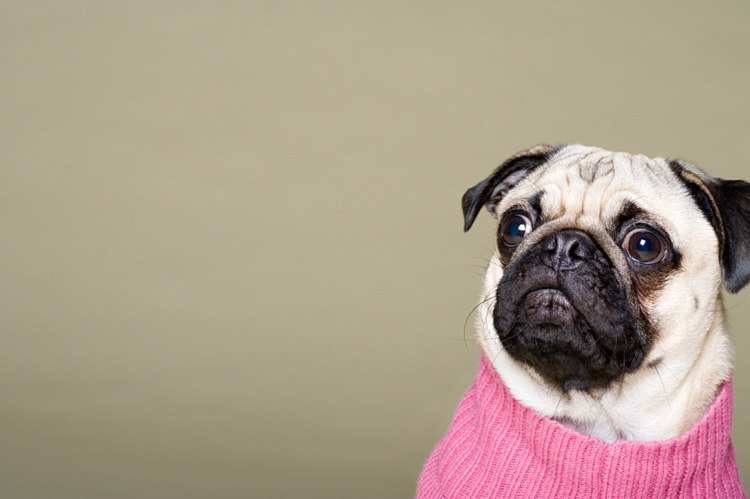
Dog Breed Names
“What did you call me?” IS_ImageSource/iStock

When someone describes a Mastiff as an English Mastiff, the little hairs on the back of my neck stand straight up. You’re probably asking, “Why? It’s just a name, right?” Well, it’s a mispronunciation of a proper noun (breed of dog).

With all the horrible things happening daily, why are my hackles raised by this issue? Is it because my name is mispronounced 20 times per day? Maybe.

Or it could be when someone adds a point of origin (English) placed strategically in front of a proper breed name (Mastiff), it implies a bit of superiority (my English Mastiff is better than your Mastiff). Yes, that’s it, especially when someone emphasizes the added adjective. Not only does it denote highbrow smarty pants, but it is also used to deceive. It’s a pet peeve of mine, as I’m sure you can certainly tell. 🙂

Before other countries begin a debate, let’s be clear: I’m talking about breeds of dogs recognized by the AKC and UKC. 🙂

It’s All Marketing, Folks

Another reason it rubs me the wrong way is adjectives are used by deceptive breeders to market their dogs to unsuspecting puppy buyers. Think about it: Chinese Pugs look and sound much more appealing than their proper name (Pug). Just reading or hearing the word “Chinese,” your brain secretly transports itself to Shanghai and you’re envisioning silk-wrapped Pugs trotting effortlessly along the Great Wall of China. Allow me to pop your bubble. 🙂

This is called marketing: someone is trying to sell their product by indulging in your secret need to possess something others don’t have. Before you blush, it’s normal human behavior. Sometimes, we fall for slick wording and advertising.

Reputable breeders use proper breed names because they’re part of a breed club, which helps develop the AKC and UKC breed standard. Now, this makes me swoon! These folks are preserving (or changing, depending on breed traits) and improving Pugs, Mastiffs and their chosen breeds.

Grammar Police

It’s Rottweiler and not German Rottweiler. In Germany, they’re called Rottweilers too–place of origin not included. If I had a penny every time someone asked if Sobek was a German Rott, I could pave Interstate 10 from beginning to end. Instead, I reply back, “Nope, he’s from Virginia.”

One time, some dog owners introduced me to their Imperial Royal Shih Tzu. Wowza! Personally, I think “Shih Tzu” is striking on its own (and it’s correct).

By the way, it’s Bull Terrier or Miniature Bull Terrier and not English Bull Terrier. While they originated from England, Stella Mae is a Miniature Bull Terrier born in South Carolina. 🙂

Beware of Adjectives & Mispronunciations

When clicking on a picture of Australian Peek-a-Poo puppies, understand their parents were a Pekingese and Poodle, and must’ve been born in Australia. If their address states Alabama or Wisconsin, it’s deceitful and false advertising at its best. Stay away.

By all means, if a dog breeder mispronounces a breed, run away. I’ve heard Bichon Frise called “B*tchs in freeze,” Shih Tzus  pronounced as “Sh#t zoos,” Rottweilers referred to as “Rock wallets” and French Bulldogs labeled as “Frenchton Bulldogs.” Yeah, no. If a dog breeder or breed expert can’t pronounce a breed’s name correctly, they have no clue about breed standards.

To protect yourself, it’s vital to research your chosen breed and that means visiting AKC or UKC’s website for correct pronunciation of the breed and the breed standard. Check out tips on finding reputable breeders here.

WATCH: Proper Dog Breed Names: No Such Thing as “Chinese” Pugs or “English” Mastiffs

READ NEXT: Dog Breed of the Week: Great Dane
Filed Under: Breeds, Clients, Dogs, Training Tagged With: Chinese pug, correct dog breed names, dog breed marketing, dog training, Dog Training Tips, english bull terrier, english mastiff, english miniature bull terrier, finding a reputable dog breeder, german rottweiler, how to teach a dog, how to train a dog, mispronouncing dog breed names, reputable dog breeders, signs of an unethical dog breeder, teach a dog, train a dog

Dog Breed of the Week: Great Dane

July 21, 2015 by Fanna Easter

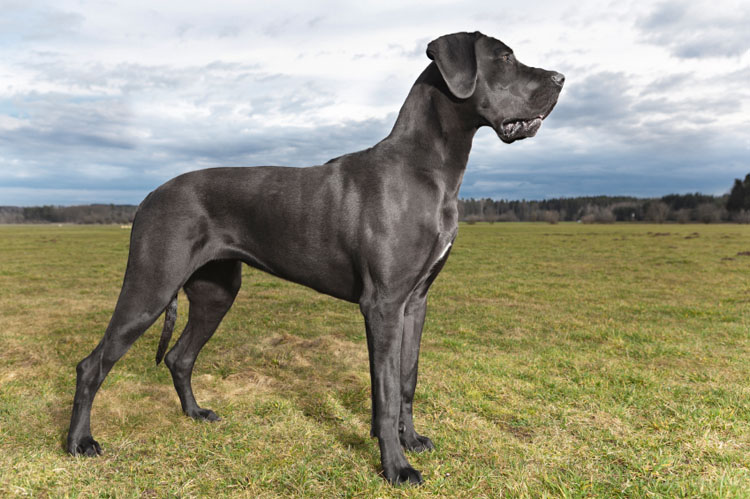
Meet the Great Dane

Great Dane
RalfWeigel/iStock

The Great Dane is elegantly compiled of great size and power. So much so, they are known  as the “Apollo” of dogs. Great Danes descend from Mastiffs like most breeds of dogs, which is not surprising due to their large size and short coat. They were bred for boar hunting in Germany and are known as “Deutsche Dogge” in their native country, which loosely translates to “german mastiff.” Great Danes are a member of the Working Group through the American Kennel Club (AKC). Instead of hunting, the Great Dane’s function is mainly serving as a companion.

General Characteristics and Temperament

This powerful dog usually stands at least 30” tall. Males typically stand at 32” or more while females stand at least 30” or more. Males weigh in at 130-180 lbs and females at about 110-150 lbs. They’re by no means a small dog.

Great Danes range within three color families: fawn and brindle; harlequin and mantle; and black and blue. An interesting tidbit of information: each color family tends to have different characteristics and even specific health issues.

Great Danes tend to be spunky, confident, friendly and easily trained dogs that are generally good with children and other pets in your home. However, with any giant dog, they should be supervised. Their size and spunkiness can be a bit overwhelming to children and smaller animals. In addition, their long wagging tail can clear a coffee table within minutes. Training will greatly benefit Great Danes and allow them to be well-mannered family companions.

Health and Dietary Needs

As with any giant breed, their lifespan is a bit short, so expect seven to 10 years of enjoyment. In terms of health problems, your major concerns will be: gastric torsion (stomach flips over), cardiomyopathy (heart disease) and osteosarcoma (bone cancer) while your minor concerns being hip dysplasia, CVI (Wobbler’s syndrome), obsessive compulsive disorder (OCD), HOD (skeletal disorder) and hypothyroidism.

Choosing a reputable breeder can drastically reduce heath issues. Parents and grandparents that have been health tested before breeding can reduce the chances of passing on their crippling diseases to your dog. If adopting, ask your veterinarian to complete health testing as well to rule out any lurking health issues.

Diet

Most likely, your Great Dane will thrive on dog foods blended for large breed dogs, meaning higher protein levels and reduced minerals to ensure they grow slowly, which is a good thing. Some Great Danes do very well eating balanced raw diets, but be prepared to order meat in large quantities. With Great Danes being so tall, it’s recommended you provide them with an elevated eating and drinking station to prevent bloat.

Dog Grooming Needs

Great Danes have a short, thick and sleek coat that requires weekly brushing with a rubber curry comb. While their coat is short, they still shed. Never use a deshedding tool, as it can cause brush burn (blisters and bleeding skin) in unskilled hands. To keep dander to a minimum, weekly or bi-weekly baths with a gentle shampoo is important. Remember to rinse completely.

Ears

Great Danes have medium-sized ears that are naturally floppy, but usually cropped (personal preference). Either way, checking their ears regularly for buildup is a good idea. Most of the time, a quick wipe down with an ear cloth will do just fine.

Nails

Oh, they have strong and thick nails, so keeping your Great Dane’s nails trimmed weekly is important. Using clippers or a nail grinder will prevent overgrowth and splitting, which is very painful.

RELATED: Dog Nail Trimming Tips: Teaching Nail Drags Across the Board

Exercise and Dog Training Needs

You may think that this large dog needs a lot of exercise, but this is not exactly the case with Great Danes. They tend to have pretty low energy, so regular walks or even a daily game of fetch will suffice. Although, they do need enough room to move around and stretch those long legs. If you don’t have a yard for them to play in, I suggest taking them to a park or a safe fenced area.

The good news is Great Danes are easily trainable and learn fastest when using positive reinforcement. Due to their size, they can easily pull you around during walks or vet visits, so I would recommend a head halter. Personally, I’ve had great success with reward based training and the right tools, such as the head collar with the Great Danes I have trained.

Conclusion

If you are considering bringing a Great Dane into your family, I invite you to locate a reputable breeder or rescue organization from the Great Dane of America Club.

Filed Under: Breeds, Dogs, Training Tagged With: dog training, Dog Training Tips, find a great dane breeder, great dane, great dane pictures, great dane puppies, great dane rescue, great dane temperament, great dane training, how to teach a dog, how to train a dog, learn about great danes, teach a dog, train a dog

Dog Breed of the Week: Nova Scotia Duck Tolling Retriever

July 13, 2015 by Fanna Easter

Meet the Nova Scotia Duck Tolling Retriever

Nova Scotia Duck Tolling Retriever
mariakbell/iStock

Nova Scotia Duck Tolling Retriever is a mouthful, but it matches this complex dog. These dogs originated from Nova Scotia in the 1800s and were once known as the Little River Duck Dog or the Yarmouth Toller. The Nova Scotia Duck Tolling Retriever is a part of the AKC Sporting Group, specifically from the gun dog retriever family whose main function is duck tolling and retrieving.

This breed’s job is very complex, luring out curious ducks with their silly, playful antics, to allow the human hunter to shoot the duck for retrieval by the toller (their commonly used nickname). Let’s see what we can retrieve by tolling this breed!

General Characteristics and Temperament

With the Toller standing at about 18-21 inches for males and 17-20 inches for females and weighing at about 45-55 pounds for males and 35-42 pounds for females, they are smaller and more agile than most Retrievers. These dogs swim as much as they run when hunting. They’re strong although their compact built allows them to hurry about tirelessly while frolicking and retrieving with a happy wagging tail.

Remember, Nova Scotia Duck Tolling Retrievers were bred to play and retrieve so you can expect lots of energy and playfulness from them. Their passion, yet semi-calm demeanor makes them versatile in many situations, including hunting, agility, obedience and even companionship. This light, playful attitude usually makes them pretty affectionate and gentle, which is a good choice for a family with children or other pets. However, the younger Tollers can be a little rambunctious at times.

Health and Diet

The Nova Scotia Duck Tolling Retriever has an 11- to 13-year life span and doesn’t have any major health concerns except CHD and PRA. Whether you are pairing with a breeder or rescue organization to find your Toller, you should gather as much information about the dog’s background and family line as possible.

If this information is not available, take your dog to the veterinarian for a checkup and additional testing, such as hips and eyes, to give you a better idea of any possible health issues. Your veterinarian can also assist you with any dietary questions you may have with your dog. As for your dog’s diet, his activity level, age and health needs determine the best diet for him.

RELATED: Understanding Dog Nutrition

Dog Grooming Needs

Nova Scotia Duck Tolling Retrievers have a water-repelling double coat of medium length, which allows them to work in icy waters. If you live in an area with cold climate, don’t expect your dog to stay out of the water. Monthly or bi-weekly baths will be just fine for this dog breed in addition to brushing with a soft metal bristled brush regularly to prevent matting.

Ears

While those soft floppy ears your Toller has require minimal attention, you should check them regularly for any buildup, especially if your dog hunts or swims often. I can tell you from experience, tics love those floppy ears, so keep an eye out for them during high tic months.

Teeth

This dog has a nice set of choppers with a strong enough jaw to carry a duck. Keeping them clean and healthy will allow your dog to enjoy some of his favorite activities–retrieving!

Nails

Fun fact: the Toller has webbed feet. This doesn’t require any additional attention to grooming, but it does contribute to why they’re such great swimmers. It’s important to trim your dog’s nails regularly to prevent any cracking or overgrowth, as this can be very painful to your playful pet.

Dog Training and Exercise

Exercise requirements for this particular breed are quite high, but can be achieved in many ways. This dog has a natural desire to retrieve things and engage in playful activity. A great way to facilitate this is with a nice long game of fetch. You can even get creative and use a toy duck!

Tollers also benefit from mental stimulation, such as dog obedience training. A great way to get them out and socialized would be to join a local club or an obedience class. This will provide you and your dog with some human-animal bonding time while giving him the stimulation and socialization he needs.

Conclusion

This is a very fun loving, full-of-life dog with lots to offer in a wide range of situations. If you are considering this dog breed, I invite you to do some more research and find the dog that fits your needs best.

Source: www.akc.org

Filed Under: Breeds, Dogs, Large, Training Tagged With: nova scotia tolling retreiver, toller dogs

Dog Breed of the Week: Afghan Hound

July 9, 2015 by Fanna Easter

Meet the Afghan Hound

Afghan Hound
raywoo/iStock

Afghan Hounds are primarily a sight hound, which were bred to chase fast-moving game by sight. Having descended from a group of Middle Eastern sight hounds that were bred and trained to trail rabbit and gazelle, Afghan Hounds often worked with falcons trained to swoop down at game. The Afghan’s stamina and gracefulness continued to grow, as they evolved through generations of hunting dogs in the Afghanistan mountainous terrain.

These beautiful hounds date back to Egyptian times. Their pictures were discovered etched into walls, depicted as working partners and pets. The first Afghan Hound was imported in England in the early 1900s as a standard of perfection–elegant and fancy. Their popularity slowly grew, and was sought after by the more glamorous of people. However, their popularity really skyrocketed in the show ring. Today, the Afghan Hound ranks 90 in the AKC Hound Group, meaning they are not very common. Let’s dig a little deeper into this flashy breed and see if it is right for you.

General Characteristics and Temperament

Male Afghan Hounds stand about 27” tall (measured at the shoulder) and weigh about 60 lbs. Females stand about 25” tall and weigh about 50 lbs, and have a long silky coat. This breed is built for speed given their long legs, large paws, long narrow muzzles, and long and thin tails that curl up at the end. They radiate elegance.

Don’t let their elegant appearance fool you. These dogs were bred for hunting. They require daily activity that allows them to expel their energy and stretch their long legs. You will find these dogs are independent, but sensitive and reserved with strangers. Yet, they still have a fun and goofy side. And boy, they are fast.

Health and Nutrition

Afghan Hounds live about 12 to 14 years, which is a pretty long lifespan for a medium to large-sized dog. With limited major health concerns, it’s important to watch for cataracts and necrotic myelopathy. Partnering with a good breeder who does genetic testing on their dogs is definitely a good idea, as this can prepare you for any health concerns.

Feeding Afghan Hounds a premium, well-balanced diet will aid in longevity. As with all dogs, you should have a veterinarian who does regular checkups and shots and provides you with guidance on your dog’s individual health needs.

RELATED: Homemade Diets for Dogs

Dog Grooming Needs

Your Afghan Hound will require some commitment in the grooming department since they have long silky coats. Most adult coats need thorough brushing every two to three days to keep their coats mat-free, frequent bathing to remove excess oil and conditioning of their fine coat.

And yes, they shed. However, brushing with a pin brush (long and widely spaced teeth) easily removes tangles and dead coat. Pin brushes work wonderfully without putting too much stress on an Afghan’s coat.

Nails and Paws

With the Afghan having such large paws and long fur, you should tend to their paws regularly. You should also keep their nails trimmed to prevent cracking and breaking. While working on their nails, it’s a good idea to make sure the fur on their paws is trimmed as well to prevent slipping on slick surfaces.

Teeth

Afghans have a long muzzle that narrows toward the nose and nice pearly white teeth. You can keep them that way by regularly brushing their teeth. Brushing not only keeps your dog’s teeth pearly white, but it also has a positive effect on their health.

Dog Training and Exercise

Afghans need daily exercise. You can exercise them by either taking them for longs walks with some running at the end or leaving them in a safe fenced location where they can run at full speed. Make sure to keep small animals separated, as they are bred to chase vermin and game. Living quietly indoors is usually not an issue. They can co-exist peacefully with smaller animals in the house.

These dogs are best suited living indoors with outdoor access. They tend to be gentle, moderately playful and pretty calm. As with any dog, Afghan Hounds are easily trainable. You just need to figure out what motivates your Afghan. You might encounter some challenges with the recall cue, as they are usually very focused on what is in their line of sight. You can overcome this quickly by always making it rewarding for your dog to come when called and using the most high-value reward possible when working on this behavior.

Conclusion

While the Afghan Hound is not as common as some of the other breeds I have discussed, they are a marvelous, history-rich and present-day elegance. If the Afghan Hound is a breed you have been considering, I highly suggest checking out some of the additional links below for more information.

Sources:
www.akc.org/dog-breeds/afghan-hound
www.afghanhound.net

Filed Under: Breeds, Dogs, Training

Dog Breed of the Week: Beagle

July 2, 2015 by Fanna Easter

Meet the Beagle

Beagle Dog Breed
peterkirillov/iStock

The Beagle is a happy little scent hound that is part of the AKC Hound Group. Beagles originated in the 1300s and their main function was trailing rabbits. Today, their function still entails trailing rabbits, competing in field trials and, most recently, detecting contraband and valued family members. Let’s sniff a little deeper into this fun dog breed!

Beagle General Characteristics and Temperament

Beagles come in different varieties separated by wither (shoulder) height, ranging between 13-15 inches tall and weighing between 18-30 lbs. Beagles are considered medium size dogs, which enables them to be easily spotted while maneuvering through low foliage or carried to the hunt if needed. You will find the Beagle has a true hound color with the mixture of black, brown and white, and a thick hard coat that protects them from underbrush.

Our friendly Beagle was bred as a pack hunter and requires companionship whether it’s with a human, animal or both. These dogs are fun-loving, curious and tolerant dogs that make excellent family pets. Families with children can expect these dogs to be incredibly funny and easy-going, yet ready to join in on family outdoor games. If you’re looking for a fierce-looking dog, Beagles may not be your best bet. However, they are great watch dogs that are happy to alert you of anything suspicious.

Beagle Health and Nutrition

Beagles have a 12- to 15-year lifespan, depending on nutrition and general care. As with all dogs, there are some health concerns, such as intervertebral disk disease (bulging or herniated discs), glaucoma, epilepsy, CPRA (degenerative eye disease), hypothyroidism, patellar luxation (loose kneecap), chondrodysplasia (canine dwarfism) and cherry eye. Always seek a responsible dog breeder who performs health testing on dogs to ensure a healthy puppy. If you’re choosing to adopt through a rescue organization or shelter, you can still test your newly adopted dog for these health concerns.

Nutrition is a big part of your dog’s health, as this is what fuels them to be the best they can be. Feeding your dog a premium diet that meets his specific needs promotes good health! If you’re unsure of which nutrition plan would be best for your dog, you can always talk with your veterinarian for different options.

RELATED: Understanding Dog Nutrition

Grooming Your Beagle

Grooming requirements are minimal due to a close hard coat that protects Beagles from the harsh environment. A biweekly bath with regular brushing will be more than enough in the grooming department.

Ears

Beagles have pendulous (hanging) ears that can trap moisture, which creates a perfect environment for bacteria and fungus to grow. Make sure to flip each ear flap back, look inside each ear canal and take a whiff. If you notice any discharge or foul odor (musty or putrid), schedule a vet appointment immediately. Regular ear cleanings and inspections are very important.

Nails

Beagles have small, round paws with medium nails. It’s important to keep your dog’s nails trimmed to prevent cracking and overgrowth.

Teeth

Dental care is very important whether you have a large or small dog. Providing regular brushing with a dog-safe toothbrush and toothpaste can help prevent gum disease and heart disease.

RELATED: Small Dog Dental Care Tips

Dog Training and Exercise

Since Beagles were bred to trail small animals at high speed and for long periods of time, they need regular exercise, such as long walks and scent games. I’ve said it before and I will say it again: a tired dog is a good dog!

Beagles are super easy to teach polite manners as long as any excess energy has been released. Find something your Beagle loves. Scent hounds usually love stinky food so provide that to keep them engaged during dog training sessions.

Dog training doesn’t have to be a job. Make it a game by having your dog sit patiently for his food, or try teaching your Beagle to wait at the back door and reward for good behavior with a stuffed rabbit toy.

Keep That Nose Busy

Sometimes complete focus is challenging since most Beagles’ noses tend to be stuck to the ground. You really can’t blame them for this, as this is what they were bred to do! Teaching a focus cue can help. Just be sure to give a very high value reward to make it worth their while.

Barking and Howling

As trailing dogs, Beagles have a loud and far-reaching howl and bark–it’s how hunters locate their dogs when chasing game. If howling or barking is an issue, teach the “quiet” cue by rewarding quiet and ignoring barking.

Conclusion

In my experience, Beagles are fun-loving, social dogs that can be a great addition to your family. If you’re interested in gathering more information about this awesome breed, please check out the links I have provided below.

Sources:
www.AKC.org
www.nationalbeaglerescue.com

READ NEXT: Dog Breed of the Week: Pug

Filed Under: Breeds

  • « Previous Page
  • 1
  • …
  • 3
  • 4
  • 5
  • 6
  • 7
  • 8
  • Next Page »

About

Dog Training Nation is a community of dog trainers, dog owners and dog lovers. Our mission is to provide trainers and owners valuable information to enrich dogs' lives. We cover a range of topics, from socializing puppies to dealing with aggressive dog behavior to selecting the best dog products. It is our hope you share our content to make the dog and owner world a better place.

​

Facebook

Video

Dog Training Nation is a dog training blog for pet owners and dog lovers. We cover a range of topics from puppy socialization tips to dog aggression to dog health. It is our hope you share our content to make the world a better place for dogs.

Dog Training Nation

Quick Links

Dog Training
Dog Behavior
Dog Training Videos
Become a Dog Trainer
About
Contact Us

Copyright © 2026 · Lifestyle Pro Theme on Genesis Framework · WordPress · Log in