Dog Training Nation

In Dogs We Trust

  • Home
  • Training
    • Dogs
    • Puppies
    • Clients
  • Behavior
    • Breeds
  • Health
  • Safety
  • Resources
    • Equipment
    • Books
  • Dog Training Videos
  • About
You are here: Home / Archives for Breeds

Golden Retrievers

November 12, 2014 by Fanna Easter

Golden Retriever Breed Info
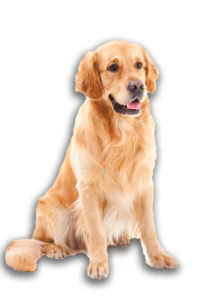
Golden Retriever Information
Find out if a Golden Retriever is the right dog for you!

The golden angel of the sporting group. Let’s chat about the beautiful Golden Retrievers! Find out if a Golden Retriever is the right dog for your family!

Golden Retriever Facts

Golden Retrievers were bred to cover large fields, including through water, at a high rate of speed to retrieve game. To stand out in the field, their coats are gold, which makes them easy to spot from long distances by hunters. Coat color varies from light, almost white gold, to dark brown gold. Beware of breeders specializing in “rare white goldens.” The color is not rare, it’s just a color variation. When I say beware, some breeders will charge a steeper price. This is your first clue this breeder is not for you.

Goldens are a large, heavy boned dog, standing 21-24 inches at the shoulder and weighing 55-70 pounds as an adult. Goldens can live between 10-12 years old. They are a courageous and lively breed with plenty of energy to master an agility course in lightening fast time. Remember, they were bred to retrieve all day long. 🙂

Temperament

Friendly, smart, happy and social with people and other dogs. They should not be anxious, fearful or aggressive. To keep your Golden mentally happy, provide daily walks, food puzzles for daily meals plus lots of opportunities to earn rewards for polite behaviors.

Goldens are powerhouses and do best in active homes. If you would prefer to stay home and watch TV, this breed is probably not for you. If you enjoy the outdoors, hiking, traveling and socializing, a Golden will fit right in. They will gregariously entertain guests for you!

It’s always important to meet Sire and Dam before choosing a puppy. Their temperaments provide a sneak peak of your puppy’s future temperament. I say “future,” as it’s so important to socialize puppies, especially before 16 weeks of age. Lack of socialization is detrimental for the end result. Hence, his final adult personality (temperament). If his Sire or Dam is anxious, there is a 50% chance your puppy will be anxious too. It’s important to understand, aggression is a symptom of anxiety. If adopting your puppy or older dog, you’re in luck as many knowledgeable shelter workers can temperament test your future dog for you!

Training

As with all dogs, begin socialization early before 16 weeks of age. Due to his large size and activity level, enroll him in a puppy and basic manners course to learn polite manners. Goldens flourish using positive reinforcement training and clicker training! Read tips on locating a professional dog trainer.

To prevent excessive energy, feed his daily meals using food puzzles and daily walks. Also, as a dog trainer, I feel large dogs should focus on a few different behaviors than smaller dogs so it’s important Goldens learn these polite behaviors. Now, you may notice your Golden puppy loves to pick up and hold things in his mouth, as he was bred to hunt and retrieve game. Sometimes rocks, sticks and your arms become game so it’s important to manage puppy mouthing.

Goldens can pretty much do it all. They can hunt, retrieve, run agility courses, excel in obedience venues, move beautifully during conformation shows and even barn hunt! Goldens are fantastic at service and guide dog duties. They’re large enough to easily pick up items, strong enough to brace a person trying to stand up, powerful enough to pull wheelchairs and smart enough to train for anything. Yup, that’s a Golden in a nutshell!

Health Issues

Goldens are susceptible to hereditary Hip and Elbow Dysplasia, which are painful malformations of bones. Cancer is common in the breed too. Also, a small percent develop hereditary heart issues. To minimize these risks, only purchase dogs from reputable breeders that health test their dogs. Now, many unethical breeders are getting smart and advertise health testing, but don’t really do it, so always ask for health certificates from the Orthopedic Foundation of Animals (OFA).

If adopting a Golden, it’s important to understand health issues plaguing this breed and keep an eye out for any signs or symptoms for these diseases. When in doubt, contact your vet.

Grooming

Goldens have a dense coat, which should repel water. Hence their retrieving background. They should be brushed weekly with a slicker brush and mat rake, which removes undercoat, dead hair and keeps their coat tangle free. Using blunt-nosed scissors, trim hair between pads to prevent sliding on smooth surfaces. Don’t forget weekly nail trims, ear cleanings and tooth brushings. While many Goldens have beautiful flowing furnishings (longer hair on backs of front and back legs), these furnishings don’t require trimming unless they’re tangling. To trim furnishings, locate a professional groomer who can trim back their furnishings without shaving them. Even better yet, keep their flashy furnishings and invest in a great coat detangled. 🙂

Find a Golden Retriever

Before buying or adopting a Golden, please choose adopters and breeders from the Golden Retriever Club of America. These folks are the experts on this breed and will guide you in the right direction. For rescues, view Petfinder to locate a Golden in need near you!

Tell me about your Golden Retriever!
Filed Under: Breeds, Large Tagged With: adult golden retriever picture, find a golden retriever, golden retriever, golden retriever care, golden retriever image, golden retriever information, golden retriever puppies, golden retriever puppy training, golden retriever temperament, golden retriever training, golden retriever training techniques, golden retriever traits, how to train a golden retriever

Dog Breed Of The Week: Goldendoodle

November 12, 2014 by Fanna Easter

Goldendoodle Breed Information

Goldendoodle Breed Info
Find out if a Goldendoodle is the right dog for you right here!

Are you thinking about adding a Goldendoodle to your home? If so, learn if this dog breed is right for you and your family.

Goldendoodle Facts

A Goldendoodle, mistakenly spelled golden doodle, is a mix breed. They’re a cross between a Golden Retriever and a Standard Poodle. The original purpose of crossing these two breeds were to develop a hypoallergenic dog for guide and service. Plus, they wanted to maintain a large-sized dog with a social (friendly and outgoing) temperament plus a vest for learning.

While there is no such thing as a 100% hypoallergenic dog, Goldendoodles are non-shedding that produce less dander than shedding breeds. Non-shedding breeds need regular grooming, as their undercoat does not shed on its own. To keep dander to a minimum, for allergy-prone owners, it’s best to bath dogs weekly using a gentle oatmeal shampoo.

Temperament

As a dog trainer, I usually have 2-4 Doodles in each class, so I’ve had plenty of experience with the Goldendoodle temperament and teaching this dog breed polite manners. 🙂 Goldendoodles are usually exuberant and social dogs. However, I’ve noticed a few Doodles with anxiety. Make sure to meet the puppy’s Sire and Dam before choosing him. It’ll provide you insight into your puppy’s adult Goldendoodle temperament.

It’s also important to socialize puppies before 16 weeks of age, as that will help shape your puppy’s temperament. Many shelter workers offer temperament testing if you’re adopting a puppy or older dog.

Grooming

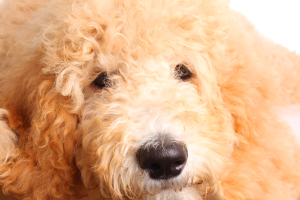
Since Goldendoodles are non-shedding, they need daily brushing to remove their dense undercoat plus scheduled grooming appointments every 6-8 weeks. Interestingly, due to genetics, their coats can vary in length and color. Some will have a flatter (straight hair) or dense (curly hair) coat. Genetics are so interesting!

When brushing, it’s important to brush skin deep to prevent matting. Start in small sections, such as a back leg. Using your finger, divide  small sections of his coat (width of your finger), brush from root to tip with a slicker brush. By brushing in small sections, you’re removing tangles and undercoat,  which prevents matting later. Slicker brushes contain firm steel bristles, which are close together, and capture undercoat and dead hair. Due to the steel bristles, make sure not to touch your dog’s skin with the bristles, just his hair. To make sure all tangles are thoroughly brushed out, follow each section with a comb.

Every 6-8 weeks, schedule a professional grooming, which will shorten your Goldendoodle’s coat length. At home, continue daily brushing and weekly baths, with an oatmeal-based shampoo to keep mats away. After weekly baths, follow up with nail trimmings and ear cleaning.

Dog Training

Goldendoodles are easily trained. They gleefully respond to positive reinforcement dog training. 🙂 Some Goldendoodles can have excessive energy so it’s important to remember Golden Retrievers and Poodles were designed for hunting. They need extra energy to work all day. Due to the Goldendoodle’s larger size, he can pull you around on leash or easily knock you down so enrolling in a group class is a must.

Use food puzzles to feed your dog’s daily meals and take him on daily walks to burn off excess energy. Teach your dog polite behaviors and be aware he may hold rocks, sticks and even your arm in his mouth.

Health

Goldendoodles are predisposed to Gastric Torsion and Hip and/or Elbow Dysplasia. Since they have floppy ears, which block air from entering their ear canals, they can develop ear infections so wipe with a gentle ear cleaner and cotton balls.

Where to Find a Goldendoodle

If you’re considering adding a Goldendoodle in your home, view the experts for Standard Poodles and Golden Retrievers. These folks health test their adult dogs, can put you in touch with recuses in your area, and lead you in the right direction.Also, do a search at Petfinders for local rescues in your area.

Before you bring a Doodle home:

  • Be prepared for a larger adult dog about 25-28 inches (measured from his shoulders) and weighing 50-100 pounds.
  • Enroll in a puppy and basic manners class soon, as Doodles have high energy, are easily excited and are strong enough to pull you on leash.
  • Locate a gentle and patient groomer who accepts Goldendoodles
  • Enjoy his smile, as he inherited this from his Standard Poodle side of the family. 🙂
  • If you purchase a puppy, ask for health testings for both parents.

Filed Under: Breeds, Large Tagged With: do goldendoodles shed, find a goldendoodle, golden doodle, goldendoodle, goldendoodle care, goldendoodle information, goldendoodle personality, goldendoodle picture, goldendoodle puppies, goldendoodle rescue, goldendoodle temperament, goldendoodles, goldendoodles for adoption, how to train a goldendoodle, training a goldendoodle

Yorkshire Terriers

November 12, 2014 by Fanna Easter

Yorkshire Terrier Breed Info

Yorkshire Terrier
Learn if a Yorkie is the right breed for you.

Hello love. The diva toy Terrier, lovingly nicknamed Yorkie! Is a Yorkshire Terrier the right breed for you? Find out!

Yorkie Facts

Yorkshire Terriers are named after Yorkshire, a city in England. They were bred to hunt vermin, capture and kill vermin, mostly rats, in clothing mills. While Yorkies are tiny and adorable, their small size fits perfectly into rodent holes. Later, Yorkies became companion dogs for European high society where, again, their small size continued to be an asset. Now sprinkle in long flowing hair and beautiful brown eyes, and they became the perfect “high society” accessory. But trust me, Yorkies still possess Terrier genes even if they’re wearing bows and nail polish. Try walking them next to a small rodent hole in the park. They will carry on like a Terrier. 🙂

Yorkshire Terrier puppies are born with darker coats, which lighten up as they grow. Usually their tails are docked at 2-3 days old in the U.S. Yorkies are under 7 pounds and usually live up to 12+ years.

Temperament

Yorkies are Terriers, which explains their courage. They have a small body with a large dog personality, and will not think twice to bark at a Great Dane. It’s important to socialize them as puppies, especially before 16 weeks of age. I know, they are so tiny then, but after 16 weeks of age, their socialization window closes.

While it’s disheartening to some to witness the pluckiness of a Terrier, I say embrace it. Not only are Yorkies breathtakingly beautiful, they are smart and maintain a strong work ethic. Yorkies excel in agility, obedience, Earth Dog trails and the newest terrier adventure, barn hunting.

Yorkies are tiny and some are teacup size (2-4 pounds as an adult) so keep them away from small children. Yorkies can easily be stepped on or dropped, which can cause serious injuries from these types of accidents. While many pet owners are fascinated with teacup Yorkies, they are even more fragile so keep them safe.

Training

Due to their Terrier tendencies, it’s best to enroll them in puppy and basic manners group class.  Plus, Yorkies excel at learning new behaviors, especially when paired with positive reinforcement and clicker training! Not only will they learn polite manners, but they will also build confidence around larger dogs and meet different people. While we smile when Yorkies growl at larger dogs, this is usually due to lack of confidence. Read tips on locating the best professional dog trainer here.

Digging is very common with Terriers, as it’s what they were bred for. As most Yorkies live in apartments or homes with minimal yards, it’s important to provide plenty of digging opportunities or they will dig in your leather sofa. 🙂 Find a large box, then cut a side hole so your Yorkie can easily enter the box. Now fill the box with old towels and newspaper, then scatter treats within the layers. Turn your Yorkie loose, show him the hole and now he has a digging pit! If he’s not sure about entering the hole, scatter a few treats next to the outside and inside entrance.

I’ve heard potty training can be troublesome with Yorkies, or basically small dogs in general. I don’t think it’s breed specific, but size specific if that makes sense. Smaller dogs have smaller bladders plus it’s pretty darn hard to tell if a Yorkie puppy is urinating or sitting, right? So, it’s easy for mistakes to go unnoticed, which makes potty training even tougher. Read more potty training tips, and for apartment dwellers, read paper training tips.

Barking can be an issue, as with all dogs. I’m hesitant to label any breed as an excessive barker, as dogs are individuals, but some are more vocal than others. It’s important to find the trigger for your Yorkie’s barking and problem solve from there.  If your Yorkie is barking at everything, partner with a professional dog trainer who can zero in on the trigger. There is always a trigger, even if it’s a lack of confidence. Lack of confidence can easily be solved with participation in a positive reinforcement group class. 🙂

Grooming

While Yorkies need professional grooming every 6-8 weeks, they really don’t have a dense undercoat. Instead, they have silky long hair that can easily tangle. If your Yorkie tangles easily, ask your professional groomer for product recommendations. Every week, you should completely brush out your Yorkie using a pin brush (brush with bristles further apart than most brushes), which untangles his coat without breaking or splitting his hair.

Don’t forget weekly nail trims and ear cleanings. Due to their smaller size (big teeth in a smaller mouth), Yorkies are predisposed to gum disease so brush his teeth several times a week with dog toothpaste and a tiny soft bristled toothbrush (child size).

Health Issues

Yorkies are pretty healthy, but they are predisposed to eye disease. Also, they can develop patellar luxation, meaning their knee caps can move or pop out of place, which is pretty painful.

Locate a Yorkshire Terrier

If a Yorkie sounds like the right dog for you, locate responsible breeders and rescues at Yorkshire Terrier Club of America. These folks are the experts in this breed and health test their dogs to prevent painful health issues in the future.

Filed Under: Breeds, Dogs, Small, Training Tagged With: akc yorkie, akc yorkshire teriers, find a yorkie, find a yorkie puppy, how to train a yorkie, how to train a yorkshire terrier, locate a yorkie, small breeds, small dog, yorkie, yorkie care information, yorkie information, yorkie potty training tips, yorkie puppies, yorkie rescue, yorkie temperament, yorkie training, yorkshire terrers, yorkshire terrier, yorkshire terrier care, yorkshire terrier grooming, yorkshire terrier information

American Pit Bull Terriers

September 30, 2014 by Fanna Easter

American Pit Bull Terrier (APBT) Dog Breed Information

American Pit Bull Terrier

American Pit Bull Terriers are a cross between a terrier and bulldog. During the 19th century, farmers wanted a Terrier that was tough as a Bulldog, but could still chase and kill vermin so the Bully/Terrier breeds emerged. Pit Bulls can do it all, honestly! They can hunt game like a terrier, herd cattle like a bulldog and are great family companions. Pit Bulls have many different names, but they are formally known as American Pit Bull Terriers.

Pit Bulls are negatively viewed due to breed-specific legislation claiming them a dangerous breed. This is far from the truth. Any breed of dog can be dangerous if they fall into the wrong hands and are exploited. Learn more about Anti-Breed-Specific Legislation FAQ where both the CDC and President Obama debunk this myth.

Temperament

Terriers were bred to work independently so they can be a bit scrappy with other dogs. While Pit Bulls are the larger version of Terriers, they can cause more harm due to their larger size if they are not taught how to greet dogs politely. Now, some Pit Bulls are fabulous around other dogs and some are not, it depends. However, as a whole, terriers can be a bit scrappy if dogs get in their personal space.

You may notice your Pittie gets very excited around fast movement. This is a Terrier thing, as they’re bred to hunt game. At times, Pit Bulls can become mesmerized by fast movement and they seem to tune out from their owners. They’ll usually vocalize and focus on what is moving, which can be a bit scary for unaware owners. When this happens, throw 10 treats in front of your dog. This will snap him out of his trance and focus on something else. And, it’s always best to redirect him before this happens so throw 10 treats in the opposite direction of whatever is moving really fast. Try to do this before your dog notices the fast movement.

Play Style (It’s different from most dogs!)

Most Bully breeds (Bull Dog/Terrier crossed) possess very different play styles than most breeds. They don’t understand personal space, which can easily offend another dog or person. Honestly, they don’t think they are too close. Pit Bulls will climb right into your lap. Pit Bulls play with lots of body contact, which means they will:

  • Body slam: Bump their bodies against a dog usually at full speed, which most dogs find very rude
  • Hip check: Bump their hips against another dog
  • Shoulder check: Bump with their shoulders

It’s vital to find other dogs that mimic the same play style as your Pit Bull. Also, your Pit Bull needs to learn this is not polite behavior with humans. He will think it’s fun, but most humans do not. If you are not sure about your Pit Bull’s play style, consult with an experienced dog trainer. He will make recommendations and point you in the right direction.

Grooming

Pit Bulls need regular brushing, as they do shed often. I recommend the following:

  • A rubber curry-style brush
  • Weekly nail trims
  • Ear cleanings
  • Baths as needed
  • Teeth brushing several times a week

A Few More Words About Pit Bull Terriers

I cannot say this enough: it’s not the breed of dog that is dangerous. Any breed of dog can and will bite. Following the trends, it seems people love to hate larger, shorter-coated muscled dogs, which were bred for guarding, working or herding. Many target these breeds because they can look scary. I’m not sure about that, but one thing I do know for sure is any dog can bite. Taking this into account, I would not recommend most American Pit Bull Terriers for new pet owners. They can be a bit plucky (very determined), which amounts to a huge handful for novice dog owners.

Learn more about Pit Bulls at UKC American Pit Bull Terrier Standard. They are registered through United Kennel Club (UKC). There are as many Pit Bull rescue groups, which is both good and bad, as Pit Bulls that need homes. Be sure to also check out these excellent sources for more information on rescuing American Pit Bull Terriers.

  • BadRap – Pit Bull Rescue
  • Pit Bull Rescue Central

Tell me about your Pit Bull in the comment section below.

You may also like: Training Pit Bulls

Filed Under: Breeds, Dogs, Training Tagged With: american pit bull terrier, anti breed legislation, breed legislation, bully breeds, pit bull, pitbull, target specific breed

German Shepherds

September 25, 2014 by Fanna Easter

German Shepherd Dog Information

German Shepherd

While living in Germany, I was able to witness the German Shepherd dog in its true glory, as they originated from Germany, and learned more than I ever had before. I was lucky enough to attend many dog shows in Europe and watch them move like the wind across the ring. Also, we were part of a Schutzhund Club in Vilseck, Germany, where 90% of the dogs were GSDs. We saw every variation from East German, Czech lines, long coat, short coat to everything in between. Their coloring is usually black and red, tan and black and sable. While the white German Shepherd is frowned upon in the U.S., I did see many white German Shepherds in Germany and they were lovely!

The German Shepherd Dog was designed as a versatile dog and they can do anything! They excel at obedience, service dog work, military work, herding livestock, protecting their family and so on. Most are lighter weight than other guarding breeds, such as the Rottweiler, are able to walk across debris without it caving in and fly like the wind over fences.

Training and Temperament

During my group classes, German Shepherd Dogs excelled at learning new behaviors. Now, they will have fear periods just like any dog, but I feel herding and guarding breeds have a longer or more intense fear period than other breeds. Since these breeds are bred to observe constantly, they may see things a bit different than other breeds. With any fear period, it’s vital they learn positive associations with anything that may cause barking, growling or moving away. I like to play “look at the monster,” which means they look at the scary thing and I click/treat. Make sure you are at a safe distance from the “monster,” which means your GSD will look at you and able to take treats. When in doubt, move further away. This teaches him the “monster” is not that bad because every time you look at it, you get “cheese.” Never force your GSD to walk over or touch anything that causes him to be fearful. This can cause him to be permanently fearful of that object.

They are great family dogs. My best friend and godchildren have owned German Shepard dogs for more than 15 years, and they will sit and walk nicely on leash for my 4-year-old godchild!

Dog Grooming

Now, this breed does shed, especially during spring and fall, as they are blowing their undercoats. I recommend using an undercoat rake to remove excessive undercoat and keep shedding to a minimum.

Exercise

German Shepherds need a minimum of a 30-minute walk per day. Also, feed your dog using interactive food toys, which dispense food as your dog paws, moves or tosses the toy around. This will ensure they receive plenty of mental stimulation.

Learn more about German Shepherd dogs and rescue at German Shepherd Club of America and National List of German Shepherd Dog Rescue Groups.

Tell me about your German Shepherd dog in the comment section below.

READ ALSO: German Shepherd Training

Filed Under: Breeds, Dogs, Large, Training Tagged With: adopt german shepherd dogs, American German Shepherd Rescue Association, before getting a german shepherd, german shepherd, german shepherd dog, german shepherd dog information, german shepherd facts, german shepherd information, german shepherd pictures, german shepherd puppies, german shepherd puppy, german shepherd training, GSD, GSDs

  • « Previous Page
  • 1
  • …
  • 5
  • 6
  • 7
  • 8
  • Next Page »

About

Dog Training Nation is a community of dog trainers, dog owners and dog lovers. Our mission is to provide trainers and owners valuable information to enrich dogs' lives. We cover a range of topics, from socializing puppies to dealing with aggressive dog behavior to selecting the best dog products. It is our hope you share our content to make the dog and owner world a better place.

​

Facebook

Video

Dog Training Nation is a dog training blog for pet owners and dog lovers. We cover a range of topics from puppy socialization tips to dog aggression to dog health. It is our hope you share our content to make the world a better place for dogs.

Dog Training Nation

Quick Links

Dog Training
Dog Behavior
Dog Training Videos
Become a Dog Trainer
About
Contact Us

Copyright © 2026 · Lifestyle Pro Theme on Genesis Framework · WordPress · Log in
