Dog Training Nation

In Dogs We Trust

  • Home
  • Training
    • Dogs
    • Puppies
    • Clients
  • Behavior
    • Breeds
  • Health
  • Safety
  • Resources
    • Equipment
    • Books
  • Dog Training Videos
  • About
You are here: Home / Archives for Puppies

Can A Dog Be Too Food Motivated?

January 16, 2017 by Fanna Easter

Your Food Obsessed Dog May Just Be Distracted

Food Obsessed Dog
Mikkel Bigandt/Adobe Stock

When pet owners are introduced to positive reinforcement, a common question they ask is, “Can a dog become too food motivated?” I must say the concern is a very misunderstood one.

When teaching your dog new behaviors, there are no black-and-white answers. Instead, there are shades of gray that can confuse novice pet owners and dog trainers alike. What seems like excessive excitement about food may simply be something completely different.

Before assuming your dog is too food motivated, you should make a few dog training adjustments, which can make a huge difference in food obsessed dogs.

Signs of a Food Obsessed Dog

When dogs get excited about food, many pet owners feel they’re “too food motivated.” From another perspective, I know many people that behave similarly when margaritas are served. 🙂 When dogs are excited, they may:

  • Jump up
  • Drool
  • Knock over furniture and people
  • Lack focus
  • Focus only on food in hand, on floor, etc.
  • Ignore (not listen to) “commands”
  • Will only sit for a treat
  • Mug, bump or steal from treat bag

Is It Really Food Causing Excitement?

Dogs get excited about food; it’s natural canine behavior. When dogs are introduced to high value treats (i.e. baked chicken, cubed cheese, chopped up lunch meat), especially if they’ve never eaten it before, over excitement is understandable.

Excessive excitement can frustrate the pet owner and dog, so it’s important to bring a dog’s arousal level down a bit. Plus, excited dogs have a harder time learning because they lose focus. During dog training sessions, pet owners should be aware of their own behavior too.

To keep your behavior in check during training sessions, record both you and your dog on your smartphone. Then, make the following adjustments suggested below and record again. You’ll notice a quick and positive difference in your food obsessed dog’s behavior.

Avoid High-Pitched Rapidly Repeating Sounds

Dogs love high-pitched and rapidly repeating sounds—that’s why dog toys have squeakers. When dogs hear squeaky sounds, they get excited. They jump up, run over to the sound, focus on the person or thing making the sound, and dance around because they’re excited!

Fortunately, humans can easily mimic these high-pitched sounds. While many pet owners use these sounds as rewards for good behavior, they can inadvertently use these sounds during dog training too. When pet owners rapidly repeat a cue (e.g. “sit,” “sit,” “sit”), this can cause excitement even if said in a deep tone.

When teaching your dog a new behavior, or practicing an old behavior, say the “sit” cue once. If your dog doesn’t respond, he or she probably doesn’t understand what the verbal cue means. Or your dog has never practiced this behavior in that situation, and is too distracted. Never assume your dog understands a cue. Even if your dog has done the behavior before or will do it elsewhere, it may have been a fluke or you forgot to reward it.

RELATED: What Is Your Dog Saying? Interpreting Dog Sounds

Go Slowly

Oh, this is a big one! Fast movement will get a dog super excited—and quickly! Don’t believe me? Try running around the backyard with your dog. Even better, try running around the backyard while your dog watches you from a window. 🙂 Not only is movement fun, but it’s very distracting for dogs too.

During dog training sessions, it’s important to move slowly. Stand still and hold a treat in one hand. When luring a dog, place the treat on your dog’s nose and move slowly. If you move a food lure too quickly, your dog will move just as fast. When in doubt, put the treat back in your pocket and take a deep breath. Slowly remove the treat from your pocket and try moving slower. Make sure to keep the food lure in front of your dog’s nose. Holding treats too high will cause your dog to jump up for the treat. When you move slowly, your dog will too. 🙂

Make It Clear

When teaching or practicing a dog behavior, clear communication is key. Confusion can look like excitement, especially if a treat is bouncing around a dog’s face. If someone is holding a $100 bill in front of you, while speaking in a foreign language, you’ll try to figure out how to earn the $100.

Now, if this person moves the money around your face really fast, while repeating a sound over and over again loudly, you’ll likely snatch at the money due to frustration. From your perspective (learner), this person is teasing you with a $100 bill, right? From the other person’s perspective (teacher), he’s just holding the money in his hand while asking you to “sit.” 🙂

When in doubt, stop and video record your dog training sessions. When re-watching the video, ask yourself if you’re clearly communicating with your dog. If not, take a moment and think through your plan. Better yet, ask a certified dog trainer for tips. They can help jump-start your training sessions.

Still Think You Have a Food Obsessed Dog?

High-pitched, rapidly repeating sounds coupled with fast movements are exciting for your dog. Add a dash of confusion into the mix, and your dog is bouncing around like a ping-pong ball. Ninety percent of the time, a dog will sit still around food when pet owners remove these exciting and distracting factors. As for the other 10%, these dogs will relax quickly after earning and consuming a high value reward a few times. If a dog still leaps into the air for baked chicken, it’s time to reward impulse control games.
Filed Under: Behavior, Dogs, Puppies, Training Tagged With: dog gets excited with treats, dog too food motivated, dog training, Dog Training Tips, dogs loves training treats too much, food driven dog, food obsessed dog, how to teach a dog, how to train a dog, teaching a dog, training a dog

What to Do When Leaving Your Dog Alone

November 9, 2016 by Fanna Easter

Tips for Leaving Your Dog Alone

Leaving Your Puppy Alone for 8 Hours
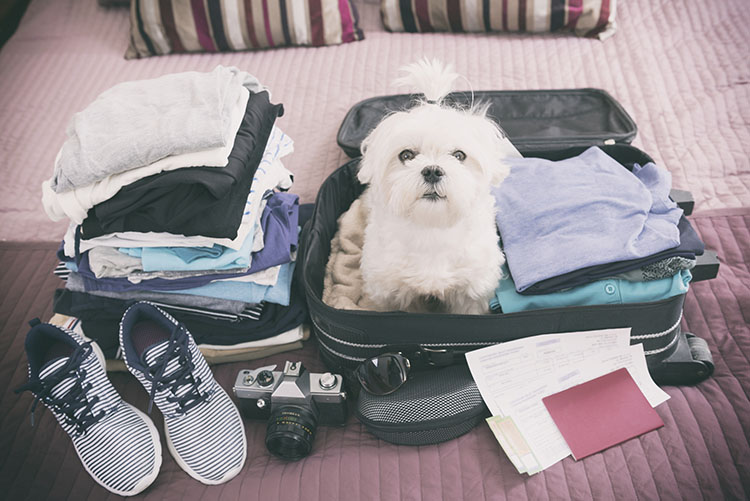
Please don’t leave.
humonia/iStock

Oh oh, the suitcase is out. Now your dog knows you’re leaving.

It’s amazing how quickly dogs understand very subtle cues that indicate you’re leaving for vacation, work, errands or outdoors to check the mail. Next time your dog looks worried when you’re reaching for your car keys, try these dog training tips to positively change his behavior.

Pair Goods Things With Leaving

The first tip for leaving your dog alone for 8 hours is to pair good things with the action of you leaving. When we pair good things in certain situations, we teach dogs that good things happen during those situations. Think about it this way: if you’re waiting for a server to bring you a glass of wine at a restaurant, you become frustrated if it takes long. But if your server offers complimentary appetizers while you wait, it’s not so bad. Now, what if it rains $100 bills while you wait? That’s even better! You learn that waiting patiently is a good thing. 🙂

As pet owners, it’s our job to find what our dogs absolutely love! This is the first step to positively changing your dog’s behavior. Once we find it, it’s time to pair good things with leaving your dog home. Check out these examples of good things that can be paired with the action of you leaving:

  • Kong filled with layers of baked chicken and peanut butter
  • Canned food stuffed inside an interactive toy that’s been frozen overnight
  • Fetch with your partner
  • Sprinkled kibble along a huge area rug

But, How Does Your Dog Know You’re Leaving?

This next step takes a bit of detective work. While getting ready for work, watch your dog’s body language. It’s important to find which action cues your dog that you’re leaving him alone. While you assume grabbing your car keys is a cue, trust me, your dog knew way beforehand—just like getting out the suitcase is a dead giveaway.

To successfully change your dog’s behavior when you leave for work or vacation, it’s important to find the very first cue that tips your dog off. Does your dog’s face change when you’re taking a shower, running the water for your shower, combing your hair, putting out your work clothes or moving quickly around the house? My dog knows something is up the moment I touch my hair straightener. 🙂

Once you’ve figured out exactly what cues your dog that you’re leaving, it’s time to pair good things with that cue.

RELATED: Separation Anxiety in Dogs

Reiterate That Good Things Happen When You Leave

It’s important to pair something good with your “I’m leaving home” cue. As you touch your hair straightener, take a shower or put on cologne, give your dog a food stuffed toy to enjoy. If another person plans to stay home while you’re away, ask him or her to play ball with your dog outdoors. This keeps your dog happily distracted and busy with something they love.

Good things shouldn’t stop there though. Toss your dog another food stuffed toy as you’re heading out the door too. This further pairs good things with you leaving home. After a game of fetch, your family member can toss your dog a food stuffed toy to enjoy afterwards. This prevents your dog from wandering around the house looking for you. If this seems like a lot of food, split your dog’s daily meals into frozen food stuffed treats. Now, you can head off to work guilt-free. 🙂

Pair Goods Things 95% of the Time

To be effective, good things must happen often during stressful times. If it doesn’t happen often enough, it won’t work. Keep frozen food stuffed toys in the freezer for easy access. Give your dog a delicious bully stick to enjoy while you’re getting ready for work. When it’s time to head out the door and leave your dog alone, trade the bully stick for a food stuffed toy and voila! Aim to pair good things about 95% of the time.

Now, it’s time to change your behavior too. The moment you feel a tinge of guilt develop in the pit of your tummy, picture your dog happily playing or licking a yummy food toy. 🙂

Filed Under: Behavior, Dogs, Puppies, Resources, Training Tagged With: dog cries when I leave, dog gets upset when you leave home, dog hates staying home alone, dog hates when I leave, dog training, Dog Training Tips, I feel guilty leaving dog home alone, puppies cries when I leave, puppy hates when I leave, separation anxiety dog, tips to prevent separation anxiety dogs, tips to prevent separation anxiety puppies

How to Teach Your Dog to Release the Tug Toy

October 14, 2016 by Fanna Easter

Teaching Your Dog to Release a Toy During Play

How to Teach a Dog to Drop a Toy
oneinchpunch/iStock

When playing tug with your dog, sometimes your dog just doesn’t want to let go of the toy. It’s very common because tug is super fun! It’s important to know that your dog is refusing to let go of the toy because releasing it means the game is over. It’s that simple. Check out these dog training tips for teaching your dog to release a toy.

Step 1) Keep Tug Toy Still

Dogs tug on toys because it’s fun and you’re tugging back. When you wave, toss or tug on a toy with your dog, it’s a super fun game. When you stop moving the toy, this should tell your dog to release the toy. When the toy stops moving, it’s no longer fun for your dog. Here’s how to teach a “release” behavior.

  1. Start playing tug with your dog for 1-2 minutes.
  2. Hold the toy completely still and wait for your dog to release the toy. In the beginning, this may take a few seconds or even a full minute, but it will happen.
  3. Patience is key here. Continue to hold the toy still even as your dog pulls and bites at the toy.

WATCH: Teach Your Dog the Tug Game

Step 2) Teach Your Dog That Release Means Another Game

The moment your dog lets go of the toy (removes mouth from toy), start moving the toy around to play another game of tug. Your dog will learn that releasing the toy makes another tug game happen. Let’s try it again.

Pull, tug and shake the toy around for a couple of minutes with your dog, then stop moving the toy again. You’ll likely notice your dog releasing the toy a bit quicker this time because he’s learning that stillness means to “release.” The moment your dog releases the toy, make the game start again.

When teaching the release behavior with a toy, there’s no need for a verbal cue. Your dog will learn that stillness is the signal to release the toy. Omitting a verbal cue works quicker because most verbal cues are used too early or too late, which confuses the dog. Toy movement means the game is on! When you stop moving the toy, it means your dog should release the toy.

Game Over

We all wish fun games would continue forever, but it’s not realistic. When it’s time to end a game of tug for the day, just stop moving the toy. When your dog releases the toy, say “all done” while tossing several treats in the opposite direction of the toy. When your dog runs over to eat his treats, put the tug toy away.

Good luck, and let me know how it goes!

You may also like: Laser Pointer Games are Bad for Dogs

Filed Under: Dogs, Games, Puppies, Training Tagged With: dog training, Dog Training Tips, how to teach a dog, how to teach your dog to let go of a toy, how to train a dog, my dog will not let go of toy, teach your dog let go, teaching your dog to let go, teaching your dog to release a toy, train your dog to release a toy, why will my dog refuse to let go of toy

1 Easy Trick to Teach Your Dog to Stand Still

September 19, 2016 by Fanna Easter

How to Teach Your Dog to Stand Still

Teach Dog to Stand Still

Standing still while someone pokes, prods and examines your body is tough for most dogs. Honestly, it’s tough for little and big humans too. Instead of forcing a dog to stand still, try this super easy dog training tip that works quickly and rewards your dog too!

Use a Peanut Butter Plate

A peanut butter plate is just as appetizing as it sounds! Smear creamy peanut butter across the entire surface of a plate and hold it up for your dog to lick away. When choosing a plate size, I recommend using a large dinner plate, especially if your dog needs to stand for longer than 3-5 minutes. By increasing the surface area of smeared peanut butter, it takes longer for your dog to lick than if you were to use a small saucer. You also want to make sure the plate doesn’t move around while your dog licks it, so choose a heavy plate. If you don’t have a heavy plate, place it on non-skid surfaces.

RELATED: Understanding Dog Nutrition

Check Ingredients First

Before using peanut butter, it’s important to check its ingredients first. Unfortunately, many companies are adding xylitol, which is a low-calorie sweetener. Xylitol is deadly for dogs—even the tiniest amount.

What If My Dog is Allergic to Peanut Butter?

Some dogs and humans are allergic to peanut butter; it’s actually pretty common. I suggest using a thick and creamy food to replace peanut butter. My Bull Terrier is allergic to peanut butter, so I either use cream cheese, squeeze cheese in a bottle or almond butter. If your dog is restricted to a prescription diet, I recommend purchasing several prescription dog food cans and using those in place of peanut butter.

RELATED: Get Your Dog to Take Treats Gently

How to Use a Peanut Butter Plate

AHow to Teach a Dog to Stand Stillsk a friend to hold up the food-smeared plate, so your dog can comfortably stand and lick the plate without lowering his head. If you live alone, I recommend placing a peanut butter plate on furniture; that way, your dog is comfortable while standing still. For example, I’ve placed food-smeared plates on top of ottomans and sofas for large dogs.

For small dogs, place the plate on top of stacked books or even smear peanut butter on washable walls. For baths, I recommend smearing peanut butter on the wall of your shower. After your dog is bathed, rinse off and voila!

Why Use a Peanut Butter Plate

I highly recommend using a peanut butter plate any and every time your dog needs to stand still. By pairing something good, such as a plate of peanut butter, with standing still, you’re teaching your dog to enjoy standing still. And it doesn’t stop there!

When you pair something good during a certain situation, you’re positively changing your dog’s behavior. I recommend adding something positive (peanut butter plate) during baths, nail trims, brushing, ear cleanings, massages, vet exams and weight checks.

Will You Always Need a Food-Smeared Plate?

Maybe or maybe not; it depends on how your dog reacts during specific situations. You may need to use a peanut butter plate during all nail trims because your dog might always dislike them, and that is OK. It’s easier and much kinder to hold a peanut butter plate than hold your dog down.

Please understand that using a peanut butter plate isn’t bribery. Food-smeared plates are an effective dog training tool for teaching your dog a new behavior. Expecting a dog to do something because he’s told to do it is completely outdated. Instead, teach your dog what to do. I promise, it takes much less time.

Peanut Butter Plate Demos

WATCH: Make Brushing Your Dog MUCH Easier

https://youtu.be/54vdWZSphFY

WATCH: DIY Comfy Dog Cone

https://youtu.be/M4LzVp3vLMI

Filed Under: Dogs, Games, Puppies, Resources, Training Tagged With: dog training, Dog Training Tips, how to hold a dog still, how to hold a puppy still, how to keep a dog still a groomers, how to keep a dog still at vet, how to keep a dog still baths, how to keep a dog still when cleaning ears, how to keep a dog still when cutting hair, how to keep a puppy still, how to teach a dog, how to teach a dog to stand still, how to train a dog, keep dog still when brushing

How to Get Your Puppy Used to a Collar

August 22, 2016 by Fanna Easter

Training a Puppy to Wear a Collar in One Week

Puppy Doesn't Like His Collar
ChrisLeRoy/iStock

Puppies aren’t born wearing collars, so when a collar is first fastened around a puppy’s little neck, it can feel strange for her. Most puppies will bite, scratch, turn circles or refuse to walk while wearing a collar. This is totally normal behavior. As pet owners, it’s our job to train a puppy to wear a collar.

How to Teach Your Puppy to Wear a Collar

Once your puppy is home, it’s time to teach her that wearing a puppy training collar makes good things happen. Move slowly and reward your puppy often while she’s wearing a collar.

Choose the Right Puppy Collar

Puppies should wear an expandable flat buckle collar without tags at first. ID tags can be a bit distracting, as most puppies will mouth or paw at the dangling bits of metal clanging under their chins. They’re simply too distracting for an inquisitive puppy. After a week of your puppy successfully wearing her collar, then you can add ID tags.

Puppies, or all dogs really, shouldn’t wear choke chains, cloth slip collars or prong collars. They need a flat buckle collar. Harnesses are OK too, but make sure the straps don’t rub against your puppy’s skin, apply pressure to your puppy’s neck or restrict her movement.

Give Her a Food Stuffed Toy

Before introducing a collar or harness to your puppy, fill a toy with food and freeze overnight. Now, fasten your puppy’s collar in place and immediately give her the food stuffed toy to enjoy while she’s wearing her collar.

Once she’s emptied all the food from the toy, remove her collar and toy and place both up high, so she can’t reach it. Practice this several times a day. Feel free to stuff your puppy’s regular meals inside of a food toy for additional practice sessions. By pairing good things with the sensation of wearing a collar, your puppy learns that collars are harmless and pretty darn fun.

Puppy Doesn’t Like Her Collar?

If your puppy starts pawing or scratching her collar, distract her by playing a 1-2 minute game of “touch.” Distracting her without saying “stop” or “no” gives your puppy something else to do instead of worrying about the collar on her neck.

Learn how to teach the “touch” behavior in the video below. This dog training game is easy to teach and extremely useful in many different situations. The “touch” behavior is vital—so much so that it’s the first behavior I teach during dog training classes or private lessons.

WATCH: Teach Your Puppy the “Touch” Cue

https://youtu.be/d-spTywRXEo

Teach Collar Pressure = Treats

Once your puppy is completely comfortable with the sensation of a collar, it’s time to teach her that collar pressure makes treats happen. Collar pressure can cause a puppy to freak out because she may not be used to feeling pressure against her neck, which limits her movement.

Collars can scare puppies so much that they will usually hop, buck, or “pancake” on the ground and refuse to move forward. If this happens, immediately stop the pressure by walking over to your puppy or letting go of her collar, and practice the collar pressure game.

When teaching collar pressure, you’re not pulling against your puppy. Instead, you’re holding your puppy’s collar in place while your puppy pulls against it. The moment your puppy stops pulling against the collar, you click and reward your puppy.

Pulling against pressure is a natural reaction to restraint; it’s called opposition reflex. Your goal is to teach your puppy to move with pressure. This is the first step when teaching loose leashing walking and teaching your dog to walk with you while touching her collar. Plus, every time your puppy pulls against her collar, it increases her chances of injury in her neck area.

Practice this dog training behavior several times a day with super yummy treats. If your puppy balks when you reach for her collar, take a step back and teach her that collar touches are a good thing.

WATCH: Dog Training Tip: Teach Collar Pressure

https://youtu.be/I39BE4xOnLY

Attach a Leash

Always teach your puppy how to wear a collar first, then master the collar pressure game before attaching a leash to her collar. On average, it takes about a week for a puppy to feel comfortable wearing a collar and respond well to collar pressure. Attaching a leash to your puppy’s collar is a completely different lesson.  Check out this article on teaching a puppy to walk on leash for additional details.

Puppies are tiny little sponges. Take advantage and teach them that the world is full of fun!

Filed Under: Behavior, Equipment, Puppies, Resources, Training Tagged With: best collar for puppy, choosing a collar for a puppy, dog training, Dog Training Tips, how to teach a dog, how to teach a puppy to wear a collar, how to train a dog, opposition reflex dogs, puppy collar, puppy collar tips, puppy dislike collars, puppy hates wearing a collar, puppy scared of collar, puppy scratches at collar, puppy training, puppy won't walk with collar, teach a dog, teach puppy how to wear a collar, teaching collar pressure dog, teaching collar pressure puppies, train a dog

  • « Previous Page
  • 1
  • …
  • 3
  • 4
  • 5
  • 6
  • 7
  • …
  • 14
  • Next Page »

About

Dog Training Nation is a community of dog trainers, dog owners and dog lovers. Our mission is to provide trainers and owners valuable information to enrich dogs' lives. We cover a range of topics, from socializing puppies to dealing with aggressive dog behavior to selecting the best dog products. It is our hope you share our content to make the dog and owner world a better place.

​

Facebook

Video

Dog Training Nation is a dog training blog for pet owners and dog lovers. We cover a range of topics from puppy socialization tips to dog aggression to dog health. It is our hope you share our content to make the world a better place for dogs.

Dog Training Nation

Quick Links

Dog Training
Dog Behavior
Dog Training Videos
Become a Dog Trainer
About
Contact Us

Copyright © 2026 · Lifestyle Pro Theme on Genesis Framework · WordPress · Log in