9 Natural Arthritis Treatments for Dogs
Arthritis is painful, and a common cause of major discomfort for dogs. Arthritis in dogs can happen at any age. Dogs usually develop arthritis later in life, but younger dogs can get it too.
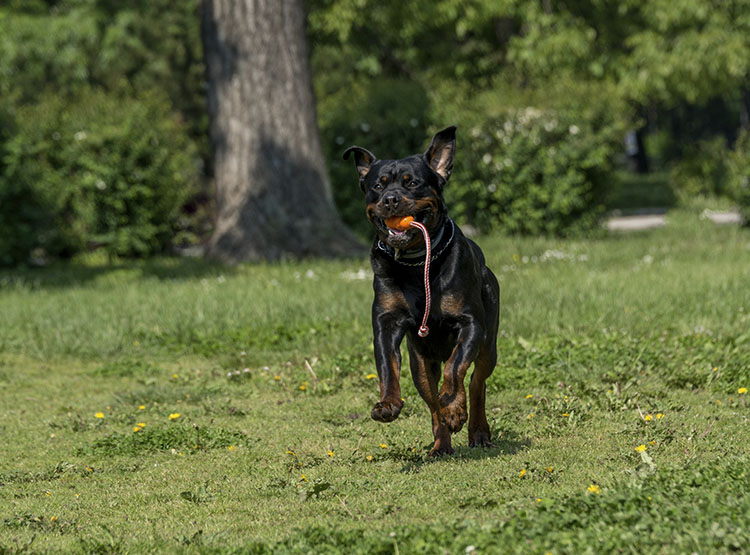
Sobek, my 4-year-old Rottweiler, recently developed moderate arthritis in his right wrist. After playing ball outside, we noticed he was limping significantly. After a thorough vet exam the following day, we were shocked at his arthritis diagnosis. Sobek was crate rested for a week while taking anti-inflammatories. He improved, but not completely, so we added natural arthritis treatments for dogs to his routine. Now, he’s medication free and doing amazing!
Thankfully, I discovered 9 arthritis treatments that really worked for my dog. A few of these arthritis treatments for dogs I had known and some I discovered to be powerful natural arthritis treatments. One thing I did notice is it takes a combination of these treatments to be effective.
1. Fish & Hemp Oil
Hemp and fish oil have natural anti-inflammatory properties that greatly reduce arthritis pain. Instead of using just hemp or fish oil, I recommend using both for greater impact. When adding oils to your dog’s diet, start slowly to prevent an upset tummy and loose stool. My 115-pound Rottie ingests ¾ teaspoon of fish oil and 15 hemp oil drops per day. I mix them into his food and stir.
Ask your holistic vet for recommended therapeutic doses based on your dog’s weight and arthritic diagnosis.
2. Highly Digestible Glucosamine
The key is finding glucosamine that’s highly digestible. Our vet recommends Glyco Flex III chews and MegaFlex powder by Rx Vitamins For Pets, both of which I give to Sobek. Glyco Flex III contains glucosamine, green-lipped mussel and MSM. MegaFlex contains highly digestible forms of glucosamine, MSM, sea cucumber and vitamin C.
If your dog is experiencing an arthritic flare-up, try doubling the dosage per manufacturer directions for a couple of weeks. For example, Sobek’s ingesting 2500mgs of glucosamine daily per my vet’s suggestion.
3. Fresh Diet
We are what we eat, and that pertains to dogs as well. A diet of raw or cooked vegetables, fruits and meat is always best. Check out this article on creating a fresh homemade diet for your dog. If you decide to feed your dog kibble, choose high quality dog food with a specific protein listed as the first ingredient.
4. Healthy Weight
Oh, this is a big one! Keeping your dog at a healthy weight is so important. It’s amazing how fast extra pounds can add up. All those extra pounds put additional strain on arthritic joints, which causes further damage and more pain. Ask your vet to assess your dog’s weight and provide a weight goal. Remember, treats are calories too, so choose low fat varieties. Sobek lost 5 pounds, which really helped his arthritic wrist.
5. Daily Low Impact Exercise
Move it or lose it is another common and very true statement. Once Sobek’s pain was controlled, we started walking around the neighborhood. Sobek is able to move at his own pace while allowed plenty of sniffing opportunities. Start with 10-minute walks per day and slowly add 1-2 minutes per week.
If your dog is in pain, ask your vet for a physical therapy referral. Most canine physical therapists recommend exercising your dog in an underwater treadmill. This modality provides very low impact and works wonders! Now, there’s a major difference between swimming and using an underwater treadmill. If your dog panics or hates swimming, he will further damage his joints. Discuss with your vet first.
6. Regular Chiropractic Adjustments
Regular chiropractic adjustments will reduce your dog’s pain while preventing additional wear and tear of joints. Immediately after a chiro adjustment, Sobek was able to move easier, had more range of motion, seemed less in pain and literally slept for two days. This was a game-changer for Sobek, so I highly recommend searching for a holistic veterinarian certified in canine chiropractic care.
7. Bone Broth
This was another game-changer too! Every day, Sobek drinks one cup of bone broth, which has most certainly reduced his arthritic pain. Bone broth is rich in calcium, glucosamine and collagen. Not only does bone broth help arthritic joints, but it helps chronic tummy issues too. Learn how to make homemade bone broth here.
8. Massage
Everyone loves a good massage—even your dog! Massaging muscles around painful joints will reduce inflammation and pain immensely. Start by slowly gliding your flattened hand along the area and applying light pressure. Place warm compresses over areas in pain while massaging other limbs used to support that area. When in doubt, ask your vet exactly where you should massage your dog.
9. Physical Therapy
If your dog’s pain isn’t improving, ask your veterinarian for a physical therapy referral. Canine physical therapists work with your dog, you and your vet to develop and implement a plan to reduce your dog’s pain and prevent further joint damage. I’ve watched miracles happen with physical therapists, so it’s definitely worth it.
Partner with your veterinarian to make the best decisions for your dog. Remember, it takes a combination of natural remedies to provide the most impact. Please share what’s worked for your dog below!
