Socializing Dogs

Pet parents are bombarded with: “You’re a terrible owner if you don’t allow your dog to greet other dogs,” “The socialization window closes before 16 weeks so hurry and meet as many dogs as possible,” “Dogs must meet 100 new dogs before a certain age” statements. These statements are valid, but it’s important to add limitations and boundaries first. Follow these dog socializing tips and be their voice.
What is Socialization?
Socialization means puppies and dogs learn how to interact within their worlds. Socialization is vital. Each interaction must be tailored to your dog’s personality with the purpose of teaching him how to interact within his world with confidence.
Greeting: Engage and Disengage
Greeting means a dog walks directly over to another dog with the purpose of engagement. During socialization, puppies and dogs are learning how to politely meet (engage) and end (disengage) greetings. Not all dogs are polite greeters. They can be downright rude by invading space, staring or being too rough. This is where disengaging becomes tricky. It’s kind of hard to move away from a rude greeter while on leash so some dogs will resort to threatening behaviors to make the rude dog go away. Now, your confused disengager learns threats work and is the normal way to disengage.
Living with a Gregarious Greeter
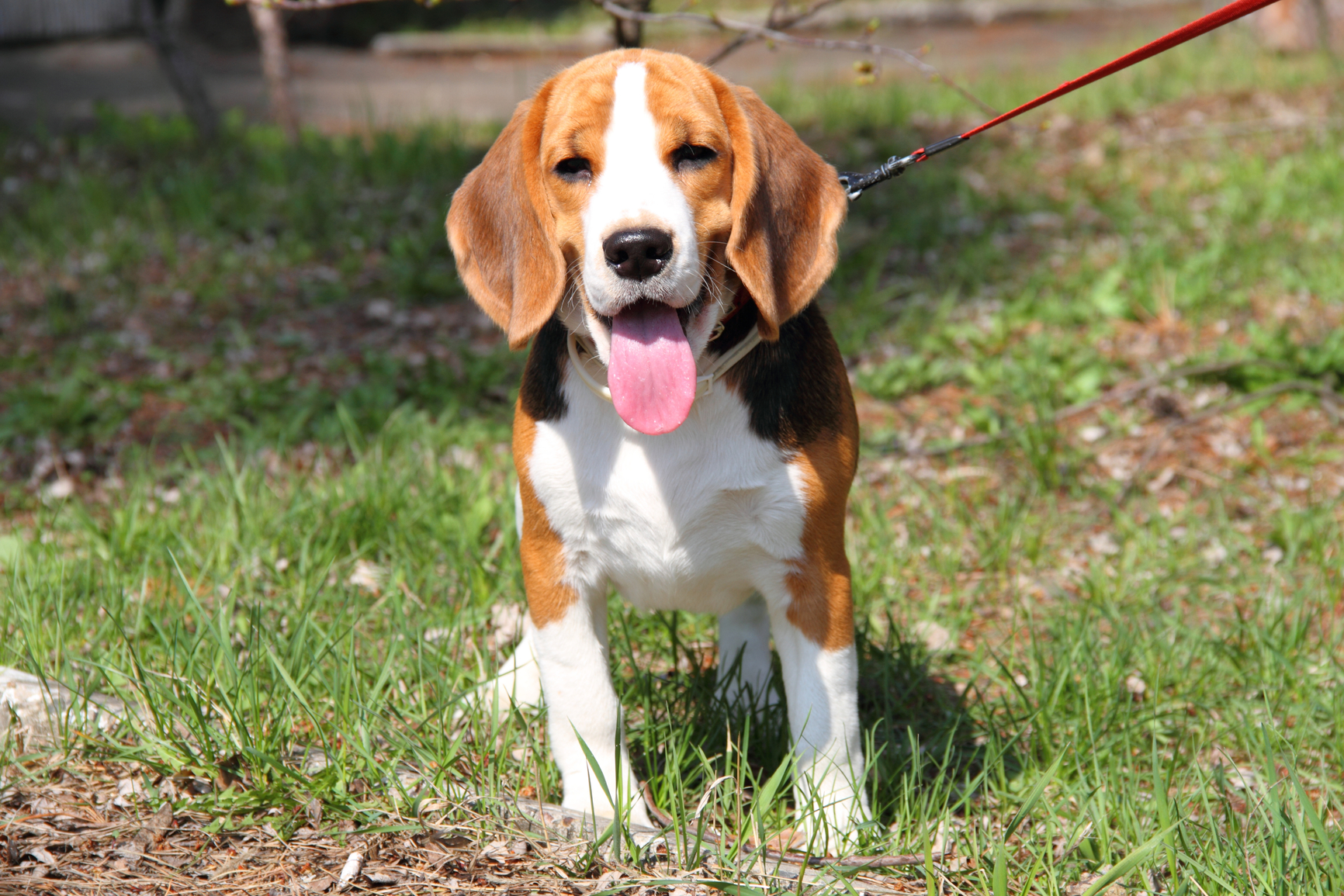
Not all dogs are comfortable meeting your gregarious greeter. Always stop 15 feet away and ask first. It’s the polite thing to do. If the other dog looks uncomfortable or scared, walk away quickly. Sticking around will make it much worse.
Think of it from a human perspective: Do you shake hands with everyone shopping at the grocery store? “Hi, I see you’re buying grapefruits today. My name is Fanna,” “Hi, those pork chops are lovely. My name is Fanna” or “Oh I buy that type of toilet paper too! My name is Fanna.” Could you imagine?! You would think I was nuts, right? But what if I followed you down an aisle saying, “But I want to meet you. My name is Fanna!” Creepy, especially for people not comfortable greeting strangers!
Instead, while shopping at the grocery store, we make eye contact with a stranger, smile, nod and continue walking past him. When walking past, provide plenty of room by turning sideways, walking down a different aisle or politely allowing a stranger to walk past you because it’s human etiquette. This works in the dog world too! 🙂
My Dog is a Wallflower
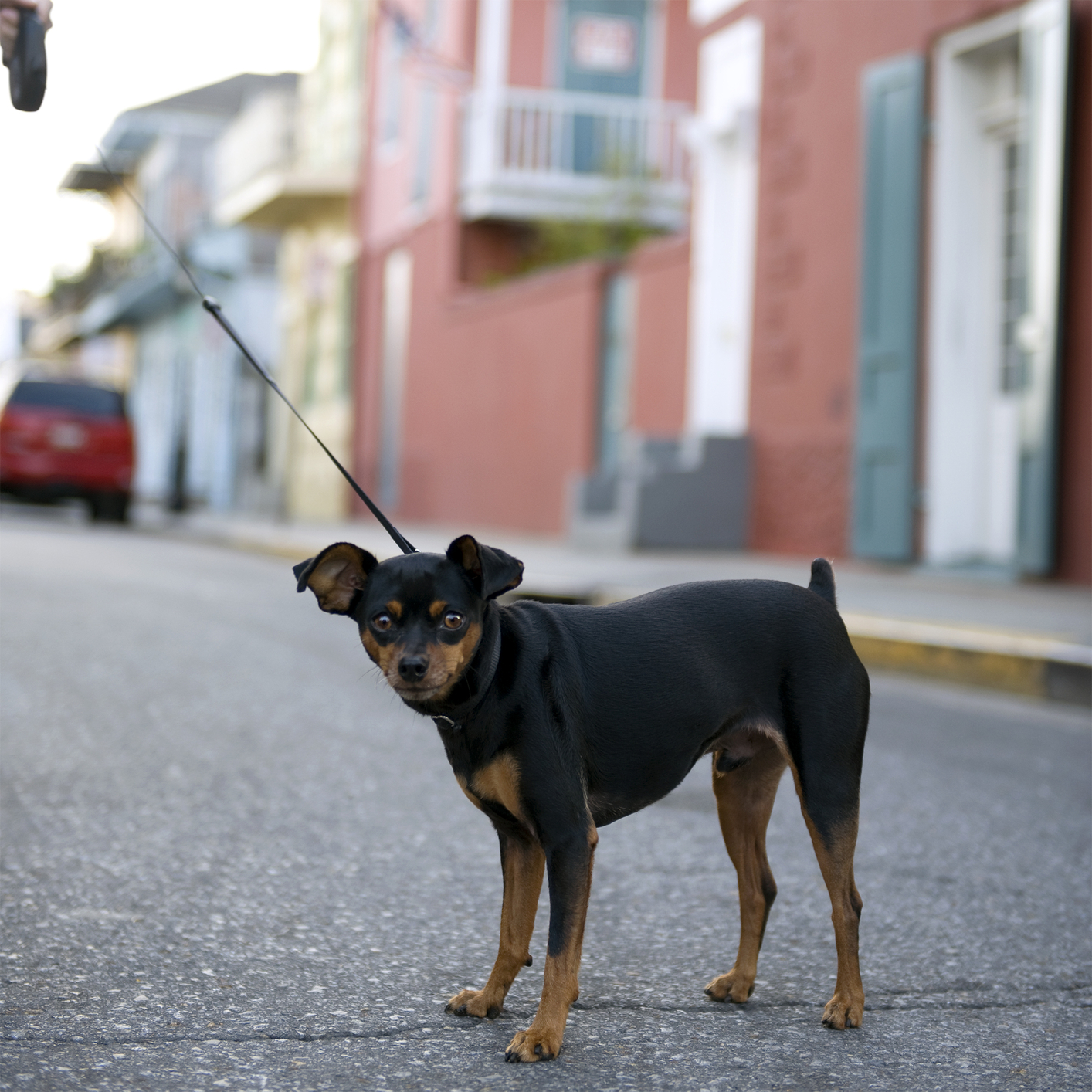
If your dog finds greeting other dogs stressful, it’s okay. All dogs are individuals. Some are introverts while others are extroverts just like people. An introverted person (withdrawn from strangers) finds attending parties with lots of people torturous. Remember, people are able to control their outcomes. Dogs can’t unless their pet parents notice their uncomfortable behavior around strange dogs or people.
When a dog is forced to meet another dog, scuffles or fights often break out because one dog is not comfortable meeting another dog and tries to disengage using threats. Note, it only takes one scary incident for a dog to become terrified of other dogs. Then the vicious cycle begins. Well meaning pet owners forcibly socialize their newly terrified dogs to fix the aggressive issue, which only makes it worse. Pet owners say, “My dog was really good with other dogs before. So he must need more socialization, right?” This will only make the problem worse.
Never introduce a known aggressive dog to another dog, as this is a recipe for disaster. Socializing known “dog aggressive” dogs will not make your dog better. It will make him much worse. He’s practicing this behavior and we all know practice makes perfect. Plus, there’s a really good chance the other dog, now having a terrible experience, is afraid of other dogs too.
Instead, enroll newly terrified and dog aggressive dogs in a Relaxed Rover class or contact a professional dog trainer or animal behaviorist. By partnering with a professional, your dog will learn confidence around other dogs while developing skills to engage and disengage greetings without resorting to threats. Shoot, all dogs will benefit from learning these skills. 🙂
Socialization with Boundaries
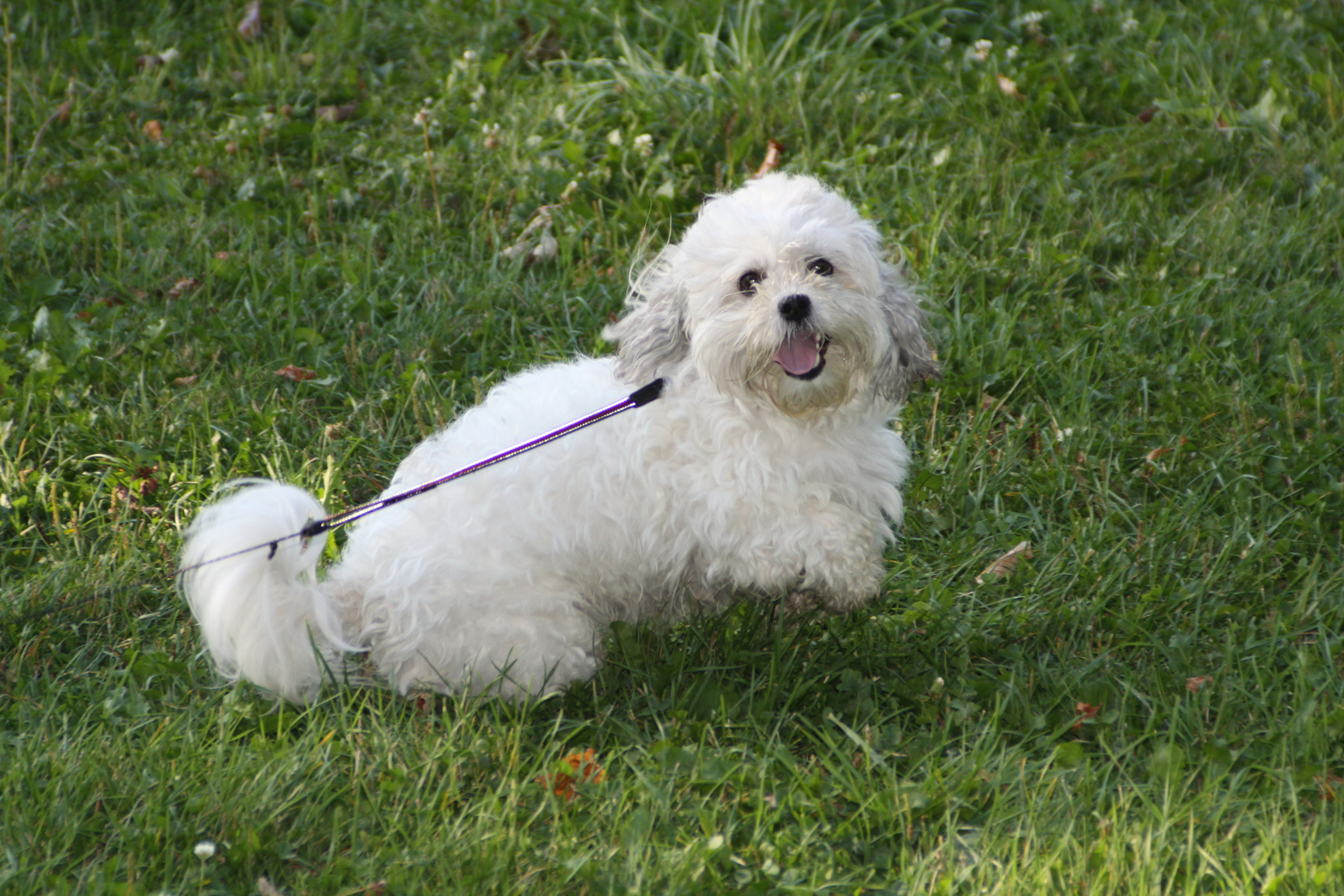
Tip One: Follow your puppy’s or dog’s lead. If he’s not comfortable meeting another dog, walk away (before they greet). You’re teaching polite disengaging behavior by saying “hi” from a distance and politely walking away (remember the nod at the grocery store).
Tip Two: Enroll your puppy in Positive Puppy Manners class and Puppy Playtime after his first puppy vaccination series with a professional dog trainer. If your puppy chooses not to play with other puppies, it’s okay. He probably enjoys human contact more than puppy play.
Allow your dog to choose his friends. Sometimes, dogs and puppies love to play with certain dogs like your neighbor’s or sister’s dog, but he’s not comfortable playing with other dogs. That’s okay too. Personally, I have a tiny group of friends while my sister has unlimited friends, and we came from the same litter. 🙂
Tip Three: When accidentally meeting another dog on leash, allow them to briefly greet for two seconds, then walk away. You’re interrupting the greeting to keep it positive and teaching polite disengaging behaviors. By keeping greetings short with strange dogs, it prevents rude behavior from sneaking up.
Tip Four: If a person and his dog are making a beeline towards your dog, say, “We’re training, sorry,” and step away, turn around or cross the street. Trust me, you’re not being rude by moving away from the approaching pair. You’re speaking up for your dog and he thanks you. 🙂 As for the beelining dog and person, they’re learning that not all dogs should meet, which is a good thing!
I know this is a controversial topic and you can never go wrong by following your dog’s lead. Always socialize, but put a few boundaries in place first. 🙂

So glad someone has put into print that d on dogs are just not socially minded. One of ours loved our old dog and one of the others but hates all other dogs, a behaviourist and efforts to integrate him just made him panic and get defensive. Now to give him the peace and good life he deserves he is walked early or late to keep meetings to a minimum Unum, he’s happy and no longer stressed by being asked to “meet” other dogs – and loves every human he meets. Sometimes you just have to accept that your dog is scared and unsocial and adjust life t keep them happy and safe
As a dog trainer, my heart breaks every time someone “confesses” to forcing their scared dog to meet other dogs. So glad you enjoyed this article! Keep spreading the word, folks will learn and our dogs can walk in peace 🙂
Great article! Many other socialization articles can often make a person feel like a failure if their dogs aren’t everything friendly so it’s nice to read something that acknowledges the fact that dogs (like people) shouldn’t be expected to like and socialize with everyone they meet.
Two of my dogs were well socialized until a major attack from a loose dog during a walk, which has made them leash reactive, while another is antisocial and has a hard time disengaging (though she is the best out of the bunch once she’s spent some time with a new dog). Years of training and work has brought their anxiety down, but they will never be back to the way they were and we’re fine with that. Instead of expecting them to be what we want them to be, we adjusted our attitudes about them and accept them completely including all of their faults. We take walks in the woods now, where we are least likely to meet other dogs and have more room to keep at a distance that allows the dogs to remain under threshold. Not only have walks become enjoyable again but there is just something magical being in nature.
Awesome Beth! Keep being the voice for your dogs, you made my day!!!
Thanks for posting this, I adopted 3 year old staffie 6 months ago. He just does not get on with other dogs at all, and i’ve had some very upsetting incidents when he has met other dogs who have been off leads.. I’am very careful where and when i walk him and we cross over the road when we see someone with a dog.
I have found most people are understanding and move or put there dogs on leads when asked.
My dog loves humans and is a great addition to our family,I was thinking of getting a trainer in, but don’t want put him through any stress. could you please advise if it to late now??
Thank you
Hi Sarah! It’s never too late, so take a deep breath 🙂 I would recommend enrolling in a Reactive Dog class in your area, the main focus is teaching dogs how to engage (from a distance always) and disengage during greetings. As for loose dogs (this makes me so angry!), bring a bag full of cut up hot dogs. When the loose dog approaches , throw a handful of treats the other way and quickly move away. Hope this helps!
LOVE this suggestion!
great article
Thank you Deb 🙂
Great article well done
Thank you Andy 🙂
Hi. I took my 10 month old pup for a walk one day and he was attacked by another dog. Both was bulldogs so both got into a fight. He’s ok with other dogs but I get very nervous now seeing as this other dog body language just changed straight away!! My dog just want to meet other dogs it’s not really affected him as such. On the other hand I rescued a 6 year old male who absolutely hates other dogs he’s so aggressive towards them so now he’s walked alone late at night. I sometimes feel bad but then I realise it must just be the way he is and he’s happy enough 🙂
Thanks Jade 🙂
Could you help.
My dog Ziggy (GSD) Is wonderful off lead; plays really well with his special friends and is great with smaller dogs. (he can be a bit alpha male with other GSDs even though he’s been neutered)
However on lead he can be a nightmare; he nearly pulls me over if he sees another dog look at him in a way he obviously finds antagonistic.
Hi Chris! Yes, we have this thing called “leash reactivity”, as you read in this article. Hugs to Ziggy!
Great article!
Thank you Gail 🙂
A very good read,i wish other people would read this. My boy i very aggressive and reactive on the lead if he see’s another dog so we have to about turn and take a different route but people still think its ok to come up to you when your dog is reacting and ask why my dog is trying to eat their dog. It annoys the spiders out of me!
Ha, I may borrow that term “it annoys the spiders out of me”, that is darling! People do better when they know better, so keep spreading the word!
Thanks for this article. We have a rescue Staffy who is really scared of dogs. We have had him for 2 years and unfortunately he has bitten a few dogs in this time. At all times because other owners would not or usually could not control their own dogs off lead. No recall skills with over friendly dogs. Even when we are taking avoiding action with him on his lead and warning them that he is afraid.
We took him to a behaviourist who made him walk with her dogs to get him used to dogs. Also advised us to walk him where there were dogs in the distance so he could also get used to being around them. She became sick and did not get back to us when she got better. This unfortunately ended up with the incidents mentioned. Even though we warned everyone about his reactive problems. They always knew better! ‘But my dog is ok. He is very friendly’!
Now we have been threatened by ‘Vigilantes’ , who say if he is seen in public places without a muzzle we will be reported to the police.
Muzzling him depresses him but I have had to do it to protect him from these people. No more sniffing the grass; chasing his ball and sticks in the park. Even if no dogs around we are too afraid of being seen.
I have resorted to going out very early to avoid interactions so I can risk taking the muzzle off for a wee while. We have asked another behaviourist to visit in the new year. Costing lots but if she can help it will be worth it.
He is the best behaved dog ever. He loves all forms of humans and his best friend is next door’s cat! Even our Staffy unsure friends have fallen for him!
Hi Isabella! Folks that walk dogs late at night or early in the morning, to avoid other dogs….. we call ourselves the Night Walkers 🙂 It’s an exclusive club ya know, lol 🙂 If looking into an animal behaviorist, I highly recommend contacting a vet, which is board certified in animal behavior, they can provide the best bang for the buck, and point you in the direction of an excellent dog trainer to continue your progress. Search Animal Behaviorist at the top left search box, I have some great links to follow 🙂 Good luck!
I have two rescues – both under 30 lbs. One is quite fearful but seems to want to play with other dogs. When walking them together, we often pass our neighbor’s 80 lb chocolate lab who is a sweetheart, though very “labbish” and excitable, but my girls’ approach is awful…they jump, wag their tails enthusiastically but also get the “hackles up” and growl. What IS that? I do NOT let them engage unless they calm down but often it becomes a mess of leashes and I feel myself tense up (which I know makes it worse). They’ve spent time successfully at a kennel and apparently played okay with other dogs, but I need them to learn a better approach. Ideas? Anyone?
Hey Amy! Hard to say, but it may be “leash reactivity”. Take a peek at “defensive aggression” article I posted this week, it explains how leash reactivity begins and how to manage it. We are seeing it a lot more, so it’s best to refrain from greeting on leash. Hope this helps and hugs to the pups!
Good article! Except 🙂 the comment ‘follow your dog’s lead’. That can be right with a shy dog who is saying “No,please!” But what about those of us with dogs who strain to get TO the other dogs? Some do it because they want to greet/play with every other dog — frightening for those of us with ‘problem dogs’. Then others want to attack every other dog they see! Like, by the look of it that Malamute(?), that the top photos shows, who apparently wants to tear the poor frightened German Shepherd limb from limb.
Those of us with dogs like this, NEED the advice — take your dog out of there!!! Straight away! And then reward your dog once s/he loses interest in the other dog. No fun to have a dog like this — my very real problem dog was fine, and an enthusiastic greeter 🙁 before her encounter with a canine thug. Then she became a thug herself ;-( (Poor dog, I wish I had known then, what I know now. Then we would have both been Happy Little Vegemites 🙂
I have a 1 1/2 red heeler male called rocky, he was fine with people and other dogs I owned when I was on 5 acres but as soon as I move to a smaller house, he was fine wih my own dogs at home and was fine with people inside his house (he is a big baby but can get nervous something) but as soon as I take him for a walk, if he see a dog or people (sometimes) he will start to bark,growl and be just really aggressive and now he is starting to pull at kids on bikes and he is really protective of me, sometimes he won’t even let people come near me. I really want to be able to take him place with me without the fear of him attacking someone. He is only young and I am trying to training him myself with looking up Information of youtube and Google but nothing seems to be working that well
You’ve taken the first step, and that’s searching for answers for sweet Rocky- good for you! As a dog trainer, it’s extremely difficult to pinpoint exactly what causes Rocky to react without meeting him in person. So, I’ll make a few broad suggestions here, I hope these help.
My first suggestion is investing in an expert dog trainer partnered with a veterinary behaviorist. While it seems expense, you’ll likely have a quicker and better outcome, meaning Rocky will respond quicker. I know this isn’t your first choice, but I want put this out there, it’s worth every penny.
If you’re interested in learning techniques to help Rocky, I highly recommend reading a few books, you can order them online or find at your local library. You can check out their websites for videos and additional detail, and they offer a list of BAT certified dog trainers in your area too.
• Behavior Adjustment Training (BAT): For Fear, Frustration and Aggression in Dogs by Grisha Stewart.
• Control Unleashed by Leslie McDevitt
Lastly, dealing with fear can take some time, so I highly recommend keeping Rocky away from triggers, so he doesn’t practice his “reactive” behavior. I recommend walking Rocky in the evenings, when it’s dark, so he can’t easily see other dogs and people. Now, I’m not sure if Rocky is protecting you or himself; it could be both. Until you’re able to control situations, which you’ll learn by reading both books front to back, I would keep people and dogs away. Again, the more he practices “reactive” behavior, the worse it will become – that I can guarantee.
Your story has inspired me to write a few detailed articles discussing tips on living with reactive dogs; this behavior is common, changing behavior is difficult. Hopefully I’ve provided a couple of helpful suggestions and pointed you in the right direction, these are the methods I’ve used in the past with excellent results. Hugs to Rocky!
Hi
Just read this article and its nice to know that not all dogs like to be social. I noticed my GSD, Fez, doesnt like anything… I mean he loves me and gf, the cat Oscar and his newly adopted sister, a GSP Eva. But the firet time he met Eva he backed at her like theres no tomorrow. We intorduced them slowly and now he loves her and cuddles up at night with her.
But he hates people who talk to him. He hates people who look him in the eye and he hates every dog we see in the street or in the park (obviously not us)… I dont mind him not going to people to pet him or not socializing with other dogs but i do mind when he pulls and barks at what he doesn’t like. When we’re on a walk and he sees people he doesnt react infact he ignores them completely even when off leash. But if someone dares to look him in the eye he goes ballistic.
I always change direction when we see another dog coming towards us. I’ve recebtly starting asking him to sit and let him see the other dog from a distance pass by… Does this make sense? I trying to teach him that he doesn’t need to attack every dog we pass during the walk. Dogs in balconies wre not a problem anymore he looks at them and doesnt react (even if they bark at him) Probably because he knows they cant get to him.
Thanks
Neil Zammit
Hi Neil!
Thank YOU for listening to your dog!!!! I truly wish every dog was as lucky as your GSD! Knowing your boy will choose to look away from scary situations is a HUGE plus, so reward ignoring/looking away like crazy. Bring along AH-MAZ-ING treats and reward your dog when he chooses to look away from or ignores a trigger, keep a far distance to make sure he doesn’t go over threshold. By rewarding your dog when he ignores or looks away from triggers, you’re teaching your dog how to react differently, this is key. Now, you need to protect your dog, so don’t allow scary situations to sneak up on your dog. Instead of asking your dog to sit and watch the scary thing, turn around and move away from it while doing a nice heel pattern and reward with lots of treats. Moving away from a scary thing is just as rewarding as treats, I don’t think I could sit and watch spiders frolic 10 feet away. 🙂 Remember, distance is your friend and wait until your dog chooses to look away (even a slight turn of his muzzle), move away and reward! For more details, check out Behavioral Adjustment Training (BAT), there are certified BAT dog trainers too, they can work differently with you. Again, THANK YOU for listening to your dog! 🙂