Benefits of Dog Preventive Care

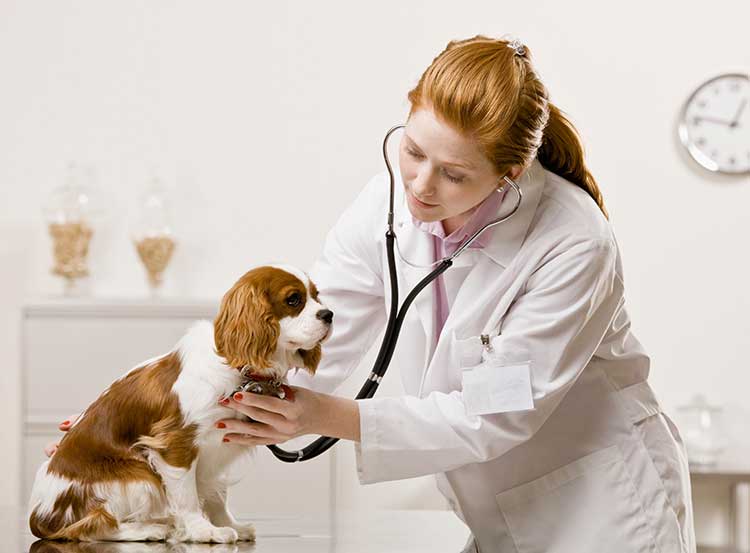
Over the last decade, veterinary visits for dog preventive care have drastically decreased. While it’s easy to assume the decline is due to pets being healthier, it seems pet emergency visits have increased, indicating people are waiting until their pets are really sick to do anything about it (Pet Health Crisis: Americans Skimp On Preventive Care, 2014).
Early prevention is key to your dog’s health. Your dog needs at least one to two preventive care visits per week. Before searching Dr. Google to find a diagnosis for your dog, check out these 6 reasons why your dog needs to see a veterinarian for preventive care every year.
1. Prevent Obesity
As Americans gain weight, so do their dogs. Obesity is considered an epidemic in pets now, as obesity steadily increased in 2016, affecting nearly 59% of cats and 54% of dogs, according to the Association for Pet Obesity Prevention (APOP).
Many pet owners miss weight increases, especially the tiny weight gains that pile on over months or years. One or two pounds may not seem much, but it can push a small dog into the obese category for her size. We know obesity can and will cause medical issues.
During preventive care visits, a veterinarian will weigh your dog and complete a thorough veterinary exam. The vet will also discuss your dog’s weight gain, set a goal weight for your dog and design a weight loss plan specific for your dog. This advice is well worth a $50 vet exam fee. 🙂
2. Prevent Arthritis
As dogs age, arthritis slowly develops in their joints. Many pet owners miss subtle signs that would indicate their dogs are in pain, but a veterinarian can detect signs of pain within minutes during an exam.
Additionally, your vet can watch your dog move around the exam room or trot outside to observe your dog’s natural movement. Understanding biomechanics, they notice even the slightest gait abnormalities that can prevent later chronic conditions from developing.
When you’re at the vet, express any changes in your dog’s routine, such as sleeping longer, excessive panting, refusal to walk or hiding from family.
3. Determine Causes for Lumps
Lumps, bumps and abnormal spots will appear on dogs as they get older. Most appear during middle age, and should be checked out by a veterinarian ASAP. While several lumps and bumps are benign, many are not. Only a veterinarian can determine the cause and course of treatment for lumps and bumps.
Most veterinarians will do a biopsy and remove lumps and bumps, then send them off to pathology for a diagnosis. Resist the urge to post pictures and ask social media groups for advice about suspicious spots on your dog. The best advice anyone can give you would be to bring your dog to the vet tomorrow. 🙂
RELATED: Why You Should Get Pet Insurance
4. Prevent Pet Emergencies
Many dogs develop chronic illnesses and need preventive care to ensure they remain problem-free. Once a diagnosis is made, veterinarians will develop a wellness protocol, so follow your vet’s recommendations. Paying preventive health care prices is much cheaper than paying for pet emergency care costs.
5. Get Blood Work Done
Many vets recommend routine blood work for dogs, especially when they’re trying to find a specific cause of illness. Dogs are unable to speak; they can’t say their tummy hurts or they feel sick. Essentially, routine blood work takes a peek inside your dog to ensure everything is working correctly.
Every dog needs routine blood work done yearly, including puppies, so their vet can establish a baseline. Older dogs usually need routine blood work every six months since dogs age much faster than humans. When your vet suggests blood work, there’s a reason and it just might save your dog’s life.
6. Detect Signs of Serious Issues
Sometimes, minor ailments mask scary things. When in doubt, bring your dog in for a thorough preventive care check-up. Early diagnosis ensures a better outcome.
Many years ago, my Bouvier had a slight rear leg limp that persisted for a month. His limp would go away for a week, but then suddenly reappear. We scheduled a vet visit where they took an X-ray of my dog’s leg. When my vet said it was bone cancer, I was gobsmacked. There’s an old saying: “When you hear hoof beats, you expect horses, not zebras.” It took me hours for this diagnosis to sink in; I wasn’t expecting it at all. Morale of the story is you just never know, so it’s always best to have a professional rule out the scary stuff.
When in doubt, check it out. 🙂