Survival Guide After Injury

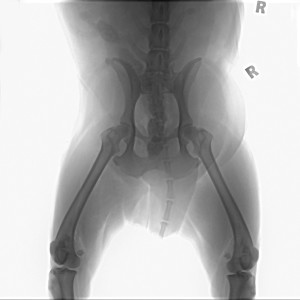
It just happened to me. Sobek, my Rottweiler, was gleefully playing outside and the unexpected happened. He yelped and refused to put weight on his left rear leg. After an ER visit, it was confirmed. Cranial cruciate ligament tear. Darn!
This last week has been a whirlwind of research. Should Sobek have surgery? If so, how should I choose a veterinary surgeon and how should I prepare? As a seasoned dog person, I was totally overwhelmed so I’m more than happy to share my finding with you. Hopefully, this will make things a tad easier. If this should ever happen to you and your dog.
Right After the Injury
Take a few deep breaths and bring your dog inside. Contact your vet and schedule an appointment. It may not be a partially or completely torn cruciate ligament.
Always confirm diagnosis of cruciate ligament tears.
Until your vet appointment, walk your dog during potty breaks on leash. It’s important to stop dogs from running and playing, which could cause further injury. Secondly, keep your dog quiet in your home. When I crate Sobek, he seemed a tad more sore, as I’m sure he could not extend out his hurtful leg. I created a gated off area in our living room with toys and chews so he could fully extend his legs during naps while keeping him still. Sobek is 2 ½ years old so keeping him quiet has been a challenge.
Surgery or Not?
Oh, there’s a ton of information out there, but tune out the noise and ask the experts. Conservative management (CM) is an option, which means keeping your dog quiet while allowing your dog’s knee to repair itself. Now, CM does not mean crate your dog for 6 months — that’s actually the worse thing you could do. CM involves a long process of rehabilitation and massage as well as using a brace and laser treatment for a minimum of 6 months.
RELATED: Conservative Management
When Sobek partially tore his cruciate ligament, I contacted several board certified veterinary orthopedic surgeons. Every one of them stated that CM provides best results for dogs under 30 pounds and older dogs with lower energy levels. I’ve read of several large dogs healing fine with 6-8 months of CM. This is your decision. Personally, I would rather do CM over surgery any day, but Sobek is young, has high energy and weighs 120 pounds.
Choose a Board Certified Veterinary Surgeon
Cruciate ligament tears are so common that most general practitioner vets are offering these services, but I highly recommend choosing a board certified veterinary surgeon instead. Veterinary surgeons have “undergone additional training after veterinary school in order to become a specialist. This training consists of a minimum of a 1-year internship followed by a 3-year residency program that meets guidelines established by the American College of Veterinary Surgeons (ACVS)” per the ACVS.
Plus, these experts are trained using the most updated techniques and are required to handle difficult cases on a daily basis. Most repair 100-150 cruciate ligaments per year. Think about it: Would you allow your general practitioner to perform knee surgery on you? Probably not so seek out an expert in your area. Your regular vet will send a referral to your chosen veterinary surgeon and an exam will be scheduled. Find a board certified veterinary surgeon at ACVS’ website.
TTA and TPLO: What Should You Do?
Oh this decision tormented me. I had a tough time choosing which surgical repair worked best for Sobek so I turned to research data. TTA and TPLO actually provide the same results even though the surgeries are different. My advice is to pick a veterinary surgeon and discuss options. The surgeon will spend plenty of time discussing all options and making recommendations. If you’re not comfortable with this surgeon, choose another one. You’ll be in contact with her for the next 6 months so find one you trust.
Find a Qualified Canine Rehabilitation Expert
This is the secret ingredient: Rehab matters! Sitting at home with a bum knee will make it worse. You must use it to regain full range of motion and build or maintain muscle mass. Your veterinary surgeon will usually have recommendations. With your rehab specialist and surgeon, you’ll create a custom post-op plan for your dog. Rehab is a must after surgery. All I can say is go, go, go! We found an excellent rehab specialist who will work with our veterinary surgeon. They’re actually in the same building!
Ask questions. Tune out all the noise (different opinions) and choose a veterinary surgeon you trust. Be your dog’s voice!
READ ALSO: Preparing for Dog Cruciate Ligament Surgery