Dog Training Nation

In Dogs We Trust

  • Home
  • Training
    • Dogs
    • Puppies
    • Clients
  • Behavior
    • Breeds
  • Health
  • Safety
  • Resources
    • Equipment
    • Books
  • Dog Training Videos
  • About
You are here: Home / Archives for beginner dog trainer recommended reading

3 Behaviors All Dog Trainers Should Know

October 27, 2014 by Fanna Easter

Make Sure Your Clients Know These BehaviorsThree Behaviors All Dogs Should Know
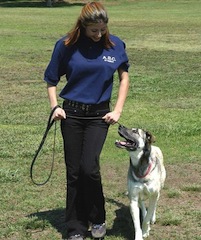
Do you want to spice up your Basic Family Manners Class? Are you bored teaching the same foundation exercises over and over again? Don’t you ever feel like you’re forgetting something? Are your dogs still pulling on a leash and jumping up on people? Here ya go! Learn three new behaviors all dogs should know!

Body Handling

While this is mostly covered in Puppy Class, we forget to cover in Basic Family Manners Class geared for dogs six months and older. Body handling means a dog learns to allow a person to touch, handle and restrain his body. Trust me, it’s not fun having a dog bucking around the room when you’re trying to apply eye medicine or brushing mats out of his coat. 🙂 Plus, your vet and vet tech will thank you profusely!

Body handling teaches a dog to stand still while being examined at the vet’s office, brushed at the groomers, having nails trimmed, having teeth brushed, having medicine and ointments applied to the eyes or ears and so on. Many dogs can learn to remain still for blood withdrawals and injections. We just need to teach the dog what is expected during these procedures.

How to teach:

  • As you touch your dog’s shoulder, click and treat (repeat 5 times in a row).
  • Touch his nose, click and treat (repeat 5 times in a row).
  • Touch his front foot, click and treat (repeat 5 times in a row).
  • Touch his tail, click and treat (repeat 5 times in a row).

Move forward until:

  • Touch your dog’s nose, foot, tail or shoulder for 1 second, then click/treat.
  • Continue until you can touch longer or look in his ear or mouth for longer, then click/treat.

Park Your Dog

During the first week of Basic Family Manners, I teach “Park Your Dog.” We all know that Week One is usually the loudest and rowdiest class by far so teach pet parents how to teach their dogs to calm themselves. I explain how to teach it, demo with the rowdiest dog in class, and then ask pet owners to practice for 5 minutes while I walk around providing feedback. Then I ask owners to “Park Your Dog” during lecture time and when they first arrive at class.

How to teach:

  • Step on your leash about halfway up to your dog (your dog should have 3 feet of extra leash).
  • Click and treat your dog the instant the leash becomes loose (Tip: Instead of watching your dog, feel when the leash tightens and loosens under your feet. The moment you feel slack in the leash, click/treat!).
  • That’s it! Bingo, you are rewarding calm and quiet behavior!

Additional troubleshooting:

  • Dog still jumps up on you, shorten the leash.
  • Dog continues to pull on leash, your timing is probably off a bit. Click and treat every time the leash is loose.
  • My dog is still pulling, call his name and click/treat five times in a row. Now you have his attention, so keep it by rewarding frequently.

View demo video and additional training tips here.

Collar Pressure

I love teaching this behavior, especially for big dogs and little pet parents. 🙂 Having a large dog is tough as he seems to always pull you forward even when teaching him polite leash manners. Well, problem solved, this behavior teaches a dog to follow collar pressure instead of pulling away from it.

Step 1: Touching your dog’s collar is a good thing!

  • Touch your dog’s collar, next click and treat.
  • Try this 10 times in a row.

Step 2: Following the pressure on the dog collar.

  • Apply pressure to the dog’s collar the opposite way he is standing. Use light pressure, such as holding a door open. You are not pulling hard per se, but more like restraining.
  • Immediately click and treat when your dog follows the direction of pressure (as the dog moves towards the pressure, so that you are no longer applying pressure to your dog’s collar).
  • Try this 10 times in a row, remember to click and treat each time.

Step 3: Your dog now follows you on the leash.

  • Touch your dog’s collar, as if you are moving him away from something, such as an open door.
  • Immediately click and treat when your dog follows the direction of pressure (he moves towards your hand instead of pulling opposite of you).
  • Try this 10 times in a row, remember to click and treat each time.

View demo video and additional training tips here.

Dog trainers, bark back! What behaviors would you like to teach in class?

Filed Under: Clients, Training Tagged With: beginner dog trainer recommended reading, blogs for dog trainers, clicker training, dog trainer, dog trainer corner, dog trainers, dog training, dog training advice, Dog Training Tips, for dog trainers, how to become a dog trainer, reading for dog trainer, top dog trainer articles, want to become a dog trainer

Best Dog Training Books For Beginners

October 22, 2014 by Fanna Easter

Dog Training Books

Dog Training Books
Continue to learn by reading the best dog training books in the industry. dtatiana/Adobe Stock

Written for dog trainers with less than 2 years of experience.

If you’re a dog trainer, regardless of experience level, it’s so important to continue learning. While attending conferences and seminars are a huge plus, reading dog training books provides an in-depth look into specific topics as well as references when you encounter obstacles. As a dog trainer, I highly recommend this reading list with the assumption that beginner dog trainers have an understanding of basic classroom setup, management and curriculum.

Best Puppy Training Book

“Puppy Start Right – Foundation Training for the Companion Dog”
by Kenneth Martin and Debbie Martin

If you’re looking for the ultimate puppy training book, then you must read this book! Dr. Kenneth Martin and Debbie Martin provide information left out of most books about teaching body handling and muzzle training. Plus, they include a good refresher on clicker training and step-by-step information on shaping behaviors, which is a challenging skill for beginner dog trainers. Reading and referencing this book will certainly prepare you to offer the most current information in puppy classes!

Best Learning Theory Book

“Don’t Shoot the Dog” and “Reaching the Animal Mind”
by  Karen Pryor

If you have not read these books yet, then run and purchase them right away! Karen explains a beautiful dog learning theory, variable schedules of reinforcement and how animals learn. A tip: highlight and bookmark your “ah ha moments” so when you’re feeling burned out, take a peek and understand why you fell in love with dog training in the first place! 🙂

Best Canine Body Language Book

“Canine Behavior: A Photo Illustrated Handbook”
by Barbara Handelman

An important skill to learn, as a dog trainer, is how to read and interpret canine body language. Barbara’s book not only explains body language, but the reference pictures are also amazing! This book is HUGE and packed full of pictures with detailed explanations. Tip: when viewing each picture, think through solutions to prevent this behavior from happening. This will teach you to react quickly, especially to an “agnostic pucker”!

Best Teaching Pet Parents Book

“Ebook: The Human Half of Dog Training – Collaborating with Clients to Get Results”
by Risë VanFleet
&
“It’s Not the Dogs, It’s the People!”
by Nicole Wilde

Oh, but teaching dogs are only half of it and it’s so important to understand how to interact, teach and provide feedback to pet parents. In my opinion, this is the hard part! Not only do you need to interpret human body language, you need to also understand how to tactfully explain instructions, several times if needed, to ensure the pet parent understands specific concepts. Well, here ya go — the two best books out there! Don’t skimp by purchasing only one book (it’s so important to read several points of view).

So you’ve noticed, a few topics are missing, such as dog aggression, anxiety and fearfulness. Beginner dog trainers must have a full understanding of the above topics before diving into the deep end, meaning aggression. For my full thought process on this topic, check out these dog behavior articles.

What is your favorite dog training book?

Filed Under: Books, Clients, Large, Resources, Small, Training Tagged With: animal behaivorist, beginner dog trainer recommended reading, best books for dog trainers, best dog training book review, best dog training book reviews, best dog training books, best dog training books 2014, best rated dog training books, book dog trainer, dog trainer, dog trainer's corner, how to become a dog trainer, so you want to be a dog trainer, top books for dog trainers

About

Dog Training Nation is a community of dog trainers, dog owners and dog lovers. Our mission is to provide trainers and owners valuable information to enrich dogs' lives. We cover a range of topics, from socializing puppies to dealing with aggressive dog behavior to selecting the best dog products. It is our hope you share our content to make the dog and owner world a better place.

​

Facebook

Video

Dog Training Nation is a dog training blog for pet owners and dog lovers. We cover a range of topics from puppy socialization tips to dog aggression to dog health. It is our hope you share our content to make the world a better place for dogs.

Dog Training Nation

Quick Links

Dog Training
Dog Behavior
Dog Training Videos
Become a Dog Trainer
About
Contact Us

Copyright © 2026 · Lifestyle Pro Theme on Genesis Framework · WordPress · Log in