Dog Training Nation

In Dogs We Trust

  • Home
  • Training
    • Dogs
    • Puppies
    • Clients
  • Behavior
    • Breeds
  • Health
  • Safety
  • Resources
    • Equipment
    • Books
  • Dog Training Videos
  • About
You are here: Home / Archives for brushing dog

3 Tips That Make Brushing Your Dog Much Easier

November 17, 2015 by Fanna Easter

Brushing Your Dog Has Never Been Easier
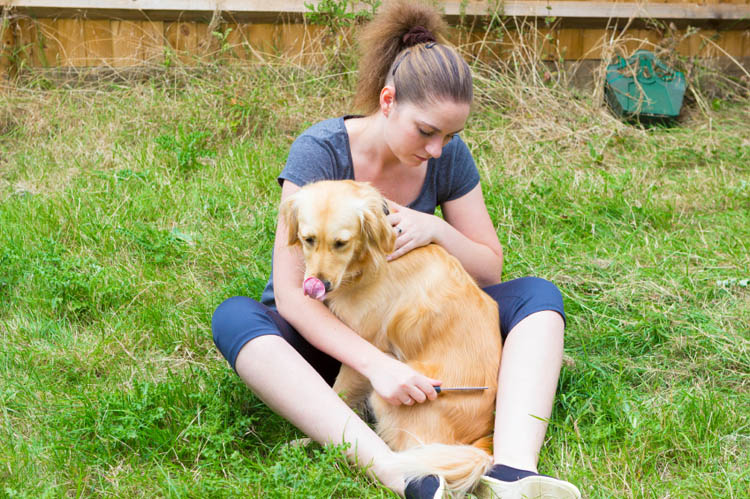
Dog Brushing
olgamarc/iStock

As a general rule, dogs should be brushed weekly. You may need to brush more frequently, depending on your dog’s coat needs. When discussing the importance of brushing with students in my dog training class, many admitted skipping it because it’s such a chore for them. So I asked all of my students to bring their dog brush to the following class, and then I understood their struggle. After a few minutes of practicing the three tips below, we had quietly lying dogs and pet owners actually enjoying the dog brushing process. Give these tips a try and let me know your thoughts!

Make Him Stand Still

By far, this was the biggest obstacle to stress-free brushing. Dogs don’t understand they should stay completely still, as they were never taught that. Remember teaching your child to stay still while you coiffed his hair or pulled her hair into the perfect ponytail for school? Yup, it’s the same thing.

Watching students struggle to keep their dogs still with one hand and brush with the other was a sight to see. If your treat hand moves even a tiny bit, your dog’s head will move too. He’s following the treat. Frustration builds quickly!

Instead of holding treats in one hand, smear peanut butter or cream cheese along a vertical wall. Bathroom tile is best. Please don’t use dry wall :). Keep smearing within a 3 x 3 inch area to prevent your dog from moving around. With this method, you can really get some brushing done now that both hands are free.

You can also smear peanut butter on floor tile or all along the inside of a heavy plate placed on the floor–weight keeps it from sliding around while your dog licks. As you’re brushing, keep an eye on the smeared peanut butter supply and reapply when needed.

Before you frown at the fact it took several spoons of peanut butter to brush your dog, you have to admit it was super easy. Plus, the smeared treats are teaching your dog to enjoy brushing and standing still. See, it’s not a bribe!

WATCH: Make Brushing Your Dog Much Easier – Standing Still

https://youtu.be/54vdWZSphFY

Rotate Your Dog’s Body Effortlessly

For long-coated dog breeds, it’s probably easier to brush your dog while he’s lying on his side on the floor. Once that side is done, it’s time to turn him over to brush the other side. Instead of pushing and pulling, try luring him to lie on his side.

Place several treats in a small bowl on the floor and have a seat next to it. Hold a treat on your dog’s nose and lure him onto the ground. Refrain from saying “down” because you’re teaching him to lie on his side instead; it’s totally different than laying down. Once his elbows and behind touches the ground, keep the treat on his nose and slowly turn it toward his shoulder.

A funny thing begins to happen when he follows the treat. His body turns sideways and he ends up lying down. Bingo, give him the treat. Afterwards, ask your dog to stand. If he doesn’t stand on cue, ask him to “touch” your hand, which will help him stand up. Now, practice luring him onto his other side. You’ll find some dogs have an easier time turning their body in a certain direction, so be patient. (We’re the same way.) Practice several times before introducing any type of brushing.

When first brushing your dog, give him a treat once he’s lying on his side. Brush once and then give him a treat for staying still, then brush twice and reward. You can see the pattern. If he’s struggling to lie still, have someone hold a food stuffed toy next to his face, so he can happily lick while you brush.

WATCH: Teach Your Dog How to Roll on His Side

https://youtu.be/bPlN5WWsLVQ

Use the Right Brush

When brushing your dog, make sure the right brush removes the maximum amount of loose hair. Super short-coated breeds need a rubber currycomb that won’t damage their exposed skin. Use a slicker brush for short- to medium-coated breeds, but never push down since it may cause skin abrasions. Long coats tangle and break easily, so I recommend using a pin brush.

Brushing should be bonding time for you and your fuzzy friend, so never rush through it. Relax and soon your dog will fall asleep once the brush touches his body.
Filed Under: Grooming Tagged With: best dog brush, brushing dog, brushing long hair dog, brushing puppy, brushing short hair dog, brushing wiggly dog, brushing your dog, brushing your puppy, grooming dog tips, keep dog still while brushing

How to Teach Your Dog Chin Rests

September 14, 2015 by Fanna Easter

Chin Rests Make Grooming and Medicating Your Dog’s Face Easier

How to Teach Your Dog Chin Rests
NevaF/iStock

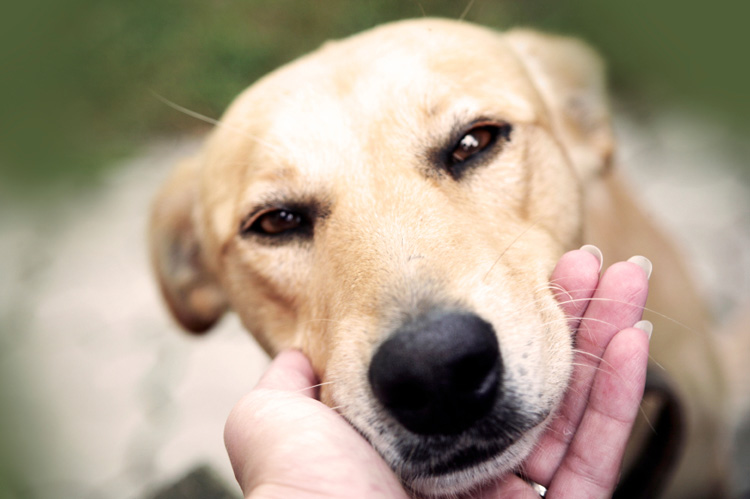
While chin rests are a fun trick to teach your dog, you can use this behavior for so many different things. If your dog is fearful of human contact, teaching your dog to rest her chin in your hand teaches her body handling and close human contact is a good thing.

When to Use Chin Rests

Anytime you need to examine, brush, bathe, trim or medicate your dog’s head or neck area, chin rests will make it much easier for both you and your dog. Also, an awesome side effect is it builds confidence while teaching dogs that body handing is fun and very rewarding.

Visiting the Veterinarian

Annual dog exams always consist of two things: ear and eye exams. These exams are a struggle for most dogs. When you think about it, it’s kind of weird having someone look into your eyes with a funny gadget and stick a hard plastic cone down your ear canal.

Teach your dog to calmly rest his head in your head, so the veterinarian can get a good look into those peepers and ears. No more wrestling and forcing your dog to the ground. You’ll be shocked how easy it is to teach too.

Applying Medication

Some time in your dog’s life,  he’ll need medication applied to his eyes and ears. Here’s where chin rests will make putting medication on his face much easier. It’s also a great way to clean your dog’s ears.

RELATED: Best Probiotic for Dogs

Grooming

Ninety-nine percent of dogs need to be brushed, but it seems most will duck their heads down as a brush moves toward their face. Instead of chasing your dog around the house with a brush, train your dog to rest his chin in your hand. Once he learns chin rests, slowly introduce a brush. Don’t touch him with it yet. Instead say “yes” and treat him when he sees the brush. Only then do you slowly move the brush closer, touch his head and brush once. If your dog backs away, you’ve gone too far too soon, so take a step back.

By teaching your dog to calmly rest his chin in a stranger’s hands, your groomer will most definitely find it useful. The dog groomer can quickly trim around your dogs’ eyes, muzzle and ears without holding his head still.

Building Confidence

Teaching your dog human hands and close body contact is fun and rewarding is empowering for dogs, especially fearful ones. If your dog ducks or moves away anytime you reach or move toward him, I highly recommend teaching chin rests.

How to Teach Your Dog Chin Rests

You’ll need lots of super yummy treats cut into pea-sized bites. I recommend using hot dogs and cheese, as they’re super yummy and your dog is willing to work hard to earn them. Another important factor: don’t stare into your dog’s eyes or face while teaching this behavior. It’s extremely freaky looking to dogs and humans alike. Rest your gaze on your open hand instead.

Step 1: Just Reach

Before reaching and grabbing your dog’s chin, we need to teach him to stand still while you reach for his face (don’t touch his face yet). Most dogs back away and, if you watch really closely, so do people. 🙂

  • Reach toward your dog, leaving three feet in between your hand and dog. As you’re reaching, mark the behavior by saying “yes” and then give your dog a treat.
  • If your dog backs away, increase the distance between your hand and dog. Or make your hand movement smaller (less swinging, slower movement).
  • Practice four to five more times and end the session.

WATCH: Teaching Your Dog Chin Rest Part 1

https://youtu.be/9e2P-UQRws4

Step 2: Touch Under Chin

As with anything, there are a couple of ways to teach your dog to allow touching of his face. You can shape and capture behavior or lure–it’s up to you, your skill level and dog’s personality. Here, I’ll teach you how to lure the behavior.

  • Slowly place your palm under your dog’s face and feed him five or six tiny treats one after the other.
  • Once five or six treats are given, remove your hand.
  • Now, try again. You’ll probably notice your dog standing very still, as your hand moves toward his chin (a good thing!). Lure and feed five or six treats again.
  • Practice three to four more times and end training session.

If your dog steps back while you feed or approach him, go back to step one and practice some more.

WATCH: Teaching Your Dog Chin Rest Part 2

https://youtu.be/petL_MI7MS8

Step 3: Rest Chin

Now, we’ll teach your dog to lower his chin in your hand.

  • Place your hand about ½ inch under your dog’s chin (you’re not touching it) and use a treat to lure his muzzle into your hand.
  • Once you feel his muzzle drop into your open hand, say “yes” and give him a treat.
  • Practice a few times and end training session.

WATCH: Teaching Your Dog Chin Rest Part 3

Step 4: Rest Longer

Now that your dog has learned to drop his chin into your open hand, we’ll teach him to hold it there longer and relax.

  • Hold your open hand out and click (or say “yes”) once your dog holds his chin in place for a second.
  • Now, click (or say “yes”) when you notice any type of relaxation.
  • You can certainly teach your dog to look at you too during chin rests. This is excellent for eyes exams. Say “yes” when he looks at you.
  • Practice a few more times and end training session.
  • Slowly increase duration of chin rests by adding an additional second during each training session.

On average, a 10-second chin rest is sufficient. If your dog needs his head groomed, then one minute is plenty. After a quick break, hold your hand out for another chin rest and groom for another minute.

Step 5: Pass It On

When guests come over, ask if they can help you and your dog work on a few things before sitting down and chatting. Bring your dog into the room–on leash is easier, so your dog doesn’t jump on them. Practice all five steps with them and you’ll notice the training session moves much faster since your dog already knows the behavior.

Chin rests are super cool to show off to friends!

Filed Under: Dogs, Training Tagged With: brush dog face, brush puppy face, brushing dog, chin rest dog, cleaning your dog's face, dog training, Dog Training Tips, grooming tips dog, how to brush your dog's face, how to teach a dog, how to train a dog, teach a dog, train a dog, vet exam tip dog

About

Dog Training Nation is a community of dog trainers, dog owners and dog lovers. Our mission is to provide trainers and owners valuable information to enrich dogs' lives. We cover a range of topics, from socializing puppies to dealing with aggressive dog behavior to selecting the best dog products. It is our hope you share our content to make the dog and owner world a better place.

​

Facebook

Video

Dog Training Nation is a dog training blog for pet owners and dog lovers. We cover a range of topics from puppy socialization tips to dog aggression to dog health. It is our hope you share our content to make the world a better place for dogs.

Dog Training Nation

Quick Links

Dog Training
Dog Behavior
Dog Training Videos
Become a Dog Trainer
About
Contact Us

Copyright © 2026 · Lifestyle Pro Theme on Genesis Framework · WordPress · Log in
