Dog Training Nation

In Dogs We Trust

  • Home
  • Training
    • Dogs
    • Puppies
    • Clients
  • Behavior
    • Breeds
  • Health
  • Safety
  • Resources
    • Equipment
    • Books
  • Dog Training Videos
  • About
You are here: Home / Archives for can you fix dog aggression

Can You Stop Dog Aggression?

May 26, 2016 by Fanna Easter

How to Deal With an Aggressive Dog

Stop Dog Aggression
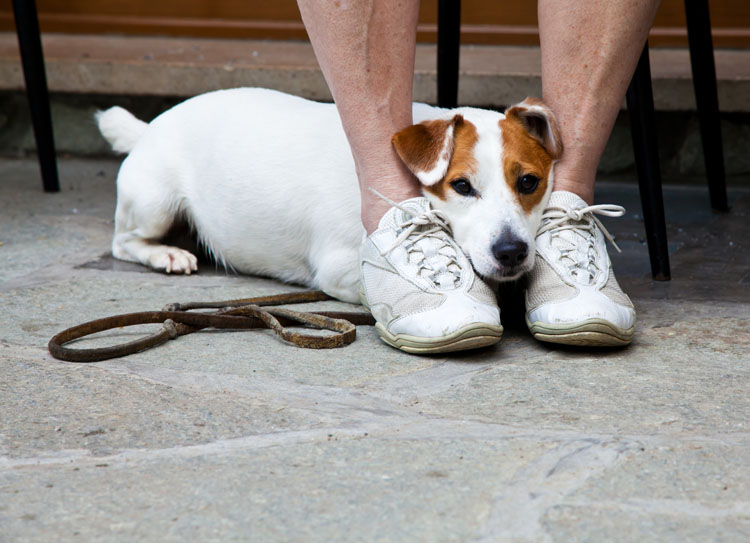
Eldad Carin/iStock

Within the dog world, dog aggression is an extremely controversial topic. Not only is this topic hotly debated among dog trainers, but it’s also an explosive topic within the dog rescue world too. Many experts have strong lines drawn in the sand on both sides, so it’s become extremely difficult for pet owners of aggressive dogs to seek concrete answers. I’ll give my honest opinion as a professional dog trainer who has intimately worked with dog aggression cases for more than 20 years.

Aggression in Dogs Never Really Goes Away

It’s true, you can’t stop dog aggression completely. While this seems like grim news, it’s important for pet owners to understand that dog aggression never goes away. Once pet owners are empowered with this knowledge, they can positively change the majority of their dog’s aggressive behavior. However, they must know that aggression will always linger. With that said, pet owners shouldn’t become discouraged. They can certainly teach their dog to react differently in certain situations, but they must have realistic expectations.

Living in a reactive world is a tough path to follow, and I don’t believe dogs enjoy living in a constant state of anxiety, panic and fear. Anxious dogs learn that aggression works to stop a scary behavior from happening. Or they become so anxious, they just freak out and panic. Do know, aggression in dogs is genetic too. If a puppy’s parents and grandparents were fearful or reactive, there’s a high chance the puppy will be predisposed to reactivity.

Can We Rescue All Aggressive Dogs?

I don’t believe you can. Some dogs just can’t fight their anxiety demons and become a danger to society. It’s a horrible decision to make, but sometimes releasing these precious souls from their ever-haunting demons is the best thing we can do.

Have Realistic Expectations

Pet owners of aggressive dogs are probably wondering what exactly to expect from their aggressive dog during and after behavior protocols. Honestly, that’s a fair question.

Before I get into specifics, do know I’m speaking about realistic expectations for the majority of dogs. A small percent of dogs will blossom into friendly extroverts, but that’s a rarity. For the most part, the majority of aggressive dogs can successfully learn to offer a different behavior when they’re face-to-face with a trigger (i.e. thing that causes a dog to react). However, it takes time for an experienced dog trainer to coach an aggressive dog and lots of practice in a multitude of situations while keeping a safe distance away.

RELATED: When Dogs Wag Their Tails, Are They Happy?

How to Deal With Dog Aggression

Dog Aggressive Toward Other Dogs

  • If a dog has been aggressive to other dogs, don’t expect him to enjoy playing with other dogs. The dog has been pretty clear in letting you know he doesn’t like other dogs, so listen to him. 🙂
  • Never allow a dog that has been aggressive to other dogs off leash to greet another dog. If this happens, you’re playing Russian roulette with the other dog’s life, which is cruel and punishable by law.
  • Expect your dog to politely ignore another dog from a safe distance, and your dog to determine that distance. Honestly, that’s a huge win in my book, especially if a dog constantly barks and lunges every time he sees a dog anywhere.

Dog Aggressive Toward Humans

  • It’s important to understand that a dog aggressive toward humans will never become a gregarious greeter.
  • If your dog has been aggressive to men, women or children, don’t expect him to enjoy interactions with people. You may need to crate your dog in another room, away from guests, which is what your dog wants. It’s not worth unraveling all your hard work due to a scary encounter with a person, which will likely end up with a dog bite.
  • Never force a human aggressive dog to meet people; you will only make it worse. Most fearful dogs will run away, which is a good thing! When a scared dog is unable to get away from a scary situation, he will likely bite, which can permanently damage a person and is punishable by law.
  • Do expect your dog to politely ignore a person from a safe distance, and understand your dog determines that distance with lots of practice.

Pet owners should stay away from false promises and unrealistic expectations from using specific aggressive dog training methods. There are no guarantees in dog training just like there are no guarantees in permanently changing human behavior. Some people will always be afraid of spiders, snakes, heights or dark rooms, but they learn to cope around those triggers.

Don’t Be Fooled By Shut Down Dogs

Just turn on your cable TV and watch a famous dog trainer punish a dog until the dog shuts down. While it looks like the dog is learning to tolerate humans or other dogs, he’s actually learning to shut down around these triggers. You may think “shutting down” is good right? The dog stops doing the behavior, so he must be fixed right? You’re wrong.

Shutting down is a false sense of hope that never lasts, and it’s cruel to dogs. If I punished a person so harshly that he rolled up into the fetal position while spiders crawled over his body, he’s not learning to not be afraid of spiders. Instead, he’s shutting down. He’s learning that spiders are truly horrible creatures, and his fear will become worse. If you’re afraid of strangers, can you imagine being punished harshly and frequently until you allow a stranger to touch you? That’s how a shut down dog feels, and that’s an awful way to live.

When Aggression Does Rear Its Ugly Head

Dogs (and people) can learn to tolerate and react differently (instead of freaking out) around their triggers, but if a scary thing sneaks up on them, they will usually revert back to old behavior. If a dog or person suddenly rounds the corner or pops up in your dog’s face, your dog will likely react. If you allow a dog aggressive dog to meet another dog, your dog will react. If you insist someone greets your human aggressive dog, he will react. Distance is your friend here, so use it often to prevent aggression from rearing its ugly head.

Most aggressive dogs can learn to react differently—they’re actually relieved to have options when it comes to dealing with their triggers. Just never push your dog into a situation he’s unable to handle.

Filed Under: Behavior, Dogs, Training Tagged With: can you cure dog aggression, can you fix dog aggression, can you stop a dog from being aggressive, can you stop a dog from biting another dog, can you stop dog aggression, dog aggression, dog behavior, dog hate children, dog hates other dogs, dog hates people, dog on dog solutions, dog training, Dog Training Tips, how to teach a dog, how to train a dog, teach a dog, train a dog

Dog Aggression

January 9, 2015 by Fanna Easter

Dog Aggression Training

Dog Aggression Training
Dealing with dog aggression.

This series explains the different types of dog aggression in an easy-to-understand format for everyday pet owners.

While a few complex and technical terms are used, each category goal is designed to reach individuals searching for answers pertaining to dog aggression. Information provided contains current prevention tips and behavior protocols as well as how to find professional help if needed.

What is Dog Aggression?

Aggression means “often harmful, social interaction with the intention of inflicting damage or other unpleasantness upon another individual.” In the dog world, most dogs display aggressive behaviors to warn they can and will cause harm before actually engaging in a fight. Basically, this means most dogs are not born aggressive. Instead, dogs learn to use aggressive behaviors to guard favorite toys, protect themselves from perceived threats or redirect their frustration onto another dog or person.

Before labeling a dog with aggression issues, it’s important to understand that aggression is a symptom of anxiety. Fixing aggression does not help a dog; you’re just masking a symptom of an underlying cause. Instead, focus on managing anxiety, which will decrease aggression. Think of it this way: If someone has the flu, lowering a high fever, a symptom of illness, does not cure the flu. This is the same with aggression. Check out this article to dispel a few dog aggression myths.

What Does Not Work?

Punishment rarely works. Instead, punishment causes an increase in anxiety, which causes a surge in aggression. Punishment is usually categorized as leash correcting, yelling, screaming, scolding and physically striking a dog. If you’re scared of heights, would my screaming and pushing help your fear? Probably not. Instead, your fear will worsen or you’ll redirect your frustration by punching me in the nose!


 Aggression is extremely frustrating and scary for pet owners. No one wants his dog to cause harm to himself or anyone else.

Instead of redirecting your frustration at your dog, channel your frustration to solving the issue.


Can You Fix Aggression?

This is a controversial topic in the dog training world, and I’m going to tackle it head on. No, you can’t fix or cure aggression, but you can teach a dog how to manage his anxiety. While you can’t fix aggression, you can surely teach a dog how to respond without acting aggressively.

Before you become discouraged, allow me to explain further.

If you’ve been violently mugged by a man wearing a red shirt, you understand the terror felt when another man wearing a red shirt approaches you. We all know men wearing red shirts are not scary, but you’ve learned to fear them. Over time, you learn red-shirt-wearing men are harmless, but your heart still pitter-patters when you see one.

Types of Aggression

Redirected Aggression

Road rage is basically redirected aggression. You’re turning your frustration onto another motorist. Instead of honking your horn, learn how to manage road rage by driving slower, keeping additional distance between cars and rewarding yourself for disengaging or ignoring a fellow road rage-er. I’ll be the first to admit, this is my personal struggle and I’m still learning how to cope with my frustration. 🙂

Resource Guarding

Oh and let’s chat about resource guarding. 🙂 How do you feel when a stranger or friend leans or sits on your new car? Mercy! You’ve worked hard to pay for that shiny new car so folks need to show respect, right? Now, you understand why dogs guard their new and shiny toys.

Short Answer

While you can’t fix aggression, you can surely teach a dog how to respond without acting aggressively. Not only will this reduce aggression, it also builds confidence and lowers anxiety. I think you are starting to see the whole picture now.

Let’s Jump Into Our Series Now!

One more thing, understand that fixing should only be used with cars. You can’t fix dogs nor people, but you can surely change behavior for the better!

Be your dog’s voice!

More:
Defensive Aggression
Offensive Aggression
Redirected Aggression
Resource Guarding

Filed Under: Behavior Tagged With: can you fix dog aggression, cause of dog aggression, defensive dog aggression, dog aggression, dog scared at vet's office, dog scared of other dogs, dog trainer tips for aggression, flight and flight dogs, how to fix dog aggression, how to prevent dog aggression, leash reactivity, managing dog aggression, puppy training tips, should I go to dog parks

Defensive Dog Aggression

January 9, 2015 by Fanna Easter

Defensive Aggression in Dogs

Dog Aggression Training
Flee behavior is when a dog has moved away from a threat and hides. Never try to pet this dog.

This breaks my heart. Defensive dogs are begging to be left alone because they’re terrified. Before preventing or managing defensive dog aggression, learn how to identify and understand the cause of defensive dog aggression.

What is Defensive Dog Aggression?

Defensive means to defend oneself. Aggression means “hostile or violent behavior toward something.” When combined, defensive aggression means defending oneself by using aggression. Every living being has an automatic defensive response when encountering a perceived threat; we flee, fight or freeze. This reaction is hardwired into our brains. It’s a defense mechanism. We flee if this is an option. If not, we freeze or fight.

Defensive aggression encompasses all three reactions: fight, flee and freeze. If your dog displays any one of these three reactions, he’s scared. Remove him from the situation immediately. When polling pet parents during my group classes, most label “fight” as defensive aggression, as this is the most problematic of the three. Usually, pet parents ignore “flee” and “freeze” because they’re unaware these components are, indeed, a part of defensive aggression.

During safe puppy play, puppies practice these behaviors if they’re unsure they will “flee” or “freeze.” Other puppies learn what these behaviors mean and ignore the scared puppy. If the other playing puppies ignore “flee” or “freeze” behavior, the scared puppy is most likely to “fight.” While pet parents think, “Good. This puppy is teaching my bully puppy a lesson,” the scared puppy is actually learning offensive aggression, meaning if I attack when scared, it works. Yikes! This is the perfect recipe for dog aggression behavior. That’s why puppies should only play during safe play sessions organized by professional dog trainers.

Preventing Defensive Aggression in Dogs

Listen to your dogs. If they’re scared or nervous, remove them from the situation. Remember, defensive aggression happens when your dog is cornered by a perceived threat. If he can’t get away, he will resort to aggression. Dogs don’t understand that veterinarians are trying to help him. They feel cornered and don’t want to be there any longer.

Flight (Flee)

When given the opportunity, most dogs will flee. If not, they will either freeze or fight. Usually a dog will lower herself to the ground, tuck her tail, lean back from the scary trigger and run. If the scary thing catches up, she will freeze, then try to run away again. If the scary thing keeps chasing her, and “flee” and “freeze” are not working, she will fight.

Freeze

Dog Aggression
The “freeze” behavior is when a dog’s body language is low and leans away from the threat, yet his eyes are focused if the threat continues to follow him.

Just as the word describes, “freeze” means a dog will stop and stand completely still. This makes the hair on the back of my neck stand straight up. Yikes! This dog is terrified. If this happens, remove your dog from the situation immediately. If pushed, a “freeze” will turn into a fight. Their options have been limited.

Tips on removing a dog from a scary situation:

  • Small to medium size dogs: Pick them up and hold at chest level. Don’t forget to tuck the tail in too. It’s no fun having a bully pull at your tail.
  • Large to giant dogs: Step in between dogs and grab the bully dog’s collar. Ask someone to come over and grab the bully’s collar so you can leash your dog. Leave the area while the bully dog is being restrained by the collar. Most folks try to grab their scared dogs, but that only aids bully dogs in pinning your dog down. Grab the bully instead.

Leash reactivity is a newer phenomenon; dogs are unable to “flee” from approaching strange dogs or people because they’re attached to a leash so most will “fight.“ Dogs then learn to bark, growl or lunge at other dogs or people, when on leash, because they know they can’t “flee.” This is an example of offensive aggression.

Fight

How to Stop Dog Aggression
A dog freezes right before fighting.

Dogs will fight as a last resort when feeling threatened. Now, some dogs may choose to “fight” before “freezing” or “fleeing.” Usually, these dogs have underlying anxiety issues, meaning they’re in a constant state of “flee” or “freeze” behavior. You never want it to get this far. Your dog is basically fighting for his life; he is terrified.

Managing Defensive Aggression

Listen to your dog. Be his voice.

  • If your dog is stressed when another dog approaches, turn around and walk the other way.
  • When a strange person tries to pet your dog and she moves away, support her decision. Never force your dog to meet or accept petting.
  • During play, never allow your dog or puppy to be bullied. When in doubt, end the play session.
  • Use yummy treats at the vet’s office. Practice body handling and restraint at home. Several times a week, pop in for fun vet visits, such as standing on the scale, reception folks giving out treats and so forth. Trust me, your vet wants dogs to have positive experiences. It’s no fun restraining frightened dogs. 🙂

Be your dog’s voice.

Filed Under: Behavior Tagged With: can you fix dog aggression, cause of dog aggression, defensive dog aggression, dog aggression, dog scared at vet's office, dog scared of other dogs, dog trainer tips for aggression, flight and flight dogs, how to fix dog aggression, how to prevent dog aggression, leash reactivity, managing dog aggression, puppy training tips, should I go to dog parks

About

Dog Training Nation is a community of dog trainers, dog owners and dog lovers. Our mission is to provide trainers and owners valuable information to enrich dogs' lives. We cover a range of topics, from socializing puppies to dealing with aggressive dog behavior to selecting the best dog products. It is our hope you share our content to make the dog and owner world a better place.

​

Facebook

Video

Dog Training Nation is a dog training blog for pet owners and dog lovers. We cover a range of topics from puppy socialization tips to dog aggression to dog health. It is our hope you share our content to make the world a better place for dogs.

Dog Training Nation

Quick Links

Dog Training
Dog Behavior
Dog Training Videos
Become a Dog Trainer
About
Contact Us

Copyright © 2026 · Lifestyle Pro Theme on Genesis Framework · WordPress · Log in