Dog Training Nation

In Dogs We Trust

  • Home
  • Training
    • Dogs
    • Puppies
    • Clients
  • Behavior
    • Breeds
  • Health
  • Safety
  • Resources
    • Equipment
    • Books
  • Dog Training Videos
  • About
You are here: Home / Archives for clicker training

Come When Called Part 1: Intro

September 8, 2014 by Fanna Easter

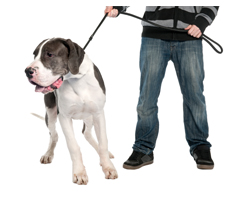
How to Train Your Dog to Come to You

Come When Called
Bigandt/Deposit Photos

Does your dog ignore you and run off? View part 1 of our “Come When Called” series, which will teach you how to:

  • Perform an emergency recall
  • Call your dog indoors from the backyard
  • Call your dog back to you around distractions (squirrels, etc.)
  • Teach multiple dogs to come back to you
  • Fun games

Directions

  • View first video and practice homework for seven days.
  • View second video and practice homework for seven days.
  • View third video and practice homework for seven days.
  • View fourth, and final, video.

Each video contains tons of information, so rewind and watch several times. Bookmark for easy future reference.

What you will need:

  • Delicious treats the size of a pea
  • Six-foot leash
  • Flat buckle collar or body harness
  • Clicker

Note: Always enroll your dog in a group dog training class. This video should not be used in place of dog training class attendance.

WATCH: Come When Called Part 1: Intro

NEXT: Come When Called Part 2: Adding Distance to “Come” Cue
Filed Under: Dogs, Training Tagged With: clicker training, dog training, dog training advice, Dog Training Tips, dog training video, how to train a dog, how to train a dog to come, how to train a puppy, how to train your dog, how to train your puppy, information about dogs, obedience training, perfect dog, puppy training tips

How to Train Your Dog Around Distractions

August 12, 2014 by Fanna Easter

Training Your Dog
Learn how to train your dog around distractions.

Training Your Dog for Distractions

Teaching your dog a new behavior is the easy part! The tough part is practicing your new behavior around many distractions. 🙂

I think it was Bob Bailey saying, “10% of a new behavior is teaching your dog how to do the behavior. 90% is practicing the new behavior around distractions.”

When a pet parent says, “My dog does not listen at the park,” this means more practice at the park.

How to Train Your Dog

  • Attach a leash to your dog. 🙂
  • Have a party. Show your dog you are the best and most fun thing around.

o   Carry the best treats ever! The really good stuff.

o   Reward your dog every two seconds, especially if in a high distraction area, such as a park.

o   Use high-pitched tones, such as clapping or verbal “puppy puppy puppy.” It’s best used when dog is distracted. The sound will draw his attention back to you, so click/treat!

o   Move away from your dog really fast. Your fast movement is fun and will bring your dog’s attention back to you!

o   Keep a hidden tug toy that may pop out for impromptu games. Rotate between treats and tug game if your dog likes to play too!

  • Start slow. Ask your dog to stay for two seconds instead of 2 minutes in a new situation. Always set your dog up for success or you’ll create a confused dog.

Measuring Success

When training your dog around distractions, what does good look like? When your dog will perform a cue 90% of the time. This means, you say “sit” and your dog immediately (within 2 seconds) puts his behind on the ground 9 out of 10 times. Move to the next step. 🙂

If your dog struggles to reach this criteria, you are moving too fast. Go back one or two steps and try again. This is not your or your dog’s fault. This usually means your dog is too distracted by the distraction. Move slowly and only move to the next step when your dog is successful.

Distraction Check List: Ready, Set, Go!

Begin practicing new behaviors around distractions in the below order. By following each step, your dog will learn to respond to cues quickly!  

  1. Your Home
    1. Hallway
    2. Kitchen
    3. Living room with TV playing
  2. Outside Yard
    1. Outside yard with kids playing (On leash)
    2. Outside yard with kids playing (Off leash)
    3. While squirrels are playing (On leash)
    4. While squirrels are playing (Off leash)
  3. In Car
  4. During Dog Training Classes
  5. Vet’s Office
    1. Waiting area (no dogs -> 1-2 dogs -> several dogs)
    2. Inside vet’s exam room
    3. While vet is examining your dog
  6. Walking Along Your Street: Always on Leash
    1. With no one in park (late evenings work best)
    2. While other people are walking around
    3. Dogs walking past you and your dog
  7. In a Park: Always on Leash
    1. Begin far away from any distractions
    2. Move 5 feet closer to distractions (maybe it’s a walking trail with people and dogs)
    3. Move even closer (another 5 feet)
    4. Practice 3 feet from walking trail
    5. Practice on walking trail
    6. On trail with other people
    7. On trail with other people and dogs
    8. 15 feet move children playing (move until dog will perform cue within 3 feet of children’s play area)
  8. Around Guests
    1. On leash
    2. Off leash

Dog training is like long division mathematics. When you stop practicing, you forget how to do it. Keep practicing and reward often! Happy training!

Now it’s your turn! What other distractions would you add to the list above?

READ ALSO: Come When Called Part 1: Intro

Filed Under: Dogs, Training Tagged With: clicker training, dog behavior, dog training, dog training advice, Dog Training Tips, how to train a dog, how to train a puppy, how to train your dog, how to train your dog around distractions, how to train your puppy, puppy training tips

Is Your Dog Confused?

August 4, 2014 by Fanna Easter

Confused Dog: Dog Training Tips

Confused Dog
Huh? What do you want?

If you’re wondering whether or not your dog is confused, the answer is probably yes!

I will say it: it’s our fault when a dog becomes confused. We didn’t give clear instructions. Many teachers are quick to blame their students, but it’s not the students’ fault when they make mistakes. The teacher wasn’t clear enough for the students to understand. Students must be successful within 1-2 attempts. If not, they will become confused.

Don’t allow your dog to make mistakes. If he doesn’t understand within 1-2 attempts, stop and make the next attempt easy. Mistakes are part of the learning process, but too many mistakes cause frustration, which stops the learning process.

What does a confused dog look like?

Confused dogs display many signs, such as:

  • Become hyperactive
  • Ignore you and their high value treats
  • Startle easily
  • Bark or lunge at other dogs
  • Lay on the ground and totally ignore you

During group dog training class, when I notice a confused dog, the owners are usually very frustrated at this point. They feel the dogs are blowing them off. I gently explain their dogs are simply confused and they should take a break. If you keep pushing, your dog will shut down completely, and we never want to get this far ever.

What should I do?

When you have a confused dog, remain still and drop 10 treats on the ground for your dog. Take 5 deep breaths and relax for a few minutes. Continue relaxing until you and your dog feel better. Pushing, pulling, tugging or yelling will only make the situation worse.

In a few minutes, your dog will look up at you, so smile and ask your dog to “touch.” Touch is an easy cue, which sets your dog up for success immediately. We all like small wins, right? Now, you and your dog are feeling much better, so you can get started again.

VIDEO: Teach the “Touch” Behavior

How to Prevent Confusing Your Dog Again

  • Use treats your dog loves! Confused dogs are more forgiving if you’re using fabulous treats. 🙂
  • Take lots of breaks: Let your dog drink some water, enjoy a quick play session in the backyard or let him sniff outside. Meanwhile, you should sit and relax, drink some water, or read the paper.
  • Keep dog training sessions short: Think 1-2 mins.
  • If your dog becomes confused and isn’t successful within 2 attempts, this means it’s too difficult for him to understand. End the dog training session with an easy behavior, such as “touch.”  Then, try to simplify the behavior further by breaking it into smaller sections.
    • Example 1: Your dog will stay until you step away. This is normal, as your dog has learned that your movement means he’s moving too.
    • Instead of stepping away, shift your feet while remaining in the same place.
    • When your dog is successful, take one step back and then one step forward, and so on.
    • Move at your dog’s pace until he learns “stay” means to remain in this spot while you walk away.

Prevent Learned Helplessness

Learned helplessness is when your dog shuts down, meaning he’s become so discouraged. Make sure to listen to your dog.

It’s your turn! When does your dog become confused?

READ ALSO: Leash Corrections & Leash Pops Don’t Work

Filed Under: Behavior Tagged With: clicker training, dog behavior, dog training, dog training advice, Dog Training Tips, how to train a dog, how to train a puppy, how to train your dog, how to train your puppy, obedience training, puppy training classes, puppy training tips

Supervised Dog Tethering

July 29, 2014 by Fanna Easter

Tethering Dogs

Supervised tethering is an invaluable dog training tool and can be used for potty training and teaching your dog new skills, such as calm behavior.

Dog Tether
What a good boy!

What is Supervised Tethering?

Tethering means to connect a dog to a stationary object (wall mount, your body or heavy furniture) using a 4- to 6-foot leash. Supervised tethering means you are always able to visually watch your dog.

  • Connect to dog. Attach tether to dog’s flat buckle collar or body harness. I prefer using a body harness so the dog is comfortable. Never use a slip collar, which can choke your dog.
  • Tether. Use non-chewable materials, such as cable cord or thin chain leashes with a snap on one end and hand loop on the other end. Long tethers (longer than six feet) are cumbersome, tangle easily and become caught on furniture.
  • Stationary Object
    • Wall mount. Chose an eye hook mount and drill in a wall. Always drill into a wall stud for maximum strength.
    • Heavy piece of furniture, especially useful if you are sitting on it, which provides additional weight.
    • Your body. Try leash around your waist or tether to a belt loop. I prefer to use a hands-free leash combo, which attaches the leash to a built-in belt designed to fit most people.

How to Use a Tether

You’ll need a clicker, lots of yummy pea-sized treats, your dog’s favorite chew stick or a food stuffed toy.

  1. Click/treat while snapping the tether to your dog’s harness. Your dog learns it’s fun to be tethered.
  2. Reward your dog when the leash is loose (he is not pulled against the tether).
  3. When tethered, always provide a favorite chew stick or food stuffed toy so your dog learns that tethering means yummy stuff!
  4. If your dog barks or whines while wearing his tether, ask him to sit instead and unsnap the tether. Never unsnap a tether when your dog is barking or whining. He will learn to bark and whine until you remove the tether. 🙂
  5. When your dog is tethered to you, call his name before you begin moving. This will teach your dog to focus attention (by using his name) and prevent you from pulling your dog around.

For safety concerns, never leave your dog alone when tethered (either indoors or outdoors).

  • When left alone, your dog can chew through the tether and escape.
  • Tethers can wrap around your dog’s body and cause major damage. I’ve witnessed dogs jumping over furniture and hanging themselves.
  • When leaving your dog alone, put him in his crate with a food stuffed toy.

When to Use Supervised Tethering

Potty Training

  • Pet owner learns puppy’s cue for “I need to potty”: If your puppy becomes squirmy or stares at you, bring him outside. Your puppy will learn to cue you by staring at you that he needs to potty.
  • Tethering provides supervision, which prevents your puppy from wandering off and pottying in inappropriate places.
  • Tether dog while everyone is in the same room, such as eating in the dining room or watching a movie in the family room. This prevents potty accidents, your dog wandering off and your dog chewing on inappropriate objects.
  • I recommend tethering in conjunction with crate training. When I leave, my dogs are in their crates. When I’m home and need to supervise a puppy, I tether him to me or furniture. This provides plenty of opportunities to learn calm behavior outside of his crate.
RELATED: Housebreaking a Puppy

Teaching Self-Control (It Pays to Be Calm)

  • When watching TV, tether your dog near you, preferably to the chair you are sitting in.
  • Click and treat when dog is calm, chews on his favorite chew stick or enjoys a food stuffed toy.
  • If your dog gets up and pulls on the tether, ignore him. When your dog stops pulling on the tether, click and give him a treat.
  • Every night, while watching TV, tether your dog, so he will learn to settle down while you are settling in for the night too. 

Multiple Dog Environments

  • One dog harasses the other dog: Tether the dog doing the harassing dog. This works perfectly for a young puppy, which constantly harasses an older dog.
    • Example: Sobek (large puppy) would chase Stella (small adult dog), trying to elicit a play session. Stella refused to play and preferred a nap instead. I tethered Sobek to my chair, provided him a wonderful food stuffed toy and clicked/treated when he did not pull on his tether. Sobek learned calm behavior is more rewarding than harassing Stella for a play session. Plus Sobek learned to enjoy being calming instead of relishing the excitement of hyperactivity!
  • Two hyperactive dogs: Tether both dogs. However, separate them by tethering them across the room from each other. Use visual barriers, so they cannot see each other. Examples of visual barriers could be furniture, a person sitting in between, etc.

More Tethering Options

  • Tether your dog while eating dinner. This will eliminate begging at the table.
  • If your dog likes to dash out an open door, tether him.
  • Your dog bugs you for attention, tether him.
  • Dog jumps up on guests, tether him.

Are Tethers Forever?

Nope! Tethers are a tool used to teach your dog polite behaviors. Once your dog learns how and can remain calm, then discontinue use of tethers. Dogs should earn privileges, which means if they remain calm, then no tether. If they begin harassing a resident dog or sneaking off and causing mischief, they are tethered until they learn calm behavior pays.

Now it’s your turn! How can you use tethering to teach polite behaviors? Comment in the section below. I want to hear from you!

You may also like: Puppy Biting

Filed Under: Dogs, Training Tagged With: clicker training, dog training, dog training advice, Dog Training Tips, housebreaking a puppy, housebreaking an older dog, how to potty train a dog, how to potty train a puppy, how to tether train a dog, how to tether train a puppy, how to train a dog, how to train a puppy, hyper dog tips, indoor tether, puppy training, puppy training tips, supervised tethering, tether dog training, tethering a dog to you

Dog Trainer Karen Pryor

June 23, 2014 by Fanna Easter

Dog Trainer Karen Pryor pictured with Certified Dog Trainer Fanna Easter
Karen Pryor and Fanna Easter pose for a photo at ClickerExpo 2014.

As a dog trainer, Karen Pryor brought clicker training to the industry of dog trainers in the mid-1980s. Her background comes from a career in marine mammal biology and behavioral science. More than 40 years ago, Karen pioneered force-free training methods for animals by using a clicker and a guide stick as a means to training animals, specifically dogs, with positive reinforcement training methods.

Karen has done remarkable things in the industry, not only for dog trainers, but she has also done cognitive research of many species of animals.

She is an accomplished author of many books and research papers, including her infamous book “Don’t Shoot the Dog.”

She began by training dolphins using a whistle and soon figured out that she wanted to bridge her dolphin training experience with other applications, such as dog training.

Karen Pryor on Training Animals

In the training video below, Karen Pryor explains the simplicity of using  positive reinforcement training to train her beta fish. She demonstrates how these techniques can be used to train just about any animal with a marker, target object and training treat.

VIDEO: An Introduction to Target Training a Fish!

“Don’t Shoot the Dog” was published in 1984 and quickly changed the landscape of the dog training industry. What dog trainers refer to as clicker training was adapted from an application of Animal Behavior Analysis invented and developed by Keller Breland, Marian Breland Bailey, and Bob Bailey.

Dog Trainer Books by Karen Pryor

Karen Pryor has published 21 unique works throughout her career, including:

  • “Clicker Training for Dogs” (1999)
  • “Getting Started: Clicker Training for Dogs” (2001)
  • “Click To Win: Clicker Training for the Show Ring” (2002)
  • “Getting Started: Clicker Training for Cats” (2003)
  • “Click Tricks: 10 Fun and Easy Tricks Any Dog Can Learn” (2010)

VIDEO: Cat Clicker Training in Action

She continued to blow the dog training world away with “Reaching the Animal Mind.” According to ClickerTraining.com, the book “describes how to bring out the undiscovered creativity, intelligence, and personality of the animals in our lives.” She expanded the first edition of “Don’t Shoot the Dog,” and went into a much deeper level on how animals learn in her revised edition of “Don’t Shoot the Dog – The New Art of Teaching and Training.”

She has spoken all across the globe about the neurobiology and behavior science, including a lecture she gave during a TagTeach seminar in 2012.

You may also like: Clicker Training

Filed Under: Clients, Training Tagged With: clicker, clicker training, dog clicker training, dog trainer, how to train a dog, how to train a fish, karen pryor

  • « Previous Page
  • 1
  • 2
  • 3
  • 4
  • Next Page »

About

Dog Training Nation is a community of dog trainers, dog owners and dog lovers. Our mission is to provide trainers and owners valuable information to enrich dogs' lives. We cover a range of topics, from socializing puppies to dealing with aggressive dog behavior to selecting the best dog products. It is our hope you share our content to make the dog and owner world a better place.

​

Facebook

Video

Dog Training Nation is a dog training blog for pet owners and dog lovers. We cover a range of topics from puppy socialization tips to dog aggression to dog health. It is our hope you share our content to make the world a better place for dogs.

Dog Training Nation

Quick Links

Dog Training
Dog Behavior
Dog Training Videos
Become a Dog Trainer
About
Contact Us

Copyright © 2026 · Lifestyle Pro Theme on Genesis Framework · WordPress · Log in