Dog Training Nation

In Dogs We Trust

  • Home
  • Training
    • Dogs
    • Puppies
    • Clients
  • Behavior
    • Breeds
  • Health
  • Safety
  • Resources
    • Equipment
    • Books
  • Dog Training Videos
  • About
You are here: Home / Archives for dog aggression

Is Your Dog Aggressive When Startled?

December 29, 2017 by Fanna Easter

Help for Dogs That Become Aggressive When Startled
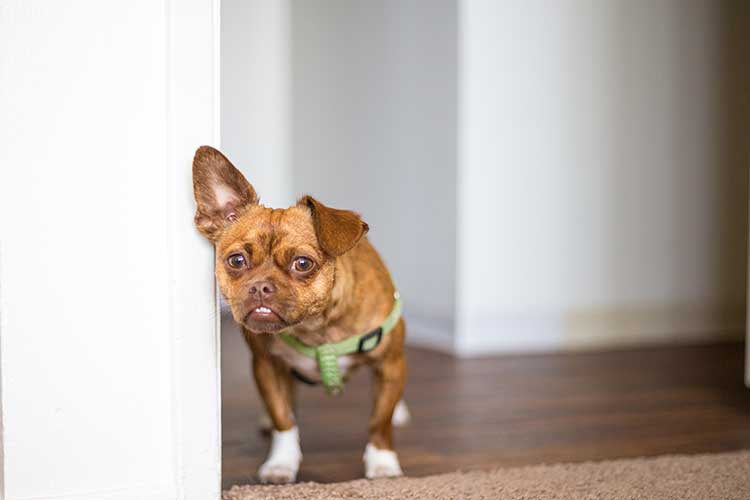
Dog Startles Easily
Kateryna/Adobe Stock

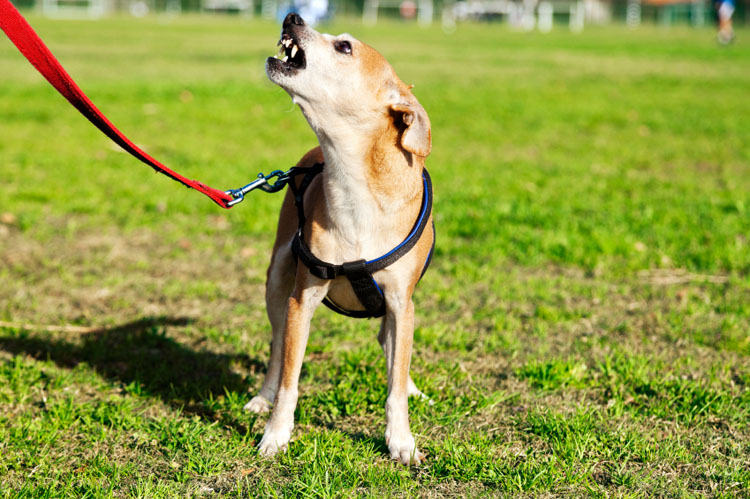
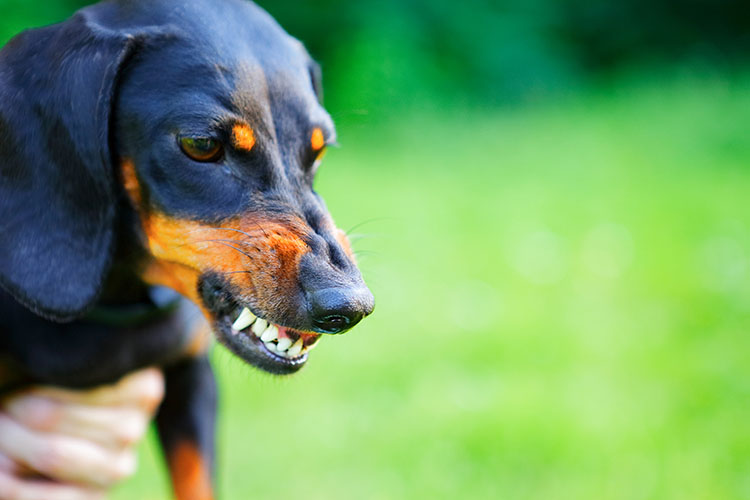
Being startled is a normal response when someone or something surprises you from around a corner, when someone suddenly walks through a doorway, or when you hear a scary sound. When most dogs are startled, they will jolt, bark or freeze, and then recover within a few minutes. However, there are some dogs that will panic and react by lunging forward, charging, barking and growling. These dogs have a difficult time recovering from being startled; it can take hours for them to recover. If your dog is aggressive when startled, it’s time to change her behavior.

Why Some Dogs Lunge or Charge When Startled

No one enjoys being startled; it’s scary and it can cause anxiety if it happens often. If a dog is severely startled, it can dramatically change the dog’s behavior around the thing that initially startled him.

As an example, if a strange dog startles your dog by running up to him during walks, your dog can easily become afraid of other dogs approaching. Think about it from a human perspective: If a scary clown suddenly appears in your living room, you’ll learn to dislike clowns and walk cautiously through your living room for a while.

Many anxious dogs, when startled, will charge forward, lunge, growl and even bite someone when startled. Anxiety is a key component. For some dogs, their anxiety triggers an excessive response when startled. Some dogs will react this way even when startled by their pet owners or family members. When this happens, it’s scary for everyone, including your dog. Think about it this way: Some humans react aggressively and start punching or kicking when startled while others just jump and recover quickly.

How to Change Reactive Startled Behavior

When practicing this behavior, the goal is not to startle your dog. Instead, pair something yummy with previous scary experiences slowly to change your dog’s perspective of this scary experience. Remember, when pairing good things with scary things, your dog learns that scary things make hot dogs appear.

Most dogs startle when someone walks into a room while they are sleeping. If your dog jumps up and lunges in this situation, then it’s time to change her behavior. Be prepared next time; stand sideways (face and front of body turned away from the dog) in the doorway, and softly say your dog’s name or “hello.” When your dog wakes up, toss chunks of cheese or hot dogs toward your dog. Practice this several times a week, and soon your dog will wag gently when you say “hello” or walk into a room.

When to Get Help

If your dog is anxious and has a difficult time settling down, or has hurt someone when startled, it’s time to get help. Locate a veterinary behaviorist in your area as well as a professional dog trainer who specializes in dog anxiety and only uses positive reinforcement training protocols. While your veterinarian can prescribe anxiety medication for dogs, it’s best to leave dog anxiety medication recommendations to a veterinary behaviorist.

Filed Under: Behavior Tagged With: dog aggression, dog aggressive when startled, dog aggressive when woken up, dog attacks when startled, dog becomes aggressive when startled, dog behavior, dog fear aggression, dog is mean when scared, dog startles easily, dog trainer, dog training, Dog Training Tips, fear aggression in dogs, how to teach a dog, how to train a dog, teaching a dog, training a dog

Reasons for Sudden Aggression in Dogs & How to Fix It

July 29, 2016 by Fanna Easter

Sudden Aggression in Dogs

Sudden Aggression in Dogs
sae1010/iStock

When your friendly and easy-going dog suddenly attacks another dog, child or you, it’s an extremely terrifying and confusing moment. Many pet owners wonder what exactly caused their dog to growl, snap or bite. The answer isn’t always clear. One thing’s for sure is if you witness sudden aggression in your dog, you need to address it immediately.

Why is My Dog Suddenly Aggressive?

We all want to understand why our dogs suddenly become aggressive because if we can identify the cause, we can fix it. Sometimes, the cause of aggression in dogs is pretty obvious and other times we have to dig deep to find the real reason our dogs acted out. Below are a few reasons on why a dog may suddenly growl, snap, lunge or bite. If you’re still unsure of the cause, partner with a dog trainer and veterinary behaviorist to resolve this bad dog behavior.


Please remember: Never allow children (or anyone, really) to sit on, ride, tease, pinch, pull, poke at any part of a dog’s body, roughly pet, throw something at, run toward, hit, scream, kick or step on a dog. Doing this will certainly cause pain or scare a dog, which will cause aggression.


Pain

Dogs are stoic creatures. It’s unbelievable how dogs can mask excruciating pain. When dogs are in pain, they’ll growl, snap or bite if you touch a painful area; it hurts! On the other hand, if your dog hides, constantly pants, drools, limps, licks a specific area, whines when moving or remains still, he’s likely in pain as well. If you suspect your dog is suffering, bring your dog to a veterinarian immediately. Then, conduct a family meeting to explain that physical petting and cuddling your dog is painful for him now, so give your dog space until he feels better.

Scared

Dogs get scared more than their pet owners know. Many dogs are frightened when a new person touches them, visits their home, yells at them, physically hurts or punishes them (i.e. hitting, collar correcting, pushing) and so forth.

For professional dog trainers, it’s pretty easy to know when dogs are scared. You’ll notice a dog is scared when his body language changes quickly, ears flatten back, tail tucks, eyes widen, and body stops moving and freezes or leans away from whatever is scaring him.

Some dogs will even growl, which may translate to “please leave me alone,” “stop doing that,” “this is freaking me out,” “if you don’t stop, I will run away or hurt you,” or “I’m scared.” Always listen and respect your dog’s growl. If you punish or ignore a dog for growling, your dog will escalate his warning to an air snap or bite. When your dog growls, he’s begging you to stop scaring him.

Resource Guarding

Dogs love their resources. They love toys, food in their bowl, chewies, treats, cozy spaces and even their pet owners. Some dogs will guard their resources fiercely. You can see this in action when you walk next to or touch your dog’s beloved resources. You’ll notice your dog will either hover over the item, freeze, growl, snap or bite.

In the dog training world, we call this resource guarding. Do know, resource guarding is a completely normal dog behavior. Those that guard their resources survive. Although it can be scary if resource guarding occurs in your home, especially around other dogs and small children.

RELATED: My Dog Steals Food From Children

Never punish your dog for resource guarding. You’ll make the situation much worse. Instead, teach your dog or puppy that trading his favorite items for super yummy treats is rewarding. Check out additional details on eliminating resource guarding behavior.

Personality

This one is usually a shocker. Many pet owners either refuse to accept their dogs aren’t friendly or completely misread their dog’s behavior. Once, many years ago, a pet owner insisted I hold her growling small dog during a behavior consult. This 8-lb dog was firmly nestled in his pet owner’s arms and as the owner approached me, her dog growled, flashed his teeth and sneezed/snorted. Of course, I backed away, but the pet owner insisted her dog was only “smiling” at me.

Long story short, we had a discussion on interpreting her dog’s body language, which completely stopped all of her dog aggression issues. If only all consults were that easy. 🙂

Here’s the truth: many dogs just don’t like meeting new people or dogs, and that’s OK. If your dog doesn’t like it, then please stop introducing him to strangers (i.e. other dogs, children) and accept it’s part of your dog’s personality. If you’re not sure whether or not your dog is friendly, please seek advice from a professional and experienced dog trainer.

What Should You Do Next?

Remember, it’s very important to find the reason for your dog’s sudden aggression because then it can be addressed.

Steer Clear of Triggers

Keep your dog away from whatever caused his sudden burst of aggression until your dog is seen by a veterinarian. Use sturdy baby gates and crates to keep your dog safely confined when guests come over or when children are playing. If your dog is aggressive toward another dog, keep all household dogs separated and stop allowing your dog to visit other dogs.

RELATED: Multiple Dog Household Tips

See Your Veterinarian

Always start with ruling out any and all medical issues. If your dog is in pain, a complete veterinary exam, blood work, X-rays and additional diagnostics should discover the cause of your dog’s pain and sudden aggression.

If pain isn’t causing your dog’s aggression, then ruling out illness is extremely important. Seizures, low or high thyroid levels, anxiety, and chronic illnesses can cause sudden aggression in dogs to happen, so always see a veterinarian first.

Find a Professional Dog Trainer

Once medical issues have been completely ruled out by your veterinarian, it’s time to find a professional dog trainer. If your dog has bitten someone or another dog, you need help from a veterinary behaviorist first and then follow up with a dog trainer. Check out these tips on finding an experienced dog trainer who specializes in dog aggression as well as locating a veterinary behaviorist. These articles will help you narrow your search quickly.

Sometimes, it’s difficult figuring out the exact cause for sudden aggression in dogs, but keep digging and work with a positive reinforcement dog trainer.

Filed Under: Behavior, Dogs, Safety, Training Tagged With: causes of dog aggression, causes of sudden dog aggression, dog aggression, dog suddenly aggressive to people, dog training, Dog Training Tips, how to teach a dog, how to train a dog, my dog bite my child, my dog suddenly bite my dog, sudden dogs aggression, teach a dog, train a dog

Reactive Dog Resources You Need to Get Started

June 24, 2016 by Fanna Easter

Reactive Dog Resources

Reactive Dog Resources
alexandrshevchenko/iStock

As a reactive dog owner, you should stay up-to-date on reactive dog resources and training tips. Dealing with a reactive dog can be difficult, which is why you should seek help from qualified professionals who will provide support, listen to you throughout the entire process, use positive reinforcement training and provide results.

While positive results are important, teaching you how to handle a stressful situation quickly and how to positively change your dog’s behavior is much more valuable in the long run. If you’re looking for answers, check out these resources below. You’ll find plenty of reactive dog resources and dog training solutions. 🙂

RELATED: 5 Reactivity and Aggression Tips That Will Make Your Life Easier

Veterinary Behaviorists

Finding a veterinary behaviorist should be the first step pet owners take when dealing with a reactive dog, but unfortunately many pet owners seek these professionals as a last resort. A veterinary behaviorist is a veterinarian who’s board certified in animal behavior. These professionals treat reactive dog cases every day. Plus, they’re up-to-date on the latest behavior protocols, tests and medications. To find a veterinary behaviorist in your area, check out American College of Veterinary Behaviorist.

If you’re fortunate to live near a veterinary behaviorist, it’s worth scheduling an appointment with that person face-to-face. Now, some pet owners aren’t that lucky. If you’re unable to speak directly to a vet behaviorist, do know that all veterinary behaviorists will consult with your regular veterinarian by phone. There are so many benefits to bringing a veterinary behavior expert into the mix. For example, she can recommend a local qualified dog trainer and point you in the right direction.

Qualified Dog Trainers

Not all dog trainers are qualified to work with reactive dogs; actually, most of them aren’t qualified. Keep in mind there’s no such thing as an animal behaviorist. This is a made-up term in the dog training world. Anyone can call herself an animal behaviorist, as there’s no certification or requirement to do so.

When searching for a qualified dog trainer, you can ask your veterinary behaviorist for a referral. In most cases, she’ll know local dog trainers who have experience working positively with reactive dogs. Seek a dog trainer who is Behavioral Adjustment Training (BAT) certified. These dog trainers know how to use counter-conditioning and desensitization for reactive dog training, and they clearly explain their process to pet owners.

If your veterinary behaviorist doesn’t know of any dog trainers in your area and you’re unable to find a BAT-certified dog trainer nearby, then I suggest searching for a professional dog trainer who specializes in dog reactivity or aggression. The dog trainer you choose should have a minimum of 5 years of experience—not counting school—because it takes years of hands-on experience and continuing education to learn how to successfully change a reactive dog’s behavior.

Check out Karen Pryor Academy of Dog Trainers, Pet Professional Guild, International Association of Animal Behavior Consultants (IAABC) and Animal Behavior College.

RELATED: How to Choose a Good Dog Trainer

Books & DVDs

There are a ton of books that discuss dog behavior and dog reactivity, but many are too difficult to read. I’ve compiled a few must-have books for reactive dog training below. Each book is different and reading them all will help you interpret dog body language and understand why reactive dogs act a certain way and how to change their behavior.

“Calming Signal – What Your Dog Tells You” by Turid Rugaas

This easy-to-read booklet gives you the foundation to both successfully interpret your dog’s body language and change his behavior. If you can’t identify when something bad is about to happen, you can’t prevent it from happening.

“Feisty Fido: Help for the Leash-Reactive Dog” by Patricia McConnell and Karen B. London

This quick read will teach you the importance of an emergency U-Turn as well as how to handle situations when your dog reacts.

“Behavior Adjustment Training 2.0: New Practical Techniques for Fear, Frustration, and Aggression” by Grisha Stewart, M.A., CPDT-KA

This book, which also comes in a DVD set, will teach you how to change your dog’s behavior. Now, this book will be a bit challenging to read for most pet owners, so I highly recommend referring to this book when working with a veterinary behaviorist and qualified dog trainer.

Hopefully, these reactive dog resources will help you get started in your quest for answers. Good luck on your journey. Many of us have taken it with great success. 🙂

Filed Under: Behavior, Books, Clients, Resources, Training Tagged With: dealing with dog aggression, dog aggression, dog aggression tips, dog barks at other dogs, dog barks at people, dog dislikes other dogs, dog dislikes people, dog lunges at other dogs, dog lunges at people, dog trainer dog aggression, dog training, Dog Training Tips, help for dog aggression, help for dog reactivity, how to teach a dog, how to train a dog, stop dog aggression, teach a dog, train a dog

Can You Stop Dog Aggression?

May 26, 2016 by Fanna Easter

How to Deal With an Aggressive Dog

Stop Dog Aggression
Eldad Carin/iStock

Within the dog world, dog aggression is an extremely controversial topic. Not only is this topic hotly debated among dog trainers, but it’s also an explosive topic within the dog rescue world too. Many experts have strong lines drawn in the sand on both sides, so it’s become extremely difficult for pet owners of aggressive dogs to seek concrete answers. I’ll give my honest opinion as a professional dog trainer who has intimately worked with dog aggression cases for more than 20 years.

Aggression in Dogs Never Really Goes Away

It’s true, you can’t stop dog aggression completely. While this seems like grim news, it’s important for pet owners to understand that dog aggression never goes away. Once pet owners are empowered with this knowledge, they can positively change the majority of their dog’s aggressive behavior. However, they must know that aggression will always linger. With that said, pet owners shouldn’t become discouraged. They can certainly teach their dog to react differently in certain situations, but they must have realistic expectations.

Living in a reactive world is a tough path to follow, and I don’t believe dogs enjoy living in a constant state of anxiety, panic and fear. Anxious dogs learn that aggression works to stop a scary behavior from happening. Or they become so anxious, they just freak out and panic. Do know, aggression in dogs is genetic too. If a puppy’s parents and grandparents were fearful or reactive, there’s a high chance the puppy will be predisposed to reactivity.

Can We Rescue All Aggressive Dogs?

I don’t believe you can. Some dogs just can’t fight their anxiety demons and become a danger to society. It’s a horrible decision to make, but sometimes releasing these precious souls from their ever-haunting demons is the best thing we can do.

Have Realistic Expectations

Pet owners of aggressive dogs are probably wondering what exactly to expect from their aggressive dog during and after behavior protocols. Honestly, that’s a fair question.

Before I get into specifics, do know I’m speaking about realistic expectations for the majority of dogs. A small percent of dogs will blossom into friendly extroverts, but that’s a rarity. For the most part, the majority of aggressive dogs can successfully learn to offer a different behavior when they’re face-to-face with a trigger (i.e. thing that causes a dog to react). However, it takes time for an experienced dog trainer to coach an aggressive dog and lots of practice in a multitude of situations while keeping a safe distance away.

RELATED: When Dogs Wag Their Tails, Are They Happy?

How to Deal With Dog Aggression

Dog Aggressive Toward Other Dogs

  • If a dog has been aggressive to other dogs, don’t expect him to enjoy playing with other dogs. The dog has been pretty clear in letting you know he doesn’t like other dogs, so listen to him. 🙂
  • Never allow a dog that has been aggressive to other dogs off leash to greet another dog. If this happens, you’re playing Russian roulette with the other dog’s life, which is cruel and punishable by law.
  • Expect your dog to politely ignore another dog from a safe distance, and your dog to determine that distance. Honestly, that’s a huge win in my book, especially if a dog constantly barks and lunges every time he sees a dog anywhere.

Dog Aggressive Toward Humans

  • It’s important to understand that a dog aggressive toward humans will never become a gregarious greeter.
  • If your dog has been aggressive to men, women or children, don’t expect him to enjoy interactions with people. You may need to crate your dog in another room, away from guests, which is what your dog wants. It’s not worth unraveling all your hard work due to a scary encounter with a person, which will likely end up with a dog bite.
  • Never force a human aggressive dog to meet people; you will only make it worse. Most fearful dogs will run away, which is a good thing! When a scared dog is unable to get away from a scary situation, he will likely bite, which can permanently damage a person and is punishable by law.
  • Do expect your dog to politely ignore a person from a safe distance, and understand your dog determines that distance with lots of practice.

Pet owners should stay away from false promises and unrealistic expectations from using specific aggressive dog training methods. There are no guarantees in dog training just like there are no guarantees in permanently changing human behavior. Some people will always be afraid of spiders, snakes, heights or dark rooms, but they learn to cope around those triggers.

Don’t Be Fooled By Shut Down Dogs

Just turn on your cable TV and watch a famous dog trainer punish a dog until the dog shuts down. While it looks like the dog is learning to tolerate humans or other dogs, he’s actually learning to shut down around these triggers. You may think “shutting down” is good right? The dog stops doing the behavior, so he must be fixed right? You’re wrong.

Shutting down is a false sense of hope that never lasts, and it’s cruel to dogs. If I punished a person so harshly that he rolled up into the fetal position while spiders crawled over his body, he’s not learning to not be afraid of spiders. Instead, he’s shutting down. He’s learning that spiders are truly horrible creatures, and his fear will become worse. If you’re afraid of strangers, can you imagine being punished harshly and frequently until you allow a stranger to touch you? That’s how a shut down dog feels, and that’s an awful way to live.

When Aggression Does Rear Its Ugly Head

Dogs (and people) can learn to tolerate and react differently (instead of freaking out) around their triggers, but if a scary thing sneaks up on them, they will usually revert back to old behavior. If a dog or person suddenly rounds the corner or pops up in your dog’s face, your dog will likely react. If you allow a dog aggressive dog to meet another dog, your dog will react. If you insist someone greets your human aggressive dog, he will react. Distance is your friend here, so use it often to prevent aggression from rearing its ugly head.

Most aggressive dogs can learn to react differently—they’re actually relieved to have options when it comes to dealing with their triggers. Just never push your dog into a situation he’s unable to handle.

Filed Under: Behavior, Dogs, Training Tagged With: can you cure dog aggression, can you fix dog aggression, can you stop a dog from being aggressive, can you stop a dog from biting another dog, can you stop dog aggression, dog aggression, dog behavior, dog hate children, dog hates other dogs, dog hates people, dog on dog solutions, dog training, Dog Training Tips, how to teach a dog, how to train a dog, teach a dog, train a dog

Causes of Dog Aggression

January 20, 2016 by Fanna Easter

Dog Aggression: What Are Triggers?

Dog Aggression
Eldad Carin/iStock

If your dog is fearful or aggressive toward anything, it’s extremely important to understand the object that triggers your dog’s reaction. You need to determine the small triggers that cause your dog to react and pair those dog aggression triggers with good things. Sound tricky? It most certainly can be, so I highly advise finding a professional dog trainer with lots of reactive dog experience.

What are Triggers?

Triggers are anything in your dog’s environment that cause your dog to react. Triggers are usually a sight, sound, smell or a combination of all three. Reacting means your dog reacts negatively toward a trigger; he either freezes, lunges, barks, backs away or starts fooling around (i.e. sniffing the group excessively, biting the leash, etc.).

Examples of triggers for most dogs:

  • Jingling of dog ID tags (indicating another dog is close by).
  • Barking dog (indicating another dog is close by).
  • Sight of a dog from a distance.
  • Smell of a dog (this one is hard for us to identify).
  • Person running behind or past during walks.
  • Fast-moving cars zooming past.
  • Approaching person.
  • Plastic bag floating through the wind.
  • New object (trash can, sign, new furniture) appears.
  • Bearded man walking with an umbrella.

Basically, triggers can be anything.

How to Identify Your Dog’s Triggers

If your dog has been reactive for some time, you probably have a pretty good idea what causes him to negatively react. However, it’s important to narrow down the trigger that sends your dog into a barking frenzy.

Many times, pet owners describe their dogs’ trigger as “seeing another dog,” but you need to narrow this down even further. How far away is the other dog before your dog reacts? Some dogs will look at other dogs calmly about 50 feet away, but when the other dogs move closer, the dog starts reacting. In this case, the specific distance between the dog and other dogs is the trigger.

Many times, reactive dogs react to sounds. Reactive dogs will freak out over the sound of jingling ID tags, four feet scampering in the distance or dogs barking. These sounds alert reactive dogs that a dog is nearby, so they better get ready to fight or flee.

Power of Triggers

Once your dog’s triggers have been identified, it’s time to start building positive associations with them. Super yummy treats should be given the moment your dog experiences a trigger, but of course always from a safe distance. If your dog reacts around other dogs or people, never allow your dog to meet them ever.

If your dog alerts or barks at jingling ID tags, then give him a treat as you’re jingling his tags. If it’s the ID tags of other dogs, borrow your neighbor’s dog’s tags. Remember, treats should be given the moment you start jingling ID tags.

For dog barking triggers, give your dog several yummy treats while a dog barks far away in the distance. Start with very far-away barks, then slowly work toward dogs barking down the street, next door and so on.

Get Help

So many pet owners try to manage dog reactivity, including dog aggression, on their own. I know you don’t want to hear this, but I’m being totally honest, you won’t get great results unless you seek professional help. As someone who works with reactive dogs for a living, I still need someone to confirm certain triggers; it’s impossible to narrow them down by myself.

Please find a dog training professional who only uses positive reinforcement methods. Punishment never works with anxiety or aggression; it’ll just make it much worse. If you’re afraid of heights and I scream and slap at you while you’re standing on the roof of a tall building, I don’t think that would help your fear. You would probably snap back at me, so please never use punishment-based methods.

Good luck and set yourself up for success by finding a professional.

Filed Under: Behavior, Dogs, Training Tagged With: dog aggression, dog aggression triggers, dog hates other dogs, dog training, Dog Training Tips, getting help dog aggression, helping an aggressive dog, how to teach a dog, how to train a dog, teach a dog, train a dog, triggers dog

  • 1
  • 2
  • 3
  • 4
  • Next Page »

About

Dog Training Nation is a community of dog trainers, dog owners and dog lovers. Our mission is to provide trainers and owners valuable information to enrich dogs' lives. We cover a range of topics, from socializing puppies to dealing with aggressive dog behavior to selecting the best dog products. It is our hope you share our content to make the dog and owner world a better place.

​

Facebook

Video

Dog Training Nation is a dog training blog for pet owners and dog lovers. We cover a range of topics from puppy socialization tips to dog aggression to dog health. It is our hope you share our content to make the world a better place for dogs.

Dog Training Nation

Quick Links

Dog Training
Dog Behavior
Dog Training Videos
Become a Dog Trainer
About
Contact Us

Copyright © 2026 · Lifestyle Pro Theme on Genesis Framework · WordPress · Log in