Dog Training Nation

In Dogs We Trust

  • Home
  • Training
    • Dogs
    • Puppies
    • Clients
  • Behavior
    • Breeds
  • Health
  • Safety
  • Resources
    • Equipment
    • Books
  • Dog Training Videos
  • About
You are here: Home / Archives for dog aggression to other dogs

Reactive Dog Classes for Aggressive Dogs

January 18, 2016 by Fanna Easter

Dog Aggression: Reactive Dog Classes Can Help
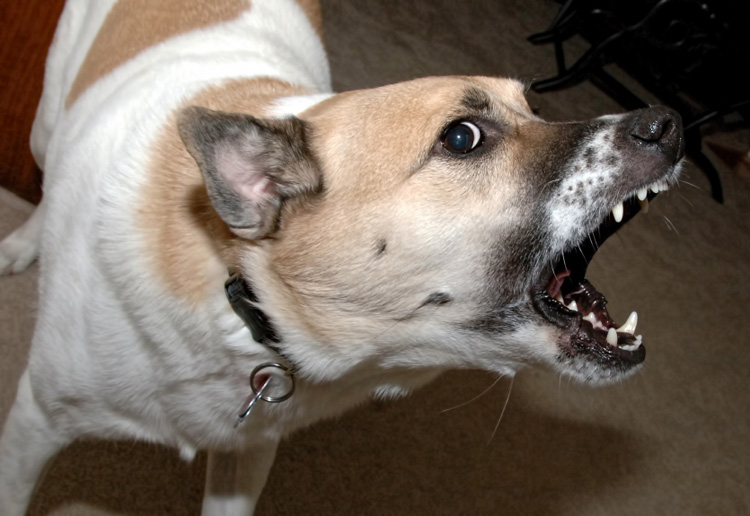
Reactive Dog Class
mj0007/iStock

If you share your home with a dog that freaks out around other dogs or people, you’ve probably been refused or kicked out of regular group dog training classes. Luckily, there’s a new class emerging called reactive dog class that focuses on teaching aggressive dogs different skills in a group class setting.

Now, it’s not like a traditional dog training class, but the results are amazing. I’m lucky to teach these types of classes for the local veterinary behaviorist in my area, but not all dog aggression classes are alike. Here are a few tips on finding the right reactive dog class to reduce your dog’s aggression while teaching him new behaviors.

What are Reactive Dog Classes?

In the dog training world, we actually say “reactive dog classes” instead of “dog aggression classes,” as aggression is a symptom of anxiety and we all know anxiety makes you (and dogs) reactive. Knowing this, your dog training instructor will work within each dog’s threshold (the line before a dog freaks out) to slowly introduce positive associations with other dogs and teach new polite behaviors.

From a Dog’s Perspective

During reactive dog classes, dogs will learn how to behave properly rather than freak out, bark, lunge or freeze. You’re probably thinking this class won’t help your dog if other reactive dogs are attending, but these classes are purposely kept small (no more than five students and their dogs) and everyone stands behind visual barriers. Trust me, your dog will know other dogs are there. Since the sound or sight of other dogs are triggers for reactive dogs, keeping everyone safely tucked behind barriers works really well.

Dogs are slowly taught self-control exercises (e.g. control their behavior for a treat), relaxation methods (something most reactive dogs find extremely difficult) and positive associations with their triggers (e.g. sight of another dog or the sound of ID tags jingling). Each dog has his or her own set of triggers, which an excellent dog trainer can identify to ensure counter conditioning and desensitization works.

RELATED: 11 Common Questions Dog Trainers Are Asked

From a Pet Owner’s Perspective

Believe it or not, how you react around your dog’s triggers can either help or hurt your dog. Yes, you’re a valuable part of the team. In reactive dog classes, you’ll learn how to handle stressful situations before they happen, manage an encounter with your dog’s trigger (e.g. another dog approaching) and relax. Most reactive dog pet owners tense up. They’re terrified something will set their dogs off, so they walk around in a complete state of anxiety.

How to Find Reactive Dog Classes

Not all dog trainers can teach reactive dog classes or work with aggressive dogs. Even those calling themselves animal behaviorists (FYI there’s no such thing) aren’t equipped to work with dog reactivity. So finding an excellent reactive dog class can be challenging.

My advice is to find a local veterinary behaviorist and give her a call. These folks are veterinarians who are board-certified in animal behavior and know qualified reactive dog trainers within their surrounding states. They can most certainly point you in the right direction. It’s worth the extra effort because asking around or calling local dog trainers about reactive dog classes is extremely risky. If a dog trainer is in over her head, she can certainly make your dog much worse.

Secondly, reactive dog trainers never use punishment-based methods ever. This means dogs don’t wear choke chains, pinch collars or electronic collars. There’s no yelling, pushing or pulling a dog around. Punishment will only make a dog more anxious, as studies have proved it time and time again. Also, would you overcome your fear of driving over bridges if I yelled at you? Nope, you’ll just end up yelling back at me, which increases your anxiety. Ask your reactive dog trainer what methods she uses before enrolling.

What to Expect When You Enroll

These classes fill up quickly, so don’t be surprised if there’s a waiting list. Once you’re enrolled, you’ll probably receive specific directions on entering and exiting the training center about a week before your scheduled class. Dogs should never be allowed to see or bump into each other. Lastly, you’ll probably need some special equipment to keep you, your dog and other dogs safe if a dog should lunge. Don’t forget to bring lots of super yummy treats (100-150 pea-sized treats should be enough for one class).

If, at any time, you’re not comfortable, always inform your instructor. Sometimes, my students are so scared (they’re just as traumatized as their dogs) that we break a few exercises into smaller pieces. I do this because I know how difficult it is to learn when you’re anxious.

During reactive dog class, remember to take deep breaths. It will relax you and your dog!

READ NEXT: Resources for Dealing With Reactive Dogs

Filed Under: Behavior, Clients, Training Tagged With: class that help dog aggression, dog aggression classes, dog aggression tips, dog aggression to other dogs, dog hates other dogs, dog to dog aggression, dog training, Dog Training Tips, handling dog aggression, help for dog aggression, how to teach a dog, how to train a dog, managing dog aggression, reactive dog classes, teach a dog, train a dog

Best Dog Books for Fearful Dogs

October 1, 2014 by Fanna Easter

Best Books to Help Your Fearful Dog

Fearful Dog Training Book
ArenaCreative/Deposit Photos

Fearful dogs are usually reactive. They bark, lunge, run away from dogs and people, and live in a constant state of anxiety. If your dog is fearful, I recommend:

  • Enrolling your dog in a Relaxed Rover training class.
  • Reading dog training books focused on fearful dogs.

Dog training classes like the Relaxed Rover class is generally limited to five enrollees for each class. These dog training classes are focused on decreasing your dog’s fear and anxiety. By building confidence and teaching your dog how to calm himself, you’ll make your dog less fearful.

RELATED: How to Train Fearful Dogs

Every dog in class is reactive, so the dog owners are in the same boat as you. By the end of a five- to six-week course, your dog will learn how to look at other dogs without reacting and be much more relaxed. You’ll also learn how to deal with approaching dogs during walks and so much more.

Below, I’ve recommended a few books that can help your fearful dog. They’re straight to the point, easy to read, very effective and they echo skills learned in the Relaxed Rover class environment. While these books will certainly move you in the right direction, I still recommend a session with a dog trainer. All dogs are different, so these book recommendations may need to be tweaked a bit.

Best Reactive Dog Training Book

“Feisty Fido – Help for the Leash Reactive Dog, 2nd Edition”
by Patricia McConnell and Karen London

This dog training book shows you how to complete an ER U-turn when other dogs approach. It also teaches you skills to move away quickly while keeping your dog calm. This is a booklet so it’s super easy to read, but packed full of great tips.

Best Book for Fearful Dogs

Both books target fearful dogs that are afraid of many things. Usually, these dogs will shrink away, react to loud sounds or live in general anxiety. Now, most fearful dogs will react to other dogs so I do recommend reading “Feisty Fido” by Dr. McConnell listed above as well.

“Cautious Canine – How to Help Dogs Conquer Their Fears, 2nd Edition”
by Patricia McConnell

“Cautious Canine” is a quick read booklet packed with invaluable information on how to manage and deal with your dog’s fear. There are also excellent tips on conquering their fear. A must-read book. 🙂

“Help for Your Fearful Dog – A Step-by-Step Guide to Helping Your Dog Conquer His Fears
”
by Nicole Wilde

“Help for Your Fearful Dog” by Nicole Wilde is a step-by-step guide, as mentioned in the title, for people who need specific steps to complete. Wilde also explains what causes your dog to be fearful in greater detail than “Cautious Canine.”

I want to hear from you. What are your thoughts on these recommended dog training books? 

READ ALSO: How to Train Fearful Dogs

Filed Under: Books, Resources Tagged With: best dog training book reviews, best dog training books, best dog training books 2014, best rated dog training books, books for fearful dogs, dog aggression, dog aggression to other dogs, dog behavior, dog growls, dog training, dog training book, dog training dvd, popular dog training books, top 10 dog training books, top dog training books

Multi-Dog Household Books

September 24, 2014 by Fanna Easter

Best Dog Books for Multi-Dog Households

Multi-Dog Household Books
Read the best dog training books for your multi-dog home. averyanova/Deposit Photos

If you share your home with two or more dogs, have foster dogs or pet sit multi-dog households, you need tips and tricks focused on living in a multiple dog household.

For tips on living in a multi-dog household, I recommend the two books below. Both recommend positive reinforcement training methods. 🙂

RELATED: Multi-Dog Household Tips

“How Many Dogs?! – Using Positive Reinforcement Training to Manage a Multiple Dog Household”

By  Debby McMullen

This book is awesome! I highly recommend reading and referencing this book before bringing home another permanent or foster dog. It pays to be prepared. Debby really does an excellent job explaining how to manage several dogs in a household and introduce a new dog to an established resident dog. Another thing I really like is that Debby offers many non-traditional solutions, such as aromatherapy, which may be newer to some pet parents. Research has shown tremendous positive results so it’s totally worth a try. While some of her recommendations may seem a bit “out there,” I can tell you from personal experience, they work.

“Feeling Outnumbered? How to Manage and Enjoy Your Multi-Dog Household”

By Dr. Patricia McConnell

This is a booklet, which means less pages. However it’s packed with really good information. Dr. McConnell provides insight on preventing behaviors before they happen. Plus, Dr. McConnell’s writing is very entertaining and she’s a master at explaining complex situations in an easily understandable manner. This is an easy read booklet and a great place to start learning about multi-dog household management. I’m sure this booklet will answer most of your questions, but “How Many Dogs?!” by Debby McMullen provides a bit more in-depth information with additional topics. If you enjoy reading books that are short and straight to the point, then Dr. McConnell’s book is perfect for you.

What multi-dog household books do you recommend? Share your thoughts in the comment section below!

You may also like: Sharing a Bed With Your Dog

Filed Under: Books, Resources Tagged With: best dog training book review, best dog training books, dog aggression to other dogs, dog to dog aggression, dog training book review, dog training books, dog training dvd, tips for multiple dogs, top dog training books

Debunking Dog Aggression Myths

August 7, 2014 by Fanna Easter

Aggressive Dog Behavior

Dog Aggression Myths

I feel aggression is a very misunderstood label that we tack on animals we don’t understand. Let’s discuss dog aggression myths.

What is dog aggression?

Dog aggression in layman’s terms means a dog threatens to cause harm to another dog or person. Wikipedia states aggression in its broadest sense is “behavior, or a disposition, that is forceful, hostile or attacking. It may occur either in retaliation or without provocation.” Aggression is a behavior, which means it’s learned usually by environmental exposures. Any dog can learn to be aggressive if he is exposed to a threatening situation.

  • Dog’s toenail was cut too short, which caused pain. Dog growls when you approach with nail trimmer to prevent further pain.
  • Dog loves his new chew bone and growls when someone approaches (this is normal canine behavior). When chewing, he’s telling you he’s not sharing his bone.
  • Dog was bullied by another dog at the dog park. Dog learns to scare off other dogs with aggression to prevent the bullying from happening again.

Is it nature (genetics) or nurture (exposed to scary things)? Genetics can certainly play a role when turned on by exposure to scary things. One thing I know for sure, prevention is worth its weight in gold! If your dog reacts with threat to cause harm:

  1. Take a step back and look at the environment.
  2. Determine what (the trigger) caused this reaction. Was it another dog approaching you? A stranger?
  3. Once you determine what is causing this behavior to happen (trigger), then you can address it.

Does aggression mean a dog is dominant?

No, that’s a huge myth. Dominance between dogs and people is a myth. This was debunked by science. Dogs clearly understand we are humans, not dogs. While dogs learn to read and interrupt our body language, dogs become confused when we try to mimic their dog language. It’s like someone speaking in a foreign language. We don’t understand what the person asking even when he begins speaking louder. If someone speaking a foreign language made you walk through doors last, learned his body against you, growled at you, pinned you down, or forced you to sit or lay down, would this teach you his language any quicker? I think not. You’d think he was crazy and you’d probably learn to threaten this person when he tries this again. This is aggression, which was learned.

Dogs will jump on you, run out the door first, lean against your leg, pull on the leash, growl when you try to take a yummy bone, bark at you for attention, (fill in the blank) because they do not understand what polite behaviors we want instead. This is not a dominance thing; it’s a teachable moment. It’s our job to reward dogs when they offer appropriate behaviors. To read research on debunking the dominance myth, view AVBIG: Debunking dominance in dogs and AVSAB: Position Statement on the Use of Dominance Theory in Behavior Modification of Animals.

Are specific breeds more aggressive than others?

No, that’s a huge myth. Scientific research has and continues to debunk this myth. If you would like to read the actual research paper, you can view it here. While some breeds were bred to protect livestock or kill vermin, this does not mean they are programmed to threaten harm to all dogs and people. I do not recommend herding dogs, working dogs or Terriers for first time dog owners, as these dogs are usually larger and can knock over people and small kids easily. Terriers will kill vermin and this is not an easy sight, especially for new pet parents.

Personally, I share my home with a Rottweiler and Bull Terrier, and they are the sweetest dogs ever! Sobek (Rottweiler) especially loves children and loves them even more when they are in strollers (at his height) and covered in gooey cotton candy (he will leave them spotless after his licking session). Stella (Bull Terrier) is an enthusiastic greeter, but she will kill vermin.

As an Adoption Coordinator for Southern States Rescued Rottweilers, I’ve encountered Rottweilers that endured extreme hardships, exposed to many scary environmental triggers, and have every right to be aggressive towards humans and other dogs, but they choose to be kind! Aw, dogs, aren’t they awesome? 🙂

Labels should be on the back of food containers, not dogs or humans. Myths are just that, myths. 🙂

Let’s discuss other dog training myths in the comments below.

READ NEXT: Offensive Dog Aggression

Filed Under: Dogs, Training Tagged With: dog aggression, dog aggression study, dog aggression to other dogs, dog aggression to owner, dog biting, dominant dog

Can Dogs Speak Human?

August 6, 2014 by Fanna Easter

Communicate With a Dog, Don’t Scare Him!

Dog Speak
Your dog’s point of view!

Can dogs understand human behavior? Yes and no. Mostly, humans confuse dogs. Some human behaviors are offensive to dogs, especially when we crowd and insist on petting them. In this guide, we teach you how to better communicate with a dog.

How to Communicate With a Dog

Dos

As a dog approaches you, stand still and turn sideways.

  • Turning sideways is much more inviting than facing a dog with your body held forward (same for people too!).
  • Standing still asks the dog to make the first move.

Allow a dog to approach you first.

  • If a dog ignores you, it’s OK. Do you want to meet and shake hands with everyone in the grocery store? Probably not.
  • Dogs can engage without physical contact just like when a person nods and then goes about his business. Take the hint and do the same. 🙂

Bend down when attaching your dog’s leash or collar or petting him.

  • It’s intimidating when someone looms over you. I’m 5’2″ and it’s uncomfortable when this happens. I move away from the person.
  • Toss treats toward your dog. He learns you equals treats.

RELATED: Dog Socialization Tips

Only pet a dog when he wants to be petted.

  • Never reach out and sneak a few pats in. Read the dog’s body language if he’s ignoring you. Take the hint! 🙂
  • If you reach out to pet a dog and he moves away, it’s OK. Most people take this as an insult, but it’s your dog’s way of saying, “Nice to meet you too, but I’m not too sure about this situation.”
  • Always listen to the dog’s body language, then explain to the pet parent, “Well, she’s not too sure about me, so I’ll respect her space.”

Allow a dog to sniff you before petting him.

  • When dogs sniff you, they’re deciding if they want to meet you or not.
  • Just because a dog sniffs you does not mean he wants to be petted. If he moves away from you, do not attempt to pet him.

Provide plenty of space, especially if a dog is fearful or stressed.

  • Respect a dog’s bubble. We all have space bubbles and some have larger bubbles than others. We dread the guy who gets in your face when talking. He has a small bubble!
  • If a dog is uncomfortable, take 4 steps away from the dog. Respect the bubble!

Don’ts

How to Interact With Dogs
Good job! Bend down, stand sideways and pet dog’s chest.

While you’re reading these examples, imagine a person doing these things to you. Scary, right?

  • Stare directly into a dog’s eyes. Instead, look at the dog’s chin or upper neck.
  • Walk directly toward a dog to pet him.
  • Reach out and pet a dog you’ve never met before. Allow the dog to approach your hand held by your side.
  • Greet a dog and pet him on top of the head or face.
  • Force a dog to meet another person, dog or scary object.
  • Force your dog to play with other dogs, and it’s clear he isn’t comfortable in that situation. Not all dogs enjoy playing with other dogs. Just like some people don’t like hanging out with a bunch of other people.
  • Put your face next to your dog’s face (hugging or kissing your dog). In the dog world, this is rude behavior. Remember, dogs smell each others’ butts as greetings. 🙂 If your dog turns his head away or pulls away from you, he doesn’t like it.
  • Yell or scream at your dog. Dogs don’t know why you’re mad. They live in the moment and act guilty because you’re scaring them. Acting guilty is a combo of stress behaviors.
  • Play “I’m gonna get you!” game with a dog you’ve never met before. Usually, this involves a person jumping toward a dog, which is very scary to dogs. I’ve seen dogs lunge and attack a person because they were terrified. Dog are fast and have huge teeth, so never tease them.
  • Chase a scared or stranger dog. Instead, stop, bend down and say “puppy puppy puppy” in a high-pitched voice. Remember, when you’re standing still and squatting down, you’re more approachable and the high-pitched voice will draw the dog toward you.
  • Take a treat away from a dog. Instead, play the trade game.
  • Scare your dog by hiding and jumping out, wearing a mask, etc. Your dog learns you’re unpredictable, and this could cause a dog to become aggressive to people.

Can you imagine a person patting you on the head or a stranger walking directly up to you and touching you—yikes, respect the bubble! If you’ve done some of these human behaviors dogs hate, don’t beat yourself up. You did it because you didn’t know any better. 🙂 But now you do! It’s time to try to communicate with your dog again with these tips! Trust me, your dog will thank you!

Now, it’s your turn! How well do you communicate with your dog? What human behaviors have you noticed your dog hates? Please comment below!

Filed Under: Behavior Tagged With: dog aggression, dog aggression to other dogs, dog behavior, dog growls, dog tips, dog training, dog training advice, Dog Training Tips, how to train a dog, how to train a puppy, how to train your dog, how to train your puppy, preventing dog aggression, preventing dog bites, puppy training, puppy training tips, stop a dog from biting

  • 1
  • 2
  • Next Page »

About

Dog Training Nation is a community of dog trainers, dog owners and dog lovers. Our mission is to provide trainers and owners valuable information to enrich dogs' lives. We cover a range of topics, from socializing puppies to dealing with aggressive dog behavior to selecting the best dog products. It is our hope you share our content to make the dog and owner world a better place.

​

Facebook

Video

Dog Training Nation is a dog training blog for pet owners and dog lovers. We cover a range of topics from puppy socialization tips to dog aggression to dog health. It is our hope you share our content to make the world a better place for dogs.

Dog Training Nation

Quick Links

Dog Training
Dog Behavior
Dog Training Videos
Become a Dog Trainer
About
Contact Us

Copyright © 2026 · Lifestyle Pro Theme on Genesis Framework · WordPress · Log in