Dog Training Nation

In Dogs We Trust

  • Home
  • Training
    • Dogs
    • Puppies
    • Clients
  • Behavior
    • Breeds
  • Health
  • Safety
  • Resources
    • Equipment
    • Books
  • Dog Training Videos
  • About
You are here: Home / Archives for dog aggression

Dog Socialization Tips

December 12, 2014 by Fanna Easter

Socializing Dogs

Dog Socialization
Follow your dog’s lead. Walk away if he’s uncomfortable.

Pet parents are bombarded with: “You’re a terrible owner if you don’t allow your dog to greet other dogs,” “The socialization window closes before 16 weeks so hurry and meet as many dogs as possible,” “Dogs must meet 100 new dogs before a certain age” statements. These statements are valid, but it’s important to add limitations and boundaries first. Follow these dog socializing tips and be their voice.

What is Socialization?

Socialization means puppies and dogs learn how to interact within their worlds. Socialization is vital. Each interaction must be tailored to your dog’s personality with the purpose of teaching him how to interact within his world with confidence.

Greeting: Engage and Disengage

Greeting means a dog walks directly over to another dog with the purpose of engagement. During socialization, puppies and dogs are learning how to politely meet (engage) and end (disengage) greetings. Not all dogs are polite greeters. They can be downright rude by invading space, staring or being too rough. This is where disengaging becomes tricky. It’s kind of hard to move away from a rude greeter while on leash so some dogs will resort to threatening behaviors to make the rude dog go away. Now, your confused disengager learns threats work and is the normal way to disengage.

Living with a Gregarious Greeter
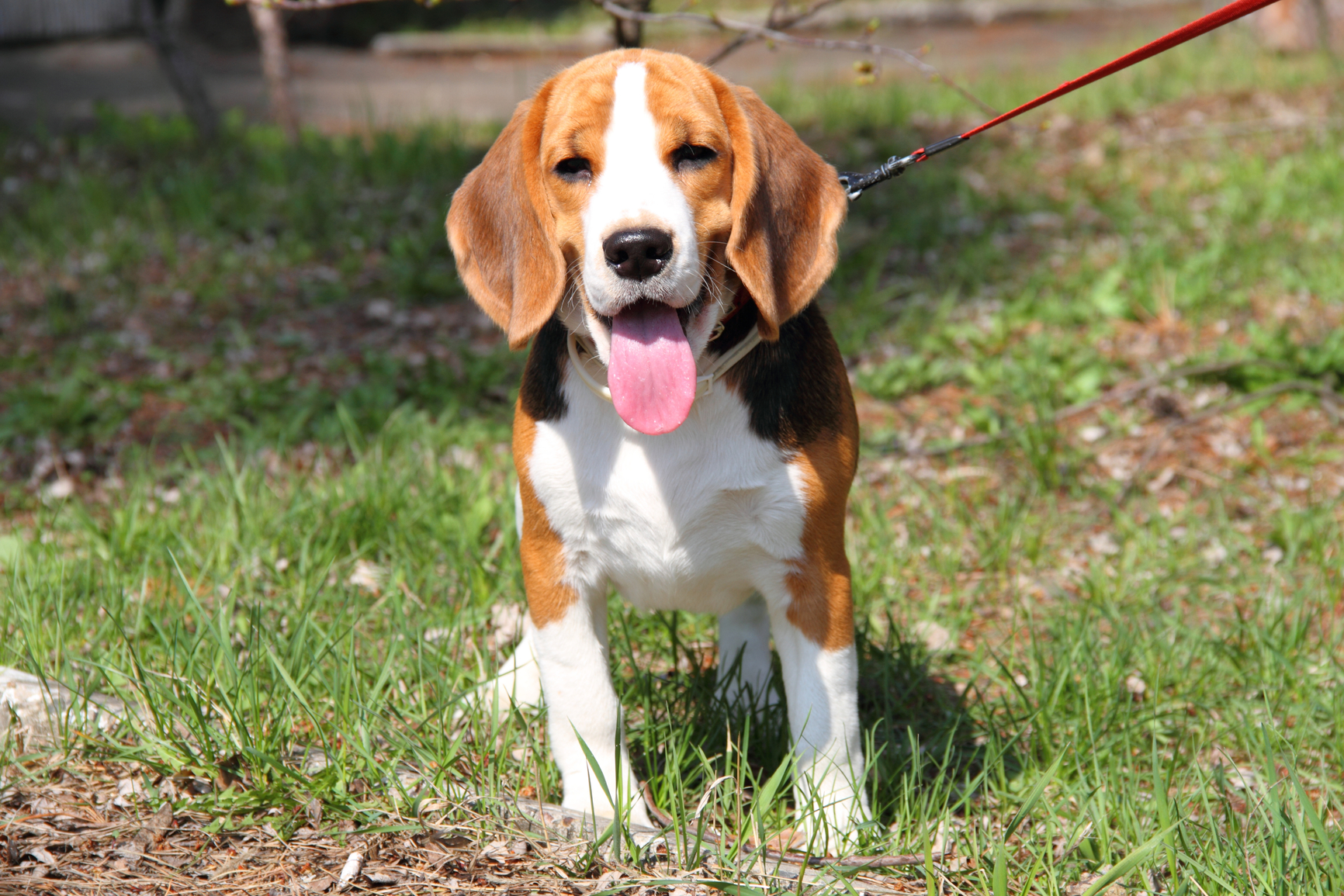
Beagle
“Hello! I’m uber friendly!” Note soft eyes, open mouth and slight panting moving forward.

Not all dogs are comfortable meeting your gregarious greeter. Always stop 15 feet away and ask first. It’s the polite thing to do. If the other dog looks uncomfortable or scared, walk away quickly. Sticking around will make it much worse.

Think of it from a human perspective: Do you shake hands with everyone shopping at the grocery store? “Hi, I see you’re buying grapefruits today. My name is Fanna,” “Hi, those pork chops are lovely. My name is Fanna” or “Oh I buy that type of toilet paper too! My name is Fanna.” Could you imagine?! You would think I was nuts, right? But what if I followed you down an aisle saying, “But I want to meet you. My name is Fanna!” Creepy, especially for people not comfortable greeting strangers!

Instead, while shopping at the grocery store, we make eye contact with a stranger, smile, nod and continue walking past him. When walking past, provide plenty of room by turning sideways, walking down a different aisle or politely allowing a stranger to walk past you because it’s human etiquette. This works in the dog world too! 🙂

My Dog is a Wallflower
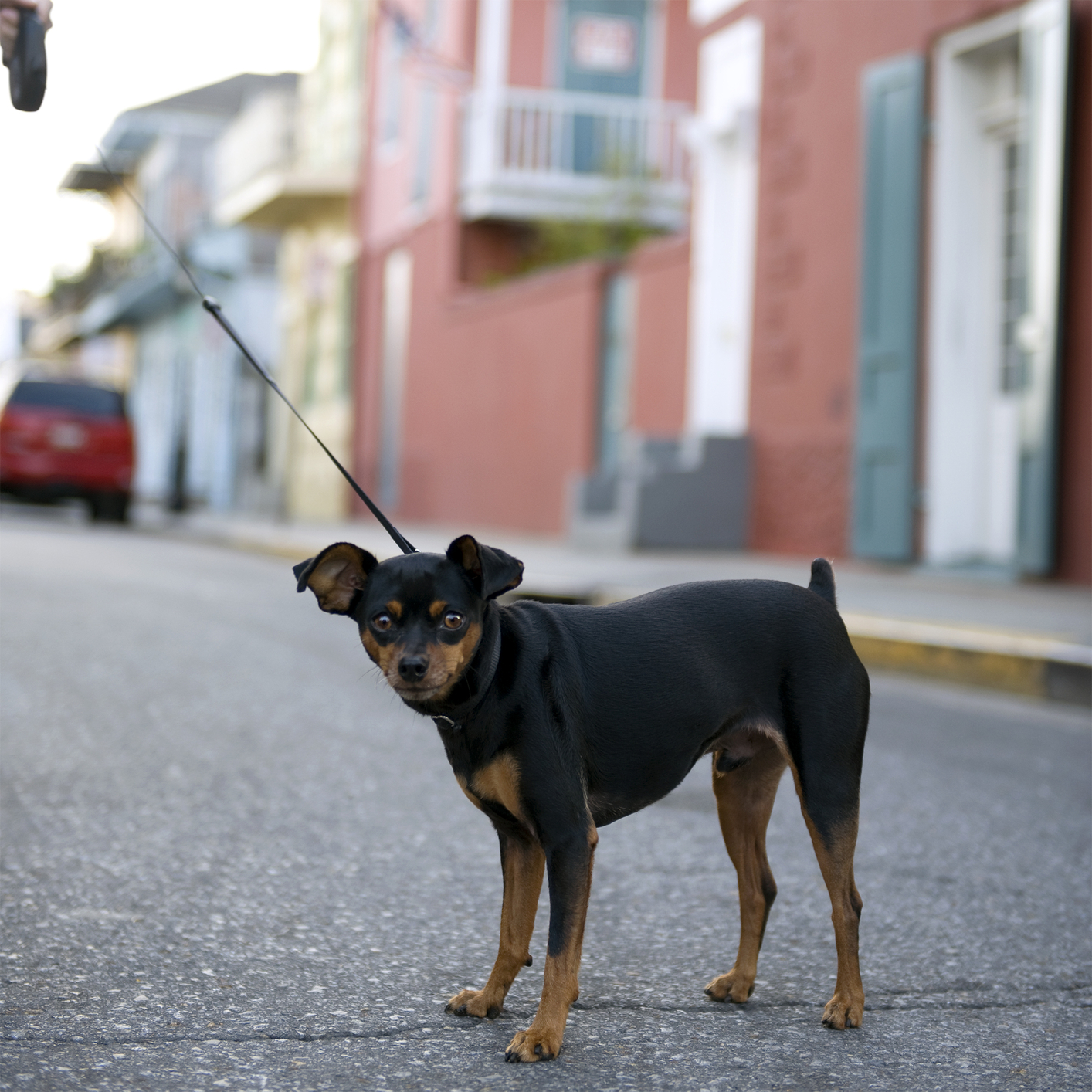
Scared Dog
“Stay away, please!” He’s not sure. Hence, the backwards lean (away from you), mouth closed (no panting), still body and wide eyes.

If your dog finds greeting other dogs stressful, it’s okay. All dogs are individuals. Some are introverts while others are extroverts just like people. An introverted person (withdrawn from strangers) finds attending parties with lots of people torturous. Remember, people are able to control their outcomes. Dogs can’t unless their pet parents notice their uncomfortable behavior around strange dogs or people.

When a dog is forced to meet another dog, scuffles or fights often break out because one dog is not comfortable meeting another dog and tries to disengage using threats. Note, it only takes one scary incident for a dog to become terrified of other dogs. Then the vicious cycle begins. Well meaning pet owners forcibly socialize their newly terrified dogs to fix the aggressive issue, which only makes it worse. Pet owners say, “My dog was really good with other dogs before. So he must need more socialization, right?” This will only make the problem worse.

Never introduce a known aggressive dog to another dog, as this is a recipe for disaster. Socializing known “dog aggressive” dogs will not make your dog better. It will make him much worse. He’s practicing this behavior and we all know practice makes perfect. Plus, there’s a really good chance the other dog, now having a terrible experience, is afraid of other dogs too.

Instead, enroll newly terrified and dog aggressive dogs in a Relaxed Rover class or contact a professional dog trainer or animal behaviorist. By partnering with a professional,  your dog will learn confidence around other dogs while developing skills to engage and disengage greetings without resorting to threats. Shoot, all dogs will benefit from learning these skills. 🙂

Socialization with Boundaries
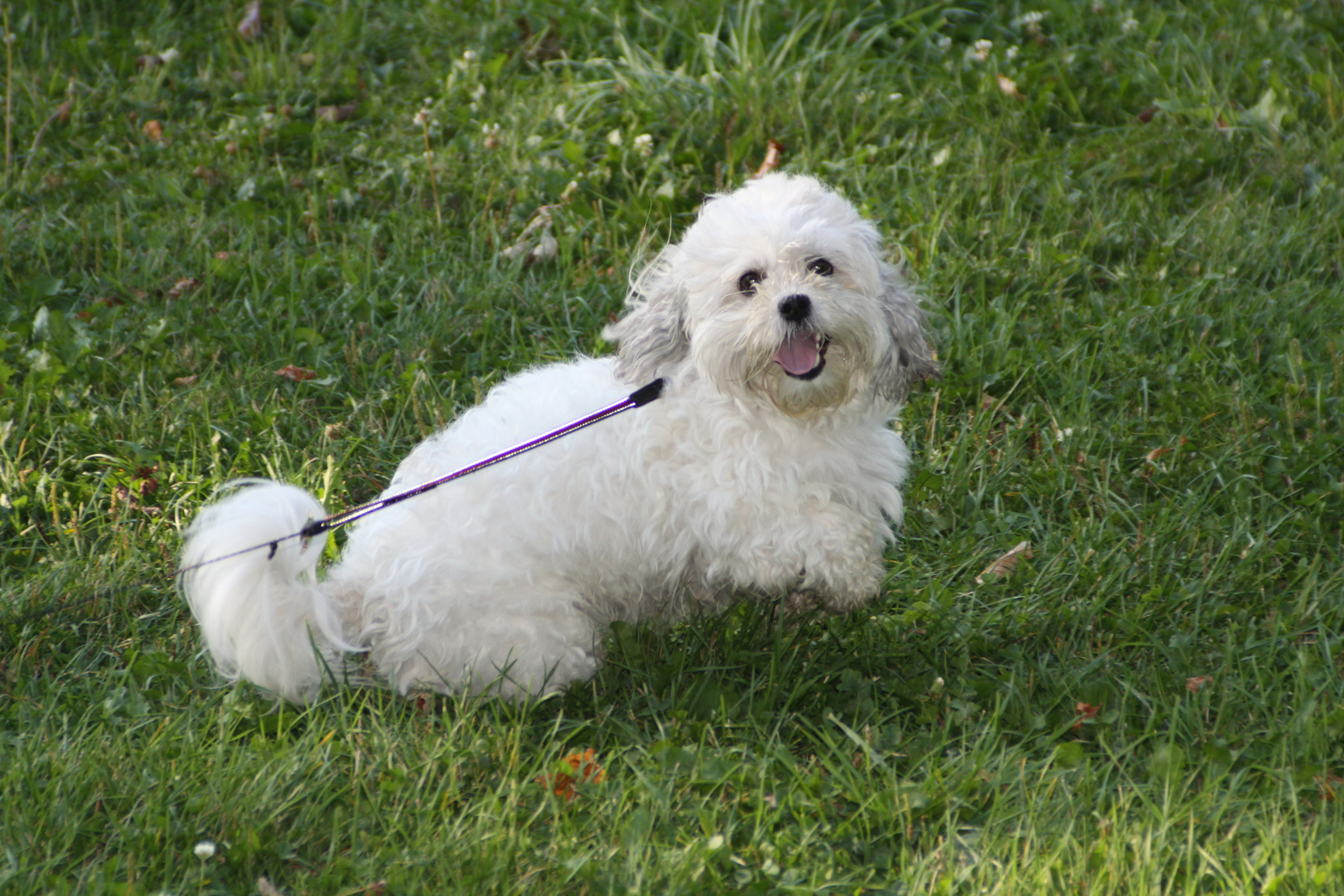
Anxiety in Dogs
“Can we leave? I’m not comfortable.” Note leaning away from you, holding one foot up, ears pulled down and back and worried eyes.

Tip One: Follow your puppy’s or dog’s lead. If he’s not comfortable meeting another dog, walk away (before they greet). You’re teaching polite disengaging behavior by saying “hi” from a distance and politely walking away (remember the nod at the grocery store).

Tip Two: Enroll your puppy in Positive Puppy Manners class and Puppy Playtime after his first puppy vaccination series with a professional dog trainer. If your puppy chooses not to play with other puppies, it’s okay. He probably enjoys human contact more than puppy play.

Allow your dog to choose his friends. Sometimes, dogs and puppies love to play with certain dogs like your neighbor’s or sister’s dog, but he’s not comfortable playing with other dogs. That’s okay too. Personally, I have a tiny group of friends while my sister has unlimited friends, and we came from the same litter. 🙂

Tip Three: When accidentally meeting another dog on leash, allow them to briefly greet for two seconds, then walk away. You’re interrupting the greeting to keep it positive and teaching polite disengaging behaviors. By keeping greetings short with strange dogs, it prevents rude behavior from sneaking up.

Tip Four: If a person and his dog are making a beeline towards your dog, say, “We’re training, sorry,” and step away, turn around or cross the street. Trust me, you’re not being rude by moving away from the approaching pair. You’re speaking up for your dog and he thanks you. 🙂 As for the beelining dog and person, they’re learning that not all dogs should meet, which is a good thing!

I know this is a controversial topic and you can never go wrong by following your dog’s lead. Always socialize, but put a few boundaries in place first. 🙂

Filed Under: Behavior, Clients, Dogs, Training Tagged With: best dog training tips, do dogs want to meet all dogs, dog aggression, dog behavior, dog is aggressive to other dogs, dog socialization tips, dog socializing tips, dog training, Dog Training Tips, how to train dogs, how to train puppies, my dog hates other dogs, obedience training, puppy socialization ideas, puppy socialization tips, puppy training classes, top dog training tips

Handling Difficult Dog Training Cases

October 23, 2014 by Fanna Easter

Resolve Your Client’s Problem

Handling Difficult Dog Training Cases
Why is this dog getting worse?!

Q:  Help! I’m frustrated and ready to tear my hair out!

I’m working with a difficult dog training case right now, and it seems the dog is not improving. The owner is upset and the dog continues to try to bite me! What should I do?

A: Every dog trainer has those moments so don’t get frustrated. 🙂

Sometimes, I’m too close to a client and her dog so I need to gather different perspectives from other dog trainers.

If I notice a dog is not improving during or after one session, it’s my job to stop and find what will work for this particular dog or puppy.

1. Videotape your training sessions.

Once home, play back in slow motion. You’ll be shocked at specific body language that you or the pet parents are using that triggers the dog. By watching this video, you’ll see what really happens, as dogs are fast. Plus, when you’re feeling stressed, as you want to show results quickly and the pet parents are frustrated, this can be a hot mess of confusion for all, especially the dog. I hate to say this, but this is all too common. You are not alone. 🙂

2. Once you arrive at your client’s home, take 5 slow deep breaths.

Yes, we hold tension. Shallow breathing, holding our breath, and tense shoulders become a cue to the dog that something bad is going to happen. Plus, you’ll let go of all that stress.

3. Refer the dog to a veterinary behaviorist.

These folks work with difficult cases everyday! Once the referral has been completed, the veterinary behaviorist will recommend protocols at home (this is a vital part of teaching new behaviors). This is where you come in: you will be this expert’s eyes and ears. If any questions, partner with him. I wish more dog trainers used this option as we could resolve difficult cases so much quicker.

Filed Under: Clients, Training Tagged With: dog aggression, dog trainer, dog trainer advise, dog trainer tips, dog trainer tips from a dog trainer, dog trainer's corner, dog trainer's guide, handling dog aggression, how to become a dog trainer. beginner dog trainers, professional dog trainer tips, tips for dog trainers

Best Dog Books for Fearful Dogs

October 1, 2014 by Fanna Easter

Best Books to Help Your Fearful Dog

Fearful Dog Training Book
ArenaCreative/Deposit Photos

Fearful dogs are usually reactive. They bark, lunge, run away from dogs and people, and live in a constant state of anxiety. If your dog is fearful, I recommend:

  • Enrolling your dog in a Relaxed Rover training class.
  • Reading dog training books focused on fearful dogs.

Dog training classes like the Relaxed Rover class is generally limited to five enrollees for each class. These dog training classes are focused on decreasing your dog’s fear and anxiety. By building confidence and teaching your dog how to calm himself, you’ll make your dog less fearful.

RELATED: How to Train Fearful Dogs

Every dog in class is reactive, so the dog owners are in the same boat as you. By the end of a five- to six-week course, your dog will learn how to look at other dogs without reacting and be much more relaxed. You’ll also learn how to deal with approaching dogs during walks and so much more.

Below, I’ve recommended a few books that can help your fearful dog. They’re straight to the point, easy to read, very effective and they echo skills learned in the Relaxed Rover class environment. While these books will certainly move you in the right direction, I still recommend a session with a dog trainer. All dogs are different, so these book recommendations may need to be tweaked a bit.

Best Reactive Dog Training Book

“Feisty Fido – Help for the Leash Reactive Dog, 2nd Edition”
by Patricia McConnell and Karen London

This dog training book shows you how to complete an ER U-turn when other dogs approach. It also teaches you skills to move away quickly while keeping your dog calm. This is a booklet so it’s super easy to read, but packed full of great tips.

Best Book for Fearful Dogs

Both books target fearful dogs that are afraid of many things. Usually, these dogs will shrink away, react to loud sounds or live in general anxiety. Now, most fearful dogs will react to other dogs so I do recommend reading “Feisty Fido” by Dr. McConnell listed above as well.

“Cautious Canine – How to Help Dogs Conquer Their Fears, 2nd Edition”
by Patricia McConnell

“Cautious Canine” is a quick read booklet packed with invaluable information on how to manage and deal with your dog’s fear. There are also excellent tips on conquering their fear. A must-read book. 🙂

“Help for Your Fearful Dog – A Step-by-Step Guide to Helping Your Dog Conquer His Fears
”
by Nicole Wilde

“Help for Your Fearful Dog” by Nicole Wilde is a step-by-step guide, as mentioned in the title, for people who need specific steps to complete. Wilde also explains what causes your dog to be fearful in greater detail than “Cautious Canine.”

I want to hear from you. What are your thoughts on these recommended dog training books? 

READ ALSO: How to Train Fearful Dogs

Filed Under: Books, Resources Tagged With: best dog training book reviews, best dog training books, best dog training books 2014, best rated dog training books, books for fearful dogs, dog aggression, dog aggression to other dogs, dog behavior, dog growls, dog training, dog training book, dog training dvd, popular dog training books, top 10 dog training books, top dog training books

Multiple Dog Household Tips

September 22, 2014 by Fanna Easter

How to Manage a Multi-Dog Household

Multidog Household
What good dogs! Learn to live peacefully with multiple dogs.

Do you live with two or more dogs? Are you fostering or pet sitting? I have fabulous multiple dog household tips  for you! And yes, it’s possible to expect polite dog behavior even if you have a furry gang.

As a dog trainer, my home has fluctuated having between 2-4 dogs for the last 20 years. While each dog and situation is different, there are a few really good best practices to follow. Here are mine!

Provide each dog with his own area for eating

Preferably, it’s best to feed dogs in their crates with the door closed and latched. While some dogs may not have an issue, some dogs can resource guard (protect their food bowls) so an ounce of prevention is worth its weight in gold!

Don’t allow bullying behavior

If one dog is constantly bullying, scaring or pushing another dog around, don’t allow this to continue or let the dogs work it out amongst themselves. This almost always makes the behavior much worse. Instead, step in and teach dogs how to behave politely to each other. I recommend tethering the bullying dog. It’s not fair to the bullied dog, as I would not want to live with a bully for my entire life.

RELATED: Supervised Dog Tethering

Leaving dogs alone at home: When leaving dogs alone, always crate your dogs.

  • Leaving one dog loose: My older dog usually earns big girl privileges, which means she can safely be left loose in the house. I always crate my other dogs. Basically, only one dog is left loose in the home while the others are confined. When dogs are crated, I put visual barriers between crates to prevent any arguing when I’m not home. Visual barriers can be a wall or blanket covering one side of a dog’s crate.
  • Prevention: As a dog trainer, I’ve encountered numerous situations where multiple dogs can co-exist peacefully alone and loose in their home until a thunderstorm or doorbell (usually from the FedEx, UPS or solicitor) causes stress and they begin to fight. I remember one case where three dogs lived together for 5 years with no issues. Then a terrible storm passed through and two dogs killed the other one (no one was home to stop the fight). Yes, it can happen. Remember that ounce of prevention. 🙂

Training multiple dogs is much easier than you think!

  • Separating: When teaching new behaviors, I use treats and a clicker. To prevent one dog from outperforming the other dog, I confine one dog in another room with a luscious food stuffed toy. Then, the training dog and I practice for 2-3 minutes. Then, dogs are switched out until all dogs have had a few rounds of training.
  • Training together: The dog that sits first gets the treat and the dog that comes back to me the fastest gets the treat. Or, the best treat goes to the first performer, and the others get Cheerios. If you have an older dog, it’s not fair to assume a 12-year-old dog can outperform a 2-year-old dog so keep it fair. If dogs fight over treats, use praise and only train one dog at a time.

Exercising two dogs

  • First, teach both dogs how to walk politely on a leash separately. Use this time for training sessions and end it with a nice leisurely walk offering plenty of sniffing opportunities for your dog. Until your dogs learn polite leash manners, make sure each dog has his own handler so each dog has a different person holding his leash. Example: two dogs are walked with two people and so forth.
  • If your dogs become too excited and turn their over-the-top excitement on each other (start fighting), keep them separated by walking one dog at a time. Never allow this behavior to continue, it will only get worse. Focus on teaching the excited dog calm behavior. Once the excited dog learns calm behavior, then add the other dogs but only with their own handlers to hold the leash. If the excited dog has an excited moment, the other handlers should move away from the excited dog.

RELATED: Crate Training

Play sessions: Keep these under control  

Even the best play sessions can become chaotic. Have you ever watched two young boys innocently wrestling? Eventually, one boy becomes upset because he was accidentally hurt, then a fight begins. This can happen with dogs too!

  • Too rough play: When dogs’ play session quickens or an increase of growls and snapping occur, split dogs up. You can stop dog play by making a loud repeating sound, such as smooching sounds, or calling dogs by their names. When they stop playing, call them to you and give them both treats. As a rule of thumb, when in doubt, split them up. 🙂
  • Bullying dog play: When one dog runs away from the other dog usually with his tail tucked, stop the play. It’s not fair to the scared dog to be constantly bullied by another dog. Tether the dog that is doing the bullying. He needs to learn this is not polite behavior and good things end when he acts rude. If you don’t step in, you are asking for a dog fight. This is a perfect time to teach consequences of behavior. If you’re rude, no more play. If you play nicely, play continues. And yes, dogs totally understand this game. 🙂
  • If a fight breaks out: Refrain from screaming, as this will only make it worse. Dump a bowl of water on the dog doing the biting or grab the biting dog’s back legs (by the hocks) and leave them up — kind of like a wheelbarrow — until the biting dog lets go. By lifting his back legs, he loses his balance and must let go. Still holding the dog’s back legs, grab the dog being bit and put him in another room to assess and stop the fight. Many times, if you let go of the biting dog’s legs, he will go right back and attack the other dog. It takes a lot for another dog to attack and bite a dog so I highly recommend contacting an animal behaviorist to prevent the biting dog from doing this again.

Provide each dog with his own special time with you

Provide each dog with special time alone with you. This can be individual training sessions or a walk in the park with you and one dog.  Strive for individual time three to four times a week.

Toys

Now, I’m able to leave toys out at all times. Before, my four dogs would fight over who can play with certain toys. It was not pretty.

  • Fighting over toys: While I know you don’t want to hear this, but this is the only way to prevent fights: remove all toys. Toys are not worth having fighting dogs period. Instead, increase daily walks to 30 minutes per day and provide food puzzles while crated.
  • Offer food stuffed toys daily while all dogs are confined: This provides plenty of enrichment and confinement prevents fights. Use visual barriers between crates, as this prevents resource guarding. Yes, dogs can still resource guard when crated. My Rottie never ate the food out of his Kong toy. I videotaped him when I left and my Bull Terrier would growl and lunge at him through her crate, mind you, whenever he tried to lick his Kong. I was mortified! I put visual barriers in between both crates and now my Rottie enjoys his food stuffed Kong. 🙂  Yes, I confirmed it with multiple video sessions and I still check to make sure this does not happen again.

Please share a multi-dog household tip in the comment section below!

You may also like: Humping Dogs

Filed Under: Behavior Tagged With: dog aggression, dog behavior, dog bites, dog growls at other dogs, dog training, getting a new puppy, how to live with several dogs, how to train a dog, how to train a puppy, living with several dogs, multiple dog households, my dogs fight, new puppy, resource guarding, tips for multiple dogs

How to Train Fearful Dogs

August 8, 2014 by Fanna Easter

Fearful Dog Training Tips

Fearful Dog
ArenaCreative/Deposit Photos

Fearful dogs break my heart. It’s not their fault they’re scared. They are either born this way and/or learned through scary encounters.

When training or living with a fearful dog, you’re using the same basic learning principles, but doing a few things differently. Always remember: fear causes aggression. We are all equipped with “fight or flight” mode. It’s a defensive mechanism. In fearful dogs, this mode is turned up a few notches.

Never use punishment-based training methods. Never punish a dog for being fearful, you will make it much worse. Punishment means yelling, screaming, pushing, pulling, correcting with a collar or verbally, and hitting a dog. It’s not their fault. Would you punish a child for being scared? I think not.

First, enroll in a Relaxed Rover class. Relaxed Rover classes are designed for fearful dogs and incorporate the below fearful dog tips. Class size is smaller than regular group classes and provides plenty of opportunities for practicing while offering guidance from a professional dog trainer.

Use the Very Best Treats

This is so important. I’m shocked how many dog owners disregard dog training treats. This is your dog’s currency, so use treats your dog loves!

Control His Environment

If your fearful dog refuses to eat his treats and you’re using hot dogs and string cheese (i.e. high value treats), stop and assess the situation. Is your dog distracted by:

Another dog standing too close?

o Move your dog away, at least 10 feet, if possible and try again.
o Provide visual barriers, such as bushes, fences and distance.

A person standing too close?

o Move your dog away, at least 10 feet, if possible and try again.
o Provide visual barriers, such as bushes, fences and distance.

Loud noise?

o Move away from loud noises and refrain from teaching your dog around loud noises. This could mean walking your dog in a park instead of alongside a busy road.

Quick movement?

o This startles many fearful dogs, as they believe quick movement means they are coming to get me.
o Provide visual barriers.

Teach Redirection

Redirection means to reward your dog for doing something else. If your dog jumps up, reward him for sitting instead. When redirecting, always continue to manage your environment.

If another dog is standing too close,

o Teach your dog the “look at that” cue.
o When your dog looks at another dog, click and treat. Your dog learns dogs equal food.

If a person is standing too close,

o Teach your dog the “look at that” cue.
o When your dog looks at a person, click and treat. Your dog learns strangers equal food.

If there is loud noise,

o Feed your dog as a loud noise is happening.
o Trust me, you’re not rewarding your dog’s scared behavior. You are pairing yummy food with something scary, such as a noise. This works wonderfully!

If there is quick movement,

o Teach your dog the “look at that” cue.
o When your dog looks at whatever is causing quick movement, click and treat. Your dog learns quick movement equals food and quick movement does not mean you are coming to get him.

Build Confidence

By teaching a fearful dog the “look at that” cue, he’s learning the world is not scary, which is very empowering. The more your fearful dog learns, the more confidence he will build!

I highly recommend enrolling in controlled dog sports, such as agility and nosework. By controlled, I mean one dog and handler are allowed in the ring at a time. This means low distractions and lots of one-on-one attention from the dog trainer.

Nosework is awesome for fearful dogs! Nervous dogs usually blossom after just one session. They learn to do something else instead of worry, and every dog has a good nose–even baby Pugs. 🙂

Preventing Shut Down Dogs

When a dog shuts down, he has given up to the extent he becomes frustrated. This condition is called learned helplessness, which can be treated. We cover learned helplessness in more detail in this article.

Bark back! What tips have worked for your fearful dog?

Filed Under: Behavior, Dogs, Training Tagged With: dog aggression, dog bite, dog trainer advice, dog training, dog training advice, Dog Training Tips, fearful dog, how to train a dog, how to train a scared dog, my dog is scared, puppy aggression, puppy bite, scared puppy

  • « Previous Page
  • 1
  • 2
  • 3
  • 4
  • Next Page »

About

Dog Training Nation is a community of dog trainers, dog owners and dog lovers. Our mission is to provide trainers and owners valuable information to enrich dogs' lives. We cover a range of topics, from socializing puppies to dealing with aggressive dog behavior to selecting the best dog products. It is our hope you share our content to make the dog and owner world a better place.

​

Facebook

Video

Dog Training Nation is a dog training blog for pet owners and dog lovers. We cover a range of topics from puppy socialization tips to dog aggression to dog health. It is our hope you share our content to make the world a better place for dogs.

Dog Training Nation

Quick Links

Dog Training
Dog Behavior
Dog Training Videos
Become a Dog Trainer
About
Contact Us

Copyright © 2026 · Lifestyle Pro Theme on Genesis Framework · WordPress · Log in
