Dog Training Nation

In Dogs We Trust

  • Home
  • Training
    • Dogs
    • Puppies
    • Clients
  • Behavior
    • Breeds
  • Health
  • Safety
  • Resources
    • Equipment
    • Books
  • Dog Training Videos
  • About
You are here: Home / Archives for dog barks at other dogs

Reactive Dog Resources You Need to Get Started

June 24, 2016 by Fanna Easter

Reactive Dog Resources

Reactive Dog Resources
alexandrshevchenko/iStock

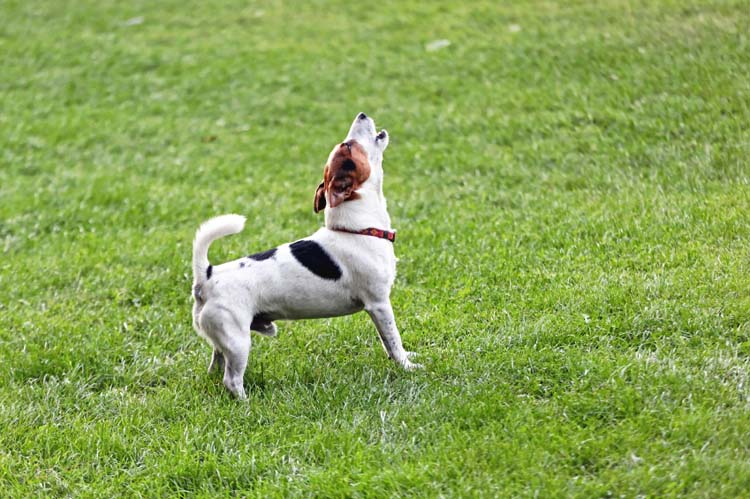
As a reactive dog owner, you should stay up-to-date on reactive dog resources and training tips. Dealing with a reactive dog can be difficult, which is why you should seek help from qualified professionals who will provide support, listen to you throughout the entire process, use positive reinforcement training and provide results.

While positive results are important, teaching you how to handle a stressful situation quickly and how to positively change your dog’s behavior is much more valuable in the long run. If you’re looking for answers, check out these resources below. You’ll find plenty of reactive dog resources and dog training solutions. 🙂

RELATED: 5 Reactivity and Aggression Tips That Will Make Your Life Easier

Veterinary Behaviorists

Finding a veterinary behaviorist should be the first step pet owners take when dealing with a reactive dog, but unfortunately many pet owners seek these professionals as a last resort. A veterinary behaviorist is a veterinarian who’s board certified in animal behavior. These professionals treat reactive dog cases every day. Plus, they’re up-to-date on the latest behavior protocols, tests and medications. To find a veterinary behaviorist in your area, check out American College of Veterinary Behaviorist.

If you’re fortunate to live near a veterinary behaviorist, it’s worth scheduling an appointment with that person face-to-face. Now, some pet owners aren’t that lucky. If you’re unable to speak directly to a vet behaviorist, do know that all veterinary behaviorists will consult with your regular veterinarian by phone. There are so many benefits to bringing a veterinary behavior expert into the mix. For example, she can recommend a local qualified dog trainer and point you in the right direction.

Qualified Dog Trainers

Not all dog trainers are qualified to work with reactive dogs; actually, most of them aren’t qualified. Keep in mind there’s no such thing as an animal behaviorist. This is a made-up term in the dog training world. Anyone can call herself an animal behaviorist, as there’s no certification or requirement to do so.

When searching for a qualified dog trainer, you can ask your veterinary behaviorist for a referral. In most cases, she’ll know local dog trainers who have experience working positively with reactive dogs. Seek a dog trainer who is Behavioral Adjustment Training (BAT) certified. These dog trainers know how to use counter-conditioning and desensitization for reactive dog training, and they clearly explain their process to pet owners.

If your veterinary behaviorist doesn’t know of any dog trainers in your area and you’re unable to find a BAT-certified dog trainer nearby, then I suggest searching for a professional dog trainer who specializes in dog reactivity or aggression. The dog trainer you choose should have a minimum of 5 years of experience—not counting school—because it takes years of hands-on experience and continuing education to learn how to successfully change a reactive dog’s behavior.

Check out Karen Pryor Academy of Dog Trainers, Pet Professional Guild, International Association of Animal Behavior Consultants (IAABC) and Animal Behavior College.

RELATED: How to Choose a Good Dog Trainer

Books & DVDs

There are a ton of books that discuss dog behavior and dog reactivity, but many are too difficult to read. I’ve compiled a few must-have books for reactive dog training below. Each book is different and reading them all will help you interpret dog body language and understand why reactive dogs act a certain way and how to change their behavior.

“Calming Signal – What Your Dog Tells You” by Turid Rugaas

This easy-to-read booklet gives you the foundation to both successfully interpret your dog’s body language and change his behavior. If you can’t identify when something bad is about to happen, you can’t prevent it from happening.

“Feisty Fido: Help for the Leash-Reactive Dog” by Patricia McConnell and Karen B. London

This quick read will teach you the importance of an emergency U-Turn as well as how to handle situations when your dog reacts.

“Behavior Adjustment Training 2.0: New Practical Techniques for Fear, Frustration, and Aggression” by Grisha Stewart, M.A., CPDT-KA

This book, which also comes in a DVD set, will teach you how to change your dog’s behavior. Now, this book will be a bit challenging to read for most pet owners, so I highly recommend referring to this book when working with a veterinary behaviorist and qualified dog trainer.

Hopefully, these reactive dog resources will help you get started in your quest for answers. Good luck on your journey. Many of us have taken it with great success. 🙂
Filed Under: Behavior, Books, Clients, Resources, Training Tagged With: dealing with dog aggression, dog aggression, dog aggression tips, dog barks at other dogs, dog barks at people, dog dislikes other dogs, dog dislikes people, dog lunges at other dogs, dog lunges at people, dog trainer dog aggression, dog training, Dog Training Tips, help for dog aggression, help for dog reactivity, how to teach a dog, how to train a dog, stop dog aggression, teach a dog, train a dog

Help! My Dog Barks Relentlessly At My Neighbor’s Dog

April 20, 2016 by Fanna Easter

How to Stop Your Dog From Barking at Your Neighbor’s Dog

Stop Your Dog From Barking
Baloncici/iStock

When your neighbor’s dog barks relentlessly at your dog, she will probably respond back. It’s like having someone yelling at you through a fence; eventually, you’ll become frustrated and yell back.

However, it doesn’t always have to be this way. Instead, teach your dog to ignore the rude neighbor dog’s barking. I know, you’re probably thinking you’ll have a better chance at seeing a unicorn grazing in your backyard than this working for your dog, but it works quickly and reliably! The only thing you need is a leash, super yummy treats and lots of patience.

Don’t Let Dog Barking Become a Habit

We assume barking is natural dog behavior; dogs should be allowed to speak when they want to. Well, that’s all fun and games until your dog becomes the neighborhood yapper. If dog barking behavior is practiced over and over, it becomes tougher to change.

If your dog has practiced this behavior so much that she immediately runs out and barks at anything and everything, it will take a couple of weeks to change this behavior. While this seems like a long time, think about habits for a moment. When trying to lose weight, it takes time to lose it effectively and permanently. Quick fixes never work in the long run, and weight sneaks back on.

Like all habits, it takes time and due diligence to change a behavior reliably, so it’s always best to prevent. Although I have a few dog training tips that work really well to change behavior too if it has already become a habit.

Prevention

Let’s look at prevention. This is the easiest way to keep unwanted behavior from sneaking up. First, let’s review barking a bit. Barking is a slippery slope. It’s very self-reinforcing, meaning dogs will learn to bark when bored, scared or frustrated. Interestingly, barking becomes a way for a dog to self-soothe herself like humans yelling when stuck in traffic, biting their nails or eating during stressful times.

Prevention means you’re rewarding your dog whenever she ignores your neighbor’s barking behavior. Reward with treats. Usually, I’ll toss super yummy treats away from the fence of the barking dog. This not only rewards my dog, but also teaches her she can move away from the stressful situation.

How to Stop a Dog From Barking

We recently experienced our dog barking at our neighbor’s dog when moving back into the suburbs. During the day, many dogs are left in the backyard while pet owners are at work, which teaches dogs to relentlessly bark at neighbors, dogs or the air just to hear themselves bark. Privacy fences prevent dogs from seeing each other, but dogs can still learn to fence fight, which is a horrible habit. Check out this article for tips on creating a visual barrier.

Bring Your Dog Out on Leash

As an example, I’ll share my story. Our backyard fence is made of cinder block, so dogs were unable to see each other. Stella, my little Bull Terrier is a typical Terrier; she will bark back at other dogs whenever she has a chance. The moment we moved into our new home, our neighbor’s little dog welcomed us with rapid non-stop barking whenever anyone was out in the backyard. The second Stella heard her rude doggie neighbor yelling at her, hackles went up and growling started.

For two weeks, we brought Stella out into the backyard on a retractable leash (the only place retractable leashes should ever be used) and I was armed with lots of yummy treats. Having Stella on leash prevents her from running away, engaging in barking behavior and going over threshold. Once a dog goes over threshold, she is oblivious to treats, yelling and anything else. Basically, never allow your dog to “go there” during dog training. If it happens, you’ve just taken 10 steps backwards. While it’s tempting to give quick leash corrections, it will only make it worse as your dog learns that pain happens whenever that dog barks, so your dog’s behavior will become much worse.

Ask Your Dog to “Touch”

The second I heard our neighbor’s dog start barking, I asked Stella to “touch” my hand and rewarded her generously (3-5 treats in a row). Understand, it’s hard for Stella to ignore a rude dog so close to her, but after a couple of “touches,” her hackles went down and her tail started wagging loosely.

Keeping Stella next to me sets us both up for success. It keeps her under threshold and allows change to happen. By asking Stella to do another behavior (touch) instead of letting her bark, it gives her something else to focus on rather than the barking dog next door. Additionally, it teaches her another way to react to a barking dog instead of barking back.

Our Success

Now, when our neighbor’s dog comes running out barking, Stella either ignores it completely or walks over and touches my hand. Do know, I never take her good behavior for granted, so I randomly reward her good behavior. Many pet owners set themselves and their dogs up for failure the moment they forget to reward good behavior. Always let your dog know she made the right choice.

You can use these same protocols to prevent your dog from barking at your human neighbors too!

Talk To Your Neighbor

This is easily the most difficult part. Start by keeping the conversation light and explain you want to keep the peace between both dogs. With our neighbor, she admitted she didn’t hear her dog bark anymore. She became used to it. I provided a few suggestions, and now she brings her dog indoors the moment she starts barking. You don’t have to be a dog trainer to provide suggestions. Just print these barking tips for your neighbor. Our neighbor was actually grateful.

If Habits Sneak Back In

Habits are tough to break, so expect some slip ups between both barking dogs. Take a few steps back and grab your leash and yummy treats to practice a bit more. Don’t forget to reward good behavior–that’s the key to success when tackling strong habits.

Good luck!

Filed Under: Behavior, Training Tagged With: dog barks, dog barks at neighbor, dog barks at neighbor dog, dog barks at neighbor dog how to stop, dog barks at neighbor dog through fence, dog barks at other dogs, dog behavior, dog training, Dog Training Tips, how to teach a dog, how to train a dog, my dog barks at my neighbors, neighbors dog barks, stop dog barking a neighbor, stop dog from barking at neighbor dog, teach a dog, train a dog

How to Stop Your Dog From Barking Out Windows

October 19, 2015 by Fanna Easter

Dog Barking at Windows: It’s Not a Good Thing

How to Stop Dog Barking
JennayHitesman/iStock

Recently, we started walking our dogs on the weekend through our new neighborhood. A cul-de-sac and grass-edged sidewalks are a bit different for us. We’ve lived downtown for so many years, we thought we would enjoy the slow-paced suburban life for a while. Well, walking dogs through a neighborhood is not as peaceful as walking downtown. I was pretty shocked at the difference. The main factor is bored suburban dogs are allowed to bark aggressively at walkers behind windows. Some dogs even chase walkers from window to window in their home.

Why Dogs Barking Out Windows is a Problem

Dog owners mistakenly assume their dogs are daydreaming on the window edge, watching squirrels dash and wagging as people walk along the sidewalk. However, this is not reality. Allow me to explain what’s really happening.

Dogs will do anything to cure their boredom, but their new hobby may drive you and your neighbors crazy. It’s not fair for dog owners walking their leashed dogs on public sidewalks to be threatened by a barking dog. It’s downright rude and not appreciated by fellow dog owners.

Understanding the Different Perspectives

Pedestrians

When a dog barks out the window when someone walks by, it’s jolting for the pedestrian. It doesn’t depend on the barking dog’s size–even a small barking dog is scary. I’ve witnessed everyday runners without dogs shake their heads in disappointment. No one deserves to be threatened by a lunging dog, even if your dog is behind a window.

Dogs Walking With Owners

Dogs walking with their pet owners are probably the most affected by dogs barking through windows. It’s pretty darn scary to them. Think about it from a human perspective: what if you’re walking along, minding your business and an angry person opens her curtains and starts screaming from inside her home? Then she shouts obscenities to you, staring angrily, flipping you off and beating on the glass, as you pass by. Then it continues, even after you’ve walked away from her home, you can still hear her screaming and beating on the glass. Yeah, I would call the police.

As a dog trainer, I’m the one consulted to teach the dogs minding their own business during walks how to overcome such obstacles. And it can take months. Please don’t allow your dog to harass others.

Your Neighbors

I wouldn’t be surprised if this situation hasn’t already been reported to your Home Owner’s Association (HOA) or even the police. I promise you your window-barking dog is earning a terrible reputation. If anything ever happens, your neighbors will report your dog as aggressive. Yes, it’s hard to hear, but you deserve to understand what’s said behind your back.

As a fellow dog lover who lives in a dangerous dog society as you, you’re most certainly not helping a dog’s image.

Your Dog

This is a terrible behavior for your dog to practice. It not only teaches him to bark at everything that walks by, but it also increases his stress level. Plus, window-lunging dogs learn barking makes the moving object go away, which makes the behavior worse and likely to happen more often. You may have probably noticed your dog charges toward your visitors when they walk in the door. This is the behavior your dog taught himself when barking at strangers through your window.

RELATED: Training Dogs Polite Greeting Behavior

How to Stop Dog Barking Out Windows

If your dog runs toward the window to bark, I urge you to stop this behavior now. Here are a couple of solutions that work even when you’re not home.

Management

Make sure your dog doesn’t have access to sidewalk-facing windows. It’s the quickest way to stop this unwanted behavior, especially while you’re away from home. Place sturdy baby gates in hallways to restrict your dog’s access or crate your dog when you’re not home.

As you’re probably well aware, closing heavy curtains or blinds doesn’t work, especially if used as a management tool alone. Most dogs will shred them in a frenzy to view through a window. However, closed curtains coupled with restricting baby gates are quite effective.

Relieve Boredom

Just like children, when dogs are bored, they can easily cause havoc. When you’re going to leave your dog home alone all day, hide frozen food stuffed toys throughout the house to provide your dog plenty of mental stimulation. Or better yet, hire a dog walker for a noon walk. Walks not only provide mental stimulation, but physical exercise as well.

Redirection is Your Friend

In a quiet location, teach your dog the “touch” game. “Touch” is when a dog walks toward you and touches his nose inside your hand. This is a great way to ask your dog to do something else rather than bark out the window. It’s essential to practice in a quiet place, so your dog understands the behavior thoroughly before using it as a redirection tool.

With management in place and lots of practice under your belt, ask your dog to “touch” the moment he hears someone walking past your home. If your dog starts barking, it’s too late. When your dog turns toward the front windows with his ears perked up or takes a step toward the front, say “touch” and reward your dog heavily when he responds. Always use super yummy treats and reward often. When I say reward heavily, I mean give your dog five pea-sized treats one after the other.

After lots of practice, you’ll soon notice your dog walking toward you when he hears someone walking past your home. Reward heavily!

If your friend or neighbor has this issue, please print this article for her. If it’s someone you don’t know, print and place in her mailbox. I firmly believe people do better once they know better. 🙂

Filed Under: Clients, Dogs, Safety, Training Tagged With: dog aggressive at window, dog bark out window, dog bark sounds, dog barks at other dogs, dog barks at passerby, dog barks at window, dog chases window, dog training, Dog Training Tips, how to teach a dog, how to train a dog, teach a dog, train a dog

About

Dog Training Nation is a community of dog trainers, dog owners and dog lovers. Our mission is to provide trainers and owners valuable information to enrich dogs' lives. We cover a range of topics, from socializing puppies to dealing with aggressive dog behavior to selecting the best dog products. It is our hope you share our content to make the dog and owner world a better place.

​

Facebook

Video

Dog Training Nation is a dog training blog for pet owners and dog lovers. We cover a range of topics from puppy socialization tips to dog aggression to dog health. It is our hope you share our content to make the world a better place for dogs.

Dog Training Nation

Quick Links

Dog Training
Dog Behavior
Dog Training Videos
Become a Dog Trainer
About
Contact Us

Copyright © 2026 · Lifestyle Pro Theme on Genesis Framework · WordPress · Log in