Dog Training Nation

In Dogs We Trust

  • Home
  • Training
    • Dogs
    • Puppies
    • Clients
  • Behavior
    • Breeds
  • Health
  • Safety
  • Resources
    • Equipment
    • Books
  • Dog Training Videos
  • About
You are here: Home / Archives for dog behavior

Do Dogs Like to Be Hugged?

May 2, 2016 by Fanna Easter

No, Dogs Don’t Like Hugs
Hugging Dogs
humonia/iStock

There’s a pretty good chance you’ve read the latest research showing dogs don’t like to be hugged. This message is spreading like wildfire. It was covered on our local news last night and it’s been trending for several days on social media. Personally, I’m pretty excited this message is finally getting out there because it’s actually true! Dogs don’t like to be hugged.

While there is a very small percentage of dogs that enjoy hugs from their pet owners, the majority of dogs find hugging simply rude. Humans love physical contact; it’s in our DNA and it’s pretty hard not to hug someone you love. Instead of hugging your dog, try these physical contact behaviors instead.

Hugging Dogs May Upset Them

You’re probably thinking this research about hugging dogs is exaggerated since your dog loves hugs and close contact. However, I would challenge that. As a professional dog trainer, I hear: “My dog’s bite (growl) came out of nowhere” or “My dog has no reason to become aggressive; he just turned on me” every day. Honestly, I can tell you these statements are not true. Dogs are always telling us how they feel. We just don’t listen to them and assume dogs are little furry humans. If we don’t listen and continue to push, dogs will resort to growls, nips or bites, if they can’t get away.

If your dog’s body language is happy and he seems to enjoy hugs, then hug away. But don’t expect your dog to enjoy hugs from visitors; it’s different. If you’re not sure, ask a professional dog trainer for his or her opinion.  Don’t rely on a friend’s or dog savvy person’s opinion. The person you ask for advice should be an expert (meaning he or she has earned dog training credentials) at reading dog body language.

How to Embrace Your Dog Without Hugs

Pet Your Dog’s Chest

People love to pet dogs. I’ve noticed a huge increase of pet owners petting their dogs when they’re happy, nervous or stressed. Petting your dog is fine; just do it politely. Trying petting your dog on the chest or under her neck instead of on top of her head or back. Head pats are just rude behavior from a dog’s perspective. Yes, some dogs learn to deal with it, but it’s still rude. Think about it from your dog’s perspective: would you enjoy someone patting you on the head whenever he meets you? And when you backed away, this person continued to follow you with an outreached hand trying to pat your head. Creepy, I know, and dogs feel this way too.

When petting a dog, allow your dog to walk up to you first. Slowly pet or scratch your dog’s chest while refraining from making eye contact. Some dogs enjoy scratching under their necks (under their jaw), so slowly move up. While petting your dog’s neck, refrain from bending toward your dog. This keeps your face out of her personal space. If your dog moves away, don’t take it personal and stop scratching her.

RELATED: Get Your Dog to Take Treats Gently

Scratch Your Dog’s Back

Dogs love to have the top of their rumps scratched, and will easily swing around for it. There’s nothing wrong with it. Plus, you’re politely keeping your body out of your dog’s personal space. If your dog is comfortable, scratch or rub from your dog’s rump to his rib cage, moving alongside his spine. If your dog moves away, stop scratching and don’t take it personal. 🙂

Let Your Dog Initiate Cuddling

You’re probably looking at your gregarious greeter and thinking, “My dog loves to cuddle and hug.” Well, I live with two super friendly dogs that love cuddling and neck nuzzles too, but, if I initiate cuddling or hugs, it creeps them both out.

When dogs are “creeped out,” you’ll notice their bodies stiffening, ears laying flat against their heads, eyes widening, mouths clamping shut and tails dropping to the ground. Your dog will lean his body away from you and perhaps even growl. It this happens, slowly move away when your dog backs away, and remember not to do it again.

Connect Through Training

Grab some super high value treats, a clicker and your dog, and teach her a new trick. It can be a silly or functional trick–it doesn’t matter; just have fun. What matters most is that you and your dog are bonding through training, and your dog is learning you can both speak the same language.

Dogs are different than people, so respect their space etiquette and ensure children and families do too.

Filed Under: Behavior, Clients, Training Tagged With: dog behavior, dog training, Dog Training Tips, dogs don't like close contact, dogs don't like hugs, dogs don't like kisses, how to teach a dog, how to train a dog, stop hugging dog, teach a dog, train a dog

Help! My Dog Barks Relentlessly At My Neighbor’s Dog

April 20, 2016 by Fanna Easter

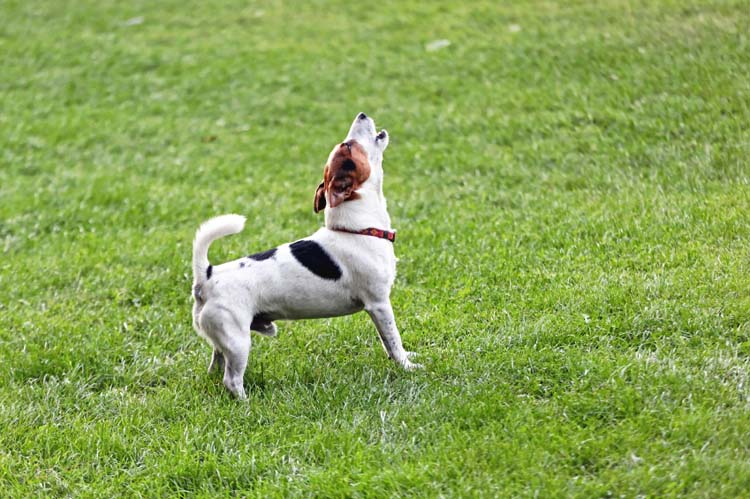
How to Stop Your Dog From Barking at Your Neighbor’s Dog

Stop Your Dog From Barking
Baloncici/iStock

When your neighbor’s dog barks relentlessly at your dog, she will probably respond back. It’s like having someone yelling at you through a fence; eventually, you’ll become frustrated and yell back.

However, it doesn’t always have to be this way. Instead, teach your dog to ignore the rude neighbor dog’s barking. I know, you’re probably thinking you’ll have a better chance at seeing a unicorn grazing in your backyard than this working for your dog, but it works quickly and reliably! The only thing you need is a leash, super yummy treats and lots of patience.

Don’t Let Dog Barking Become a Habit

We assume barking is natural dog behavior; dogs should be allowed to speak when they want to. Well, that’s all fun and games until your dog becomes the neighborhood yapper. If dog barking behavior is practiced over and over, it becomes tougher to change.

If your dog has practiced this behavior so much that she immediately runs out and barks at anything and everything, it will take a couple of weeks to change this behavior. While this seems like a long time, think about habits for a moment. When trying to lose weight, it takes time to lose it effectively and permanently. Quick fixes never work in the long run, and weight sneaks back on.

Like all habits, it takes time and due diligence to change a behavior reliably, so it’s always best to prevent. Although I have a few dog training tips that work really well to change behavior too if it has already become a habit.

Prevention

Let’s look at prevention. This is the easiest way to keep unwanted behavior from sneaking up. First, let’s review barking a bit. Barking is a slippery slope. It’s very self-reinforcing, meaning dogs will learn to bark when bored, scared or frustrated. Interestingly, barking becomes a way for a dog to self-soothe herself like humans yelling when stuck in traffic, biting their nails or eating during stressful times.

Prevention means you’re rewarding your dog whenever she ignores your neighbor’s barking behavior. Reward with treats. Usually, I’ll toss super yummy treats away from the fence of the barking dog. This not only rewards my dog, but also teaches her she can move away from the stressful situation.

How to Stop a Dog From Barking

We recently experienced our dog barking at our neighbor’s dog when moving back into the suburbs. During the day, many dogs are left in the backyard while pet owners are at work, which teaches dogs to relentlessly bark at neighbors, dogs or the air just to hear themselves bark. Privacy fences prevent dogs from seeing each other, but dogs can still learn to fence fight, which is a horrible habit. Check out this article for tips on creating a visual barrier.

Bring Your Dog Out on Leash

As an example, I’ll share my story. Our backyard fence is made of cinder block, so dogs were unable to see each other. Stella, my little Bull Terrier is a typical Terrier; she will bark back at other dogs whenever she has a chance. The moment we moved into our new home, our neighbor’s little dog welcomed us with rapid non-stop barking whenever anyone was out in the backyard. The second Stella heard her rude doggie neighbor yelling at her, hackles went up and growling started.

For two weeks, we brought Stella out into the backyard on a retractable leash (the only place retractable leashes should ever be used) and I was armed with lots of yummy treats. Having Stella on leash prevents her from running away, engaging in barking behavior and going over threshold. Once a dog goes over threshold, she is oblivious to treats, yelling and anything else. Basically, never allow your dog to “go there” during dog training. If it happens, you’ve just taken 10 steps backwards. While it’s tempting to give quick leash corrections, it will only make it worse as your dog learns that pain happens whenever that dog barks, so your dog’s behavior will become much worse.

Ask Your Dog to “Touch”

The second I heard our neighbor’s dog start barking, I asked Stella to “touch” my hand and rewarded her generously (3-5 treats in a row). Understand, it’s hard for Stella to ignore a rude dog so close to her, but after a couple of “touches,” her hackles went down and her tail started wagging loosely.

Keeping Stella next to me sets us both up for success. It keeps her under threshold and allows change to happen. By asking Stella to do another behavior (touch) instead of letting her bark, it gives her something else to focus on rather than the barking dog next door. Additionally, it teaches her another way to react to a barking dog instead of barking back.

Our Success

Now, when our neighbor’s dog comes running out barking, Stella either ignores it completely or walks over and touches my hand. Do know, I never take her good behavior for granted, so I randomly reward her good behavior. Many pet owners set themselves and their dogs up for failure the moment they forget to reward good behavior. Always let your dog know she made the right choice.

You can use these same protocols to prevent your dog from barking at your human neighbors too!

Talk To Your Neighbor

This is easily the most difficult part. Start by keeping the conversation light and explain you want to keep the peace between both dogs. With our neighbor, she admitted she didn’t hear her dog bark anymore. She became used to it. I provided a few suggestions, and now she brings her dog indoors the moment she starts barking. You don’t have to be a dog trainer to provide suggestions. Just print these barking tips for your neighbor. Our neighbor was actually grateful.

If Habits Sneak Back In

Habits are tough to break, so expect some slip ups between both barking dogs. Take a few steps back and grab your leash and yummy treats to practice a bit more. Don’t forget to reward good behavior–that’s the key to success when tackling strong habits.

Good luck!

Filed Under: Behavior, Training Tagged With: dog barks, dog barks at neighbor, dog barks at neighbor dog, dog barks at neighbor dog how to stop, dog barks at neighbor dog through fence, dog barks at other dogs, dog behavior, dog training, Dog Training Tips, how to teach a dog, how to train a dog, my dog barks at my neighbors, neighbors dog barks, stop dog barking a neighbor, stop dog from barking at neighbor dog, teach a dog, train a dog

Ask the Dog Trainer: How to Find an Excellent Dog Training Blog

May 5, 2015 by Fanna Easter

Finding a Dog Training Blog

Dog Blog

Blogs are a great thing. Who doesn’t enjoy the convenience of Googling an answer to your question? I don’t know how we lived without this option, honestly. But finding an excellent dog training blog can be challenging so follow these simple tips to keep you and your dog safe. 

Everyone Thinks She’s a Dog Trainer–Yikes!

Before diving knee-deep into a dog training blog, take a moment and research blog contributors. Are they dog trainers? If so, have they taught? Do they still teach group classes? Have they earned advanced dog training certifications? Earning advanced certifications is vital. This is the only way to differentiate between beginners/dabblers and dog trainers with proven knowledge of training all different types of dogs. Be careful about titles. Anyone can call herself a dog trainer or animal behaviorist, but unless it’s earned through testing councils, I would be very leery.

Take it a step further. Now, search the Internet to find more information about a dog trainer blog contributor. While doing a search, her advanced dog training certification should pop up along with any professional dog training memberships and maybe other blogs or videos.

RELATED: Dog Trainer Fanna Easter

Never Follow Harmful Training Methods

The most important tip is blog contributors should never recommend harmful training methods. I can’t say this enough. It’s much easier missing a “click and treat” opportunity than punishing your dog. If you’re not sure what you’re doing, you can certainly cause further frustration and possibly damage your relationship with your dog. Reading and watching videos are helpful, but nothing takes the place of having an expert watch and provide feedback while practicing.

Lastly, follow blogs with current and updated training methods, such as training principles founded by science. If someone recommends alpha or dominance training, run. This myth was dispelled over a decade ago. Check out my reasoning on why these methods don’t work.

Trust Your Gut

If something, or someone, sounds too good to be true, it probably is. Dogs aren’t like cars. You can’t fix them or guarantee results so ignore those promising too much. Trust your gut and do no harm. 🙂  When in doubt, find a professional and certified dog trainer in your area for best results.

You may also like: Ask the Dog Trainer: Resources for Dealing With Reactive Dogs

Filed Under: Clients, Resources, Training Tagged With: dog behavior, dog training, dog training articles, dog training blog, dog training bloggers, dog training wiki, how to teach a dog, how to train dogs, natural dog training blog, obedience training articles, obedience training blogs, professional dog trainer, puppy training blog, teach a dog, train a dog

Dog Socialization Tips

December 12, 2014 by Fanna Easter

Socializing Dogs

Dog Socialization
Follow your dog’s lead. Walk away if he’s uncomfortable.

Pet parents are bombarded with: “You’re a terrible owner if you don’t allow your dog to greet other dogs,” “The socialization window closes before 16 weeks so hurry and meet as many dogs as possible,” “Dogs must meet 100 new dogs before a certain age” statements. These statements are valid, but it’s important to add limitations and boundaries first. Follow these dog socializing tips and be their voice.

What is Socialization?

Socialization means puppies and dogs learn how to interact within their worlds. Socialization is vital. Each interaction must be tailored to your dog’s personality with the purpose of teaching him how to interact within his world with confidence.

Greeting: Engage and Disengage

Greeting means a dog walks directly over to another dog with the purpose of engagement. During socialization, puppies and dogs are learning how to politely meet (engage) and end (disengage) greetings. Not all dogs are polite greeters. They can be downright rude by invading space, staring or being too rough. This is where disengaging becomes tricky. It’s kind of hard to move away from a rude greeter while on leash so some dogs will resort to threatening behaviors to make the rude dog go away. Now, your confused disengager learns threats work and is the normal way to disengage.

Living with a Gregarious Greeter

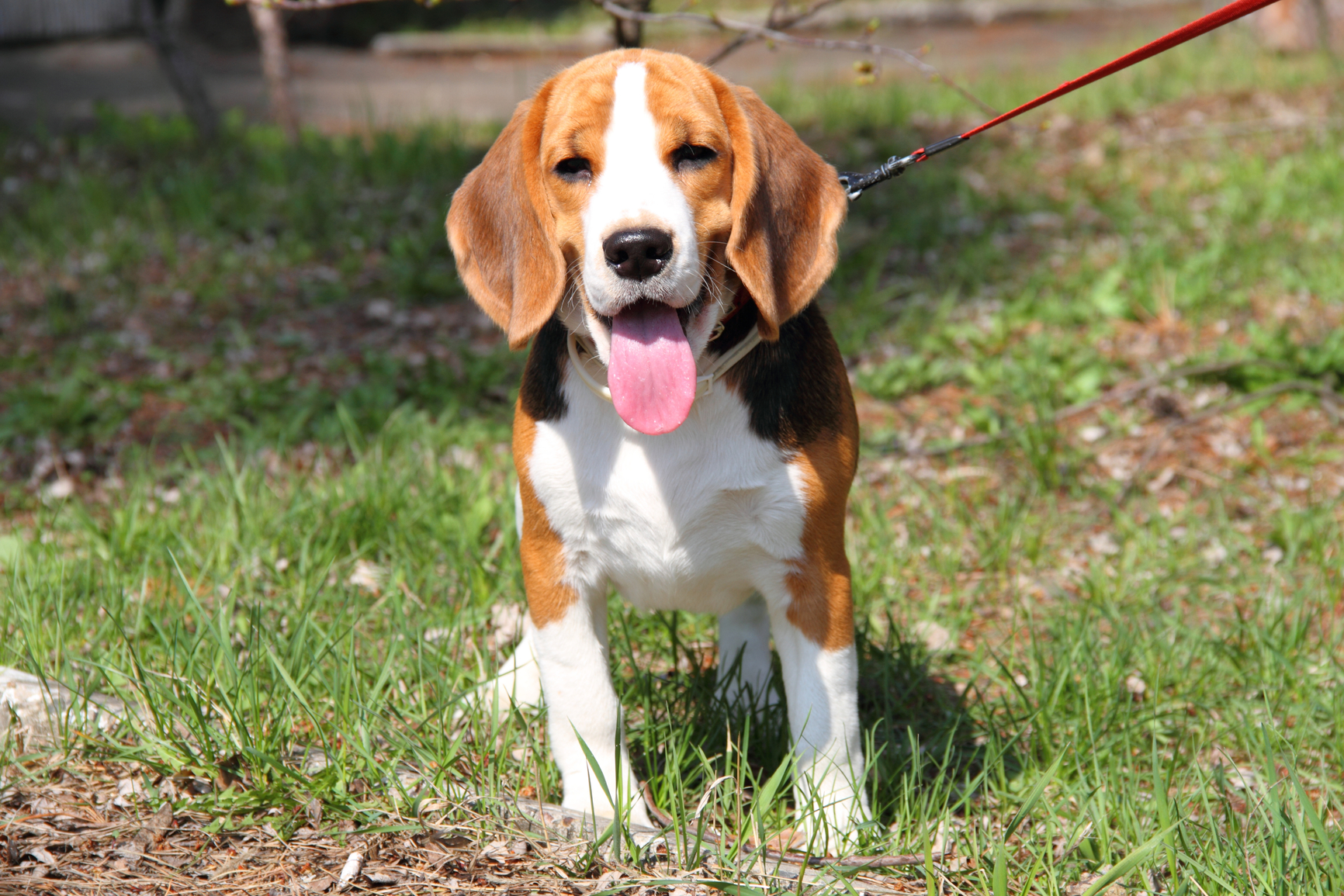
Beagle
“Hello! I’m uber friendly!” Note soft eyes, open mouth and slight panting moving forward.

Not all dogs are comfortable meeting your gregarious greeter. Always stop 15 feet away and ask first. It’s the polite thing to do. If the other dog looks uncomfortable or scared, walk away quickly. Sticking around will make it much worse.

Think of it from a human perspective: Do you shake hands with everyone shopping at the grocery store? “Hi, I see you’re buying grapefruits today. My name is Fanna,” “Hi, those pork chops are lovely. My name is Fanna” or “Oh I buy that type of toilet paper too! My name is Fanna.” Could you imagine?! You would think I was nuts, right? But what if I followed you down an aisle saying, “But I want to meet you. My name is Fanna!” Creepy, especially for people not comfortable greeting strangers!

Instead, while shopping at the grocery store, we make eye contact with a stranger, smile, nod and continue walking past him. When walking past, provide plenty of room by turning sideways, walking down a different aisle or politely allowing a stranger to walk past you because it’s human etiquette. This works in the dog world too! 🙂

My Dog is a Wallflower

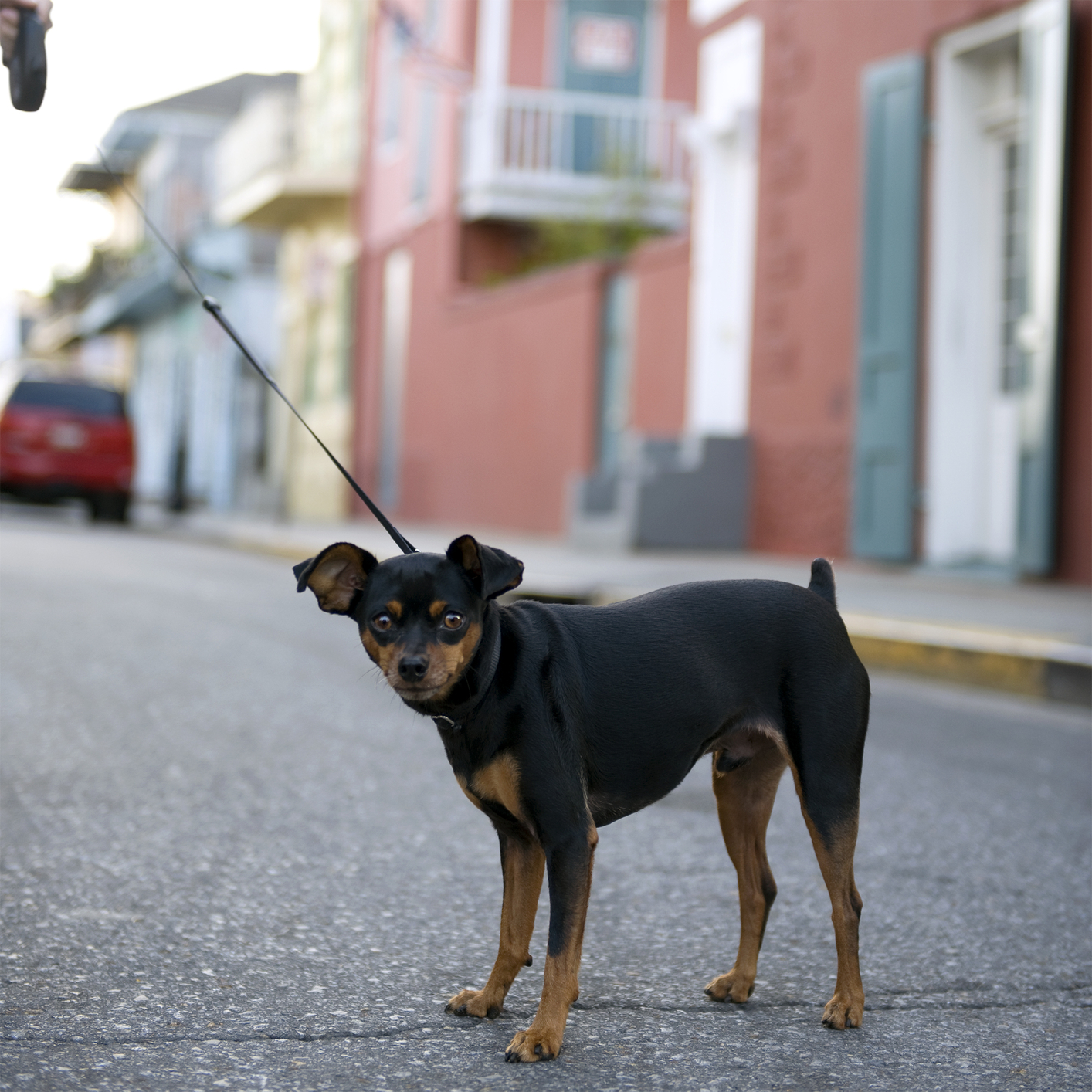
Scared Dog
“Stay away, please!” He’s not sure. Hence, the backwards lean (away from you), mouth closed (no panting), still body and wide eyes.

If your dog finds greeting other dogs stressful, it’s okay. All dogs are individuals. Some are introverts while others are extroverts just like people. An introverted person (withdrawn from strangers) finds attending parties with lots of people torturous. Remember, people are able to control their outcomes. Dogs can’t unless their pet parents notice their uncomfortable behavior around strange dogs or people.

When a dog is forced to meet another dog, scuffles or fights often break out because one dog is not comfortable meeting another dog and tries to disengage using threats. Note, it only takes one scary incident for a dog to become terrified of other dogs. Then the vicious cycle begins. Well meaning pet owners forcibly socialize their newly terrified dogs to fix the aggressive issue, which only makes it worse. Pet owners say, “My dog was really good with other dogs before. So he must need more socialization, right?” This will only make the problem worse.

Never introduce a known aggressive dog to another dog, as this is a recipe for disaster. Socializing known “dog aggressive” dogs will not make your dog better. It will make him much worse. He’s practicing this behavior and we all know practice makes perfect. Plus, there’s a really good chance the other dog, now having a terrible experience, is afraid of other dogs too.

Instead, enroll newly terrified and dog aggressive dogs in a Relaxed Rover class or contact a professional dog trainer or animal behaviorist. By partnering with a professional,  your dog will learn confidence around other dogs while developing skills to engage and disengage greetings without resorting to threats. Shoot, all dogs will benefit from learning these skills. 🙂

Socialization with Boundaries

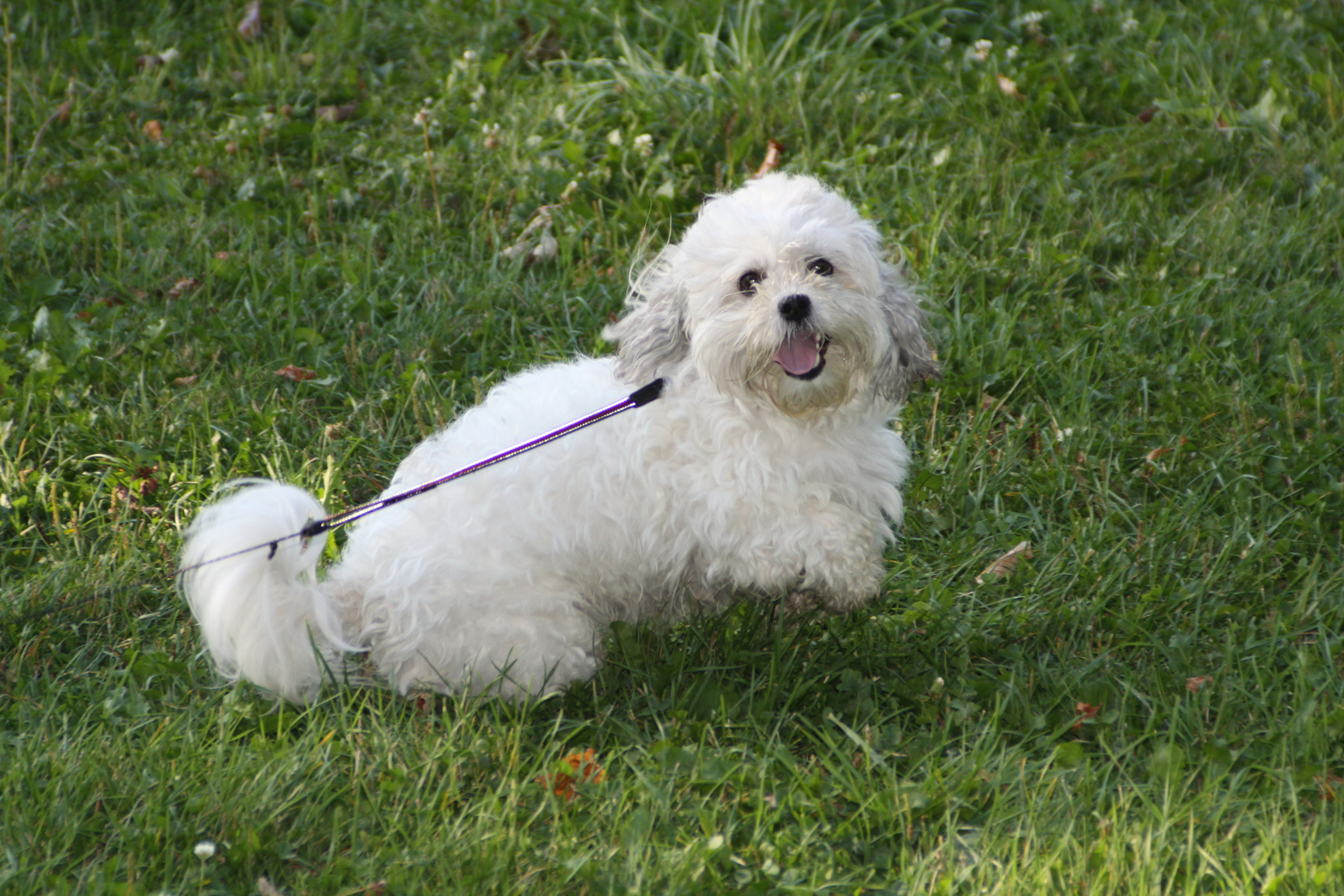
Anxiety in Dogs
“Can we leave? I’m not comfortable.” Note leaning away from you, holding one foot up, ears pulled down and back and worried eyes.

Tip One: Follow your puppy’s or dog’s lead. If he’s not comfortable meeting another dog, walk away (before they greet). You’re teaching polite disengaging behavior by saying “hi” from a distance and politely walking away (remember the nod at the grocery store).

Tip Two: Enroll your puppy in Positive Puppy Manners class and Puppy Playtime after his first puppy vaccination series with a professional dog trainer. If your puppy chooses not to play with other puppies, it’s okay. He probably enjoys human contact more than puppy play.

Allow your dog to choose his friends. Sometimes, dogs and puppies love to play with certain dogs like your neighbor’s or sister’s dog, but he’s not comfortable playing with other dogs. That’s okay too. Personally, I have a tiny group of friends while my sister has unlimited friends, and we came from the same litter. 🙂

Tip Three: When accidentally meeting another dog on leash, allow them to briefly greet for two seconds, then walk away. You’re interrupting the greeting to keep it positive and teaching polite disengaging behaviors. By keeping greetings short with strange dogs, it prevents rude behavior from sneaking up.

Tip Four: If a person and his dog are making a beeline towards your dog, say, “We’re training, sorry,” and step away, turn around or cross the street. Trust me, you’re not being rude by moving away from the approaching pair. You’re speaking up for your dog and he thanks you. 🙂 As for the beelining dog and person, they’re learning that not all dogs should meet, which is a good thing!

I know this is a controversial topic and you can never go wrong by following your dog’s lead. Always socialize, but put a few boundaries in place first. 🙂

Filed Under: Behavior, Clients, Dogs, Training Tagged With: best dog training tips, do dogs want to meet all dogs, dog aggression, dog behavior, dog is aggressive to other dogs, dog socialization tips, dog socializing tips, dog training, Dog Training Tips, how to train dogs, how to train puppies, my dog hates other dogs, obedience training, puppy socialization ideas, puppy socialization tips, puppy training classes, top dog training tips

How to Stop a Puppy From Biting

November 14, 2014 by Fanna Easter

Puppy Biting

Puppy Biting
Learn how to manage puppy biting. Ow! lifeonwhite/Deposit Photos

Pet Parent Question:

I have a question on a new puppy. I’ve always had dogs, and currently have two Yorkies, a Rottie and a new pup. The new pup is a Beagle and Dotsy mix, extremely smart at 12 weeks, completely house and kennel trained — I’ve never had a dog that young be so quick to house train. Though she is a huge biter! By that I mean she brings blood, nothing is off limits — arms, legs, hands, face if she gets close enough. I’ve tried scolding her, stop showing attention, giving chew toys when she bites, and I’m lost. Nothing has worked. I’ve even used a fly swatter, which she will turn and attack. She is very, very active and has a doggie door she can go through and run around, which she definitely does for hours. Any advice that I haven’t tried?

Dog Trainer’s Answer:

Congrats on your new family member and huge congrats on potty/kennel training your new puppy! A high five to a fellow Rottie pet parent! Do know the secret to potty training is providing clear boundaries and rewarding good behavior often, which you did so pat yourself on the back. 🙂

Ah, puppy nipping, or as we say in the dog training world bite inhibition. It’s pretty important to teach your puppy that teeth on skin does not pay. Now, your puppy is probably beginning the teething process and it takes a few times to teach your puppy what he can chew on so hang in there. 🙂

A couple of things to try:

  • Teach boundaries. If you’re rude when playing, the game is over: The moment you feel teeth on your skin squeak loudly, freeze for a moment, then walk away from your puppy. If your puppy chases you or tries to pull on your pant leg, repeat the squeak and freeze. Then walk away.
  • Redirect to a toy. Wiggle a toy in front of your puppy and play a quick game of tug. This redirects your puppy from you and onto the toy — works like a charm.
  • Lastly, spray bitter apple on your arms. Careful though, as some dogs love the taste of bitter apple. When polling my students, over half the puppies love the stuff.

Puppy nipping will pass. This is a normal part of puppyhood. 🙂 Punishment usually makes it worse, as any fast movement is play behavior. Hence, chasing the fly swatter. Just as you did with potty training, set boundaries early and follow them. Soon your new puppy will learn to control those little shark teeth!

Check out my article on puppy nipping. There’s some really good tips on helping your puppy through the teething process to puppy biting.

Happy training!

Do you have a dog or puppy training question? Ask the dog trainer!

Filed Under: Dogs, Training Tagged With: ask a professional dog trainer, ask the dog trainer, ask the dog trainer online, clicker training, dog behavior, dog training, dog training advice, Dog Training Tips, how to train a dog, how to train a puppy, information about dogs, obedience training, puppy biting, puppy nipping, puppy tips, puppy training, puppy training tips

  • « Previous Page
  • 1
  • …
  • 7
  • 8
  • 9
  • 10
  • 11
  • 12
  • Next Page »

About

Dog Training Nation is a community of dog trainers, dog owners and dog lovers. Our mission is to provide trainers and owners valuable information to enrich dogs' lives. We cover a range of topics, from socializing puppies to dealing with aggressive dog behavior to selecting the best dog products. It is our hope you share our content to make the dog and owner world a better place.

​

Facebook

Video

Dog Training Nation is a dog training blog for pet owners and dog lovers. We cover a range of topics from puppy socialization tips to dog aggression to dog health. It is our hope you share our content to make the world a better place for dogs.

Dog Training Nation

Quick Links

Dog Training
Dog Behavior
Dog Training Videos
Become a Dog Trainer
About
Contact Us

Copyright © 2026 · Lifestyle Pro Theme on Genesis Framework · WordPress · Log in