Dog Training Nation

In Dogs We Trust

  • Home
  • Training
    • Dogs
    • Puppies
    • Clients
  • Behavior
    • Breeds
  • Health
  • Safety
  • Resources
    • Equipment
    • Books
  • Dog Training Videos
  • About
You are here: Home / Archives for dog breeds

Thinking Of Getting A Siberian Husky? Read This

October 27, 2017 by Fanna Easter

Things to Know Before Getting a Siberian Husky

Siberian Husky
Zakharov Evgeniy/Adobe Stock

Everyone remembers the first time she saw or met a Siberian Husky. The encounter is truly a magical moment. This dog breed’s striking double coat, coat coloring and gorgeous eyes are true showstoppers with which many pet owners fall instantly in love. Before you buy or rescue a Siberian Husky, there are a few things you should know before adding this stunning breed to your family.

Boy, Do They Shed!

Siberian Huskies shed like a raging January snowstorm in North Dakota. Their beautiful double coat blows out profusely during spring and summer. Daily brushings with the appropriate brushing tools will help, but loose hair will still stick to furniture and clothes, hide in your refrigerator, and land in your mouth. If shedding doesn’t bother you, then consider this breed, but there’s more!

Siberians are Strong

This breed was bred to pull sleds at high speeds, meaning they are super strong. Siberian Huskies can easily pull down or knock over a grown adult, so care must be taken with small children. They move fast and love to run, so it’s important to ensure your lifestyle provides them their daily exercise!

Super Friendly With Everyone

While this breed was created to work in cold climates, they are not fierce protectors. Siberians love everyone and easily jump on and over guests, so teaching polite greeting manners is vital. While Siberians can scare some people with their medium size, plush coat and prick ears, they probably won’t bark enough to protect your home. Many pet owners love this characteristic, and adore their Siberian’s “Walmart greeter” behavior.

They are Not Wolves

Siberian Huskies have risen in popularity lately due to shows, such as “Game of Thrones.” Unfortunately, this has resulted in rescue groups drowning in owner-surrendered dogs. Siberian Huskies are not wolves nor are they even part wolf. They are domesticated dogs. If someone advertises wolf or wolf-hybrid Siberian Huskies, stay away. Sharing your home with a wolf is an entirely different and dangerous situation.

Still Want a Siberian Husky?

If you’re still interested in getting a Siberian Husky, then I’d recommend meeting several Siberians in person at dog shows. Reputable dog breeders show their dogs to a certain strict breed standard and health test all dogs. These are the Siberian Husky experts. Believe it or not, responsible breeders charge the same prices as irresponsible breeders, and responsible breeders provide a lifetime of support. Before purchasing or adopting a Siberian, contact these reputable breeders and rescuers first. Better yet, join the Siberian Husky Club of America.

Take time to learn more about your desired dog breed before bringing him into your home. Knowing what you’re getting into is best for everyone, including the dog.

Filed Under: Breeds, Dogs, Training Tagged With: before buying a Siberian Husky, dog breed information, dog breeds, dog training, Dog Training Tips, how to teach a dog, how to train a dog, owning a siberian husky tips, should i get husky, siberian dog purchase, Siberian husky, siberian husky breed information, siberian husky personality, Siberian husky puppy, things to know about siberian huskies, things to know before adopting a siberian husky, things to know before getting a siberian husky, where to buy a siberian husky puppy

Dog Breed Of The Week: Havanese

December 12, 2016 by Fanna Easter

Havanese Dog Breed Information

Havanese Dog Breed
Dorottya_Mathe/iStock

The Havanese originates from Cuba, and is known as the national dog. While it’s difficult to determine when and how Havanese dogs were exported from Cuba, we do know “Queen Victoria and Charles Dickens” shared their home with this darling breed (Havanese Club of America, 2016). It’s uncertain when the Havanese arrived in the US, but the American Kennel Club (AKC) accepted this dog breed into their club in 1996. Another interesting fact about this breed is the Havanese name serves as both the singular and plural form. 🙂

General Characteristics

For the most part, Havanese are between 8½–11½ inches tall at the shoulder and their weight varies by height. This dog breed’s coat color can come in red brindle, sable brindle, white, gold or any variation in between. Havanese have a longer coat with a bit of texture. It’s believed that Havanese are related to Bichon Frises. This long coat protects Havanese from heat and sunrays because their coats are “extremely light and soft, and insulating against the tropical rays” in Cuba (Havanese Club Of America, 2016).

It’s easy to confuse Havanese with Shih Tzus and Maltese, but if you look closely, you can certainly tell the differences right away. Havanese have a longer muzzle than Shih Tzus and have wider bone structure than Maltese. While Havanese’s coat colors may resemble other breeds, look closely at the texture and you can easily distinguish between the dog breeds.

Health

Havanese are a healthy dog breed, but they’re prone to inherited diseases like most other dogs. Common health issues with this breed include:

  • Eye abnormalities
  • Heart abnormalities
  • Hip dysplasia
  • Patellar luxation (moving kneecap)
  • Elbow dysplasia
  • Legg-Calve-Perthes (abnormal femur head)

Reputable dog breeders will test all dogs for inherited diseases before breeding them. If health screenings and tests show an adult Havanese is afflicted with any of these inherited issues, they will be spayed and neutered immediately. If someone claims their dogs have no inherited health issues, they’re lying.

Grooming Havanese

As with all long-coated dogs, Havanese need daily brushings and weekly baths. If you choose to keep your Havanese coat’s clipped short, you should maintain it every 6-7 weeks. Of course, you should also keep your dog’s nails trimmed to an acceptable length (i.e. nails shouldn’t touch the floor) and brush his or her teeth daily.

Exercise & Dog Training Needs

Even though they’re small dogs, they do need daily exercise. Plan to walk your Havanese at least 30 minutes per day, and provide mental stimulation games and puzzles during mealtime. Havanese puppies should be enrolled in a Puppy group class between 10-16 weeks of age and a Basic Manners group class between 4-6 months of age. As with all dogs, Havanese do best with positive reinforcement dog training methods.

Where to Find Havanese

Of course, adopting a Havanese from a rescue is always best because you’re saving a life. If you decide to purchase a puppy or dog, please choose a reputable Havanese breeder. It’s important to note that reputable breeders charge the same amount or less for a puppy unlike unethical breeders. Plus, responsible breeders will guarantee your dog’s health for his or her entire life and will take your puppy or adult dog. To find out more about this dog breed, please visit the Havanese Club of America. This website is packed with invaluable information about this happy little breed.

Filed Under: Behavior, Breeds Tagged With: dog breeds, dog training, Dog Training Tips, havanese breed information, havanese dog, havanese dog training, havanese puppy

Why Montreal’s City-Wide Pit Bull Ban Isn’t The Answer

October 3, 2016 by Fanna Easter

Pit Bull Bans: Why Montreal is Wrong

Pit Bull Bans
GregCourville/iStock

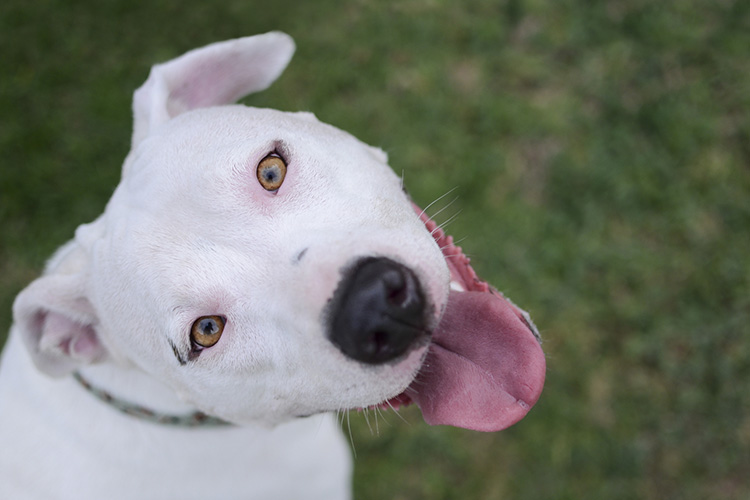
The City of Montreal passed a Pit Bull ban on Tuesday, September 27. New ownership of Pit Bulls and Pit Bull mixes are now banned from the city as of Monday, October 3. Previous pet owners of Pit Bulls or Pit Bull-type breeds are obligated to follow strict new laws.

Those laws require Pit Bull owners to:

  • Pay $150 for special permitting
  • Complete a criminal background check
  • Sterilize, microchip and vaccinate their dogs
  • Keep their dogs muzzled and leashed in public

If you’re not outraged yet, it gets worse. Montreal has mandated all Pit Bulls and Pit Bull mixes currently in rescue or animal control to be euthanized.

Yes, you read that right. Montreal just wrote a death sentence for innocent dogs, and this death sentence is based on complete ignorance. This new and absurd Pit Bull ban goes into effect today, and I’m livid about it.

I’m angry, and you should be too.

History of Breed-Specific Legislation

Over the last decade, American Pit Bull Terriers have been the target of completely biased discrimination. It started across the pond in Europe where the country began banning certain breeds to reduce dog bite incidents. The idea of banning what they considered were dangerous dog breeds trickled worldwide.

Not only were thousands of innocent dogs killed due to breed-specific legislation, but many families were also forced into expensive legal battles to keep their dogs. Unfortunately, many pet owners lost the legal fight and their furry family members had to pay the ultimate price.

When dog breed banning was introduced to the US, it had a domino effect. Banning certain breeds of dogs spread through cities and states like wildfire. Interestingly, breed banning picked up momentum when mainstream media discovered a huge bump in ratings while covering Pit Bull maulings. The media used this to their advantage and began reporting on Pit Bull incidents.

Within weeks, US media broadcasted anything related to Pit Bulls, continuing to paint Pit Bulls as dangerous dogs. When Pit Bull bites decreased, media then shifted their focus to mixed breed dogs that resembled Pit Bulls. Eventually, the media would cover other dog breeds and make them look vicious too.

RELATED: Training Pit Bulls

What is Considered a Dangerous Dog

Don’t get me wrong, there are certainly dangerous dogs in the world, but that’s based on behavior and not appearance. As a professional dog trainer, I’ve met scary dogs of all sizes and shapes. I knew these dogs could certainly do some damage if provoked. Sure, large dog bites will hurt more than bites from smaller dogs, but does that constitute banning all large dog breeds? American Pit Bull Terriers are actually smaller than Labrador Retrievers and Golden Retrievers, yet they’re the most popular dog breeds.

Pit Bulls Don’t Have More Powerful Bites

Pit Bull dogs don’t have a higher pressure per square inch (PSI) bite compared to other dogs nor do they have a “locking jaw.” Both of these ridiculous allegations are Pit Bull myths. Dr. Lehr Brisbin of the University of Georgia states: “The few studies which have been conducted of the structure of the skulls, mandibles and teeth of Pit Bulls show that, in proportion to their size, their jaw structure and thus its inferred functional morphology, is no different than that of any breed of dog.” (American Pit Bull Foundation, n.d.)

Pit Bulls Aren’t the Only Breed That Gets Banned

When breed-specific legislation became common practice, cities and countries quickly added additional breeds to their dog ban list. Within days, dog breed banning lists included Rottweilers, Bull Terriers, American Staffordshire Terriers, Dalmatians, Shari Peis, Bulldogs, German Shepherd Dogs, Dobermans, Rhodesian Ridgebacks, any type of Mastiff dogs and Chow Chows. Toso Inus, Dogo Argentinos and Fila Brasilerios were also added to breed bans worldwide despite being rare dog breeds. Are cities, states and countries jumping on the breed banning bandwagon? It sure seems so!

RELATED: Do Different Dog Breeds Learn Differently?

Mixed breeds are targets too. If a dog is mixed with any of the above-mentioned breeds, they’re subjected to dog ban laws as well. I’m not sure how those laws work because identifying Pit Bull mixes isn’t that easy. I’ve trained dogs for more than 23 years, and I can’t identify Pit Bull mixes. Plus, who am I to judge a dog’s fate by his appearance? Montreal passed a Pit Bull breed ban after a “Pit Bull” had killed a woman. The part that confuses me is the dog wasn’t even a Pit Bull. DNA results proved otherwise!

Why Breed Banning Doesn’t Work!

Laws are meant to keep everyone safe, including dogs. When breed-specific legislation spread across the world, something interesting happened. Studies found that banning certain breeds of dogs doesn’t work. Banning dog breeds doesn’t stop or decrease dog bites. Data shows dog bites continue to rise in areas where certain breeds of dogs are banned.

When city officials picked up on this data, many overturned Pit Bull bans. Entire countries even lifted their breed bans. Armed with this data, I don’t understand how the City of Montreal legally passed its new Pit Bull ban law when data clearly shows banning dog breeds doesn’t work.

Moreover, a task force found that the public’s safety hadn’t improved as a result of a Pit Bull ban. The county had spent more than $250,000 per year to round up and destroy banned dogs, yet safety levels remained the same (American Bar Association, 2009).

When researching credible dog bite data online, question the motive of certain organizations that cherry-pick data. Choose reputable sources with actual experts, such as the American Bar Association, CDC, ASPCA, HSUS and American Veterinary Medical Association.

What You Can Do to Save Innocent Dogs

“Doing nothing basically means you agree with the current situation.” This quote haunts me every time I stumble across an injustice. We need to do something and we need to do it now. When we work together, we can move mountains!

We can still overturn this Pit Bull law. Canadian veterinarians, Montreal SPCA, American Bar Association, outraged pet owners and ordinary people are voicing their opinions about this new law. Contact city officials or sign a petition here. If you’re a writer or blogger, please share your thoughts on Montreal’s horrible decision.

Dogs don’t have a voice, but we do. Please speak for all dogs today.

Filed Under: Breeds, Dogs, Resources, Safety, Training Tagged With: breed specific legislation, dog breeds, dog training, Dog Training Tips, how to stop pit bull ban, how to teach a dog, how to train a dog, montreal pit bull ban, pit bulls

About

Dog Training Nation is a community of dog trainers, dog owners and dog lovers. Our mission is to provide trainers and owners valuable information to enrich dogs' lives. We cover a range of topics, from socializing puppies to dealing with aggressive dog behavior to selecting the best dog products. It is our hope you share our content to make the dog and owner world a better place.

​

Facebook

Video

Dog Training Nation is a dog training blog for pet owners and dog lovers. We cover a range of topics from puppy socialization tips to dog aggression to dog health. It is our hope you share our content to make the world a better place for dogs.

Dog Training Nation

Quick Links

Dog Training
Dog Behavior
Dog Training Videos
Become a Dog Trainer
About
Contact Us

Copyright © 2026 · Lifestyle Pro Theme on Genesis Framework · WordPress · Log in
