Dog Training Nation

In Dogs We Trust

  • Home
  • Training
    • Dogs
    • Puppies
    • Clients
  • Behavior
    • Breeds
  • Health
  • Safety
  • Resources
    • Equipment
    • Books
  • Dog Training Videos
  • About
You are here: Home / Archives for dog trainer tips

Solutions To Common Dog Training Mistakes

May 24, 2017 by Fanna Easter

Don’t Make These Dog Training Mistakes Again
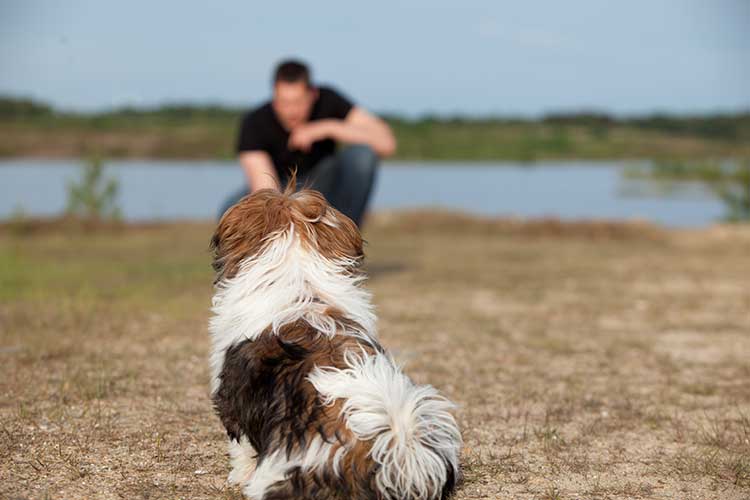
Dog Training
DNF-Style/Adobe Stock

Everyone makes dog training mistakes; it’s part of the learning process. When mistakes happen, it’s important to recognize and learn from them and leave frustration at the door. If you’re making these common mistakes in dog training, give these simple solutions a try!

Mistake #1: Ego Getting in the Way

Solution: Record Your Sessions

Human egos can quickly interfere a dog training session. When pet owners justify that their choices were right and their dogs were wrong, that’s ego creeping in. Justification rears its ugly head when pet owners blame their dogs for certain choices when actually their dogs didn’t know what else to do instead.

It’s hard to hear it, but the human ego is part of each dog training mistake made. As humans, we assume we’re right and our dogs are “just not getting it.” Instead of assuming, look at each dog training session from the perspective of a learner.

Still not convinced? Record your dog training sessions using a dog camera and review afterwards. Are your instructions clear to you? If you’re still not convinced, mute the video and ask a truthful friend what behavior you’re teaching in the video. If you nor someone else aren’t sure, then your dog certainly isn’t either.

Mistake #2: Touching Your Dog

Solution: Use a Clicker and Treats

Humans are very tactile, resulting in numerous mistakes during dog training sessions. When teaching new dog training behaviors, refrain from touching, pushing, pulling or forcing a dog into a behavior. Physically reaching out and touching dogs get in the way.

Use a hands off approach via clicker and treats instead. At first, it might be difficult using new dog training techniques because you’re learning something new, but it’s so worth it. (Remember, your dog is learning to adapt to this training technique as well!)

Hands off dog training means no physical or verbal corrections either. Remove your dog’s leash when practicing behaviors in your home. If your dog disengages, then you need better treats or your dog will become completely confused. For dog training sessions outdoors, attach your dog’s leash to a body harness instead of a collar. This prevents collar corrections.

Taking a hands off approach to training your dog will boost your dog’s success. Quickly reward any of your dog’s attempts toward the desired behavior. As a rule, you should be rewarding more than withholding treats.

If your dog makes a mistake—remember, it’s part of the learning process—just withhold a treat. Take a break and rethink your training plan, and keep your ego in check please.

Mistake #3: Using Low Value Treats

Solution: Use Treats Your Dog Loves

Dog training treats are your dog’s paycheck, so pay him or her extremely well. Using treats during training is not bribery; it’s far from it. Rewarding good behaviors with yummy treats works, and it works super fast. High value treats include chopped up hot dogs, baked chicken, cheese cubes or anything your dog absolutely adores. Using a high value treat will make training your dog so much easier because your dog wants to earn it.

Mistake #4: Using Huge Cheese Chunks

Solution: Break Treats Into Small Pieces

Break training treats into small pieces. Pea-sized treats work best for all dogs. Clicking and tossing pea-sized treats ensures excitement during training, and sessions move quickly with lots of success.

While it’s tempting to toss a huge cheese chunk every time, it’s actually slowing down the process. Dogs take forever to eat a cheese chunk (well, most do), and they’ll fill up on the treat fast. There’s nothing wrong with tossing a cheese chunk, but use it strategically.

Save large cheese chunks for breakthrough moments, such as your dog responding to a cue for the first time, ignoring another dog or coming when called.

Mistake #5: Making Assumptions

Solution: Practice the Behavior

Again, the human ego is the cause of this common dog training mistake. Pet owners assume things too quickly, and will justify why their dogs should know a cue. Do the following sound familiar?

  • “But he’s done this behavior before.”
  • “He knows how to do this.”
  • “She’s ignoring me.”
  • “She knows better.”
  • “He’s choosing not to listen to me.”
  • “This is the first time this has happened.”

This is justification. Instead of assuming and justifying, teach your dog the behavior. 🙂

Dogs ignore a cue for two reasons: 1) They’ve never practiced the behavior in a specific situation before (e.g. a squirrel runs in front of them) or 2) They’re confused. So many times, pet owners convince themselves that canine confusion doesn’t exist, and their dogs should know the behavior.

Yes, human ego rears its ugly head again. Practice a behavior in a myriad of situations, including an environment where a squirrel runs in front of your dog. Always remember, dogs are a living soul, not a robot, so understand they may not respond every time.

Happy Training!

Filed Under: Behavior, Clients, Training Tagged With: common dog training mistakes, dog obedience mistakes, dog obedience tips, dog trainer advice, dog trainer tips, dog training, dog training errors, dog training mistakes, Dog Training Tips, how to train a dog, my dog stopped listening to me, stubborn dog training

Dogs Find Choices Very Rewarding

March 3, 2017 by Fanna Easter

Choice Dog Training

Easiest Way to Train a Dog
alexei_tm/Adobe Stock

As with everything in life, trends appear, stick around or rapidly disappear. Lately, a new dog training trend focuses on giving dogs choices during the training process. This “trend” puzzles me a bit because choices should be a part of all dog training. Dogs deserve choices, and sometimes dogs find choices more rewarding than food. Below, we show you the easiest way to train a dog through choices.

How Choice Dog Training Works

Dogs should be allowed to make choices during training sessions and in life. At first, this concept scares most pet owners and a few dog trainers alike. However, giving dogs choices actually speeds up training when dogs learn they’re able to control their environment.

Making choices in situations is super empowering, and giving dogs the ability to make their own teaches them to trust their pet owners completely. As humans, we must honor our dog’s choice and not push the issue. This is where pet owners become concerned and confused, as they’re envisioning dogs walking across kitchen countertops or running freely through the neighborhood. Nope, you’ve envisioned the pendulum swinging too far.

Instead, you reward your dog for making the right choice, which increases the likelihood that your dog’s certain behavior will happen again.

Giving Your Dog a Choice

Participation is a huge choice that most dogs don’t enjoy. Many dogs don’t have a choice, and are forced to participate during vet visits or petting from strangers. Some dogs dislike having their nails trimmed, and will growl whenever someone reaches for or touches their feet.

Example: Dog Dislikes Nail Trims

The first step is to acknowledge whether or not your dog is worried about nail trims. Then, teach your dog that touching his feet and trimming his nails make hot dogs appear when he chooses to participate.

Sit on the floor with diced up hot dogs in your lap. Click and reward your dog for walking up to you. Yes, hot dogs are encouraging your dog to walk over to you, but we want to reward dogs for choosing to walk toward us.

Reward your dog a couple of times for walking over to and standing near you, then reach toward his paw, but don’t touch it. If your dog pulls his paw away, sit still and return your hand back into your lap. It’s no big deal. At first, your dog might look a bit confused because this might be the first time he’s given a choice.

Some dogs may back away, and that’s fine. If your dog chooses to walk away, at anytime, honor your dog’s choice. Wait a few seconds, and reward him when he chooses to walk toward you again. Remember, you’re holding something he wants (hot dogs).

Reach for his paw again. Click/treat when he chooses to stand still (doesn’t move backwards or pulls foot away from you). Practice 2-3 times, and then end the session. Continue to practice slowly until your dog allows you to touch his paw and eventually trim his nails.

Honoring Your Dog’s Choices

When pet owners honor their dog’s choice, something magical happens. Dogs learn that they’re able to stop something scary without becoming aggressive. Also, they learn that their pet owner won’t force the issue. This is empowerment at its finest, and it will positively change your dog’s behavior.

Forcing a dog to comply gets you nowhere and actually stops the learning process. This type of dog training has nothing to do with “everybody wins a trophy” phenomena. Instead, it’s based on learning principles, consequences and scientific data.

Choice dog training is the easiest way to train a dog, so why not use it?

Filed Under: Behavior, Dogs, Training Tagged With: choice dog training, dog trainer tips, dog training, Dog Training Tips, easiest way to train a dog, give your dog choices, how to teach a dog, how to train a dog, tips for training your dog

Leash Corrections & Leash Pops Don’t Work

November 16, 2016 by Fanna Easter

Dog Training: The Problem With Leash Corrections

Leash Corrections Don't Work
Smitt/iStock

Punishment is an extremely controversial subject, and highly debated between parents, grandparents and even dog trainers. Most pro or con debaters quickly take a position and fiercely argue why it’s the only option available. But I don’t think anyone really hears each other between the name-calling, finger-pointing, flaming social media posts and so on.

While I’m not a parenting expert, I’m certainly an expert in dog training. With that said, I’d like to explain why leash corrections are an issue. Leash corrections are when you pull on your dog’s leash to get him to do something. They’re also called leash pops.

Before firmly digging in and protesting, please take a moment to understand why leash corrections are bad. Seeing both sides makes for a well-rounded person. Allow me to explain why and show research proving leash pops do more harm than good.

Leash Corrections Don’t Teach Dogs Anything

When correcting your dog with a leash pop, you’re not really teaching your dog anything. Many years ago, I worked for a huge pet retailer where an older and very wise District Manager leader once said, “Anyone can tell someone what he or she did wrong, but a great leader teaches him or her what to do instead.”

That resonated with me on another level. I understood those principles from a dog training perspective, but to watch a proven leader teach his team how to excel in every situation using his motto was extremely powerful.

Physical or verbal corrections will destroy your relationship with your dog. I’ve personally witnessed how leash corrections ruined the bond between dog and owner many times. Pet owners swear their dogs “appreciate fair corrections because they’re done with love.” Yet, their dogs’ body language would say otherwise.

Punishing is more rewarding to the punisher than the punished. That statement probably stings, but it’s true—even Dr. Phil agrees.

It’s Not Your Dog’s Fault

Pet owners become frustrated with their dogs, and then take their frustrations out on their dogs. Anything and everything that goes wrong during the learning process is blamed on the dog. In my 20-plus-years of dog training, I’ve only witnessed one pet owner take responsibility. Another invaluable quote I learned the hard way will always stay with me is: “As a teacher, it’s our job to teach a learner. If the learner is confused, the teacher did something wrong.”

A Valuable Lesson From Training My Fish Dribble

While completing a 6-month-long national dog training certification program, I had to train a non-canine species to perform certain tasks. Teaching a fish to perform tasks was super exciting and really challenged my animal training skills. Here’s a tiny gilled animal floating around in water that couldn’t care less what I did or didn’t do. This quote stays near my heart because it’s true: When Dribble (my blue betta) became confused, it was my job to figure out a better way.

When dogs (fish or humans) become confused, they either stop moving, choose to do something else or leave. If your dog doesn’t respond to a cue, he’s either confused or wasn’t trained to do otherwise. The learner is right, my dear reader. 🙂 As a pet owner, it’s your job to teach your dog how to co-exist politely with humans.

As for Dribble, he learned quickly and so did I! Plus, he lived a long and happy life and performed his learned behaviors every day. 🙂

Why Punishment is a Slippery Slope

Now, back to leash corrections. Most pet owners justify their uses of leash pops, or punishment, with the following reasons:

  • “My dog stopped listening to me.”
  • “He knows better.”
  • “She knows what I’m asking her to do.”

All three reasons boil down to: “My dog embarrassed me, so I corrected him.” Or “I had to chase you for 10 minutes, and I’m going to punish you because I’m frustrated” or even “How dare you do that to me?”

These are also the same reasons why dog owners scream “no” at a dog. And if you disagree, you’re not being completely honest with yourself. Are you happy when giving your dog leash pops? 99.9% of pet owners punish their dogs when disappointed. Leash corrections are used to indicate “wrong choice,” but we all know the “no” command is meaningless.

Take Responsibility

I’m aware that life isn’t filled with rainbows, unicorns and sunshine all the time. Though, I do know how we react to life is most important. Yes, your dog will chew a hole straight through your mattress, hike his leg and pee on your leg during an important presentation, and knock you down so hard that both shoes fall off (all true stories), but how you react is key.

Next time you become frustrated during a dog training session or in any other scenario, take a moment to breathe deeply. Excuse yourself or hand your leash over to a friend, walk away, and compose yourself. Once you calm down, it’s your duty to figure out a better way to teach your dog that doesn’t involve punishment. That’s what all great teachers do.

If your dog misbehaves, use that opportunity to reteach a behavior and practice it in the situation that caused your dog to run off, ignore your cue, jump up on someone or dash through the door. Don’t punish. Teach your dog what is expected of him in that situation instead. 

This is More Than Just My Opinion

Many naysayers will claim this is just my opinion. While that’s true to a certain extent, I’ve based my opinion on scientific learning principles that have been proven time and time again. Shoot, these are the same principles Dr. Phil uses with children and adults. These learning principles work for humans, dogs, cats, tigers, dolphins and even snails. We all learn the same way, and saying punishment must be used with certain breeds of dogs is completely ridiculous. And dare I say, a bit disrespectful too. All humans are taught the same, so why are we breed discriminating?

Times have changed and research has finally caught up with dog training. It’s time to embrace dog training methods that work instead of listening to or reading outdated material. Your dog deserves it. 🙂

Filed Under: Behavior, Clients, Training Tagged With: best dog trainer tips, dog leash corrections, dog obedience tips, dog trainer tips, dog training, Dog Training Tips, how to correct a dog, how to correct a puppy, how to punish a dog for bad behavior, how to punish a puppy for bad behavior, how to teach a dog, how to train a dog, positive dog trainer tips, positive dog training tips, problem with punishing your dog, problem with punishing your puppy, punishment dog, puppy obedience tips, should you correct your dog, should you correct your puppy, teaching a dog, training a dog

Dog Shock Collars are Cruel and Unnecessary

July 20, 2016 by Fanna Easter

Dog Shock Collars: They Hurt and They Don’t Work

Dog Shock Collars
GalpinPhotos/iStock

A few days ago, I stumbled upon a news article in which a mother was accused of shocking her toddler with one of these dog shock collars. What? Is this article for real?

Unfortunately, it’s very real and the mother is being prosecuted for child abuse. She had witnessed a pet owner using a shock collar on his dog to change the dog’s behavior. She thought the collar would change her toddler’s behavior too, so she shocked her child whenever he wouldn’t swallow food or didn’t potty in the toilet. I’ll spare all the gory details because it’s truly disturbing. However, if you want to read the full article, click here.

The world and I were disgusted that a mother would shock her child, but don’t we use shock collars to train dogs every day? Is there a difference?

Why It’s Upsetting

As a positive reinforcement dog trainer, I don’t use shock collars for dogs and stay clear from people who use them. I guess it’s my way of ignoring the problem. However, when I read this news article pertaining to a mother shocking her child, my heart dropped and that angry fire started burning inside me again. I asked myself, “Why are we still using dog shock collars?”

Everyone has a right to do as he pleases unless he’s harming someone else. For the most part, adults have a voice and can defend themselves if someone hurts them. They’ll fight back or press charges, or even do both. I don’t pick sides and I try to stay out of other people’s business, but when a voiceless and defenseless child or animal is hurt, I get really angry.

Dog Shock Collars Cause Pain

There is no reason to shock an animal. I’ll never be convinced that shocking or physically hurting an animal will teach it quicker, faster, more efficiently or more humanely. I’ll never believe any and all other buzzwords that further defend the use of pain during training.


Dr. Karen Overall, MA, VMD, PhD, DACVB, believes everyone should understand that:
“The use of shock is not treatment for pets with behavioral concerns;
the use of shock is not a way forward;
the use of shock does not bring dogs back from the brink of euthanasia; instead, it may send them there, and;
such adversarial techniques have negative consequences that those promoting these techniques either dismiss or ignore.”


I Used to Train Dogs With Shock Collars

You’re probably thinking I’m that dog trainer with limited dog training experience who has only used positive reinforcement methods. That’s not true. More than 25 years ago, I trained dogs with electronic collars (or e-collars), pinch collars and choke chains because that’s all I had known.

As I became more experienced, I knew something was wrong. I felt icky shocking a dog if he made the wrong choice. The look in his eyes would say everything. After a decade of training this way, I learned that rewarding good behavior instead of correcting bad behavior was the best way to train dogs (or any living creature for that matter).

Not only did my dog training skills improve, but my group classes were much happier too. We celebrated wins instead of waiting for bad things to happen, so we could correct them.

Oh yes, I’m on my soap box! If everyone clasps their pearls when they hear a mother shocking a defenseless child, why don’t they react the same way when a pet owner shocks a defenseless dog? Dog shock collars hurt. I’ve tried them on my leg, arm and neck at the lowest settings possible. Even knowing the shock was coming, it would still hurt. Shock collars don’t deliver a tickle, vibration or a buzzing sound. They stinking hurt.

Research Proves Shock Collars for Dogs Hurt

If you don’t find dog shock collars painful, you’re fooling yourself. Research has finally caught up and proven that shock collars do cause dogs harm. If you’re interested, you can find the latest research here and here. There’s more than a dozen research findings by real experts in this article too. The results all point to the same painful conclusion.

You may also be interested in: The Real Reason Why Dog Trainers Dislike Cesar Milan

Shock Collars Aren’t the Last Resort

Dog shock collars aren’t the last resort for saving a troubled dog’s life. I highly doubt you would consciously choose shock therapy to save your life. However, you have a choice whereas a child or dog doesn’t. Positive reinforcement dog training works better and quicker and changes dog behavior.

All creatures should be treated humanely because it’s the right thing to do regardless of your beliefs. I’m stepping off my soap box now and I strongly hope this article will stop at least one pet owner or dog trainer from purchasing or using a shock collar on a dog. As for new dog trainers entering the pet industry, you don’t have to use these painful collars. You can find much better ways to train dogs.

Choose to be kind. It’s the right thing to do.

Filed Under: Dogs, Equipment, Resources, Safety, Training Tagged With: ask a dog trainer, dog behavior, dog trainer advice, dog trainer tips, dog training, Dog Training Tips, electronic collar dog, how to teach a dog, how to train a dog, how to train a puppy, shock collar dogs, should I use a shock collar on my dog, should I use a shock collar on my puppy, stop barking behavior, stop dog barking

Confessions of a Dog Owner: I’m Not Getting the Most Out of Class

July 22, 2015 by Fanna Easter

How to Get the Most Out of Your Dog Training Class

Dog Training Classes
amadeys/Deposit Photos

Committing to weekly group class sessions can be challenging, but it’s worth it. Make each class session count. It’s all about time management sprinkled with preparation and a dash of understanding your environment.

Arrive Early

Plan on arriving early, meaning you’re parking at the dog training center 10 minutes before class begins. This extra time cushion provides time for gathering treats, finding your clicker or giving your dog a quick potty break. Five minutes before class, find a corner spot inside and set all your stuff down so you are both ready for class to start.

If your dog is nervous about classes, arriving early provides extra adjustment time before other excited dogs begin filing in. For easily excited dogs, arriving early keeps your dog calm because you’re not rushing or piling in with the masses.

Bring Plenty of High Value Treats

Yes! The night before class, select and chop up high value treats into pea-sized portions. Plan on bringing 50-100 tiny treats per class session. It seems like too many treats, but usually it amounts to one cheese stick or hotdog if portioned correctly. If there’s extra treats after class, let your dog race the treat bag on the drive home or freeze large amounts of leftovers for next week’s class.

Running out of treats during class will halt your progress. Either you stand still and watch others practice or you’re running into the retail area purchasing more treats. Either way, you’ve wasted at least five to 10 minutes. This usually happens during demonstration time (i.e. the dog trainer provides feedback while you practice), which is a crucial part of the learning process for you and your dog.

If you’re busy, try this time-saving tip: Place cut-up treats in a plastic bag and keep refrigerated. When running home to pick up your dog, grab the plastic bag and shove in your bait bag or purse. Keep an extra clicker in the car along with extra poop bags, as clickers always go missing it seems (maybe they’re hiding with all those missing socks). Voila, you’re all set!

RELATED: Choosing Dog Training Treats

Keep Your Distance

By arriving early, you can choose your spot before others arrive. Usually, corner spots work best for easily distracted or nervous dogs. Corner spots allow more wiggle room, so you’re able to control distance between other dogs and handlers. Distance is important, especially during the learning process, because it ensures your dog focuses on you until he learns polite behaviors. When in doubt, take a few steps back from other teams, and keep and maintain a three- to five-feet bubble from others.

Ask Questions If Confused

The worst thing you could do is leave class confused and frustrated. Usually, this happens during lecture time when the dog trainer is explaining how to teach your dog a new behavior. If you’re confused, raise your hand and say so politely. More than likely, you’re not the only one.

If you’re confused, the dog trainer didn’t explain correctly. Yes, it’s true. A dog trainer’s (teacher) job is to explain how to teach dog behaviors effectively so all dog owners (students) understand how to teach their dogs. Remember this when your dog (student) becomes confused because you (teacher) may need to explain it differently too. 🙂

RELATED: Is Your Dog Confused?

As a dog trainer, I’m constantly interpreting your body language and checking in, so I can usually tell if you’re confused. There are moments when I’ve misread the group and everyone is doing their own things. That’s my fault.  If I spot several confused expressions or someone staring into space, it’s my job as a dog trainer to stop and figure out how to explain it better. When new behaviors go seamlessly, I pat myself on the back.

Stay After With Questions

If you’re still confused, stay after class and ask more questions. Usually a third of the dog training class stays afterwards with questions pertaining to the session or behaviors at home, so be prepared to wait. Sometimes, a few seconds of one-on-one with a dog trainer answers your questions immediately.

If you’re pressed for time, plan to email your questions within 24 hours. Quickly emailing questions ensures you remember valuable details, which is important to understand the situation. Email is hard to interpret sometimes, but hopefully your dog trainer is able to send links to answer your questions and provide further research on specific topics.

Practice at Home

Practicing at home is very important! Ninety percent of behavior issues happen at home, so practicing within your environment is vital. Post homework sheets in a visible area, such as the refrigerator, and read thoroughly.

Set aside five minutes per day for practicing. Keep dog training sessions short (one to two minutes) and practice throughout the day. Another good thing about practicing at home is you can control distractions, which is not the case at the dog training center. 🙂

The secret to teaching foolproof behaviors is teaching and practicing at home, so you can polish them during group class!

Happy training!

Filed Under: Dogs, Puppies, Training Tagged With: confused at dog training class, dog is scared of dog class, dog trainer tips, dog training, dog training class tips, Dog Training Tips, getting the most out of dog training class, homework after dog training class, how many treats to bring dog training class, how to teach a dog, how to train a dog, my dog is hyper at class, teach a dog, train a dog, what kind of treats for dog class, what to bring to class, what to expect during dog training class

  • 1
  • 2
  • 3
  • Next Page »

About

Dog Training Nation is a community of dog trainers, dog owners and dog lovers. Our mission is to provide trainers and owners valuable information to enrich dogs' lives. We cover a range of topics, from socializing puppies to dealing with aggressive dog behavior to selecting the best dog products. It is our hope you share our content to make the dog and owner world a better place.

​

Facebook

Video

Dog Training Nation is a dog training blog for pet owners and dog lovers. We cover a range of topics from puppy socialization tips to dog aggression to dog health. It is our hope you share our content to make the world a better place for dogs.

Dog Training Nation

Quick Links

Dog Training
Dog Behavior
Dog Training Videos
Become a Dog Trainer
About
Contact Us

Copyright © 2026 · Lifestyle Pro Theme on Genesis Framework · WordPress · Log in