Dog Training Nation

In Dogs We Trust

  • Home
  • Training
    • Dogs
    • Puppies
    • Clients
  • Behavior
    • Breeds
  • Health
  • Safety
  • Resources
    • Equipment
    • Books
  • Dog Training Videos
  • About
You are here: Home / Archives for dog training

Dog Training And Human Ego: Not A Good Mix

February 20, 2017 by Fanna Easter

Leave Your Ego Behind During Dog Training
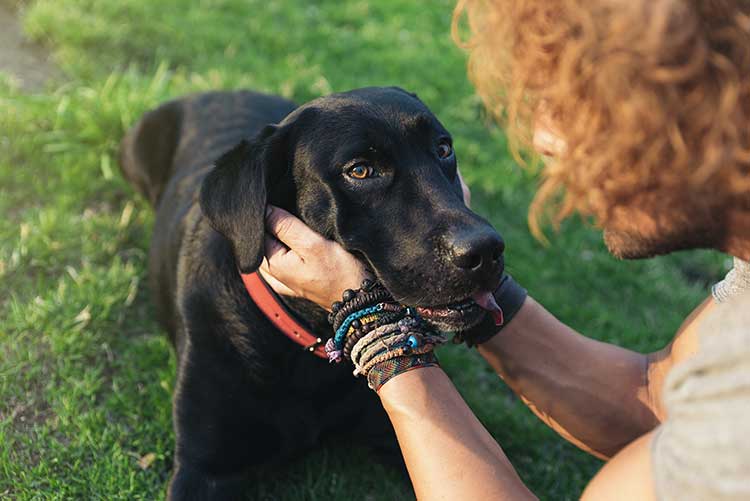
Dog Training
santypan/Adobe Stock

As humans, we try our best to stay out of our own way, but it’s so hard. While humans are extraordinarily complex, we overthink situations and our ego gets in the way. Human egos will certainly derail dog training, which ultimately hold back a dog’s progress. Here’s how to check your ego at the door when training your dog.

How to Not Let Your Ego Get in the Way

Give Your Dog Space

Learning happens best when humans aren’t around. When dogs learn, humans want to be a part of it, which is a good thing. However, it’s better when dogs learn how to make good choices on their own without help from their pet owners. Sometimes, humans just get in the way, unfortunately.

Think about changing behavior this way: It’s better for a dog to choose how to positively react and be rewarded than having someone tell him what to do instead. It’s like cutting out the middleman—a dog learns how to behave politely when no one else is around. Now, that’s freedom for a dog!

Cater to Your Dog’s Personality

Every dog is an individual, and learns on his or her own time. Assuming Labrador Retrievers learn quicker than Basset Hounds is false. I know some Basset Hounds that fly through agility courses. Some dogs punch in and work fiercely while others prefer frequent breaks. Each dog personality has its pluses and minuses, so it’s important for pet owners to understand their dogs’ learning style and adapt to it. Take your time; there’s no hurry.

Laugh and Let It Go

Oh, this is a big one! Dogs aren’t pre-programmed machines, so they make hilarious choices sometimes. Instead of frowning with embarrassment, laugh it off! Every pet owner has been in your shoes, including dog trainers. Once, I had a male Rottweiler urinate on my leg while presenting to a large group of fellow dog trainers. Consumed with teaching, I didn’t notice it until my sock felt warm. Everyone giggled and I laughed until I almost urinated myself. Mistakes happen. It’s a valuable part of the learning process. Don’t sweat the small stuff; laugh it off and move on.

[perfectpullquote align=”right” cite=”” link=”” color=”” class=”” size=””]Dogs aren’t plotting against you.[/perfectpullquote]

Stop the Blame Game

Learning is difficult, yet necessary. Mistakes are part of the learning process. When challenges pop up, and they will, take a break and reevaluate the situation. Assuming your dog is stubborn when things become difficult won’t help the situation. When this happens, the pet owner is playing the blame game.

Dogs aren’t plotting against you. They’re simply doing what works for them, or they don’t know what else to do in that situation. Before teaching your dog a new behavior, decide what you want him to do instead, so your dog training plan is super clear. When a learner (dog) is stuck, it’s up to the teacher (pet owner) to figure out how to solve the issue.

Pet owners will become frustrated when training dogs. It’s that ego again. The moment frustration bubbles up, or your dog becomes confused, take a break and reevaluate the entire situation. 

UP NEXT: 7 Tips on Being a Responsible Dog Owner

Filed Under: Clients, Training Tagged With: dog training, Dog Training Tips, help for dog training, how to teach a dog, how to train a dog, human ego dog training, my dog is stubborn, my dog won't listen, teaching your dog, tips for owner dog training, training a dog

Deaf Dog Training: How To Stop Barking

February 13, 2017 by Fanna Easter

How to Stop a Deaf Dog From Barking

Deaf Dog Training
alexei_tm/Adobe Stock

All dogs bark just like humans talk and birds chirp; it’s natural dog behavior. However, when dogs bark incessantly, this can become an issue with neighbors. Plus, barking is annoying and frustrating to pet owners too. When barking happens, it’s important to teach dogs to do something other than bark. This principle applies to deaf dogs too. Learn how to stop your deaf dog from barking.

Why Deaf Dogs Bark

First, let’s address this question. Do dogs bark if they’re deaf? Yes, deaf dogs still bark and they bark for numerous reasons. Frustration is usually the main cause for excessive deaf dog barking. When deaf dogs are frustrated, barking becomes a calming mechanism in a way. Think about it this way: When people are nervous, they talk a lot. It’s an easy way to calm oneself when stressed or frustrated. Soon, deaf dogs learn to bark every time they’re frustrated and hence excessive barking.

Sounds and visual stimuli are other reasons deaf dogs bark. While hearing impaired dogs are unable to hear certain distractions, they’re able to see. Hearing impaired dogs will bark whenever they see people and dogs walking nearby too. Plus, deaf dogs learn super quickly. When their pet owners walk to the front door, they’ve learned that someone is there and will bark.

On the flip side, hearing impaired dogs will bark when they’re excited too. It’s fun when visitors walk through the door or their pet owners arrive home from work. By far, this deaf dog behavior is the easiest to redirect with toys and games.

Training a Deaf Dog Not to Bark

Take a day or two to figure out what causes your deaf dog to bark. Once a trigger is discovered, it’s time to get busy and teach your dog to do something else besides bark. You’ll need lots of super yummy treats, a pen flashlight (as a marker) and leash. In the beginning, set your dog up for success by keeping him leashed until he understands what to do instead of bark.

For Visual Stimuli

It’s best to take a two-prong approach and use management tools to change your dog’s behavior. One way to manage your dog’s behavior is to block access to windows facing foot traffic with baby gates. If blocking access is impossible, keep curtains and blinds closed. For a deaf dog that barks at visual stimuli when you’re away, consider crating your dog.

To stop your deaf dog from barking, leash your dog and stand next to the window with super yummy treats. Ask a friend to walk on the sidewalk and wait for your hearing impaired dog to stop barking. It will happen, even if it’s just for a nanosecond, so catch it when it does. The moment your deaf dog stops barking, point the pen flashlight near his front feet and give him a treat. Continue to practice 1-2 minutes per day.

For Frustration

Hearing impaired dogs become frustrated for many reasons. If visual stimuli are an issue, follow the above recommended dog behavior protocol. For bored dogs, it’s important to offer daily mental stimulation. Take your deaf dog for a 30-minute walk every day, feed meals using interactive dog toys and hire a pet sitter for midday walks. Playing a game of tug or fetch is an excellent way to release pent-up stress too. You can also purchase a food dispensing toy, such as Pet Tutor, to reinforce quiet behavior while you’re away.

When Professional Help is Needed

Hiring a positive reinforcement dog trainer is always a good idea, especially if he or she has experience with deaf dogs. Having a dog training expert in your home is worth its weight in gold! Deaf dogs can suffer from separation anxiety or general anxiety as well. When in doubt, bring a professional into the mix to pinpoint exactly what’s going on.

Filed Under: Dogs, Training Tagged With: deaf dog anxiety, deaf dog barks, deaf dog frustration, deaf dog whines, dog training, Dog Training Tips, how to teach a dog, how to train a dog, stop deaf dog from barking, stop hearing impaired dog from barking, why deaf dog barks

A Guide To Training A Hearing Impaired Dog

February 8, 2017 by Fanna Easter

Tips on Training a Hearing Impaired Dog

Training Deaf Dogs
whyframeshot/Adobe Stock

Regardless of age, anxiety, fearfulness or physical disabilities, all dogs are able to learn. Since every dog is an individual, pet owners should tweak their positive reinforcement training style to accommodate each dog’s needs. When training a hearing impaired dog, it’s important to follow the same principles of learning while adding a few tweaks to accommodate their hearing impairment.

Use a Tiny Penlight & Yummy Treats

Using a marker word and super yummy treats is the easiest way to teach or reinforce a dog’s behavior. However, since hearing impaired dogs are unable to hear a marker word, you need to engage their other senses, such as sight.

Replace a verbal marker with the flash of a tiny penlight. Remember, a marker provides valuable information to your dog during a dog training session. It’s like taking a picture in time and saying “yes, that’s the behavior that earned you a treat.” Using a penlight as a marker works quickly. I once taught a betta fish how to “touch” and swim through a hoop within a day using a penlight and fruit fly rewards.

When using a pen flashlight, point it on the ground right between your dog’s front feet. When a hearing impaired dog does something right, click the pen flashlight on and off. It should take less than a second. Every time you click the flashlight on/off, give your dog a super yummy treat.

Never point the light in your dog’s eyes because she can see the flash even during daylight hours—a shaded area may work best during bright sunlight. When a dog training session is complete, put dog treats and the flashlight away in a cabinet, which signals to your dog that the training session is done.

RELATED: Choosing the Right Dog Monitor Camera for Your Home

Train a Hearing Impaired Dog the “Look At Me” Cue

While sound isn’t a distraction to hearing impaired dogs, movement is. It’s important to train a hearing impaired dog to look at you when given a cue. At first, mark (using a penlight) and reward your dog every time she looks at you during a training session. Start in a low distraction area, such as inside your home, and practice 1-2 minutes each day. Once your dog learns to look at your face, it’s time to add a cue.

A hearing impaired dog will likely ignore a hand signal because she’s looking at something else, so in this case physical touch works great. During a training session, when your dog looks at you, mark and toss the earned treat a couple of feet away from you.

After your dog eats the treat, lightly touch your dog’s right shoulder and wait for your dog to “look at you.” When this happens, flash your penlight and toss the earned treat a couple of feet away. Continue touching your dog’s shoulder and waiting for your dog to look at you. Then, mark and toss a treat. Quickly, your dog will learn that a touch on her right shoulder means to look at you.

Teach Hand Signals

Dogs learn hand signals rather quickly because you use them often. Before training a hearing impaired dog polite manners, choose a hand signal for each behavior. Here are a few suggestions for hand signals:

  • Come: Squat down and hold arms out.
  • Down: Lower flattened hand (palm facing down) downward from waist.
  • Sit: Raise flattened hand (palm facing up) upward from waist.
  • Walk on loose leash: Wearing a leash is the cue not to pull.

Always Keep Hearing Impaired Dogs on Leash

Movement is very distracting, so keep a hearing impaired dog on leash at all times. If they run away, hearing impaired dogs won’t be able to hear a verbal “come” cue nor approaching cars. Keep your hearing impaired dog on leash whenever you leave your house or you’re in a yard without a fence.

[perfectpullquote align=”full” cite=”” link=”” color=”” class=”” size=””]Shocking a dog is cruel, and shocking a hearing impaired dog is animal abuse. [/perfectpullquote]

Stay Way From Shock Collars

There is no reason a hearing impaired dog should wear a shock collar even at the lowest setting. Shock collars hurt. Don’t believe me? Put one against your throat and have someone else press the button. Yes, it stings. Shocking a dog is cruel, and shocking a hearing impaired dog is animal abuse. Keeping a hearing impaired dog on leash and teaching her life-saving cues work better than shocking her.

Filed Under: Dogs, Training Tagged With: best way to train a deaf dog, can deaf dogs learn, dog training, Dog Training Tips, hearing impaired dogs, how to teach a dog, how to train a deaf dog, how to train a dog, living with a deaf dog, training a deaf dog, training a hearing impaired dog

What To Do If You See A Tethered Dog

February 6, 2017 by Fanna Easter

Helping Tethered Dogs

Tethering Dogs
Yuri Kravchenko/Adobe Stock

I’m visiting my family in rural south Louisiana for a few weeks. My family lives in a very affluent neighborhood, but I noticed something odd quickly upon arrival. A close neighbor had a tethered dog in her front yard. Before I could mutter a single word, my mother said, “I’ve called Animal Control and the police. There’s nothing I can do for this poor dog.” Hum, let’s see about that.

It goes without saying: Tethering dogs is cruel. Please never chain a dog. If you notice a dog tethered outside, please say something to the owner. Dogs don’t have a voice, but we do.

Check County Ordinances

With easy access to the Internet today, it’s super simple to find city (or parish in Louisiana) ordinances online. Once you’ve found your county’s ordinances and laws, browse for the chained or tethering dog section. This can usually be found within ordinances pertaining to dogs, animals or animal cruelty.

Is Tethering Dogs Legal?

Every county is different when it comes to tethering dog laws, but most counties require tethered dogs to have access to food, fresh water and shelter. Additionally, pet owners may not deny dogs access from food, water or shelter for more than 24 hours. (24 hours is a long time in Louisiana heat.) You may also find strict dog chain length requirements for your county.

RELATED: What You Need to Know About HOA Pet Restrictions

My Experience

In the beginning, my family called Animal Control because this dog didn’t have shelter from Louisiana’s sweltering summer temperatures. About 24 hours after Animal Control spoke with the owner, a huge Igloo dog house was provided and the dog was tethered to a longer chain per specific county recommendations. However, this poor dog would run around in circles, shortening her chain, which restricted access to shade and water.

Well, I started taking videos and pictures every time the dog was restricted from shade and water as documentation. Apparently, the owner noticed me standing in the road taking pictures and recording her dog. Shortly after documenting, I noticed the owner started walking outdoors to unwind her dog’s chain and pour fresh water in the bowl. She knew I was watching.

Talking to the Dog’s Owner

By far, this was the hardest part. Somehow, I pulled together every bit of patience possible, walked over and knocked on the door while smiling. A middle-aged woman opened the door smiling back. After a few polite pleasantries, I expressed my concern about her dog tethered up in her yard. She explained that her German Shepherd Dog didn’t get along with her other dogs, so it was chained up. Being the dog trainer that I am, I offered her a few tips on keeping dogs separated indoors using dog crates. The owner thanked me for my advice sincerely.

Within a day or two, I noticed this young German Shepherd Dog was brought inside at night. By morning, she was chained up outside again, but at least it was a start. I will continue to educate and document for this poor dog’s sake. If you see a tethered dog, I advise you to read these tips before confronting the dog’s owner.

Be a dog’s voice because she doesn’t have one. Please.

READ NEXT: 7 Tips on Being a Responsible Dog Owner

Filed Under: Clients, Resources, Training Tagged With: chained dog outside, dog training, Dog Training Tips, how to help a chained dog outside, is it legal to chain your dog outside, neighbor with chained dog

How To Keep Multiple Dogs Calm When The Doorbell Rings

February 3, 2017 by Fanna Easter

Training Multiple Dogs to Stop Excessive Barking

Stop Excessive Barking
Stieber/iStock

A new client with three small dogs recently contacted me about excessive dog barking. She explained how her three dogs would bark insanely whenever someone rang the doorbell or knocked on the door. She’d get extremely frustrated and embarrassed when guests came over, and she just wanted her dogs calm when the doorbell rings.

When I arrived and rang the doorbell, I’m sure her neighbors three blocks away heard these dogs barking. We quickly went to work during our private consultation, and we taught each dog how to keep calm when the doorbell rings or someone knocks. Even better, my client learned how to reinforce quiet behavior.

Changing the behavior of multiple dogs may seem daunting, but it’s actually quite simple when following a few dog training tips. During our private consultation, it took 10 minutes to teach three small dogs to bark only once when the doorbell rang, and this included breaks. My client seems to be having tremendous success as well. 🙂

How to Train Multiple Dogs to Stop Barking

Choose High Value Rewards

When training multiple dogs, it’s best to use super yummy rewards. Remember, treats are a dog’s currency; it’s how he’s paid for doing a good job. Dogs love baked chicken, cheese chunks or diced up hot dogs, which can be found at any grocery store. Before a dog training session, chop treats into pea-sized bites and place inside a plastic zip bag for easy access.

Teach One Dog at a Time

It’s easiest to train one dog at a time, and then slowly add another dog into the mix. When choosing your first dog to teach, select the barkiest dog of the bunch. Usually, one dog starts the barking session and gets the others riled up—choose this feisty little one.

It’s important to focus on the barkiest dog first because it sets the other dogs up for success. Keep the other dogs in your bedroom with the door closed. If they bark while you’re training the first dog, know that it’s OK and it won’t affect their training later.

Teach Self-Control First

Grab your diced up dog training treats and get started. While standing, reward your dog for keeping all four feet on the floor or for sitting. You don’t need to cue your dog; just wait for it to happen. Reward your dog every time he chooses to stand or sit, so he quickly learns that this behavior makes hot dog pieces rain from the sky.

If your dog remains sitting and standing, which is the goal, toss his earned treat about 2-3 feet away from him. This way, he must stand up and walk away to get his earned treat. When this happens, wait for him to sit or stand next to you again, then reward. Trust me, once your dog figures out that “four feet on the floor” makes hot dogs rain from your hands, he’ll happily stand for you.

Rewarding a dog for sitting or standing teaches him self-control, rewards him for quiet behavior and teaches him how to earn treats. Once your dog can stand or sit for a few seconds, it’s time to focus on the ringing doorbell.

Have Someone Ring the Doorbell

Ask a friend to step outside and ring the doorbell. Usually, a very barky dog will bark a couple of times, then suddenly remember that standing or sitting quietly makes treats appear. The moment your dog stops barking, say “yes” and reward him by tossing a treat by your feet. Continue having your friend ring the doorbell a few more times and reward your quiet dog.

Tossing food next to your feet teaches your dog to stay or return back to you, which prevents him from running up to the front door. If your dog continues to bark, say his name, which will likely cause him to stop barking. When this happens, say “yes” and reward. Take a short break before introducing the second dog.

Now, Train Two Dogs

Once your first dog learns to bark once or twice at the doorbell, then sits or stands quietly, it’s time to introduce your second dog. Walk over and let the second dog out for a dog training session. Usually, the second dog will come running down the hallway, because she’s excited to participate in the fun.

Reward both dogs for sitting or standing still next to you. When giving out treats, prevent your dogs from fighting over treats by extending your hand out and placing the treat in the dog’s mouth that earned it. Then, reward the dog that offers the sit or stand behavior first, and wait for the other dog to figure it out.

When training two dogs together, it’s amazing how fast the second dog learns when watching the first dog. Once both dogs will stand or sit next to you for a few minutes, it’s time to practice with the doorbell.

Ask a friend to step outside and ring the doorbell again. As the doorbell rings, your second dog will likely look over at the first dog, bark a couple of times, then choose to stop barking just like your first dog. When this happens, reward both dogs for being quiet. Continue to practice and reward both dogs for choosing to remain quiet. After 1-2 minutes, take a short break before adding the last dog into the dog training session.

Train All Three Dogs

Now that two dogs have learned to stand or sit quietly when the doorbell rings, your last dog will quickly pick up this dog behavior. Ask a friend to step outside again and ring the doorbell. The moment each dog chooses to be quiet, say “yes” and reward. Practice a few more times, then end the session.

Practice Several Times Per Week

In the beginning, practice 1-2 minutes per day. During the first week, you’ll notice a huge decrease in dogs barking at the doorbell. After the first week, keep practicing 3-4 times per week with dog training sessions lasting 1-2 minutes. Use high value treats or bits of your dog’s kibble during mealtime. Practice reminds each dog how to keep calm when the doorbell rings regardless if it’s visiting guests or the FedEx guy.

Soon, you’ll happily show off your dogs’ polite doorbell skills to guests. 🙂

Filed Under: Clients, Dogs, Training Tagged With: dog barks at doorbell, dog training, Dog Training Tips, dogs barking at door, how to stop dog barking at doorbell, how to teach a dog, how to train a dog, multiple dogs bark at doorbell, stops dogs from barking at doorbell, teaching a dog, training a dog

  • « Previous Page
  • 1
  • …
  • 18
  • 19
  • 20
  • 21
  • 22
  • …
  • 49
  • Next Page »

About

Dog Training Nation is a community of dog trainers, dog owners and dog lovers. Our mission is to provide trainers and owners valuable information to enrich dogs' lives. We cover a range of topics, from socializing puppies to dealing with aggressive dog behavior to selecting the best dog products. It is our hope you share our content to make the dog and owner world a better place.

​

Facebook

Video

Dog Training Nation is a dog training blog for pet owners and dog lovers. We cover a range of topics from puppy socialization tips to dog aggression to dog health. It is our hope you share our content to make the world a better place for dogs.

Dog Training Nation

Quick Links

Dog Training
Dog Behavior
Dog Training Videos
Become a Dog Trainer
About
Contact Us

Copyright © 2026 · Lifestyle Pro Theme on Genesis Framework · WordPress · Log in