Dog Training Nation

In Dogs We Trust

  • Home
  • Training
    • Dogs
    • Puppies
    • Clients
  • Behavior
    • Breeds
  • Health
  • Safety
  • Resources
    • Equipment
    • Books
  • Dog Training Videos
  • About
You are here: Home / Archives for dog training

What to Do When Leaving Your Dog Alone

November 9, 2016 by Fanna Easter

Tips for Leaving Your Dog Alone
Leaving Your Puppy Alone for 8 Hours
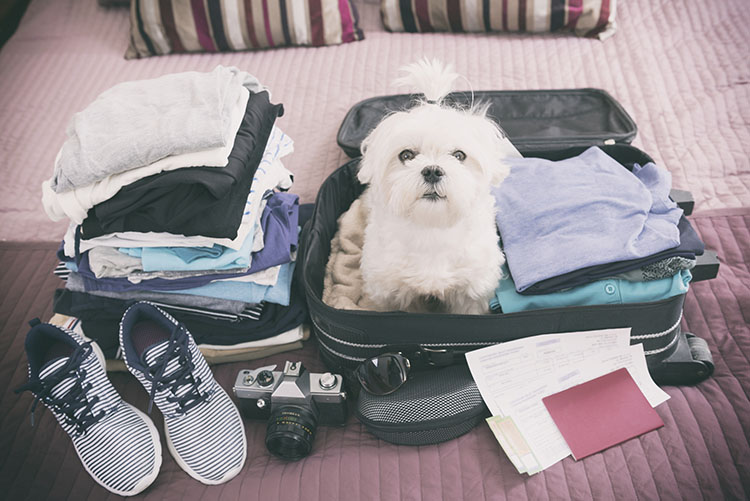
Please don’t leave.
humonia/iStock

Oh oh, the suitcase is out. Now your dog knows you’re leaving.

It’s amazing how quickly dogs understand very subtle cues that indicate you’re leaving for vacation, work, errands or outdoors to check the mail. Next time your dog looks worried when you’re reaching for your car keys, try these dog training tips to positively change his behavior.

Pair Goods Things With Leaving

The first tip for leaving your dog alone for 8 hours is to pair good things with the action of you leaving. When we pair good things in certain situations, we teach dogs that good things happen during those situations. Think about it this way: if you’re waiting for a server to bring you a glass of wine at a restaurant, you become frustrated if it takes long. But if your server offers complimentary appetizers while you wait, it’s not so bad. Now, what if it rains $100 bills while you wait? That’s even better! You learn that waiting patiently is a good thing. 🙂

As pet owners, it’s our job to find what our dogs absolutely love! This is the first step to positively changing your dog’s behavior. Once we find it, it’s time to pair good things with leaving your dog home. Check out these examples of good things that can be paired with the action of you leaving:

  • Kong filled with layers of baked chicken and peanut butter
  • Canned food stuffed inside an interactive toy that’s been frozen overnight
  • Fetch with your partner
  • Sprinkled kibble along a huge area rug

But, How Does Your Dog Know You’re Leaving?

This next step takes a bit of detective work. While getting ready for work, watch your dog’s body language. It’s important to find which action cues your dog that you’re leaving him alone. While you assume grabbing your car keys is a cue, trust me, your dog knew way beforehand—just like getting out the suitcase is a dead giveaway.

To successfully change your dog’s behavior when you leave for work or vacation, it’s important to find the very first cue that tips your dog off. Does your dog’s face change when you’re taking a shower, running the water for your shower, combing your hair, putting out your work clothes or moving quickly around the house? My dog knows something is up the moment I touch my hair straightener. 🙂

Once you’ve figured out exactly what cues your dog that you’re leaving, it’s time to pair good things with that cue.

RELATED: Separation Anxiety in Dogs

Reiterate That Good Things Happen When You Leave

It’s important to pair something good with your “I’m leaving home” cue. As you touch your hair straightener, take a shower or put on cologne, give your dog a food stuffed toy to enjoy. If another person plans to stay home while you’re away, ask him or her to play ball with your dog outdoors. This keeps your dog happily distracted and busy with something they love.

Good things shouldn’t stop there though. Toss your dog another food stuffed toy as you’re heading out the door too. This further pairs good things with you leaving home. After a game of fetch, your family member can toss your dog a food stuffed toy to enjoy afterwards. This prevents your dog from wandering around the house looking for you. If this seems like a lot of food, split your dog’s daily meals into frozen food stuffed treats. Now, you can head off to work guilt-free. 🙂

Pair Goods Things 95% of the Time

To be effective, good things must happen often during stressful times. If it doesn’t happen often enough, it won’t work. Keep frozen food stuffed toys in the freezer for easy access. Give your dog a delicious bully stick to enjoy while you’re getting ready for work. When it’s time to head out the door and leave your dog alone, trade the bully stick for a food stuffed toy and voila! Aim to pair good things about 95% of the time.

Now, it’s time to change your behavior too. The moment you feel a tinge of guilt develop in the pit of your tummy, picture your dog happily playing or licking a yummy food toy. 🙂
Filed Under: Behavior, Dogs, Puppies, Resources, Training Tagged With: dog cries when I leave, dog gets upset when you leave home, dog hates staying home alone, dog hates when I leave, dog training, Dog Training Tips, I feel guilty leaving dog home alone, puppies cries when I leave, puppy hates when I leave, separation anxiety dog, tips to prevent separation anxiety dogs, tips to prevent separation anxiety puppies

6 Ridiculous, Yet Common Dog Myths Dispelled

November 4, 2016 by Fanna Easter

Dog Myths Dispelled: Know Your Dog Facts

Dog Myths
AprilCarlsonPhotography/iStock

You’ve heard these dog myths before, I’m sure. Every pet owner has encountered myths about dogs from well meaning animal lovers, and it’s time to dispel these dog myths. While growing up in South Louisiana, people would say that feeding a dog gunpowder will make them mean. Um, no. It will make them sick; not aggressive.

Believe it or not, I heard these 6 ridiculous dog myths this week and I’m here to debunk them.

Giving Your Dog Human Food Will Cause Begging Behavior


via GIPHY
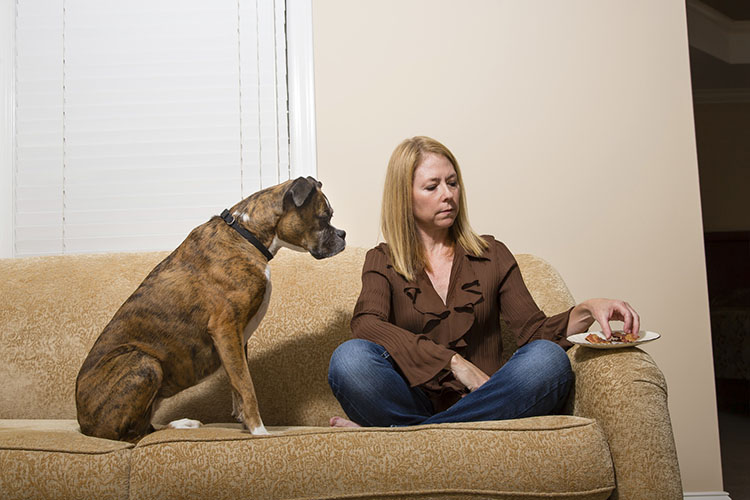
False. Giving your dog “people” food won’t cause your dog to beg. Now, giving your dog food (even his own kibble) from your dinner plate or the dining room table will teach your dog to beg.

Think about it this way: If someone hands out cupcakes or $10 bills by the toilet, you would hang around the toilet if you like cupcakes and money. In a nutshell, if good things happen in specific areas, your dog will learn to hang out there. Instead of handing your dog food tidbits from the dinner table, give your dog a food-filled Kong in his crate. That way, you can enjoy your meal and your dog learns that dog crates mean peanut butter Kongs (a good thing!).

Your Dog’s Warm Nose Means He’s Sick


via GIPHY
Nope, this is false too. Your dog’s nose reacts to the temperature or humidity and not illness. Dogs’ noses will look and feel warm, especially after a long nap. If your dog acts differently, hides in another room, refuses to eat or drink, limps, vomits, or has loose stool, then he’s probably sick.

Dogs Eat Grass Because They Have Worms


via GIPHY
False. Dogs eat grass because they like it, especially young green grass that grows during springtime. When dogs eat grass, it’s best to keep them outdoors for a few more minutes, as most will vomit afterwards. If you notice worms in your dog’s poop or around his anus, then it’s time for a vet visit.

Humping Dogs are Seeking Dominance


via GIPHY
This is false too. Humping is a normal part of play behavior; it has nothing to do with dominance. When playing, each dog has his or her own specific play style. Some dogs pull ears, others grab another dog’s hocks and some dogs hump. If the humpee feels uncomfortable, he moves away and the humper learns to change his play style or no one will play with him.

Allow Dogs to Work It Out


via GIPHY
Beyond false. Never allow dogs to work it out, ever. Allowing dogs to work it out will teach dogs to fight it out. If one dog is bullying another dog and the scared dog is unable to get away, he will fight to get away. This is called fight or flight behavior. If you’re unable to leave a scary situation, then you’ll fight to get away. When in doubt, interrupt or prevent your dog’s behavior and consult an experienced positive reinforcement dog trainer.

Dogs Run Through Doorways First to Show Dominance


via GIPHY
Nope, this is false too. Dogs run through doorways first because they weren’t taught differently. It has nothing to do with dominance. If you’re walking toward a doorway, such as the back door, your dog runs through the door because he wants to go outside. That’s it, I promise. Now, it’s the pet owner’s job to teach a dog to wait at the door. This prevents dogs from running out and getting hurt.

What’s the craziest dog myth you’ve ever heard? I promise I won’t laugh. I may giggle a bit, but won’t laugh.

Filed Under: Behavior, Clients, Resources, Training Tagged With: does giving dog's human food cause begging, dog dominance, dog myths, dog training, Dog Training Tips, dog warm nose mean he's sick, dominance myth, stop dog begging, stop dog humping, stop puppy begging, warm dog nose mean sick, what causes a dog to beg, what dogs hump, why does my dog bed

Why You Shouldn’t Teach Your Dog the “No” Command

November 2, 2016 by Fanna Easter

The “No” Command is Meaningless

Teach Dog No
VehicleShoot/iStock

Honestly, some dogs have learned “no” is their name. It’s true, as a dog trainer, I’ve watched pet owners say “no, No, NO” over and over again to their dogs. Sometimes, the “no” command makes up the entire interaction between pet owners and their dogs. Not only is this puzzling and depressing, but it also doesn’t work.

Dogs learn to tune out unimportant information and the “no” command soon becomes background noise. So, let’s look at this word differently and see if “no” even teaches your dog anything. The answer just might surprise you.

What Does the “No” Command Mean?

Seriously, what does “no” mean? It could mean:

  • Stop that
  • Don’t move
  • Stay there
  • Don’t look at me
  • Don’t walk toward me
  • Stop touching me
  • Stop licking
  • Stop jumping
  • Don’t run away
  • Don’t dig
  • Stop barking
  • Wrong
  • Stop pulling

“No” has multiple meanings, so when telling your dog “no,” what are you asking your dog to do? It gets confusing, especially for the dog. Basically, telling a dog to stop doing something is the most common reason pet owners say “no.” Here’s the tricky part though: if your dog stops doing a behavior (i.e. barking, jumping, pulling, or growling), what do you want your dog to do instead? Before you answer, let’s visit this scenario from a human perspective.

Let’s say you and your husband go out to dinner. As you’re driving down the road, you notice that your husband is speeding. The moment you notice he’s speeding, you tell her “no.” In this situation, what are you asking her to do? “No” could mean take your hands off the wheel, close your eyes, turn around, look at you, stop the car or go faster. The word “no” provides little information. Instead, say “please slow down” and your husband will lift his foot off the accelerator.

Does “N0” Teach Your Dog Anything?

It really doesn’t. Instead of saying “no,” teach your dog an alternative behavior. When teaching your dog an alternative behavior, you’re rewarding a behavior that’s opposite of what you’re asking your dog to stop doing. This may sound complicated, but it’s actually quite easy and works quickly. Basically, you’re asking your dog to do this instead of that. Check out these examples:

  • If your dog is jumping on guests, ask your dog to “sit” instead.
  • When a dog barks, reward her for being quiet.
  • If your dog potties inside your home, reward her when she potties outside.
  • When your dog pulls on leash, reward a loose leash.
  • If your dog moves around while brushing, reward your dog when she stands still.
  • If your dog runs away from you, reward your dog for running toward you.
  • If your dog tries to eat food on the ground, teach the “leave it” cue and reward when she “leaves it.”
  • If your dog has something in her mouth, teach “trade game.”

Believe it or not, teaching and rewarding an alternative behavior works every time! Instead of focusing on what your dog did wrong, figure out what your dog should do instead. Here’s a huge hint: choose the opposite behavior. It’s really hard for a dog to jump and sit at the same time. 🙂

Should You Teach Your Dog the “No” Command?

No, you shouldn’t. Remember the word “no” is meaningless. Instead, teach your dog what to do instead. When I explain this “no” concept, most pet owners ask, “Well, what should I say when my dog is running toward a busy road?” My response to that is: “Teach your dog a rocket recall, and say “Rover, come here” when this happens. Then, reward your dog thoroughly with treats and tons of praise.” Screaming “no” won’t stop your dog from running away. I wish it were that simple.

Beware of dog trainers and websites claiming that dogs must learn the “no” command. Remember, “no” could mean anything. Plus, “no” means nothing during the learning process. If you were learning a foreign language, such as French, and I said “no” when you spoke French, what am I teaching you? Not to speak French, it would seem. But, if I asked you to pronounce a French word differently, that would help you learn quicker and faster. It’s the same with dogs, horses, snails, fish and even children. Teach an alternative behavior instead of saying “no.”

Teaching an alternative behavior may seem a bit different, but it’s the best way to stop unwanted dog behavior. Before saying “no,” figure out what your dog should do instead. Remember, teach your dog to do this instead of that!

Filed Under: Behavior, Dogs, Training Tagged With: does your puppy understand what no means, dog doesn't know what no means, dog doesn't understand no, dog training, Dog Training Tips, how to teach a dog, how to train a dog, my dog won't listen when I say no, show dog no, teach dog no, teaching a dog, teaching your dog no, teaching your puppy no, train dog to respond to no, training a dog, training your dog no

Celebrate Your Dog’s Birthday With A Cake

October 19, 2016 by Fanna Easter

4 Dog Birthday Cake Ideas Your Dog Will Love

Dog Birthday Cake Ideas
MaximFesenko/iStock

Dogs are fuzzy members of our families, so it’s important to celebrate their birthdays or “gotcha” days. And what’s a birthday without a cake, right? Regardless of your dog’s dietary needs, there’s a birthday cake for every dog—even a raw food version. Check out these yummy and tummy-friendly dog birthday cake ideas. By the way, my dogs love the meatloaf cake with mashed potato frosting the most!

Take your dog birthday cake decorations to the next level and be creative! Line dog biscuits around your dog’s cake, top with fresh fruit (no grapes or raisins please!), or mix and match different frostings. Human frostings are loaded with harmful stuff, so choose real foods, such as softened cream cheese or pumpkin instead. Use a bully stick as a candle to add a bit of pizazz. Either way, your dog will love his doggie birthday cake.

1. Meatloaf Cake With Mashed Potato Frosting

Ingredients

  • 1 pound ground beef
  • 1 egg
  • 1/3 cup uncooked oatmeal
  • 6 potatoes

If your dog is allergic to beef, you can use ground chicken, turkey or lamb. Stir in egg and uncooked oatmeal in ground beef. Then, pat mixture into an ungreased loaf pan. If your dog is unable to tolerate grain, omit oatmeal and add another egg to the mixture. Bake for 30 minutes.

While the meatloaf is baking, peel and boil potatoes. Cook until potatoes are soft. Drain potatoes and mash with a potato masher or blender. Once meatloaf is cooked and has cooled completely, remove loaf from pan and frost with mashed potatoes.

2. Raw Ground Chicken With Pulped Apple Frosting

Ingredients

  • 1 pound ground chicken
  • 1 cup apples (peeled and seeded)
  • 10-15 blueberries (optional)

Pour raw ground chicken into a loaf pan or large bowl, and cover the top with pulped apples. When serving, spoon mixture into your dog’s bowl or plate. Dot blueberries on top of the apple frosting for a pop of color. Keep chilled, as this is raw food. 🙂

RELATED: Summertime Dog Food Recipes for Interactive Toys

3. Restricted Diet Dog Birthday Cake

Some dogs are restricted to prescription diets, but they can certainly still have a dog birthday cake.

Ingredients

  • Canned food varieties of your dog’s prescription food
  • Prescription dog food biscuits

Mold canned prescription food into a loaf. Use prescription dog biscuits as toppers. When serving, just scoop the loaf into your dog’s bowl. I’m pretty sure your dog will absolutely love it!

4. Store Bought Birthday Cake Options

If creativity is not your forte, purchase a dog birthday cake at your local dog bakery. We did this several years ago, and my dog’s cake looked much better than any of my previous dog birthday cakes! Search for local dog bakeries online, and do know, they usually need at least 2-3 days to bake and decorate your dog’s cake.

Happy birthday from Dog Training Nation! We hope your dog absolutely loves these recipes!

Filed Under: Clients, Resources, Training Tagged With: birthday cake for dog on restricted diet, dog birthday cake frosting, dog birthday cake ideas, dog birthday cake recipes, dog cake mix, dog training, Dog Training Tips, how to make a birthday cake for your dog, how to teach a dog, how to train a dog, raw dog food birthday cake

Help! My Dog Hates The Vet

October 18, 2016 by Fanna Easter

What to Do If Your Dog Hates the Vet

My Dog Hates the Vet
Piter1977/iStock

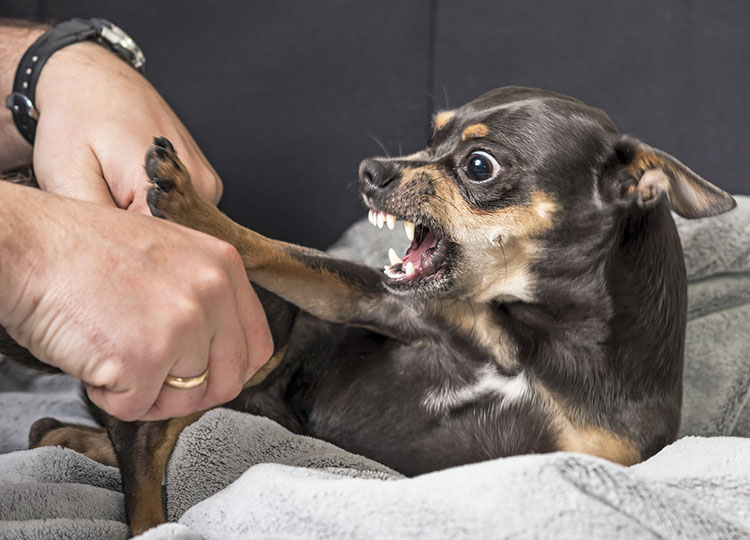
Guess what? I’ve been there, and it’s a tough place to be. Many years ago, I shared my home with a dog that growled, snarled, snapped, lunged and tried to bite our veterinarian and her entire staff. It was gut-wrenching. I know the embarrassment of watching your dog lash out, feeling helpless and frustrated.

Oh, and I know that pit in your stomach. You know, the one that forms while scheduling a vet visit when your dog hates the vet. Yup, that one. Your dog needs veterinary care, but there are things you can do that can positively change your dog’s behavior while keeping everyone safe.

Why Does My Dog Act This Way?

Your dog doesn’t behave this way because he chooses to; he doesn’t know what else to do instead. Basically, your dog is so terrified of the vet that he’s unable to control his behavior. It’s that simple. It’s easy to blame the dog; I see it every day. However, it’s not your dog’s fault for not being able to control his behavior in this stressful situation.

The good news is you can change your dog’s behavior. It may take awhile, but it’s completely worth it because it keeps everyone and your dog safe. Just remember, pairing good things with scary situations will eventually change your dog’s behavior. It works, so stay the course.

How to Change Your Dog’s Behavior

Train Your Dog to Wear a Muzzle

If your dog has lunged or snapped at the vet, your dog has been muzzled before. Muzzling a frightened dog is difficult and it certainly will cause a frightened dog to panic even more. Instead of muzzling your dog at the vet’s office, positively teach your dog that wearing a muzzle is a good thing.

For this behavior, I recommend using a basket muzzle and lots of yummy treats. Check out my favorite video on teaching your dog to love wearing a muzzle.

Muzzle training tips:

  • Practice at home first.
  • Keep sessions short like 1-2 minutes at a time.
  • Once your dog is comfortable wearing his muzzle, take your dog to your vet’s office with his muzzle on.
  • It will take 1-2 weeks of daily practice until your dog is comfortable wearing a muzzle.

In the beginning, just driving over to the veterinary office while your dog wears a muzzle is good practice. Then, you should reward your dog for comfortably wearing his muzzle while sitting in the car in your vet’s parking lot and later for walking around the parking lot. Move slowly and reward often, especially when you move to a new location. Soon, your dog will learn that getting dressed, or wearing his muzzle, means good things will happen.

Also, if you’re new to clicker training, check out this clicker training article. If you’re uncomfortable using a clicker, you can use a verbal marker, such as “yes.”

Teach Body Restraint at Home

Being held down by a complete stranger is definitely weird—no wonder our dogs freak out at the vet! All dogs (and puppies) should learn that restraint makes good things happen. It’s best to start teaching this dog behavior at home and practice for weeks before your dog (or puppy) goes to the vet’s office. During my puppy and basic manners group class, we focus on body handling and restraint, and pet owners practice daily with their dogs.

WATCH: Train Your Dog to Enjoy Body Handling

Oh, don’t forget! When your dog is being restrained during vet visits, stand next to your dog and reward him. I bring peanut butter filled Kongs and hold one next to my dog’s mouth. That way, my dog can happily lick away while being restrained. If your dog is muzzled, I recommend using canned squeeze cheese as a reward. This way, you can poke the canned cheese nozzle through your dog’s basket muzzle and squirt away during your dog’s exam.

If All Else Fails, Try Meds

Sometimes, it’s best to sedate your dog. I know it’s hard, but it may be the best option. Remember, the more your dog practices a behavior, the stronger it gets. If your dog is sedated, he won’t remember what happened, which is a good thing. Also, sedating your stressed dog will allow your veterinarian to conduct a successful physical exam.

If your dog needs to be sedated, speak with your veterinarian first. Your vet will recommend specific medications to calm your dog before a vet visit, such as Trazodone, Valium or Xanax. Please, don’t give your dog acepromazine. It doesn’t prevent your dog from panicking. Check out why acepromazine should never be used as a sedative.

Remember: If your dog could do better, he would do it. Changing behavior takes time, so keep practicing! Also, you’re not alone, we’ve all been there.

Filed Under: Behavior, Health, Resources, Training Tagged With: dog bites vet, dog hates going to vet, dog terrified of vet, dog training, Dog Training Tips, how to train a dog, my dog freaks out at the vet, my dog growls at vet, my dog hates vet, taking aggressive dog to vet

  • « Previous Page
  • 1
  • …
  • 22
  • 23
  • 24
  • 25
  • 26
  • …
  • 49
  • Next Page »

About

Dog Training Nation is a community of dog trainers, dog owners and dog lovers. Our mission is to provide trainers and owners valuable information to enrich dogs' lives. We cover a range of topics, from socializing puppies to dealing with aggressive dog behavior to selecting the best dog products. It is our hope you share our content to make the dog and owner world a better place.

​

Facebook

Video

Dog Training Nation is a dog training blog for pet owners and dog lovers. We cover a range of topics from puppy socialization tips to dog aggression to dog health. It is our hope you share our content to make the world a better place for dogs.

Dog Training Nation

Quick Links

Dog Training
Dog Behavior
Dog Training Videos
Become a Dog Trainer
About
Contact Us

Copyright © 2026 · Lifestyle Pro Theme on Genesis Framework · WordPress · Log in