Dog Training Nation

In Dogs We Trust

  • Home
  • Training
    • Dogs
    • Puppies
    • Clients
  • Behavior
    • Breeds
  • Health
  • Safety
  • Resources
    • Equipment
    • Books
  • Dog Training Videos
  • About
You are here: Home / Archives for dog training

7 Tips On Being A Responsible Dog Owner

September 28, 2016 By Fanna Easter

Responsible Dog Ownership Tips
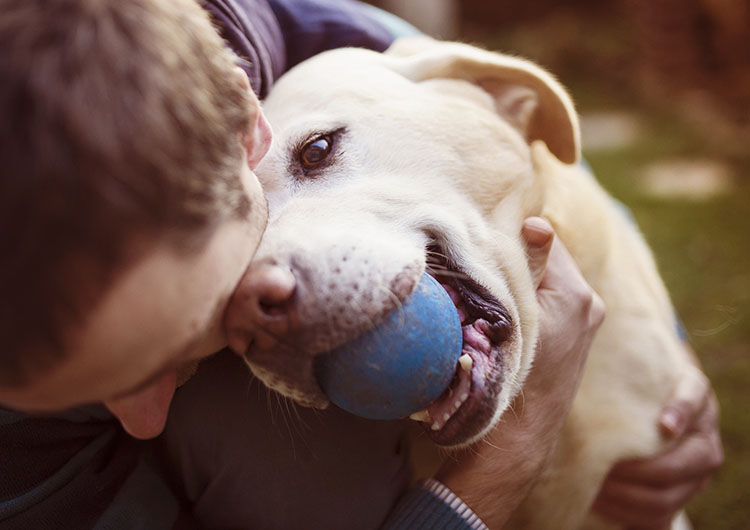
Responsible Dog Ownership
Halfpoint/iStock

All dogs and puppies need a responsible pet owner. Responsible dog ownership goes beyond meeting your dog’s primary needs, such as fresh water, high quality food and climate-controlled shelter. Responsible dog owners need to meet their dogs’ emotional needs and keep their dogs safe and healthy too.

1. Meet Your Dog’s Emotional Needs

Dogs need more than water, food and shelter. They also need comfort, mental enrichment, kindness and compassion. It’s so important to connect with your dog daily. You can do this by taking a walk around the block, playing fetch in the yard, petting or simply talking to your dog.

When your dog is left home alone, it’s important to provide plenty of mental enrichment. Fill interactive dog toys with food, hide treats behind furniture or scatter your dog’s kibble on the floor. These simple steps will keep your dog mentally fulfilled even while you’re away.

2. Prioritize Regular Veterinary Care

Dogs are stoic, meaning it’s difficult to immediately notice that something is physically or mentally wrong with them. Even if your dog is rarely sick, you should bring your dog in for annual veterinary check-ups. During these check-ups, your veterinarian will carefully examine your dog, perform blood work and make recommendations if needed. When in doubt, have your vet check it out.

3. Keep Your Dog Leashed

Leashes are your dog’s safety lines. Dogs don’t understand that moving cars are deadly or wandering off is unsafe. Leashes keep our dogs safely with us. They prevent dogs from running off and unintentionally scaring or hurting other dogs, people or livestock.

RELATED: What to Do When Your Puppy Won’t Walk on Leash

4. Pick Up After Your Dog

No one likes stepping in dog poop. 🙂 Plus, dog poop spreads disease and intestinal parasites as well as attracts flies. Please pick up after your dog and properly dispose of your dog’s fecal matter. This responsible dog ownership tip even applies when you’re in your own backyard.

5. Train Your Dog

Just like human children, puppies and dogs need to learn polite manners. Enroll your puppy or dog into a group dog training class with a positive reinforcement dog trainer. Your puppy or dog will learn how to behave politely around other dogs and people. Plus, attending weekly group training classes will certainly meet your dog’s mental and emotional needs too. 🙂

6. Groom Your Dog

Regular dog grooming keeps your dog’s skin and coat healthy, and it provides a positive bonding opportunity between you and your dog. Remember, dogs are stoic. Responsible dog owners are more likely to notice lumps, bumps, swelling or painful areas during a grooming session. Brush your dog weekly and bathe your dog as needed. That could be weekly or monthly, depending on your dog’s coat needs.

7. Microchip Your Dog

Take 10 minutes and permanently ensure your dog can be safely returned to you if she should get lost. Collars with ID tags are great, but they can fall off or someone can take them off. It takes 5 minutes to microchip your dog and another 5 minutes to register the microchip with your contact information. Do it. It’s worth it.

Filed Under: Behavior, Clients, Resources, Training Tagged With: before you adopt a dog, dog training, Dog Training Tips, how to be a responsible pet owner, how to teach a dog, how to train a dog, pet parent duties, responsible pet ownership, what all dog owners should do

Simple Solution To Stop Your Dog From Getting Into Your Trash

September 23, 2016 By Fanna Easter

How to Stop Your Dog From Getting Into Your Trash

Dog Proof Trash Cans
Chalabala/iStock

It will eventually happen—your dog will attempt to or actually raid your trash can. While it’s annoying and gross, it makes total sense from your dog’s perspective. It’s a buffet in there! Unfortunately, dogs don’t understand that eating trash can make them really sick. Check out these foolproof and easy tips to stop your dog from getting into your trash.

Purchase a Trash Can With a Heavy Lid

You can certainly spend hours teaching your dog to leave a trash can alone, or you can purchase a trash can with a heavy lid. Honestly, purchasing a lidded trash can is a quick and extremely effective solution. It’s not fancy, but it stops your dog from getting into your trash!

A Little Story About Management

Let me tell you a little story about managing a dog’s environment. Years ago, I arrived at a client’s home for a private lesson. Before I was hired, this client spent thousands of dollars trying to teach his yellow Lab not to chew remote controls, yet it continued to happen. During our first consultation, I sat quietly for 30 minutes while my client explained that nothing was working. Clearly, this client was upset and his poor Lab was totally confused.

Finally, my client asked, “How would you fix my dog?” This was my cue to chime in. I politely and delicately suggested placing all remote controls inside a lidded box and keeping the box on the coffee table.

There was a long pause, and I held my breath. Did I offend my client? He sat down and began to laugh. After another long pause, he said, “Wow, I never thought of that. That would work.” Whew, and from then on, all remote controls were safe and my client’s yellow Lab lived a very happy life. Plus, the issue was solved within an hour!

RELATED: 4 Tips to Make Working From Home With Dogs Easier

Choosing a Lidded Trash Can

This is the most important step. I recommend purchasing a trash can with a heavy lid. You can tell when a lid is heavy when there’s a clanging sound upon the closing of the lid. Not all trash can lids are the same. It’s best to choose a smooth-edged heavy lidded trash can. That way the trash can is securely sealed. Even a tiny lip can easily be opened by your dog’s nose.

Put the Trash Can in a Cabinet

Dogs are super smart. When dogs practice a behavior for a long time, they get really good at it. If your dog has learned how to lift a heavy trash can lid, knock it over to open it or bump it just right, then try this tip.

Place your trash can behind a bathroom or kitchen cabinet. If your dog knows how to open your kitchen cabinet, place child locks or straps to ensure cabinet doors remain closed. Now, I’ve only seen this happen a couple of times, and both times these dogs were completely bored and left alone all day.

Will This Really Stop My Dog?

Yes, using a heavy lidded trash can really does stop your dog from getting into your trash. Rarely am I able to make suggestions that work this quickly. By taking these preventative measures, your dog will stop getting into your trash can. Imagine if your ice maker stops producing ice. You’ll keep trying to get ice from it until you learn it’s no longer working. And if you decide not to fix your ice maker, you learn to adapt your life around it. 🙂 It’s that simple!

Filed Under: Behavior, Dogs, Resources, Training Tagged With: dog getting into bathroom trash, dog getting into kitchen trash, dog got into trash can, dog raids trashcan, dog training, Dog Training Tips, how to stop dog from eating trash, how to stop dog from getting into trashcan, how to teach a dog, how to train a dog, keeping dog out of trashcan, keeping puppy out of trashcan, stop dog trashcan, stop puppy trashcan, teach a dog, train a dog, trash can deterrent, trash can dog, trash can puppy, why is my dog getting into the trashcan all of a sudden

1 Easy Trick to Teach Your Dog to Stand Still

September 19, 2016 By Fanna Easter

How to Teach Your Dog to Stand Still

Teach Dog to Stand Still

Standing still while someone pokes, prods and examines your body is tough for most dogs. Honestly, it’s tough for little and big humans too. Instead of forcing a dog to stand still, try this super easy dog training tip that works quickly and rewards your dog too!

Use a Peanut Butter Plate

A peanut butter plate is just as appetizing as it sounds! Smear creamy peanut butter across the entire surface of a plate and hold it up for your dog to lick away. When choosing a plate size, I recommend using a large dinner plate, especially if your dog needs to stand for longer than 3-5 minutes. By increasing the surface area of smeared peanut butter, it takes longer for your dog to lick than if you were to use a small saucer. You also want to make sure the plate doesn’t move around while your dog licks it, so choose a heavy plate. If you don’t have a heavy plate, place it on non-skid surfaces.

RELATED: Understanding Dog Nutrition

Check Ingredients First

Before using peanut butter, it’s important to check its ingredients first. Unfortunately, many companies are adding xylitol, which is a low-calorie sweetener. Xylitol is deadly for dogs—even the tiniest amount.

What If My Dog is Allergic to Peanut Butter?

Some dogs and humans are allergic to peanut butter; it’s actually pretty common. I suggest using a thick and creamy food to replace peanut butter. My Bull Terrier is allergic to peanut butter, so I either use cream cheese, squeeze cheese in a bottle or almond butter. If your dog is restricted to a prescription diet, I recommend purchasing several prescription dog food cans and using those in place of peanut butter.

RELATED: Get Your Dog to Take Treats Gently

How to Use a Peanut Butter Plate

AHow to Teach a Dog to Stand Stillsk a friend to hold up the food-smeared plate, so your dog can comfortably stand and lick the plate without lowering his head. If you live alone, I recommend placing a peanut butter plate on furniture; that way, your dog is comfortable while standing still. For example, I’ve placed food-smeared plates on top of ottomans and sofas for large dogs.

For small dogs, place the plate on top of stacked books or even smear peanut butter on washable walls. For baths, I recommend smearing peanut butter on the wall of your shower. After your dog is bathed, rinse off and voila!

Why Use a Peanut Butter Plate

I highly recommend using a peanut butter plate any and every time your dog needs to stand still. By pairing something good, such as a plate of peanut butter, with standing still, you’re teaching your dog to enjoy standing still. And it doesn’t stop there!

When you pair something good during a certain situation, you’re positively changing your dog’s behavior. I recommend adding something positive (peanut butter plate) during baths, nail trims, brushing, ear cleanings, massages, vet exams and weight checks.

Will You Always Need a Food-Smeared Plate?

Maybe or maybe not; it depends on how your dog reacts during specific situations. You may need to use a peanut butter plate during all nail trims because your dog might always dislike them, and that is OK. It’s easier and much kinder to hold a peanut butter plate than hold your dog down.

Please understand that using a peanut butter plate isn’t bribery. Food-smeared plates are an effective dog training tool for teaching your dog a new behavior. Expecting a dog to do something because he’s told to do it is completely outdated. Instead, teach your dog what to do. I promise, it takes much less time.

Peanut Butter Plate Demos

WATCH: Make Brushing Your Dog MUCH Easier

https://youtu.be/54vdWZSphFY

WATCH: DIY Comfy Dog Cone

https://youtu.be/M4LzVp3vLMI

Filed Under: Dogs, Games, Puppies, Resources, Training Tagged With: dog training, Dog Training Tips, how to hold a dog still, how to hold a puppy still, how to keep a dog still a groomers, how to keep a dog still at vet, how to keep a dog still baths, how to keep a dog still when cleaning ears, how to keep a dog still when cutting hair, how to keep a puppy still, how to teach a dog, how to teach a dog to stand still, how to train a dog, keep dog still when brushing

4 Tips To Make Working From Home With Dogs Easier

September 7, 2016 By Fanna Easter

Working From Home With Dogs

Anchiy/iStock
Anchiy/iStock

Working from home is amazing. I’m able to work while my dogs snore happily in the background or share a spot with me in my office chair. I’ve been lucky, as I’ve been working from home for 15 years now. Despite the convenience of a remote job, working from home with dogs can get a bit loud if you know what I mean. Here are four tips that will ensure peace and quiet during calls with the boss and your clients.

Go on a walk before work

For the most part, a tired dog is a good dog. Before your workday begins, take your dogs out for a 30-minute walk. Instead of walking swiftly, take your time and let your dogs sniff and see what “Facebook messages” were left in the grass by other dogs. Sniffing is wonderful mental enrichment, and it’s just as exhausting as walking quickly around your neighborhood or local park. Once home, make sure your dogs have plenty of fresh water available and start up your computer.

Keep your dogs quiet during conference calls

Working from home means you’re on the phone a lot, so it’s important to collaborate with co-workers on projects through individual phone chats and conference calls. During conference calls, I’m pretty good at figuring out which conference call attendees work from home too because I can hear their dogs barking in the background!

Here’s how to keep your dogs quiet while you’re on a conference call. About 5 minutes before a conference call, give each dog a frozen food stuffed toy and separate him or her. This way, they can enjoy their treats without squabbling. Log in to your conference call with confidence that your dogs are happily and quietly licking away at their frozen prizes, which is entertaining and completely exhausting too. Sure, the mute button is a godsend, but food stuffed toys are better! After your call, pick up each toy to refill after work.

RELATED: Summertime Dog Food Recipes for Interactive Toys

Play midday outdoor games

When employees work from home, they usually skip lunch, or worse eat lunch while working. Take it from me, disengage with your computer and phone for 20 minutes and enjoy your lunch. After lunch, take another 10 minutes and sit outside with your dogs, play a game of fetch or even take a short stroll around your neighborhood. Again, a tired dog is a happy and quiet dog.

Toss treats when the doorbell rings

It never fails; the UPS man always happens to ring your doorbell while you’re on an important call with your boss. Be prepared during important calls by keeping a cup of dog kibble, treats or Cheerios on your desk. Bring your dogs inside your office with you and close the door. When the doorbell rings, toss those treats like confetti. It’s tough to bark at the doorbell while devouring scattered treats on the floor. Tossing treats as a distraction also teaches your dogs not to bark at the doorbell.

If solicitors are constantly ringing your doorbell, place a note on top of the doorbell that reads: “Please do not ring the doorbell or knock. I work the night shift.” Believe it or not, a note works very well. My mother was a night-shift nurse, and this little note ensured she slept soundly during the day.

May your workday be swift and filled with dog snores!

UP NEXT: Protecting Your Furniture From Dog Hair and Nails

Filed Under: Clients, Resources, Training Tagged With: dog goes to work with you, dog training, how to teach a dog, how to train a dog, keep dog quiet while you work, pet owner works from home, teach a dog, tips for working at home with dogs, train a dog, working from home with a puppy, working with dogs

Do Different Dog Breeds Learn Differently?

August 31, 2016 By Fanna Easter

No, Different Dog Breeds Learn the Same

Different Dog Breeds
kozorog/iStock

“Do different dog breeds learn differently?” is the most asked question and it’s usually asked by purebred dog pet owners. As a professional dog trainer, I’m always happy to answer this question. If you’re curious if certain dog breeds learn differently, read below for a professional dog trainer’s take on different-breed dog training.

The Answer

Okay, here it goes! Each dog, regardless of breed, is an individual; and all dogs learn by following the same principles applied to human learning.

Yup, we use the same learning principles to teach:

  • Rhinos to hold their feet up for nail grinds
  • Silverback Gorillas to open their mouths for flossing
  • Fish how to perform tricks
  • Butterflies how to put on a show
  • Children to tie their shoes

I’ve trained hundreds of dogs, and each dog was able to learn the same behaviors given the same learning principles. While a dog’s specific breed can determine his ultimate dog training reward or reveal some aspects of his personality, it has nothing to do with his ability to learn new behavior.

But What About Bouviers Being Lazy or Pit Bulls Being Aggressive?

I cringe when someone mentions that Bouviers are lazy, Basset Hounds are slow, Terriers are untrainable, Rottweilers need a firm training hand or Poodles are the smartest breed. I also find it unsettling when I hear people say all Beagles howl, Irish Setters are ditzy, Chihuahuas are ankle biters, all Pit Bull Terriers are aggressive or other certain breeds requiring special training skills. These statements are simply not true, and I’m sure pet owners living with these different dog breeds would disagree too.

Let’s think about the question on whether or not different dog breeds learn differently another way. If certain breeds of dogs learn differently, how would we train mixed breed dogs? About 20-plus years ago, dog trainers were successfully teaching thousands of mixed breed dogs new behaviors—and that was before dog breed DNA testing. The only thing DNA testing for specific breeds has taught dog trainers is we were incorrectly assuming a mixed dog’s breed of origin. 🙂

Easiest Way to Train Any Dog Breed

Positive reinforcement is key and it works quickly! You’ve probably heard of positive reinforcement before and wonder what it had meant. Positive reinforcement is one of the four quadrants of operant conditioning, and it increases the likelihood that a behavior will be repeated.

Positive reinforcement means rewarding with a good thing whenever someone does a behavior you like. It’s important for professional dog trainers to have a thorough understanding of each quadrant and how it applies to dog training, as this is the foundation for all learning. If your dog trainer doesn’t know that, it’s time to find a better dog trainer.

Picking a Good Thing to Motivate Your Dog

Just because dogs are a certain breed, don’t assume certain breeds all like the same things. As pet owners, it’s our job to find each dog’s favorite “good thing” or ultimate reward and use it to teach polite behaviors.

Ignore your dog’s breed type and discover what your dog truly loves. As an example of how dog breed type can become quickly confusing, some Terriers may love bits of hot dogs instead of fetch, some Basset Hounds may find a fast game of tug more rewarding than treats and some Chihuahuas may find a game of fetch more rewarding than hugs and treats. Remember, learning depends on each individual dog’s personality and not his breed.

While your dog looks like a specific breed, he learns just like every other living being!

Filed Under: Behavior, Breeds, Dogs, Training Tagged With: do certain breeds of dogs learn differently, do dog breeds require different training, dog training, Dog Training Tips, golden retriever training, how to teach a dog, how to train a beagle, how to train a dog, how to train a golden doodle, how to train a puppy, how to train a rottweiler, how to train a terrier, how to train bull terriers, how to train german shepards, how to train labs, how to train mini bull terriers, pit bull training, Rottweiler training

  • « Previous Page
  • 1
  • …
  • 24
  • 25
  • 26
  • 27
  • 28
  • …
  • 49
  • Next Page »

About

Dog Training Nation is a community of dog trainers, dog owners and dog lovers. Our mission is to provide trainers and owners valuable information to enrich dogs' lives. We cover a range of topics, from socializing puppies to dealing with aggressive dog behavior to selecting the best dog products. It is our hope you share our content to make the dog and owner world a better place.

​

Connect With Us

  • Facebook
  • Google+
  • Twitter
  • YouTube

Facebook

Video

Recent Posts

Announcement: Dog Training Nation Joins ABC

Announcement: Dog Training Nation Joins ABC

February 16, 2018 By Fanna Easter

High Tech Dog Toys To Keep Your Dog’s Brain Busy

High Tech Dog Toys To Keep Your Dog’s Brain Busy

January 25, 2018 By Fanna Easter

Stop Walking Your Aggressive Dog In Public

Stop Walking Your Aggressive Dog In Public

January 22, 2018 By Fanna Easter

Dog Training Nation is a dog training blog for pet owners and dog lovers. We cover a range of topics from puppy socialization tips to dog aggression to dog health. It is our hope you share our content to make the world a better place for dogs.

Dog Training Nation

Quick Links

Dog Training
Dog Behavior
Dog Training Videos
Become a Dog Trainer
About
Contact Us

Copyright © 2026 · Dog Training Nation · Privacy Policy