Dog Training Nation

In Dogs We Trust

  • Home
  • Training
    • Dogs
    • Puppies
    • Clients
  • Behavior
    • Breeds
  • Health
  • Safety
  • Resources
    • Equipment
    • Books
  • Dog Training Videos
  • About
You are here: Home / Archives for dog training

How to Choose Dog Training Treats

July 16, 2014 by Fanna Easter

Dog Training Treats

Puppy Training Treats
Fabulous treats! L-R: Dried venison, cheese, blue cheese, salami, peanut butter and hot dogs.

So many times, clients bring their dogs into the training center and their bait bag is filled with dry kibble or biscuits. Their dogs are overwhelmed with others dogs, sights, smells, sounds and ignore their owners as everything else is more exciting. Learn how to train a dog by choosing treats your dog loves!

Treats are your dog’s currency. Be generous, pay well and often.

Think about it: If I were paying you for a job well done, would you work harder for $100 or $1 bill? Now translate to food: If I paid you with donuts or broccoli, which would you choose? Personally, I would work for donuts and a $100 bill. I think you see my point now. 🙂

Now, I’m not saying you must have treats in your pocket for your dog to sit. We use treats and rewards in the learning phase, and then wean him after the dog understands the cue. By “weaning,” I’m not saying remove treats entirely. I’m saying reward behaviors intermediately (like a slot machine). We, as humans, have an obsession with weaning our dogs off treats too fast. Not sure why we do it. When you are thinking of not rewarding a dog for a great job, think of a stingy boss from your past – yuck!

RELATED: Healthy Dog Treats
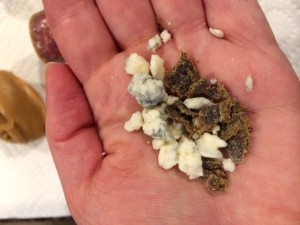
Stinky, small, easy to chew dog treats
Stinky, small and easy to chew dog treats.

Try these dog training tips when selecting fantastic treats for your pooch. He will thank you with his full attention and polite behavior.

  1. Treats must have a strong aroma. The stinkier, the better, as your dog has a fabulous nose. Meat-based treats, especially fish, smell luscious!
  2. Tiny like the size of a pea. Look for treats that break up easily and don’t crumble. Keeping the treat size tiny keeps your dog hungry, calories down and treat cost low. We ask pet parents to bring 100 tiny treats to each class. 🙂
  3. Easy to chew. Soft treats are easy for your dog to chew and swallow quickly. With hard treats, you are waiting for your dog to crunch, crunch and crunch some more before moving forward.

Some dogs love catching their favorite ball or a game of tug as a reward, but 9 times out of 10, most dogs respond to scrumptious treats in high distraction places (i.e. dog training classes). Praise is awesome too. However, this is the icing on the cake with treats. Again, think of working on a project with a friend: praise is nice for a while. Currency is better because you need to pay your bills and eat. 🙂

How to Tell if Your Dog Loves His Treats

  1. As you cut treats or open the bag, your dog is glued to your side sniffing.
  2. You have his full and undivided attention during class.
  3. Immediate and improved success when teaching behaviors.

What’s in my bait bag? Mozzarella cheese sticks, hot dogs, cooked chicken breast, blue cheese (yes, they love it!), cubed round steak and any fish-based treats.

What treats does your dog love? Please comment below and tell us what is in your bait bag!

You may also like: Picky Dog Eaters
Filed Under: Dogs, Health, Resources, Training Tagged With: dog training, dog training classes, dog training treats, dog treats, how to train a dog, how to train a puppy, how to train your dog, how to train your puppy, puppy training, puppy training classes

Clicker Training

June 5, 2014 by Fanna Easter

Clicker Training for Dogs

Clicker Training Dogs
Clicker training is fun!

Clicker training is used as a very effective way to train dogs. Clicker training is a positive form of dog training that produces the desired results quickly with minimal effort for dogs and the dog trainer. Professional dog trainer Fanna Easter explains to pet parents in her dog training class that the clicker is a magic tool. Dog owners enrolled in dog training classes have been awed by the power of clicker training. “With a clicker, I can train a dog within minutes to quickly learn a new behavior,” says Fanna Easter.

In this post, you will learn how to train a dog using a clicker!

What is a dog training clicker?

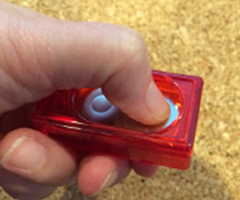
  • A small device that makes a click sound when pressed with your finger.
  • A clicker makes the same sound every time it does not change. It’s a quick sound.
  • A dog training clicker adds consistency to marking the correct behavior that you will want to reward, which lets the dog know immediately that he has done what you asked of them. Remember: cue, click, then treat!
  • When a dog trainer clicks, it’s a promise that the dog has rightfully earned a treat.
RELATED: Dog Trainer Karen Pryor

How to Train a Dog Using a Clicker

  • Click when your dog is doing something you like. It’s that simple.
  • The click sound marks the good behavior and the dog learns that s/he did well and earned a treat.
  • The sound of a clicker is meaningless to your dog, but if you click and then immediately give your dog a treat, your dog learns to associate the click sound with rewards for doing what was asked of him.
  • Use this powerful tool to your advantage when training a dog. Click and treat to imply he is correct.
  • Dog treats are the dog’s currency or motivator so use treats that your dog loves!

Clicker Dog Training Guidelines

  • When you click, always give the dog a treat. If you do not, then the dog will learn to ignore the click sound. Even when you clicked at the wrong moment, your dog is still learning.
  • Click once and then treat once. Multiple clicks are confusing, as the dog does not know which click marked the correct behavior.
  • The clicker is not a remote control so no need to point it at him. Just hold the clicker with your leash hand, as shown in the video “How to Train a Dog Using A Clicker.”

VIDEO: How to Train a Dog Using a Clicker

3 Steps to Clicker Dog Training

1. When training a dog with a clicker, use the clicker to mark the new behavior that you are teaching.

2. Once your dog responds to the cue, such as sit, mark the correct behavior with the training clicker and then treat the pet with a reward.

3. Once the dog gets the cue, correct 80% of the time. You can remove the clicker from the equation.

You may also like: Healthy Dog Treats

Filed Under: Dogs, Training Tagged With: clicker training, clicker training dogs, dog training, how to train a dog, how to train a puppy, karen pryor clicker training, puppy training tip

Dog Training Classes

June 2, 2014 by Fanna Easter

Dog Obedience Training

Dog Obedience Training
Dog training class in session.

Ah, the magic question that I’m asked several times a day, from new and frustrated dog owners, is: Does your dog need obedience classes?

Let’s explore this question about dog obedience training.

As a dog trainer, I see things a bit differently, as over 80% of my clients are already frustrated with their dog’s behavior. The remaining 20% of dog owners who attend dog obedience classes want to prevent naughty behaviors before they happen. These pet parents usually have attended a dog obedience or puppy training class in the past.

Training Classes are a Must

Your dog needs positive opportunities to learn which dog behaviors are appropriate. Just like a small child, it’s our job to teach dogs how to behave around people and other dogs:

  • On a leash
  • At the dog park
  • At home
  • At a stranger’s house
  • In the car
  • In public places like restaurants

Dogs pull on a leash to move forward. They jump up to greet you, as they have not been taught how to appropriately greet you (or any humans). Your dog is not acting naughty out of spite, but he may not have been trained by you or a dog trainer as to what good behavior is.

3 Things You Will Learn in Dog Training Classes

Dog training classes are a fabulous resource to teach polite manners. These classes should be considered mandatory for all dogs and their owners. Before your hackles go up from the word “mandatory,” let me explain. Over 70% of dogs are in shelters due to naughty behaviors that can easily be fixed by taking dog training classes. It really is that simple. Help prevent a dog from potentially being put down in a shelter by training him good behavior skills.

Parking your dog is a great behavior every dog and his owner should know. It simply means that despite distractions, another animal barking at him or in any situation that you want your dog to remain poised, your dog will not act up but instead look to you for guidance.

Dog treats are the best motivators for training your pet. Some people love cheesecake while others love chocolate. Dogs are the same way. They all have things that they are excited about and love to be given whether it is:

  • Cheese sticks
  • Bones
  • Tennis balls
  • Chicken
  • Turkey
  • Snacks  and biscuits
  • Kongs
RELATED: Dog Training Treats

Finding out what motivates your dog and using this while training will produce better behavior results at a faster pace. Think of it from a human perspective. For example: If I were to ask you to take a seat in the chair and you do, but then I ask you to stand up. Next, I ask you to sit in the seat again. Eventually, you may get bored and give up. But, if I were to hand you a $20 bill every time that you sat back down in the seat, I’d bet you wouldn’t mind getting up and sitting down anymore. In fact, you would probably enjoy doing it, right?

Dog training requires the same techniques. The dog’s currencies and motivation are what you can use to train him into behaving in an acceptable or desired manner. What is your dog’s “$20 bill”?

During a group dog training class, your pet will learn foundation cues, such as:

  • Sit
  • Down
  • Stay
  • Come
  • Walk politely on a leash
  • How to politely behave around other dogs and people

Dog behavior amongst other dogs and humans is the most important behavior aspects that your dog should know. Most dogs perform cues like sit and down at home, but will your dog respond when a guest visits? Does he forget what you taught him when it counts out in the field or in a public place?

Are dogs ever too old to learn? Of course not!

As a professional dog trainer with over 20 years of experience, I can tell you for certain that you can teach an old dog new tricks. You can teach new behaviors, reteach foundational behaviors and how to remember dog tricks! If you adopt an older rescue dog, it’s great to bring him through a group dog training class. You are teaching foundation behavior and building a bond. It is never too late for consulting with a dog trainer!

RELATED: Best Dog Training Books

The Importance of Dog Behavior Training

Will your dog behave the way you want at the park or during walks down the street? Or in the backyard when a squirrel is teasing him from a tree? Most dogs that have not attended group classes usually have a tough time responding to cues with high distractions. These are just a few situations that dog training becomes beneficial in your pet’s life.

Basic Dog Training Classes

While most dog training classes are weekly, at the same time and day each week, classes can vary from 4-6 weeks. In a basic dog training class, you will learn to teach your dog the foundational behaviors. Your dog will learn what behaviors need to be used in place of the naughty unwanted behaviors.

For example: Training your dog to sit before he jumps on you. In my 20 years of training, I have yet to see a dog jump when sitting. Teach your dog to sit and then teach him to park so you know the difference and so will he.

Dog training classes offer a fun and safe learning environment that will set you and your dog up for success. Mistakes are ignored (and yes, us dog trainers make mistakes too) and appropriate behavior is rewarded even for humans.

Dog obedience training classes will teach you the pet owner how to train your dog. That means you will learn the skills that can prevent naughty behavior from your dog. Taking dog training classes can be addictive and it’s a lot of fun!

Have you ever taken your dog to dog training classes? Tell us about it in the comments below.

Filed Under: Dogs, Training Tagged With: dog training, dog training an older dog, Dog Training class, dog training classes

How to Train Your Dog to Park It

June 2, 2014 by Fanna Easter

Train Your Dog to Stay

One dog training cue that I strongly encourage every dog owner to train his dog to know would be to “park.” In a nutshell, this behavior means to stay with me while I’m doing something else. You can use these behaviors when:

  • Talking to someone at the park
  • Having guests over
  • Dining outdoors
  • Paying at the pet store or vet’s office
  • Listening to instructions

VIDEO: Train Your Dog to Park

You can use the dog park behavior when your dog becomes overwhelmed by another barking dog or excited in a new situation. You are teaching him to bring his arousal level down. It’s like taking a yoga breath for your dog. Having him know the ability to remain poised and look to the dog owner for approval before chasing or barking is key to a safe and calm interaction with other dogs, people or animals.

When teaching hyperactive dogs to be calm, many folks ask them to sit still. This is tough, as they are learning how to manage their extra energy and excitement. I want to set you and your dog up for success and asking for a rock solid stay or wait is not fair so let’s ask for something easier, such as park.

Let’s look at it from a human perspective. Have you been with a friend who meets up with another friend and you are not part of the conversation? It’s awkward, but it happens. Now, what if your friend asked you to sit on a bench and wait until their conversation is over? You can not check your Facebook page or text messages, you just watch them. Wow, I could not do it! Same thing for your dog. Let him walk around and occupy his mind by sniffing around and looking around if he wants to (as long as he is not pulling on the leash). Voila! You’ve parked your dog!

Don’t get this behavior confused with wait, as you’re not asking your dog to sit or down in one spot. I think of wait as a pause button. You stay in that position until released. Stay means you are asking the dog to sit or lay down until you pick him up or call (releasing him from the cue) to come.

Why are there so many words in dog training for similar things?

We need to clear up any confusion for our dogs. If I asked you to turn, you will ask which way (left or right), in a circle, just my head or my entire body. Let’s make sure we communicate clearly to our pooches. I think they will appreciate it. 🙂

Just by teaching this simple behavior, you are teaching your dog:

  • Self control (teaching your hyper dog to relax)
  • Polite greetings to people (not to jump on people)
  • Polite leash manners (not pull on the leash)
  • How to ignore other dogs
  • To stay
  • Not to bark

How to train a dog to park:

  1. Step on your leash about halfway up to your dog. He should have 3-4 feet of extra leash.
  2. Click and treat your dog the instant the leash becomes loose. Example: Your dog is pulling to visit another dog. Wait until the leash becomes loose and click/treat!
  3. Bingo. You are rewarding calm and quiet behavior!

This is very easy to teach. Just make sure you practice this behavior 1-2 minutes per day. Also, this is the first behavior you practice in the park before a walk and when guests come over.

Subscribe to our channel on YouTube for more dog training videos.

Have a comment? Tell us how the “parking your dog” behavior can be useful for you in the section below!

More on parking your dog:
Learn How to Park Your Dog
How to Park Your Dog

Filed Under: Dogs, Training Tagged With: dog, dog training, dog training advice, dog training tip, how to train a dog, how to train a puppy

  • « Previous Page
  • 1
  • …
  • 47
  • 48
  • 49

About

Dog Training Nation is a community of dog trainers, dog owners and dog lovers. Our mission is to provide trainers and owners valuable information to enrich dogs' lives. We cover a range of topics, from socializing puppies to dealing with aggressive dog behavior to selecting the best dog products. It is our hope you share our content to make the dog and owner world a better place.

​

Facebook

Video

Dog Training Nation is a dog training blog for pet owners and dog lovers. We cover a range of topics from puppy socialization tips to dog aggression to dog health. It is our hope you share our content to make the world a better place for dogs.

Dog Training Nation

Quick Links

Dog Training
Dog Behavior
Dog Training Videos
Become a Dog Trainer
About
Contact Us

Copyright © 2026 · Lifestyle Pro Theme on Genesis Framework · WordPress · Log in