Dog Training Nation

In Dogs We Trust

  • Home
  • Training
    • Dogs
    • Puppies
    • Clients
  • Behavior
    • Breeds
  • Health
  • Safety
  • Resources
    • Equipment
    • Books
  • Dog Training Videos
  • About
You are here: Home / Archives for dog training

How To Clean Food Stuffed Dog Toys

September 25, 2017 by Fanna Easter

Cleaning Kong Dog Toys

Cleaning Kong Dog Toys
Laszlo/Adobe Stock

Every positive reinforcement dog trainer agrees on one thing: Dogs should have plenty of mental enrichment every day. Food stuffed dog toys, such as Kongs, are a quick and very effective way to keep your dog’s brain busy all day. But how do you remove all the sticky residue from the cracks and crevices of dog toys afterwards? Here are a few simple hacks for cleaning Kong dog toys.

Smart Kong Stuffing Tactics

For the most part, sticky and gooey foods make the best filling for rubber Kong toys. While the sticky texture of these foods help keep the filling inside the toy, it can leave a gross residue that’s impossible to remove. The toughest place to remove gummed up food is the very bottom or within crevices.

To prevent food from caking at the bottom, fill the bottom third of the Kong with kibble. Then, fill the remaining 2/3 of the toy with cream cheese, yogurt, peanut butter, squeeze cheese, banana, honey, bread or sweet potatoes. Freeze to ensure the food stuffed dog toy lasts longer.

RELATED: 4 Kong Stuffing Tips to Make Your Life Easier

Scrape With a Butter Knife or Bottle Brush

When dog saliva and peanut butter mesh together during an hour-long dog toy licking session, traces of food will inevitably get left behind. Use a butter knife to scrape out the larger chunks lodged inside and toss into your garbage disposal. Some pet owners use a bottle brush to scrub out the food stuck in cracks and crevices, but wire bristles just don’t reach all the way inside. Either way, it’s important to scrape out the large bits from the bottom to prevent mold from growing.

Soak in Warm Soapy Water

Once the larger chunks have been removed, it’s time to give the dog toy a long soak. In the past, I would put dishwasher safe toys on the top rack of our dishwasher, but then I would notice the color fading and cracks developing due to extreme heat.

Now, I fill our sink with hot water and liberally drizzle natural dishwashing liquid to form a hot soap soak. If you go this route, toss all of your rubber Kong toys into the water and let them soak for an hour. A long soak will help lift and remove the food stuck in crevices. Rinse each toy well after thorough soaking, air dry and stuff them with food for your dog again.
WATCH: How to Clean Kong Dog Toys

Filed Under: Equipment, Resources Tagged With: clean and sanitize kong toys, clean rubber kongs, cleaning kong toys, dog training, Dog Training Tips, how to clean kong dog toys, how to clean kongs, how to clean rubber dog toys, how to remove peanut butter from dog toys, Kong dog toys

Help! My Dog Eats Everything Outside

September 22, 2017 by Fanna Easter

How to Stop Your Dog From Eating Everything Outside

My Dog Eats Everything
otsphoto/Adobe Stock

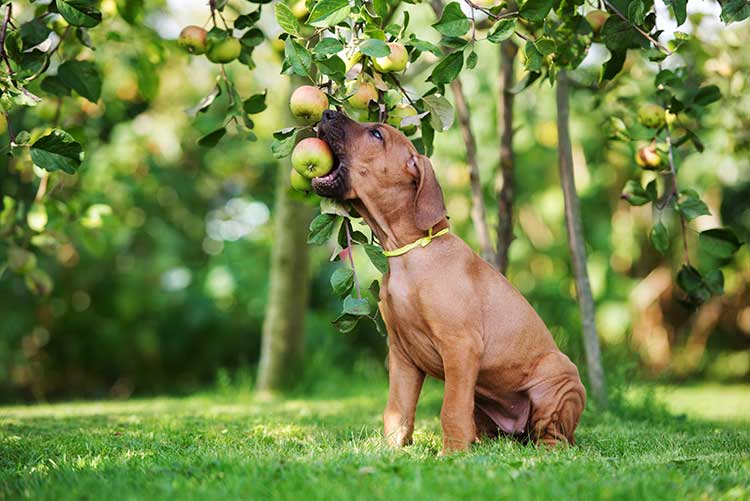
With so many tempting things outside, it’s understandable why dogs would want to chew on sticks or crunch on acorns. As fun as it is for your dog to eat everything outside, it’s not healthy for him to consume indigestible foreign bodies. Next time your dog tries eating mulch, give these tips a try.

Keep an Eye on Your Dog First

To stop your dog from eating everything, it’s important to know when it happens, so you can redirect your dog. When your dog is outdoors, hang out and watch your dog at all times. During the time it takes to text your friend, your dog will have been able to swallow a whole acorn.

Keep your dog on a 4- to 6-foot leash to prevent pica behavior, which is the consumption of indigestible objects. Plus, keeping your dog close to you helps change your dog’s behavior quickly.

Play “Trade”

When your dog picks up a stick or rock to chew on, play the “trade” game. Say “trade” and offer your dog a super yummy treat. When your dog drops the stick, pick up the stick and then give your dog the yummy treat. Of course, throw away the stick to prevent your dog from picking it up again.

Trying to remove an object from your dog’s mouth will teach your dog to turn away from you or swallow the item faster, so always play the “trade” game. If your dog eats dog poop, picking up poop immediately is the best way to prevent this behavior.

Give Your Dog Fun Things to Do Outside

Leave fun toys outside to keep your dog occupied. Even better is to play tug or fetch with your dog after your dog potties. Once dogs learn to play with toys, they will quickly ignore sticks, stones and other indigestible objects outdoors.

Sometimes, dogs develop pica due to behavior and nutritional issues. If your dog continues to eat everything outdoors, contact your veterinarian. It may be due to a medical issue.

Filed Under: Behavior Tagged With: dog eats acorns, dog eats dirt, dog eats everything, dog eats everything outside, dog eats mulch, dog eats rocks, dog eats stuff outside, dog health, dog health tips, dog training, Dog Training Tips, stop dog eating everything, stop dog from eating rocks, stop dog from eating stuff outside

Help! My Neighbor Complains About My Barking Dog

September 20, 2017 by Fanna Easter

How to React When a Neighbor Complains

Neighbor Complains About My Barking Dog
mfotohaus/Adobe Stock

As you arrive home from work, you notice a note taped to your front door. It’s from your neighbors, and they’re complaining about your dog barking constantly while you’re away at work. What should you do?

Don’t Ignore the Situation

Many pet owners simply ignore neighbors’ complaints; they assume the complaint is not true. But is it? Neighbors don’t complain just to complain—unless they feel ignored. Regardless of your past feuds, it’s important to take your neighbor’s complaint seriously. Call, email or leave a note on your neighbor’s front door, and acknowledge his complaint politely. Apologize profusely, and let him know you’re putting a plan into action immediately.

How Bad is Your Dog’s Barking?

Pet owners are usually very aware that their dogs bark when they’re not home, but how bad is it? It’s important to know if your dog is bored or suffering from separation anxiety. Set up an old smartphone or tablet in your home, and Skype yourself from your current phone. Or purchase an interactive dog camera system to check in on your dog throughout the day. Many camera systems will automatically alert pet owners when their dogs start barking.

If possible, record some of this footage for future reference with a professional dog trainer or veterinary behaviorist. Knowing what’s going on while you’re away will help you address your dog’s barking problem and neighbor’s complaint quickly.

Change Your Dog’s Behavior

Incessant dog barking behavior will not resolve on its own, so it’s important to take time to change your dog’s behavior. One way to change your dog’s behavior is to keep her indoors when you’re unable to keep an eye on her. Never leave a dog alone outdoors. Depending on what you find during your daily video sessions, it’ll be better to start changing your dog’s behavior sooner than later.

For dogs with separation anxiety, partnering with a professional dog trainer is the only way to successfully manage this issue. For bored dogs, hire a pet sitter to walk your dog while you’re at work. While this may seem like an unneeded expense, a pet sitter’s fee of $20 per day is much cheaper than animal control fines and lawsuits. Check out additional tips on keeping a bored dog quiet while you’re away.

Electronic Collars Don’t Work

Unfortunately, an electronic collar or anti-dog barking device is the first item that pet owners purchase when neighbors complain about their barking dogs. After polling hundreds of pet owners, many claim their dogs continued to bark or became aggressive after using an electronic collar. Many dogs are so frightened by the pain, they hide under furniture, urinate or defecate.

There are so many other options that work quickly and won’t cause your dog pain. For example, a Manner’s Minder or Pet Tutor will keep your dog busy throughout the day and prevent barking behavior. These items cost the same or less than an electronic collar, and work much better. If your dog still barks, hire a positive reinforcement dog trainer for best results.

Never ignore a complaint, and start changing your dog’s behavior today.

Filed Under: Behavior, Training Tagged With: barking dog driving neighbors crazy, dog barking, dog barking angry neighbor, dog barks when left alone, dog behavior, dog training, Dog Training Tips, how to deal with neighbor angry my dog barks, how to stop a dog, how to train a dog, neighbor complained about my dog barking, neighbor complains about dog barking, stop dog barking

Should Dogs Be Left Outdoors Unattended?

September 18, 2017 by Fanna Easter

Why Leaving Your Dog Outside is a Bad Idea

Leave Dog Outside Unattended
nickyuh/Adobe Stock

As a professional dog trainer, this is easily one of the most common questions that comes up during consultations. Many pet owners assume their dogs would prefer to play outdoors alone, but that’s not always true. The simple answer is no; you shouldn’t leave your dog outside unattended. Please allow me to explain why, and I think you’ll agree too.

Overprotective Pet Owner?

Keeping an eye on your dog in the backyard is preventative, and not overprotective, behavior. 🙂 Many pet owners assume hanging outside while their dogs play in the backyard is helicopter pet owner behavior. While it’s not necessary to hover over their dogs like a helicopter, they should be aware of what their dogs are doing outdoors. It’s best to hang out in your yard while your dog potties and plays. Of course, you can go indoors and grab a drink, but never leave your dog outside for longer than 5-10 minutes.

Best Way to Prevent Unwanted Behaviors

When dogs are left outdoors unattended, they can get into trouble quickly. Many dogs become lost because they’ve dug out from under their fence within seconds. Also, many accidentally walk through backyard gates unintentionally left open by service workers.

Incessantly barking dogs usually practice this behavior when left alone in the backyard, and it can quickly become a problem with neighbors. Fence fighting behavior can start abruptly and will continue until someone is hurt—and this dog behavior is tough to manage once it starts. Some dogs are teased behind fences, which can certainly cause human aggression.

Lots of unwanted dog behaviors can happen within minutes, so it’s best to hang out with your dog to prevent these behaviors from happening instead of trying to address them later. Prevention is key, and it takes much less time than changing behavior. 🙂

It’s Not Safe

Dogs can eat sticks, stones and so many other harmful objects within seconds. Surgery is often required to remove ingested acorns, pinecones, pine straw, mulch and so forth, which can cost thousands of dollars and even your dog’s life.

Backyards may contain poisonous mushrooms, frogs and stinging insects, which become fatal within hours. If you’re outdoors with your dog, you can prevent your dog from chewing or ingesting harmful objects. If your dog is stung, you’re aware of the insect that stung your dog, so your veterinarian will be able to quickly save your dog’s life.

Keep an Eye on Your Dog

When your dog is outdoors, sit outside and have a conversation with a friend on the phone or, even better, play a fun game with your dog. If it’s too hot or cold for you to sit outdoors, then the weather is too extreme for your dog to sit outdoors too. When your dog tries to chew on acorns, ask your dog to “leave it” and reward your dog with a yummy treat. Additionally, if your dog tries to engage in fence fighting, bring your dog indoors, so he doesn’t practice this behavior. Bored dogs will find something to do if kept outside during the day or while you’re at work, which is never a good thing. So hang out with your dog and prevent unwanted behavior.

An ounce of prevention prevents hours of changing behavior, so never leave your dog outside unattended.

Filed Under: Safety, Training Tagged With: backyard dog, do do like being left outside, dog left backyard, dog safety, dog training, Dog Training Tips, keeping dog in backyard, leave your dog outside unattended, leaving dog in backyard, leaving dog outside, leaving dog outside while at work, should dogs be left outdoors

Portable Dog Carriers Keep Your Dog Safe And Your Shoulders Pain-Free

September 14, 2017 by Fanna Easter

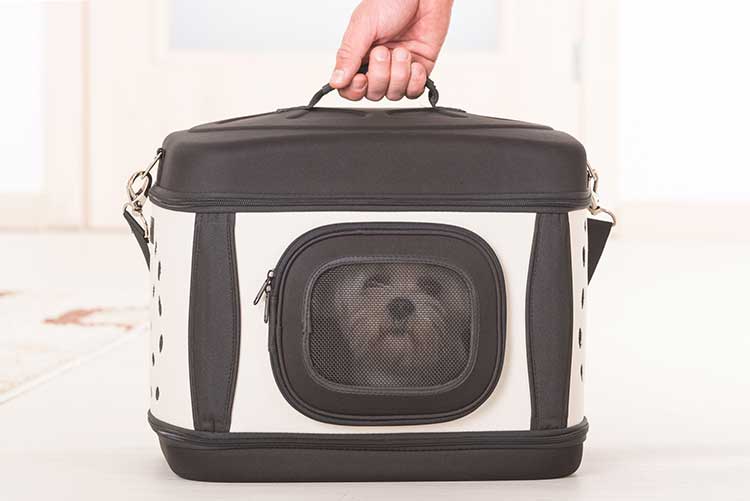
Portable Dog Carriers

Portable Dog Carriers
Monika Wisniewska/Adobe Stock

Sharing your home with small dogs offers many perks due to their pint size. Small dogs eat less, poop less and are completely portable, which saves money and your back! While it’s tempting to hold a small dog in your arms, it’s actually safer for small dogs to travel in portable dog carriers or crates. Additionally, if a small dog is fearful of encountering other dogs or visiting the vet’s office, a dog carrier will make your dog feel much safer.

Benefits of Using a Portable Dog Carrier

In a pinch, holding your dog works well, but it’s not the safest way to contain a small dog. Tiny dogs can jump down or accidentally fall, causing major injuries, such as broken bones. Also, when pet owners hold small dogs in their arms, these tiny dogs are exposed to other dogs, which can cause dog aggression.

A couple of months ago, a large man was holding a 10-lb dog in his arms while standing in the veterinary clinic waiting room. A large dog entered the clinic. The tiny dog freaked out and deeply scratched and bit the pet owner in the face and neck. This could’ve been prevented if the dog were in a pet carrier. Unfortunately, this happens often.

Portable Dog Carriers for Dogs 1-20 lbs

Options for portable dog carriers are endless for dogs under 20 lbs. Carrier style bags are extremely popular due to their convenience. They’re super easy to place and to carry a small dog next to your body. Plus, carrier style bags have zipper openings, adjustable carrying straps, vented fabric and plush lining. There are numerous options, colors and styles for you to choose from based on your individual style and your dog’s comfort needs.

SleepyPod Carriers are super stylish, offer different shapes, can be used as car crates and are one of the few dog carriers that have passed strict car crash safety standard testing.

Portable Dog Carriers for Dogs 21-30 lbs

Over the last few years, backpack style dog carriers have become the latest trend, especially for dogs over 20 lbs. Carrying a heavy carrier style bag with shoulder straps will damage a pet owner’s shoulders quickly. Manufacturers picked up on that and have created dog carrier backpacks that are extremely versatile.

Some backpack carriers feature wheels and handle attachments, similar to suitcases, for pet owners that have to carry their small dogs for a longer distance. My favorite dog carrier backpack for a Miniature Bull Terrier, that weights 28 pounds, is the Snoozer Backpack and Roller dog carrier. It’s not very stylish, but it’s a fanatic product to haul 25- to 30-lb dogs around while keeping your shoulders pain-free.

Dog Carrier Safety Tips

Small dogs should feel like their carrier is a comfortable and safe spot, especially during travel. When dogs are inside their carriers, they should be completely contained, meaning their heads should not poke out of any opening. If a dog’s head can peek out of an unzipped opening, that means your dog can jump out of the carrier. Also, it’s important to:

  • Hold your dog in her carrier close to your body to prevent other dogs from sniffing or someone bumping into the carrier.
  • For backpack or suitcase type carriers, place it against a wall to prevent it from tipping over.
  • If your small dog is fearful, toss a towel over visible areas to create a visual barrier. When dogs are unable to see other dogs or people, they feel much safer.
  • Give your small dog lots of yummy treats or food stuffed toys while she sits in her carrier.

With so many portable dog carrier options available, there’s no reason why small dogs should not ride in safety and comfort!

Filed Under: Equipment, Resources Tagged With: backpack dog carrier, dog carrier, dog carrier backpack, dog carrier bag, dog carrier for 20 pound dog, dog carrier for 25 pound dog, dog carrier for 30 pound dog, dog safety, dog training, Dog Training Tips, dog travel crate, dog traveld, large dog carrier backpack, large dog carrier with wheels, portable dog carrier

  • « Previous Page
  • 1
  • …
  • 7
  • 8
  • 9
  • 10
  • 11
  • …
  • 49
  • Next Page »

About

Dog Training Nation is a community of dog trainers, dog owners and dog lovers. Our mission is to provide trainers and owners valuable information to enrich dogs' lives. We cover a range of topics, from socializing puppies to dealing with aggressive dog behavior to selecting the best dog products. It is our hope you share our content to make the dog and owner world a better place.

​

Facebook

Video

Dog Training Nation is a dog training blog for pet owners and dog lovers. We cover a range of topics from puppy socialization tips to dog aggression to dog health. It is our hope you share our content to make the world a better place for dogs.

Dog Training Nation

Quick Links

Dog Training
Dog Behavior
Dog Training Videos
Become a Dog Trainer
About
Contact Us

Copyright © 2026 · Lifestyle Pro Theme on Genesis Framework · WordPress · Log in