Dog Training Nation

In Dogs We Trust

  • Home
  • Training
    • Dogs
    • Puppies
    • Clients
  • Behavior
    • Breeds
  • Health
  • Safety
  • Resources
    • Equipment
    • Books
  • Dog Training Videos
  • About
You are here: Home / Archives for dog training advice

Come When Called Part 2: Adding Distance to “Come” Cue

September 18, 2014 by Fanna Easter

How to Train a Dog to Come to You

Come When Called
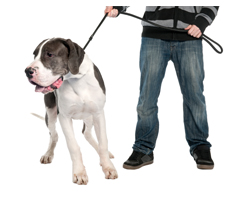
Bigandt/Deposit Photos
  • How to perform an emergency recall
  • Call your dog indoors from the backyard
  • Call your dog back to you around distractions (squirrels, etc.)
  • How to teach multiple dogs to come back to you
  • Fun games

RELATED: Come When Called Part 1: Intro

Directions

  • View first video and practice homework for seven days.
  • View second video and practice homework for seven days.
  • View third video and practice homework for seven days.
  • View fourth, and final, video.

Each video contains tons of information, so rewind and watch several times. Bookmark for easy future reference.

What you will need:

  • Delicious dog training treats
  • Six-foot leash
  • Flat buckle collar or body harness
  • Clicker

Note: Always enroll your dog in a dog training classes. This video should not be used in place of dog training class attendance.

WATCH: Come When Called Part 2: Adding Distance to “Come” Cue Video


See you in seven days! If you have any questions, please add them to the comment section below!

UP NEXT: Come When Called Part 3: Adding Distractions

Filed Under: Dogs, Training Tagged With: clicker training for dogs, clicker training for puppies, dog behavior, dog clicker training, dog training, dog training advice, dog training videos, german shepherd training tips, how to train a dog, how to train a puppy, how to train your dog to come, jumping dog, no jumping dog, pit bull training, puppy training, puppy training tips, Rottweiler training, training a puppy

How to Train Your Dog Not to Jump Part 2

September 9, 2014 by Fanna Easter

How to Stop Your Dog From Jumping

Stop Your Dog From Jumping
Click! All four feet on the floor!

Does your dog jump on you or guests? View this 3-part video series, which will teach your dog:

  • Not to jump on you when coming home
  • To greet guests politely

If you missed Part 1, How to Train Your Dog Not to Jump Part 1.

Directions:

  • View first video and practice homework for 7 days.
  • View second video and practice homework for 7 days.
  • View third, and last, video.

Each video contains TONS of information, so rewind and watch several times. Bookmark for easy reference.

What you will need:

  • Delicious treats the size of a pea. View Choosing Dog Training Treats for more tips.
  • 6-foot leash
  • Flat buckle collar or body harness
  • Clicker is optional. View Clicker Training Tips for more details.

Note: Always enroll your dog in a group dog training class. This video should not be used in place of dog training class attendance.

How to Train Your Dog Not to Jump Part 2 Video

Any questions about the How to Train Your Dog Not to Jump Part 2 video? Please add them in the comment section below!

NEXT: How to Train Your Dog Not to Jump Part 3

Filed Under: Dogs, Training Tagged With: clicker training, dog training, dog training advice, dog training classes, Dog Training Tips, how to train a dog, how to train a puppy, how to train your dog, how to train your puppy, obedience training, puppy training, puppy training tips, stop a dog from jumping, stop a puppy from jumping

Come When Called Part 1: Intro

September 8, 2014 by Fanna Easter

How to Train Your Dog to Come to You

Come When Called
Bigandt/Deposit Photos

Does your dog ignore you and run off? View part 1 of our “Come When Called” series, which will teach you how to:

  • Perform an emergency recall
  • Call your dog indoors from the backyard
  • Call your dog back to you around distractions (squirrels, etc.)
  • Teach multiple dogs to come back to you
  • Fun games

Directions

  • View first video and practice homework for seven days.
  • View second video and practice homework for seven days.
  • View third video and practice homework for seven days.
  • View fourth, and final, video.

Each video contains tons of information, so rewind and watch several times. Bookmark for easy future reference.

What you will need:

  • Delicious treats the size of a pea
  • Six-foot leash
  • Flat buckle collar or body harness
  • Clicker

Note: Always enroll your dog in a group dog training class. This video should not be used in place of dog training class attendance.

WATCH: Come When Called Part 1: Intro

NEXT: Come When Called Part 2: Adding Distance to “Come” Cue

Filed Under: Dogs, Training Tagged With: clicker training, dog training, dog training advice, Dog Training Tips, dog training video, how to train a dog, how to train a dog to come, how to train a puppy, how to train your dog, how to train your puppy, information about dogs, obedience training, perfect dog, puppy training tips

Top 10 Puppy Training Tips

August 14, 2014 by Fanna Easter

Puppy Training Guide

Puppy Training Tips
anatema/iStock

Your puppy is an open learning funnel and training this learning funnel is key to your dog’s success. The puppy learning funnel closes around 16 weeks of age.  Implement these 10 puppy tips the moment your puppy is welcomed into his new home. We’ll train your puppy to learn the importance of polite manners from the beginning. Taking the time to train your dog or puppy is what sets everyone up for success!

1. Enroll in Puppy Class (Using Positive Reinforcement)

After your puppy’s first set of puppy vaccinations, enroll yourself and your puppy into a Positive Puppy Group Class. Choose a dog trainer who uses positive reinforcement. This means no yelling, pushing, yanking or pulling your puppy around. During classes, choose treats your dog loves!

2. Socialize Your Puppy

Puppies are sponges until 16 weeks of age so show them the world now. Introduce them to friendly strangers, cars passing by, loud sounds and so on. Ask friendly strangers to give your puppy treats. Your puppy will learn people are fun.

3. Create a Set Potty and Play Schedule

This is a dog training secret! A set schedule provides reminders so your puppy is given plenty of opportunities to potty. We live busy lives and forget it’s been hours since our puppies have had a chance to potty. Two- to three-month-old puppies can only hold it for a couple of hours max! Place the schedule on your refrigerator for quick reference. Also, all members of your family should follow this schedule.

4. Participate in Supervised Puppy Play Time

Supervised dog training means a professional dog trainer is monitoring puppy play at all times, and it’s a great way for puppies to learn dog etiquette. Supervised sessions invite puppies under 5 months old and allow a maximum of 10 puppies to play at one time. This ensures everyone has a positive experience. Stay away from dog parks, as no one is monitoring play sessions (no one with professional experience, that is). This is the #1 reason dogs become aggressive, as they are bullied by an adult dog and learn other dogs are unpredictable.

5. Crate Train

Your dog’s crate is his sanctuary. He feels safe and can relax in his crate so make it fun to be in his crate. Feed meals in his crate and provide special food stuffed toys to enjoy while relaxing in his crate.

6. Have Patience (Mistakes Will Happen)

Mistakes are part of the learning process. Have patience and invest in a good enzyme cleaner for potty mistakes and follow your set schedule. If teaching your puppy a new behavior, setbacks happen so stop and figure out what caused the mistake and vow not to let it happen again. If your puppy makes multiple mistakes, they may be confused.

7. Teach the Trade Game

Never chase a dog or puppy if he has something in his mouth. As you show your puppy a piece of cheese, say, “Trade.” When he  drops the item, pick up the item and give him the cheese. After a week or two of practice, your puppy will learn to drop items when he hears the “trade” cue. This method will not reinforce your dog to pick up random items in hopes of trading. Rather, he is rewarded for dropping the item for cheese. 🙂

8. Keep Training Sessions Short (1-2 mins)

Practice once or twice daily and keep sessions to 1-2 minutes long. Even if your puppy is doing well, end the session. Use a timer or count out 5 treats and practice until these treats are gone. Puppies’ attention spans are limited for right now so keep it short and fun.

9. Teach Him to Enjoy Body Handling

Puppies are sponges so teach them to enjoy body handling now. Click/treat as you touch his ear, paw, tummy, look in his mouth, lift his tail, touch a toenail, pick him up or restrain him with a hug (preparing for vet visits).

Click and treat your puppy during vet visits with a goal of using 60 tiny treats while the vet is examining your puppy. Give your puppy 5 treats in a row while he’s getting a puppy shot. 🙂

VIDEO: Body Handling

10. Prevent Puppy Biting

Puppy teeth on human skin is not allowed so squeak the moment you feel his teeth touch your skin. The squeak tells your puppy this hurts you. Then, reward your puppy when he removes his teeth from your skin. Also, if your puppy is really excited, wiggle a toy next to your body. This redirects him from your skin and onto a toy.

You may also like: Housebreaking a Puppy

Filed Under: Puppies, Training Tagged With: crate training, dog trainer, dog trainer advice, dog training, dog training advice, how to potty train a dog, how to train a puppy, how to train your puppy, puppy, puppy tips, puppy training, puppy training tips

How to Train Your Dog Around Distractions

August 12, 2014 by Fanna Easter

Training Your Dog
Learn how to train your dog around distractions.

Training Your Dog for Distractions

Teaching your dog a new behavior is the easy part! The tough part is practicing your new behavior around many distractions. 🙂

I think it was Bob Bailey saying, “10% of a new behavior is teaching your dog how to do the behavior. 90% is practicing the new behavior around distractions.”

When a pet parent says, “My dog does not listen at the park,” this means more practice at the park.

How to Train Your Dog

  • Attach a leash to your dog. 🙂
  • Have a party. Show your dog you are the best and most fun thing around.

o   Carry the best treats ever! The really good stuff.

o   Reward your dog every two seconds, especially if in a high distraction area, such as a park.

o   Use high-pitched tones, such as clapping or verbal “puppy puppy puppy.” It’s best used when dog is distracted. The sound will draw his attention back to you, so click/treat!

o   Move away from your dog really fast. Your fast movement is fun and will bring your dog’s attention back to you!

o   Keep a hidden tug toy that may pop out for impromptu games. Rotate between treats and tug game if your dog likes to play too!

  • Start slow. Ask your dog to stay for two seconds instead of 2 minutes in a new situation. Always set your dog up for success or you’ll create a confused dog.

Measuring Success

When training your dog around distractions, what does good look like? When your dog will perform a cue 90% of the time. This means, you say “sit” and your dog immediately (within 2 seconds) puts his behind on the ground 9 out of 10 times. Move to the next step. 🙂

If your dog struggles to reach this criteria, you are moving too fast. Go back one or two steps and try again. This is not your or your dog’s fault. This usually means your dog is too distracted by the distraction. Move slowly and only move to the next step when your dog is successful.

Distraction Check List: Ready, Set, Go!

Begin practicing new behaviors around distractions in the below order. By following each step, your dog will learn to respond to cues quickly!  

  1. Your Home
    1. Hallway
    2. Kitchen
    3. Living room with TV playing
  2. Outside Yard
    1. Outside yard with kids playing (On leash)
    2. Outside yard with kids playing (Off leash)
    3. While squirrels are playing (On leash)
    4. While squirrels are playing (Off leash)
  3. In Car
  4. During Dog Training Classes
  5. Vet’s Office
    1. Waiting area (no dogs -> 1-2 dogs -> several dogs)
    2. Inside vet’s exam room
    3. While vet is examining your dog
  6. Walking Along Your Street: Always on Leash
    1. With no one in park (late evenings work best)
    2. While other people are walking around
    3. Dogs walking past you and your dog
  7. In a Park: Always on Leash
    1. Begin far away from any distractions
    2. Move 5 feet closer to distractions (maybe it’s a walking trail with people and dogs)
    3. Move even closer (another 5 feet)
    4. Practice 3 feet from walking trail
    5. Practice on walking trail
    6. On trail with other people
    7. On trail with other people and dogs
    8. 15 feet move children playing (move until dog will perform cue within 3 feet of children’s play area)
  8. Around Guests
    1. On leash
    2. Off leash

Dog training is like long division mathematics. When you stop practicing, you forget how to do it. Keep practicing and reward often! Happy training!

Now it’s your turn! What other distractions would you add to the list above?

READ ALSO: Come When Called Part 1: Intro

Filed Under: Dogs, Training Tagged With: clicker training, dog behavior, dog training, dog training advice, Dog Training Tips, how to train a dog, how to train a puppy, how to train your dog, how to train your dog around distractions, how to train your puppy, puppy training tips

  • « Previous Page
  • 1
  • 2
  • 3
  • 4
  • Next Page »

About

Dog Training Nation is a community of dog trainers, dog owners and dog lovers. Our mission is to provide trainers and owners valuable information to enrich dogs' lives. We cover a range of topics, from socializing puppies to dealing with aggressive dog behavior to selecting the best dog products. It is our hope you share our content to make the dog and owner world a better place.

​

Facebook

Video

Dog Training Nation is a dog training blog for pet owners and dog lovers. We cover a range of topics from puppy socialization tips to dog aggression to dog health. It is our hope you share our content to make the world a better place for dogs.

Dog Training Nation

Quick Links

Dog Training
Dog Behavior
Dog Training Videos
Become a Dog Trainer
About
Contact Us

Copyright © 2026 · Lifestyle Pro Theme on Genesis Framework · WordPress · Log in