Dog Training Nation

In Dogs We Trust

  • Home
  • Training
    • Dogs
    • Puppies
    • Clients
  • Behavior
    • Breeds
  • Health
  • Safety
  • Resources
    • Equipment
    • Books
  • Dog Training Videos
  • About
You are here: Home / Archives for Dog Training Tips

Why You Shouldn’t Teach Your Dog the “No” Command

November 2, 2016 by Fanna Easter

The “No” Command is Meaningless

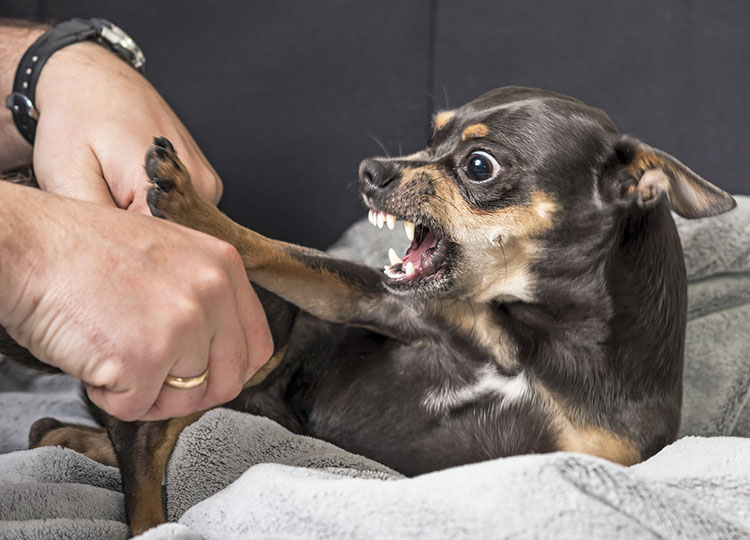
Teach Dog No
VehicleShoot/iStock

Honestly, some dogs have learned “no” is their name. It’s true, as a dog trainer, I’ve watched pet owners say “no, No, NO” over and over again to their dogs. Sometimes, the “no” command makes up the entire interaction between pet owners and their dogs. Not only is this puzzling and depressing, but it also doesn’t work.

Dogs learn to tune out unimportant information and the “no” command soon becomes background noise. So, let’s look at this word differently and see if “no” even teaches your dog anything. The answer just might surprise you.

What Does the “No” Command Mean?

Seriously, what does “no” mean? It could mean:

  • Stop that
  • Don’t move
  • Stay there
  • Don’t look at me
  • Don’t walk toward me
  • Stop touching me
  • Stop licking
  • Stop jumping
  • Don’t run away
  • Don’t dig
  • Stop barking
  • Wrong
  • Stop pulling

“No” has multiple meanings, so when telling your dog “no,” what are you asking your dog to do? It gets confusing, especially for the dog. Basically, telling a dog to stop doing something is the most common reason pet owners say “no.” Here’s the tricky part though: if your dog stops doing a behavior (i.e. barking, jumping, pulling, or growling), what do you want your dog to do instead? Before you answer, let’s visit this scenario from a human perspective.

Let’s say you and your husband go out to dinner. As you’re driving down the road, you notice that your husband is speeding. The moment you notice he’s speeding, you tell her “no.” In this situation, what are you asking her to do? “No” could mean take your hands off the wheel, close your eyes, turn around, look at you, stop the car or go faster. The word “no” provides little information. Instead, say “please slow down” and your husband will lift his foot off the accelerator.

Does “N0” Teach Your Dog Anything?

It really doesn’t. Instead of saying “no,” teach your dog an alternative behavior. When teaching your dog an alternative behavior, you’re rewarding a behavior that’s opposite of what you’re asking your dog to stop doing. This may sound complicated, but it’s actually quite easy and works quickly. Basically, you’re asking your dog to do this instead of that. Check out these examples:

  • If your dog is jumping on guests, ask your dog to “sit” instead.
  • When a dog barks, reward her for being quiet.
  • If your dog potties inside your home, reward her when she potties outside.
  • When your dog pulls on leash, reward a loose leash.
  • If your dog moves around while brushing, reward your dog when she stands still.
  • If your dog runs away from you, reward your dog for running toward you.
  • If your dog tries to eat food on the ground, teach the “leave it” cue and reward when she “leaves it.”
  • If your dog has something in her mouth, teach “trade game.”

Believe it or not, teaching and rewarding an alternative behavior works every time! Instead of focusing on what your dog did wrong, figure out what your dog should do instead. Here’s a huge hint: choose the opposite behavior. It’s really hard for a dog to jump and sit at the same time. 🙂

Should You Teach Your Dog the “No” Command?

No, you shouldn’t. Remember the word “no” is meaningless. Instead, teach your dog what to do instead. When I explain this “no” concept, most pet owners ask, “Well, what should I say when my dog is running toward a busy road?” My response to that is: “Teach your dog a rocket recall, and say “Rover, come here” when this happens. Then, reward your dog thoroughly with treats and tons of praise.” Screaming “no” won’t stop your dog from running away. I wish it were that simple.

Beware of dog trainers and websites claiming that dogs must learn the “no” command. Remember, “no” could mean anything. Plus, “no” means nothing during the learning process. If you were learning a foreign language, such as French, and I said “no” when you spoke French, what am I teaching you? Not to speak French, it would seem. But, if I asked you to pronounce a French word differently, that would help you learn quicker and faster. It’s the same with dogs, horses, snails, fish and even children. Teach an alternative behavior instead of saying “no.”

Teaching an alternative behavior may seem a bit different, but it’s the best way to stop unwanted dog behavior. Before saying “no,” figure out what your dog should do instead. Remember, teach your dog to do this instead of that!

Filed Under: Behavior, Dogs, Training Tagged With: does your puppy understand what no means, dog doesn't know what no means, dog doesn't understand no, dog training, Dog Training Tips, how to teach a dog, how to train a dog, my dog won't listen when I say no, show dog no, teach dog no, teaching a dog, teaching your dog no, teaching your puppy no, train dog to respond to no, training a dog, training your dog no

Celebrate Your Dog’s Birthday With A Cake

October 19, 2016 by Fanna Easter

4 Dog Birthday Cake Ideas Your Dog Will Love

Dog Birthday Cake Ideas
MaximFesenko/iStock

Dogs are fuzzy members of our families, so it’s important to celebrate their birthdays or “gotcha” days. And what’s a birthday without a cake, right? Regardless of your dog’s dietary needs, there’s a birthday cake for every dog—even a raw food version. Check out these yummy and tummy-friendly dog birthday cake ideas. By the way, my dogs love the meatloaf cake with mashed potato frosting the most!

Take your dog birthday cake decorations to the next level and be creative! Line dog biscuits around your dog’s cake, top with fresh fruit (no grapes or raisins please!), or mix and match different frostings. Human frostings are loaded with harmful stuff, so choose real foods, such as softened cream cheese or pumpkin instead. Use a bully stick as a candle to add a bit of pizazz. Either way, your dog will love his doggie birthday cake.

1. Meatloaf Cake With Mashed Potato Frosting

Ingredients

  • 1 pound ground beef
  • 1 egg
  • 1/3 cup uncooked oatmeal
  • 6 potatoes

If your dog is allergic to beef, you can use ground chicken, turkey or lamb. Stir in egg and uncooked oatmeal in ground beef. Then, pat mixture into an ungreased loaf pan. If your dog is unable to tolerate grain, omit oatmeal and add another egg to the mixture. Bake for 30 minutes.

While the meatloaf is baking, peel and boil potatoes. Cook until potatoes are soft. Drain potatoes and mash with a potato masher or blender. Once meatloaf is cooked and has cooled completely, remove loaf from pan and frost with mashed potatoes.

2. Raw Ground Chicken With Pulped Apple Frosting

Ingredients

  • 1 pound ground chicken
  • 1 cup apples (peeled and seeded)
  • 10-15 blueberries (optional)

Pour raw ground chicken into a loaf pan or large bowl, and cover the top with pulped apples. When serving, spoon mixture into your dog’s bowl or plate. Dot blueberries on top of the apple frosting for a pop of color. Keep chilled, as this is raw food. 🙂

RELATED: Summertime Dog Food Recipes for Interactive Toys

3. Restricted Diet Dog Birthday Cake

Some dogs are restricted to prescription diets, but they can certainly still have a dog birthday cake.

Ingredients

  • Canned food varieties of your dog’s prescription food
  • Prescription dog food biscuits

Mold canned prescription food into a loaf. Use prescription dog biscuits as toppers. When serving, just scoop the loaf into your dog’s bowl. I’m pretty sure your dog will absolutely love it!

4. Store Bought Birthday Cake Options

If creativity is not your forte, purchase a dog birthday cake at your local dog bakery. We did this several years ago, and my dog’s cake looked much better than any of my previous dog birthday cakes! Search for local dog bakeries online, and do know, they usually need at least 2-3 days to bake and decorate your dog’s cake.

Happy birthday from Dog Training Nation! We hope your dog absolutely loves these recipes!

Filed Under: Clients, Resources, Training Tagged With: birthday cake for dog on restricted diet, dog birthday cake frosting, dog birthday cake ideas, dog birthday cake recipes, dog cake mix, dog training, Dog Training Tips, how to make a birthday cake for your dog, how to teach a dog, how to train a dog, raw dog food birthday cake

Help! My Dog Hates The Vet

October 18, 2016 by Fanna Easter

What to Do If Your Dog Hates the Vet

My Dog Hates the Vet
Piter1977/iStock

Guess what? I’ve been there, and it’s a tough place to be. Many years ago, I shared my home with a dog that growled, snarled, snapped, lunged and tried to bite our veterinarian and her entire staff. It was gut-wrenching. I know the embarrassment of watching your dog lash out, feeling helpless and frustrated.

Oh, and I know that pit in your stomach. You know, the one that forms while scheduling a vet visit when your dog hates the vet. Yup, that one. Your dog needs veterinary care, but there are things you can do that can positively change your dog’s behavior while keeping everyone safe.

Why Does My Dog Act This Way?

Your dog doesn’t behave this way because he chooses to; he doesn’t know what else to do instead. Basically, your dog is so terrified of the vet that he’s unable to control his behavior. It’s that simple. It’s easy to blame the dog; I see it every day. However, it’s not your dog’s fault for not being able to control his behavior in this stressful situation.

The good news is you can change your dog’s behavior. It may take awhile, but it’s completely worth it because it keeps everyone and your dog safe. Just remember, pairing good things with scary situations will eventually change your dog’s behavior. It works, so stay the course.

How to Change Your Dog’s Behavior

Train Your Dog to Wear a Muzzle

If your dog has lunged or snapped at the vet, your dog has been muzzled before. Muzzling a frightened dog is difficult and it certainly will cause a frightened dog to panic even more. Instead of muzzling your dog at the vet’s office, positively teach your dog that wearing a muzzle is a good thing.

For this behavior, I recommend using a basket muzzle and lots of yummy treats. Check out my favorite video on teaching your dog to love wearing a muzzle.

Muzzle training tips:

  • Practice at home first.
  • Keep sessions short like 1-2 minutes at a time.
  • Once your dog is comfortable wearing his muzzle, take your dog to your vet’s office with his muzzle on.
  • It will take 1-2 weeks of daily practice until your dog is comfortable wearing a muzzle.

In the beginning, just driving over to the veterinary office while your dog wears a muzzle is good practice. Then, you should reward your dog for comfortably wearing his muzzle while sitting in the car in your vet’s parking lot and later for walking around the parking lot. Move slowly and reward often, especially when you move to a new location. Soon, your dog will learn that getting dressed, or wearing his muzzle, means good things will happen.

Also, if you’re new to clicker training, check out this clicker training article. If you’re uncomfortable using a clicker, you can use a verbal marker, such as “yes.”

Teach Body Restraint at Home

Being held down by a complete stranger is definitely weird—no wonder our dogs freak out at the vet! All dogs (and puppies) should learn that restraint makes good things happen. It’s best to start teaching this dog behavior at home and practice for weeks before your dog (or puppy) goes to the vet’s office. During my puppy and basic manners group class, we focus on body handling and restraint, and pet owners practice daily with their dogs.

WATCH: Train Your Dog to Enjoy Body Handling

Oh, don’t forget! When your dog is being restrained during vet visits, stand next to your dog and reward him. I bring peanut butter filled Kongs and hold one next to my dog’s mouth. That way, my dog can happily lick away while being restrained. If your dog is muzzled, I recommend using canned squeeze cheese as a reward. This way, you can poke the canned cheese nozzle through your dog’s basket muzzle and squirt away during your dog’s exam.

If All Else Fails, Try Meds

Sometimes, it’s best to sedate your dog. I know it’s hard, but it may be the best option. Remember, the more your dog practices a behavior, the stronger it gets. If your dog is sedated, he won’t remember what happened, which is a good thing. Also, sedating your stressed dog will allow your veterinarian to conduct a successful physical exam.

If your dog needs to be sedated, speak with your veterinarian first. Your vet will recommend specific medications to calm your dog before a vet visit, such as Trazodone, Valium or Xanax. Please, don’t give your dog acepromazine. It doesn’t prevent your dog from panicking. Check out why acepromazine should never be used as a sedative.

Remember: If your dog could do better, he would do it. Changing behavior takes time, so keep practicing! Also, you’re not alone, we’ve all been there.

Filed Under: Behavior, Health, Resources, Training Tagged With: dog bites vet, dog hates going to vet, dog terrified of vet, dog training, Dog Training Tips, how to train a dog, my dog freaks out at the vet, my dog growls at vet, my dog hates vet, taking aggressive dog to vet

How to Teach Your Dog to Release the Tug Toy

October 14, 2016 by Fanna Easter

Teaching Your Dog to Release a Toy During Play

How to Teach a Dog to Drop a Toy
oneinchpunch/iStock

When playing tug with your dog, sometimes your dog just doesn’t want to let go of the toy. It’s very common because tug is super fun! It’s important to know that your dog is refusing to let go of the toy because releasing it means the game is over. It’s that simple. Check out these dog training tips for teaching your dog to release a toy.

Step 1) Keep Tug Toy Still

Dogs tug on toys because it’s fun and you’re tugging back. When you wave, toss or tug on a toy with your dog, it’s a super fun game. When you stop moving the toy, this should tell your dog to release the toy. When the toy stops moving, it’s no longer fun for your dog. Here’s how to teach a “release” behavior.

  1. Start playing tug with your dog for 1-2 minutes.
  2. Hold the toy completely still and wait for your dog to release the toy. In the beginning, this may take a few seconds or even a full minute, but it will happen.
  3. Patience is key here. Continue to hold the toy still even as your dog pulls and bites at the toy.

WATCH: Teach Your Dog the Tug Game

Step 2) Teach Your Dog That Release Means Another Game

The moment your dog lets go of the toy (removes mouth from toy), start moving the toy around to play another game of tug. Your dog will learn that releasing the toy makes another tug game happen. Let’s try it again.

Pull, tug and shake the toy around for a couple of minutes with your dog, then stop moving the toy again. You’ll likely notice your dog releasing the toy a bit quicker this time because he’s learning that stillness means to “release.” The moment your dog releases the toy, make the game start again.

When teaching the release behavior with a toy, there’s no need for a verbal cue. Your dog will learn that stillness is the signal to release the toy. Omitting a verbal cue works quicker because most verbal cues are used too early or too late, which confuses the dog. Toy movement means the game is on! When you stop moving the toy, it means your dog should release the toy.

Game Over

We all wish fun games would continue forever, but it’s not realistic. When it’s time to end a game of tug for the day, just stop moving the toy. When your dog releases the toy, say “all done” while tossing several treats in the opposite direction of the toy. When your dog runs over to eat his treats, put the tug toy away.

Good luck, and let me know how it goes!

You may also like: Laser Pointer Games are Bad for Dogs

Filed Under: Dogs, Games, Puppies, Training Tagged With: dog training, Dog Training Tips, how to teach a dog, how to teach your dog to let go of a toy, how to train a dog, my dog will not let go of toy, teach your dog let go, teaching your dog to let go, teaching your dog to release a toy, train your dog to release a toy, why will my dog refuse to let go of toy

5 Tips To Help You Get The Most Out Of Private Dog Training Lessons

October 10, 2016 by Fanna Easter

How to Prepare for Private Dog Training Lessons

Private Dog Training Lessons
Luminahox_sam/iStock

Coming prepared to private dog training lessons will get you the best results. Private dog training lessons usually last 1-2 hours, and a great amount of information is discussed within that short period of time. To maximize private lessons, I recommend following a few tips to get the most bang for your buck. These tips will also ensure a smooth and stress-free private dog training lesson for you, your dog and your dog trainer.

Know Your Dog Training Goals

Before your first private lesson, really think about your and your dog’s training goals. Most pet owners focus primarily on what their dogs do wrong. Instead, flip your thought process around and figure out how your dog should positively respond in a situation.

Focusing on a solution is a game-changer because now you have a plan. Your dog trainer will teach you how to put your plan into action. A solution-focused example is teaching your dog to sit as guests enter through the front door instead of jumping on visitors.

Pack Yummy Treats

You’ll need at least 50-100 pea-sized training treats for each private dog training lesson. Remember, dog training treats are your dog’s paycheck, so reward with super yummy ones. Fresh treats always work best, such as chopped hot dogs, baked chicken or cheese.

Discuss 1-2 Topics Per Private Lesson

It’s so tempting to list all your questions and concerns during a private lesson because this is your chance to finally be heard. However, discussing too much information in such a short time will confuse you and your dog. Instead, choose 1-2 topics to cover per lesson. I ask clients to choose their most pressing issues, and we discuss them during our first private lesson.

Usually, once a pet owner’s main concerns are addressed, the other little things really don’t matter. If you have additional topics, I recommend scheduling another private lesson to discuss. Trust me, if every topic is discussed within a 1-2 hour time frame, it will leave your head spinning in confusion. 🙂

Have Realistic Expectations

Teaching new behaviors to your dog is a process; it will take longer than 1-2 hours. As professional dog trainers, we want instant gratification too, but dogs are living beings that need time to learn new skills. Think about it this way: if dog trainers could wave a magic wand or reset a few buttons on dogs, all animal shelters would be completely empty. 🙂

During private lessons, your dog trainer will show you how to teach your dog. Usually, a dog trainer will explain and demonstrate how to teach your dog a behavior and then provide feedback as you practice. It takes time for humans to learn too, so be kind and patient to yourself.

Move slowly, reward often and remember that practice makes perfect; hence, do your homework. Homework provides plenty of time for both pet owner and dog to learn together, so plan to practice homework 3-5 minutes each day.

Have an Open Mind

This is a huge tip! You’ve probably tried different dog training methods, suggestions or tips in the past, and they didn’t work out well. I highly recommend you open your mind and thoroughly listen to your positive reinforcement dog trainer’s suggestions.

Many times, certain tips and suggestions just need a few tweaks to clear up any confusion. Remember, each dog is an individual, so something that worked for someone else’s dog may not work for your dog. Your dog trainer will provide invaluable feedback, so absorb it like a sponge!

Preparation is key to success! Don’t be afraid to ask your dog trainer for additional preparation tips.

You may also like: Why Group Dog Training Classes are Worth It

Filed Under: Behavior, Clients, Training Tagged With: are private dog training lessons worth it, dog training, dog training client tips, Dog Training Tips, how to prepare for private dog obedience session, how to teach a dog, how to train a dog, prepare for private dog training lessons, private dog obedience tips, private dog training lessons, teaching a dog, training a dog

  • « Previous Page
  • 1
  • …
  • 19
  • 20
  • 21
  • 22
  • 23
  • …
  • 43
  • Next Page »

About

Dog Training Nation is a community of dog trainers, dog owners and dog lovers. Our mission is to provide trainers and owners valuable information to enrich dogs' lives. We cover a range of topics, from socializing puppies to dealing with aggressive dog behavior to selecting the best dog products. It is our hope you share our content to make the dog and owner world a better place.

​

Facebook

Video

Dog Training Nation is a dog training blog for pet owners and dog lovers. We cover a range of topics from puppy socialization tips to dog aggression to dog health. It is our hope you share our content to make the world a better place for dogs.

Dog Training Nation

Quick Links

Dog Training
Dog Behavior
Dog Training Videos
Become a Dog Trainer
About
Contact Us

Copyright © 2026 · Lifestyle Pro Theme on Genesis Framework · WordPress · Log in