Dog Training Nation

In Dogs We Trust

  • Home
  • Training
    • Dogs
    • Puppies
    • Clients
  • Behavior
    • Breeds
  • Health
  • Safety
  • Resources
    • Equipment
    • Books
  • Dog Training Videos
  • About
You are here: Home / Archives for Dog Training Tips

Help! My Dog Refuses to Walk

February 4, 2015 by Fanna Easter

What to Do When Your Dog Refuses to Walk

Dog Refuses to Walk
Learn tips to un-pancake your dog!

Most likely, you’ve had this happen during walks. When you’re heading home after a fun walk in the park, your healthy dog flattens himself to the ground, refusing to walk any farther. I call this “pancake dog,” meaning a dog will splat himself against the ground and refuse to walk.

Now, if your dog is limping, ill or injured, this doesn’t apply. Bring your dog to the vet ASAP.

Why Dogs Refuse to Walk

Below are a few reasons why a dog refuses to walk and flatten himself onto the ground.

Fearful

About 50% of the time, I notice puppies and dogs refuse to move forward due to fear. Usually, their bodies are lying backwards away from whatever is frightening them. This happens because a puppy or dog is scared of whatever he is approaching at the time. This could be another dog, person, narrow space, barrier or she has not learned how to walk on a leash. Honestly, it could be anything.

Never force or drag a dog past a scary object. Instead, stop to give your dog some time to process the situation. If she’s still scared, use the Hansel and Gretel technique described below. For smaller dogs, it may be easier to pick them up and walk past the scary thing. At home, practice confidence building games, such as Touch the Goblin.

RELATED: How to Train Fearful Dogs

Don’t Let the Fun End

Dog Training Tips
Learn tips to get your dog happily moving forward!

And this is the other 50%. 🙂 Puppies and dogs are smart. They’ve learned that splatting against the ground and holding firm keeps them in their favorite environment longer. Dogs will refuse to move usually once you turn to head home. I’ve had puppies splat after class. They don’t want to leave. 🙂

The Hansel and Gretel technique will get them moving. Also, practice randomly walking away from the park and then rewarding good behavior (non-splatting) by walking back to the park for another game of fetch. No one wants the fun to end, but by making the act of going home fun, you don’t have to worry about pancaking along the way.

Un-Pancaking Your Dog

The goal of this dog training exercise is to get your dog up and willingly move forward, which builds confidence. Studies have shown giving dogs choices and allowing them to choose is just as reinforcing as treats—something to ponder!

Hansel and Gretel

Unlike the children’s fable, you’re moving your dog away from the monster not toward it. Sprinkle yummy treats in a trail past the scary thing. Using super yummy treats will really help. Your dog (or puppy) will eat the treats while keeping an eye on the monster. But he’s moved himself, which is a big step forward!

Plus, pairing yummy treats with something scary, well, makes things less scary. If you were stuck in an elevator, you would probably freak out. But what if you were stuck in an elevator with a dozen delicious cupcakes or a six-pack of your favorite beer? Not so bad, huh? You’ll indulge while waiting for someone to rescue you. 🙂

Touch the Goblin

During this game, you’ll need a clicker and lots of yummy treats. Introduce something odd in your home, such as the vacuum or folding step stool (both usually freak dogs out). Practice each step 10 times and then move onto the next one. If your dog becomes frightened, take 1 to 2 steps back.

Never move, wiggle or touch the scary thing during training sessions. This just makes the scary thing even more terrifying to your dog.

  1. Click and treat when your dog looks at the scary object.
  2. Now, click and treat when your dog walks over to the scary thing.
  3. Usually, after a few sessions, dogs will try to touch the scary thing with craned necks, wide eyes and splayed out back legs. Click and treat this behavior. They are being pretty darn brave right now.
  4. Say “touch the goblin” as they lean forward, trying to touch it with their muzzle.
  5. After a few touches, your dog will exude confidence. He successfully slayed the dragon so be proud! We call this building confidence. 🙂

After a few “touch the goblin” sessions with different scary things, you’ll notice your dog will likely march right up and touch the next scary thing. He’s learning that scary things will not harm him.

WATCH: How to Get a Dog Moving When He Refuses to Walk

You may also like: Humping Dogs

Filed Under: Behavior, Dogs, Puppies, Training Tagged With: dog refused to move, dog refuses to get out of water, dog refuses to go outside, dog refuses to leave, dog refuses to leave dog park, dog refuses to walk during walks, dog training, Dog Training Tips, dog training videos, fearful dogs, how to train a puppy, my dog refuses to walk on leash, my dogs stops moving on leash, positive reinforcement dog videos, professional dog training tips, puppy is scared of moving cars, puppy training tips

Dog Socialization Tips

December 12, 2014 by Fanna Easter

Socializing Dogs

Dog Socialization
Follow your dog’s lead. Walk away if he’s uncomfortable.

Pet parents are bombarded with: “You’re a terrible owner if you don’t allow your dog to greet other dogs,” “The socialization window closes before 16 weeks so hurry and meet as many dogs as possible,” “Dogs must meet 100 new dogs before a certain age” statements. These statements are valid, but it’s important to add limitations and boundaries first. Follow these dog socializing tips and be their voice.

What is Socialization?

Socialization means puppies and dogs learn how to interact within their worlds. Socialization is vital. Each interaction must be tailored to your dog’s personality with the purpose of teaching him how to interact within his world with confidence.

Greeting: Engage and Disengage

Greeting means a dog walks directly over to another dog with the purpose of engagement. During socialization, puppies and dogs are learning how to politely meet (engage) and end (disengage) greetings. Not all dogs are polite greeters. They can be downright rude by invading space, staring or being too rough. This is where disengaging becomes tricky. It’s kind of hard to move away from a rude greeter while on leash so some dogs will resort to threatening behaviors to make the rude dog go away. Now, your confused disengager learns threats work and is the normal way to disengage.

Living with a Gregarious Greeter

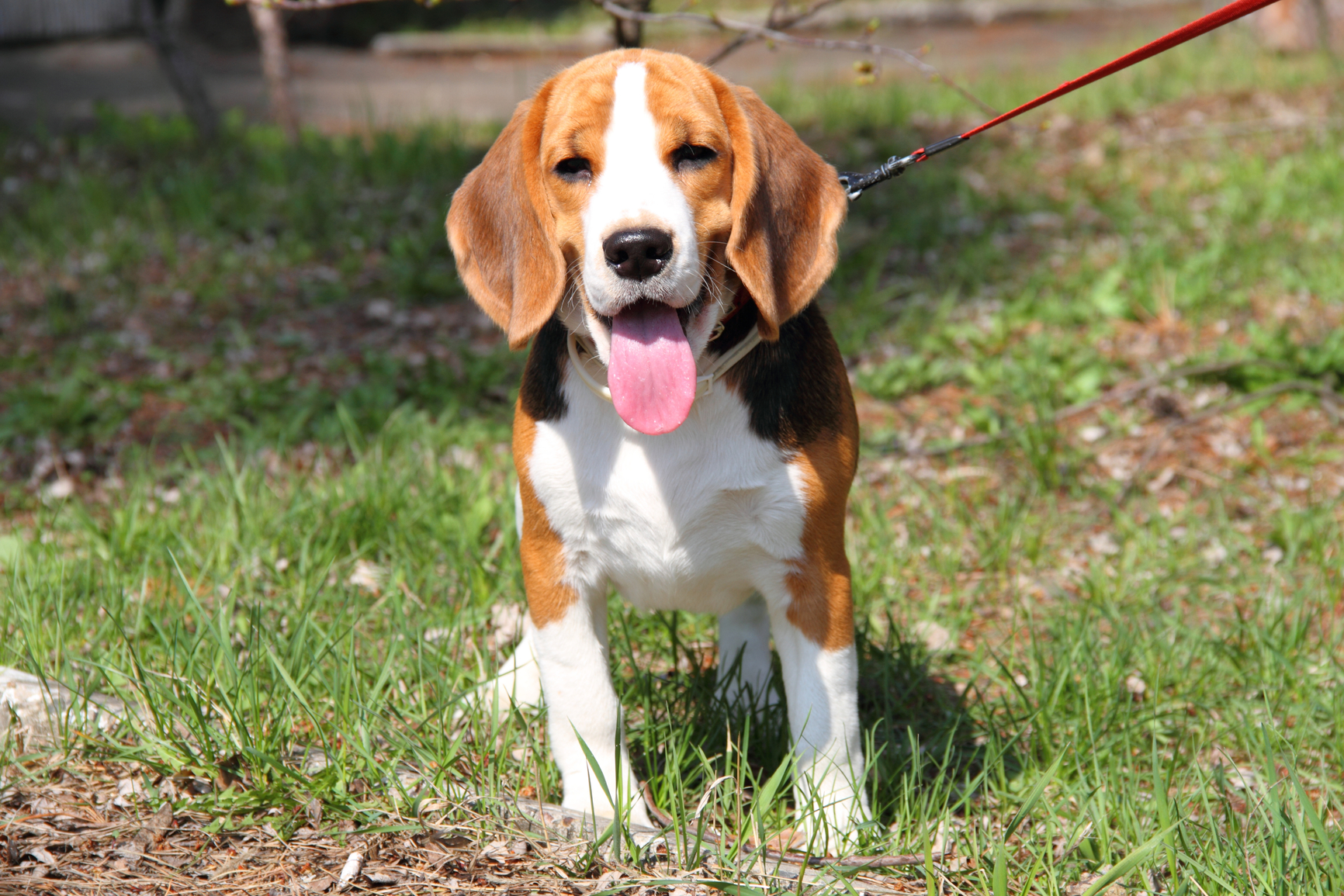
Beagle
“Hello! I’m uber friendly!” Note soft eyes, open mouth and slight panting moving forward.

Not all dogs are comfortable meeting your gregarious greeter. Always stop 15 feet away and ask first. It’s the polite thing to do. If the other dog looks uncomfortable or scared, walk away quickly. Sticking around will make it much worse.

Think of it from a human perspective: Do you shake hands with everyone shopping at the grocery store? “Hi, I see you’re buying grapefruits today. My name is Fanna,” “Hi, those pork chops are lovely. My name is Fanna” or “Oh I buy that type of toilet paper too! My name is Fanna.” Could you imagine?! You would think I was nuts, right? But what if I followed you down an aisle saying, “But I want to meet you. My name is Fanna!” Creepy, especially for people not comfortable greeting strangers!

Instead, while shopping at the grocery store, we make eye contact with a stranger, smile, nod and continue walking past him. When walking past, provide plenty of room by turning sideways, walking down a different aisle or politely allowing a stranger to walk past you because it’s human etiquette. This works in the dog world too! 🙂

My Dog is a Wallflower

Scared Dog
“Stay away, please!” He’s not sure. Hence, the backwards lean (away from you), mouth closed (no panting), still body and wide eyes.

If your dog finds greeting other dogs stressful, it’s okay. All dogs are individuals. Some are introverts while others are extroverts just like people. An introverted person (withdrawn from strangers) finds attending parties with lots of people torturous. Remember, people are able to control their outcomes. Dogs can’t unless their pet parents notice their uncomfortable behavior around strange dogs or people.

When a dog is forced to meet another dog, scuffles or fights often break out because one dog is not comfortable meeting another dog and tries to disengage using threats. Note, it only takes one scary incident for a dog to become terrified of other dogs. Then the vicious cycle begins. Well meaning pet owners forcibly socialize their newly terrified dogs to fix the aggressive issue, which only makes it worse. Pet owners say, “My dog was really good with other dogs before. So he must need more socialization, right?” This will only make the problem worse.

Never introduce a known aggressive dog to another dog, as this is a recipe for disaster. Socializing known “dog aggressive” dogs will not make your dog better. It will make him much worse. He’s practicing this behavior and we all know practice makes perfect. Plus, there’s a really good chance the other dog, now having a terrible experience, is afraid of other dogs too.

Instead, enroll newly terrified and dog aggressive dogs in a Relaxed Rover class or contact a professional dog trainer or animal behaviorist. By partnering with a professional,  your dog will learn confidence around other dogs while developing skills to engage and disengage greetings without resorting to threats. Shoot, all dogs will benefit from learning these skills. 🙂

Socialization with Boundaries

Anxiety in Dogs
“Can we leave? I’m not comfortable.” Note leaning away from you, holding one foot up, ears pulled down and back and worried eyes.

Tip One: Follow your puppy’s or dog’s lead. If he’s not comfortable meeting another dog, walk away (before they greet). You’re teaching polite disengaging behavior by saying “hi” from a distance and politely walking away (remember the nod at the grocery store).

Tip Two: Enroll your puppy in Positive Puppy Manners class and Puppy Playtime after his first puppy vaccination series with a professional dog trainer. If your puppy chooses not to play with other puppies, it’s okay. He probably enjoys human contact more than puppy play.

Allow your dog to choose his friends. Sometimes, dogs and puppies love to play with certain dogs like your neighbor’s or sister’s dog, but he’s not comfortable playing with other dogs. That’s okay too. Personally, I have a tiny group of friends while my sister has unlimited friends, and we came from the same litter. 🙂

Tip Three: When accidentally meeting another dog on leash, allow them to briefly greet for two seconds, then walk away. You’re interrupting the greeting to keep it positive and teaching polite disengaging behaviors. By keeping greetings short with strange dogs, it prevents rude behavior from sneaking up.

Tip Four: If a person and his dog are making a beeline towards your dog, say, “We’re training, sorry,” and step away, turn around or cross the street. Trust me, you’re not being rude by moving away from the approaching pair. You’re speaking up for your dog and he thanks you. 🙂 As for the beelining dog and person, they’re learning that not all dogs should meet, which is a good thing!

I know this is a controversial topic and you can never go wrong by following your dog’s lead. Always socialize, but put a few boundaries in place first. 🙂

Filed Under: Behavior, Clients, Dogs, Training Tagged With: best dog training tips, do dogs want to meet all dogs, dog aggression, dog behavior, dog is aggressive to other dogs, dog socialization tips, dog socializing tips, dog training, Dog Training Tips, how to train dogs, how to train puppies, my dog hates other dogs, obedience training, puppy socialization ideas, puppy socialization tips, puppy training classes, top dog training tips

T Touch for Scared Dogs

December 11, 2014 by Fanna Easter

Training Scared Dogs

T Touch
The power of T Touch!

As a dog trainer, I’m still learning about T Touch and what I’ve learned so far is truly effective with amazing results! I use these secret training tips for scared dogs everyday!

What is T Touch?

Linda Tellington-Jones developed Tellington Touch Training (T Touch) many decades ago while training nervous horses. Horses are big. They average 1,000 lbs, give or take 100 lbs depending on their size, so working with scared horses can be extremely dangerous. Instead of man handling or forcing horses, which increases anxiety, Linda thought outside the box. She created a method of reducing anxiety to calm horses so they can learn. While we throw out labels such as “aggression,” it’s important to understand aggression is a symptom of anxiety. Think about it this way: stopping a high fever does not cure the flu.

With T Touch’s tremendous success within the horse world, Linda developed protocols for dogs, cats, small animals and even people! Many years ago, I skeptically attended a T Touch workshop. As dog trainers, we’re always looking for new and effective protocols, but if T Touch worked so well why were we all not doing it? I was blown away with results! And I can’t answer why this secret training tip hasn’t taken off, but hopefully, this blog will help T Touch reach the masses. 🙂

Unleash Your Dog’s Potential: Tellington Touch

How does it work?

T Touch uses slow, rhythmic touching all over a dog’s body. Light pressure with finger tips is key. It’s the same pressure used to softly move the skin over closed eyes. “The intent of the T Touch is to activate the function of the cells and awaken cellular intelligence – a little like ‘turning on the electric lights of the body,'” cites Tellington Touch Training website. Before you scoff at this statement, Linda has a ton of research proving results. This claim has been proven with multiple animals and I’ve personally witnessed positive transformation with the scariest of dogs.

T Touch is a bit different than massage. Massaging is kneading muscles to remove pain while promoting relaxation. T Touch is teaching body awareness by using balance, touching of skin and so forth.

Will this help my dog?

Yes! T Touch will build confidence, teach dogs to self calm, prevent dogs from shutting down, prevent dogs from pulling on the leash and so on!

Take a peek at Alf’s transformation. This video demos the effect of T Touch. Alf was rescued from Michael Vick’s fighting ring and was terrified of everything, and who could blame him? You may need a tissue while watching. 🙂

Alf’s T Touch Transformation

Have you tried T Touch yet?  

Filed Under: Behavior, Dogs, Training Tagged With: does ttouch work, dog training, Dog Training Tips, help your shy or nervous dog, how to help a scared dog, how to train a dog, how to train a puppy, massage for dogs, puppy training tips, secret training tips for scared dogs, teaching a calm dog, teaching your dog to calm, tips for fearful dogs, tips for nervous dogs, tips for scared dogs, touch reviews, training for fearful dogs, training for scared dogs, ttouch, ttouch for dogs, what is touch

How to Stop a Dog From Digging

November 20, 2014 by Fanna Easter

Stop Your Dog From Digging

How to Stop a Dog From Digging
Save your backyard from your digging dog. irinafuks/Deposit Photos

Does your backyard resemble the moon’s landscape riddled with craters and holes? Well, I have some tips for keeping your dog from digging to the center of the Earth — I promise!

Why Do Dogs Dig?

  • Dogs were bred to dig:  While many folks believe this is a Terrier thing, I beg to differ. Pretty much all dogs like to dig, some more than others (hence Terriers). I would lump Dachshunds and many scent hounds in this digging group too.
  • Dogs smell vermin under the ground: This scent is mesmerizing to just about all dogs even that darling little Maltese with bows in her hair!
  • Dogs left outdoors, especially in the heat, will dig a hole to cool themselves off. To prevent this from happening, bring them indoors.
  • Bored dogs dig: If a dog is alone and bored in the backyard (and sometimes dig indoors too), he will entertain himself this way. And it’s usually digging up your petunias. 🙂 Instead, provide him with plenty of puzzle toys, or better yet, hire a pet sitter to bring him on a long walk.
  • Trying to escape or get to something: Prevent by never leaving a dog outside unattended. Cover a hole with dirt and secure fence lines, if needed. The more your dog practices digging out the yard, the better he will get at it so prevent. 🙂
  • Bury something: Sometimes dogs want to bury a bone or chew.
  • It’s fun! Who doesn’t love cool dirt running through your paws?

Pre-Dug Holes — Don’t Fill Them Yet!

Before filling holes dug by your dog, do one extra step and add poop in the hole first! Poop is a powerful deterrent for most dogs. Go ahead and try it. Add fecal chunks in the hole and let your dog out in the yard. You’ll notice his disgust once he notices what’s in the hole and he’ll meander away — bingo! Leaving poop in the hole, even if filling with dirt, will continue to deter your dog from digging in that spot again.

Now, if your dog enjoys eating stool, you just made him a buffet! Instead, add several large rocks in the hole, then cover with dirt.

Digging Pit

Actually, this idea works really really well! Dogs will dig so it’s best to teach them where they are allowed to dig and to their heart’s content!

Fill a plastic swimming pool

Place in a shady spot and fill with dirt. When choosing dirt, choose regular dirt or sand. Stay away from potting soil, which can contain chemicals. Bury toys, treats and bits of kibble within the layers of dirt and turn your dog loose. Cheer him on while he’s digging. This is very rewarding (who doesn’t love his own cheering section?).

Section off a small part of yard

Choose a shady area (who wants to dig in the heat?). 🙂 Till or shovel the digging pit area, which exposes and loosens the dirt, making digging easier and fun. While your dog watches, hide treats, chews or kibble within the loose dirt. Several times a week, hide treats in your dog’s new digging pit and cheer him on while he’s digging in his new spot.

Indoor Digging Area

Find a large box, then cut a side hole so your dog can easily enter and exit the box. Now fill the box with old towels and newspaper, then scatter treats within the layers. Turn your dog loose, show him the hole and now he has a digging pit! If he’s not sure about entering the hole, scatter a few treats next to the outside and inside entrance.

Does your dog love to dig? Mine sure does!

Filed Under: Behavior, Dogs, Training Tagged With: digging, digging dog, dog training digging, Dog Training Tips, how to create a digging pit for your dog, how to get your dog to stop digging, how to stop by dog from digging, my dog digs, prevent dog from digging, stop dogs from digging in yard, why does my dog dig

How to Stop a Puppy From Biting

November 14, 2014 by Fanna Easter

Puppy Biting

Puppy Biting
Learn how to manage puppy biting. Ow! lifeonwhite/Deposit Photos

Pet Parent Question:

I have a question on a new puppy. I’ve always had dogs, and currently have two Yorkies, a Rottie and a new pup. The new pup is a Beagle and Dotsy mix, extremely smart at 12 weeks, completely house and kennel trained — I’ve never had a dog that young be so quick to house train. Though she is a huge biter! By that I mean she brings blood, nothing is off limits — arms, legs, hands, face if she gets close enough. I’ve tried scolding her, stop showing attention, giving chew toys when she bites, and I’m lost. Nothing has worked. I’ve even used a fly swatter, which she will turn and attack. She is very, very active and has a doggie door she can go through and run around, which she definitely does for hours. Any advice that I haven’t tried?

Dog Trainer’s Answer:

Congrats on your new family member and huge congrats on potty/kennel training your new puppy! A high five to a fellow Rottie pet parent! Do know the secret to potty training is providing clear boundaries and rewarding good behavior often, which you did so pat yourself on the back. 🙂

Ah, puppy nipping, or as we say in the dog training world bite inhibition. It’s pretty important to teach your puppy that teeth on skin does not pay. Now, your puppy is probably beginning the teething process and it takes a few times to teach your puppy what he can chew on so hang in there. 🙂

A couple of things to try:

  • Teach boundaries. If you’re rude when playing, the game is over: The moment you feel teeth on your skin squeak loudly, freeze for a moment, then walk away from your puppy. If your puppy chases you or tries to pull on your pant leg, repeat the squeak and freeze. Then walk away.
  • Redirect to a toy. Wiggle a toy in front of your puppy and play a quick game of tug. This redirects your puppy from you and onto the toy — works like a charm.
  • Lastly, spray bitter apple on your arms. Careful though, as some dogs love the taste of bitter apple. When polling my students, over half the puppies love the stuff.

Puppy nipping will pass. This is a normal part of puppyhood. 🙂 Punishment usually makes it worse, as any fast movement is play behavior. Hence, chasing the fly swatter. Just as you did with potty training, set boundaries early and follow them. Soon your new puppy will learn to control those little shark teeth!

Check out my article on puppy nipping. There’s some really good tips on helping your puppy through the teething process to puppy biting.

Happy training!

Do you have a dog or puppy training question? Ask the dog trainer!

Filed Under: Dogs, Training Tagged With: ask a professional dog trainer, ask the dog trainer, ask the dog trainer online, clicker training, dog behavior, dog training, dog training advice, Dog Training Tips, how to train a dog, how to train a puppy, information about dogs, obedience training, puppy biting, puppy nipping, puppy tips, puppy training, puppy training tips

  • « Previous Page
  • 1
  • …
  • 36
  • 37
  • 38
  • 39
  • 40
  • …
  • 43
  • Next Page »

About

Dog Training Nation is a community of dog trainers, dog owners and dog lovers. Our mission is to provide trainers and owners valuable information to enrich dogs' lives. We cover a range of topics, from socializing puppies to dealing with aggressive dog behavior to selecting the best dog products. It is our hope you share our content to make the dog and owner world a better place.

​

Facebook

Video

Dog Training Nation is a dog training blog for pet owners and dog lovers. We cover a range of topics from puppy socialization tips to dog aggression to dog health. It is our hope you share our content to make the world a better place for dogs.

Dog Training Nation

Quick Links

Dog Training
Dog Behavior
Dog Training Videos
Become a Dog Trainer
About
Contact Us

Copyright © 2026 · Lifestyle Pro Theme on Genesis Framework · WordPress · Log in