Dog Training Nation

In Dogs We Trust

  • Home
  • Training
    • Dogs
    • Puppies
    • Clients
  • Behavior
    • Breeds
  • Health
  • Safety
  • Resources
    • Equipment
    • Books
  • Dog Training Videos
  • About
You are here: Home / Archives for Dog Training Tips

Help! My Neighbor Complains About My Barking Dog

September 20, 2017 by Fanna Easter

How to React When a Neighbor Complains

Neighbor Complains About My Barking Dog
mfotohaus/Adobe Stock

As you arrive home from work, you notice a note taped to your front door. It’s from your neighbors, and they’re complaining about your dog barking constantly while you’re away at work. What should you do?

Don’t Ignore the Situation

Many pet owners simply ignore neighbors’ complaints; they assume the complaint is not true. But is it? Neighbors don’t complain just to complain—unless they feel ignored. Regardless of your past feuds, it’s important to take your neighbor’s complaint seriously. Call, email or leave a note on your neighbor’s front door, and acknowledge his complaint politely. Apologize profusely, and let him know you’re putting a plan into action immediately.

How Bad is Your Dog’s Barking?

Pet owners are usually very aware that their dogs bark when they’re not home, but how bad is it? It’s important to know if your dog is bored or suffering from separation anxiety. Set up an old smartphone or tablet in your home, and Skype yourself from your current phone. Or purchase an interactive dog camera system to check in on your dog throughout the day. Many camera systems will automatically alert pet owners when their dogs start barking.

If possible, record some of this footage for future reference with a professional dog trainer or veterinary behaviorist. Knowing what’s going on while you’re away will help you address your dog’s barking problem and neighbor’s complaint quickly.

Change Your Dog’s Behavior

Incessant dog barking behavior will not resolve on its own, so it’s important to take time to change your dog’s behavior. One way to change your dog’s behavior is to keep her indoors when you’re unable to keep an eye on her. Never leave a dog alone outdoors. Depending on what you find during your daily video sessions, it’ll be better to start changing your dog’s behavior sooner than later.

For dogs with separation anxiety, partnering with a professional dog trainer is the only way to successfully manage this issue. For bored dogs, hire a pet sitter to walk your dog while you’re at work. While this may seem like an unneeded expense, a pet sitter’s fee of $20 per day is much cheaper than animal control fines and lawsuits. Check out additional tips on keeping a bored dog quiet while you’re away.

Electronic Collars Don’t Work

Unfortunately, an electronic collar or anti-dog barking device is the first item that pet owners purchase when neighbors complain about their barking dogs. After polling hundreds of pet owners, many claim their dogs continued to bark or became aggressive after using an electronic collar. Many dogs are so frightened by the pain, they hide under furniture, urinate or defecate.

There are so many other options that work quickly and won’t cause your dog pain. For example, a Manner’s Minder or Pet Tutor will keep your dog busy throughout the day and prevent barking behavior. These items cost the same or less than an electronic collar, and work much better. If your dog still barks, hire a positive reinforcement dog trainer for best results.

Never ignore a complaint, and start changing your dog’s behavior today.

Filed Under: Behavior, Training Tagged With: barking dog driving neighbors crazy, dog barking, dog barking angry neighbor, dog barks when left alone, dog behavior, dog training, Dog Training Tips, how to deal with neighbor angry my dog barks, how to stop a dog, how to train a dog, neighbor complained about my dog barking, neighbor complains about dog barking, stop dog barking

Should Dogs Be Left Outdoors Unattended?

September 18, 2017 by Fanna Easter

Why Leaving Your Dog Outside is a Bad Idea

Leave Dog Outside Unattended
nickyuh/Adobe Stock

As a professional dog trainer, this is easily one of the most common questions that comes up during consultations. Many pet owners assume their dogs would prefer to play outdoors alone, but that’s not always true. The simple answer is no; you shouldn’t leave your dog outside unattended. Please allow me to explain why, and I think you’ll agree too.

Overprotective Pet Owner?

Keeping an eye on your dog in the backyard is preventative, and not overprotective, behavior. 🙂 Many pet owners assume hanging outside while their dogs play in the backyard is helicopter pet owner behavior. While it’s not necessary to hover over their dogs like a helicopter, they should be aware of what their dogs are doing outdoors. It’s best to hang out in your yard while your dog potties and plays. Of course, you can go indoors and grab a drink, but never leave your dog outside for longer than 5-10 minutes.

Best Way to Prevent Unwanted Behaviors

When dogs are left outdoors unattended, they can get into trouble quickly. Many dogs become lost because they’ve dug out from under their fence within seconds. Also, many accidentally walk through backyard gates unintentionally left open by service workers.

Incessantly barking dogs usually practice this behavior when left alone in the backyard, and it can quickly become a problem with neighbors. Fence fighting behavior can start abruptly and will continue until someone is hurt—and this dog behavior is tough to manage once it starts. Some dogs are teased behind fences, which can certainly cause human aggression.

Lots of unwanted dog behaviors can happen within minutes, so it’s best to hang out with your dog to prevent these behaviors from happening instead of trying to address them later. Prevention is key, and it takes much less time than changing behavior. 🙂

It’s Not Safe

Dogs can eat sticks, stones and so many other harmful objects within seconds. Surgery is often required to remove ingested acorns, pinecones, pine straw, mulch and so forth, which can cost thousands of dollars and even your dog’s life.

Backyards may contain poisonous mushrooms, frogs and stinging insects, which become fatal within hours. If you’re outdoors with your dog, you can prevent your dog from chewing or ingesting harmful objects. If your dog is stung, you’re aware of the insect that stung your dog, so your veterinarian will be able to quickly save your dog’s life.

Keep an Eye on Your Dog

When your dog is outdoors, sit outside and have a conversation with a friend on the phone or, even better, play a fun game with your dog. If it’s too hot or cold for you to sit outdoors, then the weather is too extreme for your dog to sit outdoors too. When your dog tries to chew on acorns, ask your dog to “leave it” and reward your dog with a yummy treat. Additionally, if your dog tries to engage in fence fighting, bring your dog indoors, so he doesn’t practice this behavior. Bored dogs will find something to do if kept outside during the day or while you’re at work, which is never a good thing. So hang out with your dog and prevent unwanted behavior.

An ounce of prevention prevents hours of changing behavior, so never leave your dog outside unattended.

Filed Under: Safety, Training Tagged With: backyard dog, do do like being left outside, dog left backyard, dog safety, dog training, Dog Training Tips, keeping dog in backyard, leave your dog outside unattended, leaving dog in backyard, leaving dog outside, leaving dog outside while at work, should dogs be left outdoors

Portable Dog Carriers Keep Your Dog Safe And Your Shoulders Pain-Free

September 14, 2017 by Fanna Easter

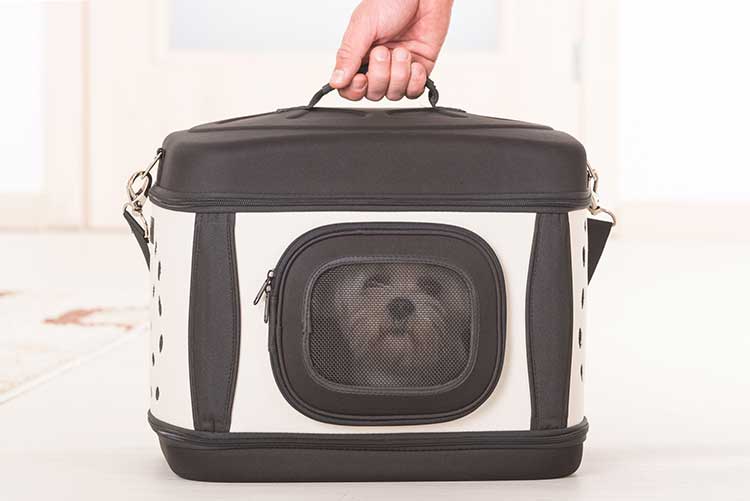
Portable Dog Carriers

Portable Dog Carriers
Monika Wisniewska/Adobe Stock

Sharing your home with small dogs offers many perks due to their pint size. Small dogs eat less, poop less and are completely portable, which saves money and your back! While it’s tempting to hold a small dog in your arms, it’s actually safer for small dogs to travel in portable dog carriers or crates. Additionally, if a small dog is fearful of encountering other dogs or visiting the vet’s office, a dog carrier will make your dog feel much safer.

Benefits of Using a Portable Dog Carrier

In a pinch, holding your dog works well, but it’s not the safest way to contain a small dog. Tiny dogs can jump down or accidentally fall, causing major injuries, such as broken bones. Also, when pet owners hold small dogs in their arms, these tiny dogs are exposed to other dogs, which can cause dog aggression.

A couple of months ago, a large man was holding a 10-lb dog in his arms while standing in the veterinary clinic waiting room. A large dog entered the clinic. The tiny dog freaked out and deeply scratched and bit the pet owner in the face and neck. This could’ve been prevented if the dog were in a pet carrier. Unfortunately, this happens often.

Portable Dog Carriers for Dogs 1-20 lbs

Options for portable dog carriers are endless for dogs under 20 lbs. Carrier style bags are extremely popular due to their convenience. They’re super easy to place and to carry a small dog next to your body. Plus, carrier style bags have zipper openings, adjustable carrying straps, vented fabric and plush lining. There are numerous options, colors and styles for you to choose from based on your individual style and your dog’s comfort needs.

SleepyPod Carriers are super stylish, offer different shapes, can be used as car crates and are one of the few dog carriers that have passed strict car crash safety standard testing.

Portable Dog Carriers for Dogs 21-30 lbs

Over the last few years, backpack style dog carriers have become the latest trend, especially for dogs over 20 lbs. Carrying a heavy carrier style bag with shoulder straps will damage a pet owner’s shoulders quickly. Manufacturers picked up on that and have created dog carrier backpacks that are extremely versatile.

Some backpack carriers feature wheels and handle attachments, similar to suitcases, for pet owners that have to carry their small dogs for a longer distance. My favorite dog carrier backpack for a Miniature Bull Terrier, that weights 28 pounds, is the Snoozer Backpack and Roller dog carrier. It’s not very stylish, but it’s a fanatic product to haul 25- to 30-lb dogs around while keeping your shoulders pain-free.

Dog Carrier Safety Tips

Small dogs should feel like their carrier is a comfortable and safe spot, especially during travel. When dogs are inside their carriers, they should be completely contained, meaning their heads should not poke out of any opening. If a dog’s head can peek out of an unzipped opening, that means your dog can jump out of the carrier. Also, it’s important to:

  • Hold your dog in her carrier close to your body to prevent other dogs from sniffing or someone bumping into the carrier.
  • For backpack or suitcase type carriers, place it against a wall to prevent it from tipping over.
  • If your small dog is fearful, toss a towel over visible areas to create a visual barrier. When dogs are unable to see other dogs or people, they feel much safer.
  • Give your small dog lots of yummy treats or food stuffed toys while she sits in her carrier.

With so many portable dog carrier options available, there’s no reason why small dogs should not ride in safety and comfort!

Filed Under: Equipment, Resources Tagged With: backpack dog carrier, dog carrier, dog carrier backpack, dog carrier bag, dog carrier for 20 pound dog, dog carrier for 25 pound dog, dog carrier for 30 pound dog, dog safety, dog training, Dog Training Tips, dog travel crate, dog traveld, large dog carrier backpack, large dog carrier with wheels, portable dog carrier

Dog Training Tips For Annoying Dog Behaviors

September 12, 2017 by Fanna Easter

How to Stop Annoying Dog Behaviors

Annoying Dog Behaviors
JaribFoto/Adobe Stock

Dogs do certain things because they’re fun! However, fun dog behaviors are super annoying to people, and it becomes a vicious cycle. Before freaking out and screaming “stop” to your dog, take a deep breath. Now, take 5 minutes to an hour and think about what you’d like your dog to do instead of (fill in the blank). This is the key to changing your dog’s annoying behaviors fast!

What Dog Behavior is Driving You Crazy?

Identifying a specific issue helps solve an issue quickly. What is your dog doing that drives you nuts? It could be anything. Instead of assuming that everything your dog does drives you crazy, try to narrow down the most frustrating one. Once you know the frustrating behavior, you can address it. If you don’t, it’s like bringing your car into a mechanic shop because something is wrong, but you can’t identify the issue.

If your dog has several annoying behaviors, pinpoint one that needs to be addressed immediately and work on that one first. Once the main issue is addressed, then move on to additional annoying behaviors. Trying to address all of your dog’s frustrating issues at once is like packing 10 pounds of sugar in a 5-lb sack; it’s not going to happen.

RELATED: Does Your Dog Have an Attitude?

Once the most frustrating issue has been positively resolved, something interesting happens. All other minor behaviors seem to decrease because your dog has learned to do something else instead. Your dog is learning how to positively respond in situations, and both you and your dog are building a bond of trust and communication. Great job!

Here’s a list of common annoying dog behaviors that are fun for dogs, but annoying to pet owners:

  • Barking
  • Digging
  • Jumping
  • Running away
  • Spazzing out
  • Pulling away
  • Chewing
  • Nipping

What Should Your Dog Do Instead?

Now that you’ve narrowed down a specific annoying dog behavior, it’s time to teach your dog an incompatible behavior. An incompatible behavior is the opposite of the annoying behavior. Basically, you’re telling your dog to do this instead of that. Examples of incompatible behaviors for common annoying dog behaviors are:

  • Being quiet instead of barking.
  • Digging in a sandpit instead of your rose garden.
  • Sitting instead of jumping on people.
  • Coming when called instead of running away.
  • Sitting still instead of spazzing out.
  • Walking on a loose leash instead of pulling on it.
  • Chewing dog toys instead of table legs.
  • Not putting teeth on your skin instead of nipping.

How to Teach an Incompatible Behavior

While this may seem like sunshine and rainbow wishes, it’s actually very simple to teach incompatible behaviors. Grab a handful of super yummy treats, and reward your dog when he does an incompatible behavior instead of an annoying one. Dogs eventually have to stop barking to take a breath, so click and reward even a nano-second of silence.

Redirect dogs to chew on their chew toys instead of expensive table legs, and crate dogs when you’re not home. Reward a dog when all four feet are on the floor instead of jumping. Think about it this way: If $100 bills rained from the sky when you sat down instead of standing, you would learn that sitting is super rewarding.

Identify the annoying behavior, then reward the incompatible behavior and the annoying behavior will disappear. Never punish annoying behaviors or they’ll hang around longer—just reward incompatible behaviors every time!

Filed Under: Behavior, Training Tagged With: annoying dog behavior, dog chews, dog digs, dog frustration behavior, dog jumps, dog nips, dog obedience tips, dog training, Dog Training Tips, frustrated with my dog, how to change dog behavior, losing patience with my dog, losing temper with my dog, my dog won't stop, stop dog from jumping

7 Dog Shedding Hacks To Keep Your Home Fur-Free

September 8, 2017 by Fanna Easter

Save Your Home With These Pet Hair Removal Tips

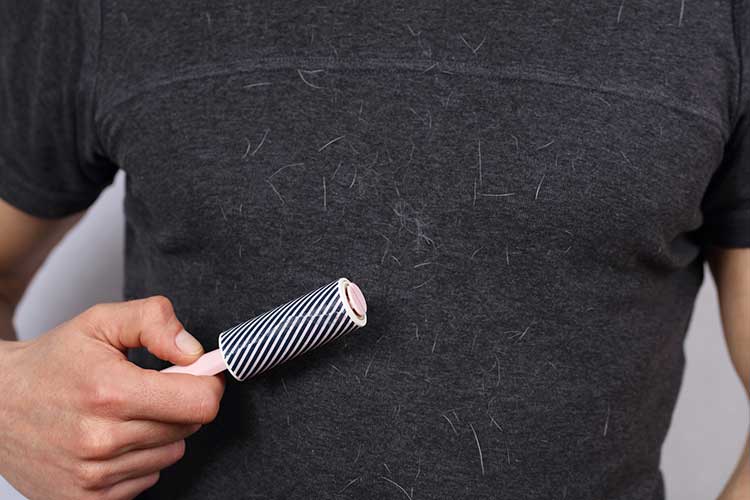
Pet Hair Remover
glisic_albina/Adobe Stock

Dog hair is everywhere! It’s part of sharing our homes with dogs, yet it drives most pet owners crazy. Stop dog shedding for good with these tried-and-true hacks that I’ve collected over the last 20 years as a dog trainer. Most are low cost, and some are even free!

1. Spray Carpet First

Dog hair loves to hide in carpet fibers, which becomes almost impossible to completely remove. About 20 years ago, an old-school dog show person told me about this trick. She shared her home with 10 Bouviers (100-lb. hairy dogs) and her home was immaculate. This is easily still one of my favorite dog shedding hacks because it works so well.

Dilute fabric softener with water, and then spray on carpet before vacuuming. Diluted fabric softener will loosen pet hair and prevent static cling to maximize the amount of dog hair your vacuum picks up. Plus, this diluted solution leaves carpet smelling fresh and feeling soft.

Mix 1 capful of fabric softener and 2 cups of water in a spray bottle. Lightly mist carpet and allow the carpet to dry before vacuuming. If you’re worried about spraying chemicals in your home, choose a chemical-free fabric softener, which you can find online or at most natural stores.

2. Use a Cover Sheet

When polled, most pet owners would love to share their beds with their dogs, but dislike having loose dog hair on their bedding. Give this old trick a try! Completely cover your comforter with a large, neural-colored flat bed sheet. Pull the sheet up to cover pillows, and ensure the flat sheet is large enough to cover your entire comforter for maximum protection. Some pet owners use neutral-colored fitted sheets when their dog wads up a flat sheet. Launder cover sheet weekly.

3. Vacuum Instead of Sweep

Sweeping will not remove all dog hair; it’s impossible. Instead, vacuum hard surfaces for maximum pet hair removal. Turn off your vacuum’s spinning brush to protect hardwood floors, and don’t forget to vacuum corners really well. Weekly vacuuming will prevent dog hair from floating around your home, and bi-weekly vacuuming will be needed during dog shedding season (spring and fall).

4. Remove Fur From Clothes

Super simple, environmentally friendly and free! Wet palms of your hand, then rub damp hands over hairy areas on your clothes. Just like using a lint brush, move hands in one direction, rinse off loose hair and continue until all hair is removed. Personally, I’ve used this trick after each private lesson client and when working as a vet tech. This dog shedding tip works wonderfully.

5. Change Your Air Filter Regularly

Everyone forgets to check their air filter until their AC repairman pulls out a fur-coated filter. Depending on your AC system’s needs, change monthly and choose HEPA filters if possible. Portable air filters keep dog dander and hair down to a minimum too.

6. Purchase a Car Seat Cover

Oh, cars can take a beating from dog hair. Cover your seats and flooring with car covers made for dogs. While it’s temping to cover car seats with old sheets, this type of thin fabric easily shifts when excited dogs pace around. Also, choose plastic floor covers to minimize vacuuming. They’re super easy to rinse after muddy car rides.

7. Brush Your Dog Daily

Hacks will keep dog hair off your furniture and car interior, but nothing stops dog shedding like brushing your dog daily. Throw loose hair away in your outdoor trash can to prevent hair from floating back into your home. Better yet, brush your dog in a shady part of your backyard. Birds use loose hair to build nests, and it prevents a hairy mess in your home. Choose the right deshedding tool for maximum hair removal.

Filed Under: Grooming Tagged With: dog, dog fur hacks, dog grooming tips, dog groomingd, dog hair shedding, dog shedding, dog shedding tips, dog training, Dog Training Tips, how to get rid of dog hair, how to stop dog shedding

  • « Previous Page
  • 1
  • …
  • 7
  • 8
  • 9
  • 10
  • 11
  • …
  • 43
  • Next Page »

About

Dog Training Nation is a community of dog trainers, dog owners and dog lovers. Our mission is to provide trainers and owners valuable information to enrich dogs' lives. We cover a range of topics, from socializing puppies to dealing with aggressive dog behavior to selecting the best dog products. It is our hope you share our content to make the dog and owner world a better place.

​

Facebook

Video

Dog Training Nation is a dog training blog for pet owners and dog lovers. We cover a range of topics from puppy socialization tips to dog aggression to dog health. It is our hope you share our content to make the world a better place for dogs.

Dog Training Nation

Quick Links

Dog Training
Dog Behavior
Dog Training Videos
Become a Dog Trainer
About
Contact Us

Copyright © 2026 · Lifestyle Pro Theme on Genesis Framework · WordPress · Log in