Dog Training Nation

In Dogs We Trust

  • Home
  • Training
    • Dogs
    • Puppies
    • Clients
  • Behavior
    • Breeds
  • Health
  • Safety
  • Resources
    • Equipment
    • Books
  • Dog Training Videos
  • About
You are here: Home / Archives for how to teach a dog

Help! My Dog Won’t Poop On Leash

June 30, 2016 by Fanna Easter

What to Do When Your Dog Won’t Poop on Leash

Dog Won't Poop
iStock/Carosch

Some pet owners will laugh at this subject, but many will understand the struggle of standing outdoors and waiting for nature to happen. In most cases, dogs won’t poop on leash. You need to teach them it’s okay to potty or poop while on a leash. It’s not natural for dogs to use the bathroom on leash because they’re used to having privacy in their backyard. You’re probably still giggling at this topic, but I can promise you that one day, you’ll need this dog training skill. 🙂

Why a Dog Won’t Poop on Leash

Attaching a leash to your dog changes everything. Your dog’s space suddenly becomes restricted, which can quickly frustrate him. You’ve probably heard about “leash frustration,” which occurs when a dog becomes extremely frustrated due to the restrictiveness of a leash (yes, it’s a real thing). I’m not saying you need to toss your leash in the trash because they’re still an important safety line, but you do need to teach your dog that leashes can be fun.

Understanding that dog leashes will restrict your dog’s personal space, you can see why your dog gets a bit creeped out pottying right next to you. 🙂 Most dogs head to the farthest corners of the backyard to poop in privacy, which I consider to be polite behavior that’s most appreciated. Try walking a dog accustomed to pooping in the backyard on a six-foot leash and expect him to poop. It’s almost impossible. It’s easy to see why your dog won’t poop on leash.

How to Teach Your Dog to Poop on Leash

This dog behavior can certainly be taught. I advise teaching your dog to poop (and pee) on a leash now rather than later. Anyone who’s traveled with her dog is probably familiar with walking around for hours until her dog finally pooped. Also, when your dog won’t poop on leash and holds it for days, he’s sure to explode.

If your dog rarely travels with you, and only poops in the backyard, then you’ll need to teach your dog to poop on leash because you may still need the skill someday. Most dogs will need some type of surgery, such as spaying or neutering, that require limited movement. It can also get frustrating when your dog won’t poop on leash during a blizzard or monsoon.

When your dog won’t poop on leash, you’ll need to take a step back to potty training 101. First, attach a leash to your dog’s collar. Then, grab several yummy treats and take your dog outside to potty in his favorite pooping area. Stand still and wait for it to happen. If it doesn’t happen within 5-10 minutes (it can take some time), then continue taking your dog out to potty on leash until it does. Lastly, be prepared to wait a day or two for your dog to poop on leash. Dress warmly if it’s chilly outside.

While we want to jump for joy when our dog finally poops on leash, keep quiet as your dog potties. The moment when stuff stops coming out, and before your dog stands up straight, say “yes.” Then, reward your dog with several treats. If you’d like, you can do the happy potty dance too.

To help stimulate your dog to poop on leash, take your dog for a walk around the neighborhood. However, in most instances, dogs will hold it until they get home. Walking through your neighborhood is certainly an option for teaching your dog to potty on leash, but I suggest teaching that behavior in the backyard as well.

Practice the Behavior

Now that your dog has learned to poop on leash, it’s time to keep practicing. At our house, we leash our dogs and take them out to potty in the backyard once a week to reinforce this behavior.
Filed Under: Behavior, Dogs, Puppies, Training Tagged With: dog not potty leash, dog potty leash, dog training, Dog Training Tips, dog will not go to bathroom on leash, dog will not pee on leash, dog will not poop on leash, dog won't poop on walks, how to teach a dog, how to train a dog, teach a dog, train a dog

Reactive Dog Resources You Need to Get Started

June 24, 2016 by Fanna Easter

Reactive Dog Resources

Reactive Dog Resources
alexandrshevchenko/iStock

As a reactive dog owner, you should stay up-to-date on reactive dog resources and training tips. Dealing with a reactive dog can be difficult, which is why you should seek help from qualified professionals who will provide support, listen to you throughout the entire process, use positive reinforcement training and provide results.

While positive results are important, teaching you how to handle a stressful situation quickly and how to positively change your dog’s behavior is much more valuable in the long run. If you’re looking for answers, check out these resources below. You’ll find plenty of reactive dog resources and dog training solutions. 🙂

RELATED: 5 Reactivity and Aggression Tips That Will Make Your Life Easier

Veterinary Behaviorists

Finding a veterinary behaviorist should be the first step pet owners take when dealing with a reactive dog, but unfortunately many pet owners seek these professionals as a last resort. A veterinary behaviorist is a veterinarian who’s board certified in animal behavior. These professionals treat reactive dog cases every day. Plus, they’re up-to-date on the latest behavior protocols, tests and medications. To find a veterinary behaviorist in your area, check out American College of Veterinary Behaviorist.

If you’re fortunate to live near a veterinary behaviorist, it’s worth scheduling an appointment with that person face-to-face. Now, some pet owners aren’t that lucky. If you’re unable to speak directly to a vet behaviorist, do know that all veterinary behaviorists will consult with your regular veterinarian by phone. There are so many benefits to bringing a veterinary behavior expert into the mix. For example, she can recommend a local qualified dog trainer and point you in the right direction.

Qualified Dog Trainers

Not all dog trainers are qualified to work with reactive dogs; actually, most of them aren’t qualified. Keep in mind there’s no such thing as an animal behaviorist. This is a made-up term in the dog training world. Anyone can call herself an animal behaviorist, as there’s no certification or requirement to do so.

When searching for a qualified dog trainer, you can ask your veterinary behaviorist for a referral. In most cases, she’ll know local dog trainers who have experience working positively with reactive dogs. Seek a dog trainer who is Behavioral Adjustment Training (BAT) certified. These dog trainers know how to use counter-conditioning and desensitization for reactive dog training, and they clearly explain their process to pet owners.

If your veterinary behaviorist doesn’t know of any dog trainers in your area and you’re unable to find a BAT-certified dog trainer nearby, then I suggest searching for a professional dog trainer who specializes in dog reactivity or aggression. The dog trainer you choose should have a minimum of 5 years of experience—not counting school—because it takes years of hands-on experience and continuing education to learn how to successfully change a reactive dog’s behavior.

Check out Karen Pryor Academy of Dog Trainers, Pet Professional Guild, International Association of Animal Behavior Consultants (IAABC) and Animal Behavior College.

RELATED: How to Choose a Good Dog Trainer

Books & DVDs

There are a ton of books that discuss dog behavior and dog reactivity, but many are too difficult to read. I’ve compiled a few must-have books for reactive dog training below. Each book is different and reading them all will help you interpret dog body language and understand why reactive dogs act a certain way and how to change their behavior.

“Calming Signal – What Your Dog Tells You” by Turid Rugaas

This easy-to-read booklet gives you the foundation to both successfully interpret your dog’s body language and change his behavior. If you can’t identify when something bad is about to happen, you can’t prevent it from happening.

“Feisty Fido: Help for the Leash-Reactive Dog” by Patricia McConnell and Karen B. London

This quick read will teach you the importance of an emergency U-Turn as well as how to handle situations when your dog reacts.

“Behavior Adjustment Training 2.0: New Practical Techniques for Fear, Frustration, and Aggression” by Grisha Stewart, M.A., CPDT-KA

This book, which also comes in a DVD set, will teach you how to change your dog’s behavior. Now, this book will be a bit challenging to read for most pet owners, so I highly recommend referring to this book when working with a veterinary behaviorist and qualified dog trainer.

Hopefully, these reactive dog resources will help you get started in your quest for answers. Good luck on your journey. Many of us have taken it with great success. 🙂

Filed Under: Behavior, Books, Clients, Resources, Training Tagged With: dealing with dog aggression, dog aggression, dog aggression tips, dog barks at other dogs, dog barks at people, dog dislikes other dogs, dog dislikes people, dog lunges at other dogs, dog lunges at people, dog trainer dog aggression, dog training, Dog Training Tips, help for dog aggression, help for dog reactivity, how to teach a dog, how to train a dog, stop dog aggression, teach a dog, train a dog

Dog Apartment Living: Tips & Tricks to Make It Work

June 22, 2016 by Fanna Easter

7 Tips for Dog Apartment Living

Dog Apartment Living
iStock/gpointstudio

Dog apartment living can be a bit more challenging than detached home living. In an apartment, your neighbors are so close and you share the same stairwells, hallways and entrances. All of this adds up to creating an uncomfortable environment for you and your dog. I’m sure you’re probably already aware of these issues, so hopefully these tips will make dog apartment living a bit easier for the both of you.

1. Always Keep Your Dog on Leash

As apartment dwellers, there’s a tiny tinge of guilt you feel when your dog must be leashed at all times when outdoors (I know the feeling). It’s important to understand that a leash keeps your dog from running away, walking into traffic or harassing other people and dogs. Basically, your dog’s leash is a safety line.

While we envision our dogs yearning to run freely in a never-ending pasture of green grass, most dogs would rather sniff and explore. Walks are important for releasing pent-up energy, but allowing your dog to stop, sniff and explore will mentally tire her out too. When your dog stops to sniff, she’s basically checking her social media page. She’s finding out what’s going on and who’s doing what in the neighborhood. She may respond back by marking the area. Overall, allowing her to sniff and explore is vital for dog apartment living.

2. Create a Sound Barrier Inside

Apartments share walls, elevators and entrances, which can all cause some creepy sounds. When not home, play soft music or a sound machine at medium level. Creating a calming sound will drown out any other noises and ensure your dog sleeps soundly while you’re away.

If your neighbors are loud, even when you’re home, turn on a portable fan to drown out the noise. I find portable fans provide more white noise than a ceiling fan. By drowning out typical apartment living noises, you prevent your dog from barking when they hear these sounds. Check out the benefits of calming music for dogs.

3. Make Weird Noises Fun

Some neighbors are so loud that even white noise can’t drown them out. In order to combat this, make it rain treats next time. Keep a bowl of tiny, super yummy treats near your chair and toss your dog a treat when a neighbor slams his door. When a nearby dog barks or people argue loudly in the hallway, toss your dog a treat the moment the sound begins. By pairing good things with sounds, you’re teaching your dog that weird sounds will make it rain treats, which prevents barking or stress.

4. Check Out Entrances & Exits

When walking out of your front door, or through the building entrance, take a moment and make sure the coast is clear. As you approach an entrance, ask your dog to “sit” and “wait.” Now, peek out the entrance to make sure other dogs or people aren’t approaching. Once the coast is clear, tell your dog “let’s go” and walk through the entrance way.

Checking out all entrances and exits before walking through them is so important for dog apartment living, especially if your dog reacts to other dogs or people. We lived on the 7th floor with two Rottweilers, and we learned quickly that rounding the corner with unsuspecting people approaching us will cause screams, spilled coffee and frowns.

Our Rotties were super sweet, but they scared our neighbors, so just taking this extra step reassured our neighbors that our dogs are polite. Afterwards, we witnessed many smiles going forward. Make sure the coast is clear every time.

5. Keep Your Distance

I can’t say this enough: not all dogs want to meet other dogs. Just because you pass another dog walking around your apartment building, it doesn’t mean your dog wants to meet the other dog. I’m pretty sure you don’t shake hands with your neighbors every time you see them because that would be a bit creepy. It’s the same thing for your dog. If a neighbor with a dog makes a beeline for you and your dog, just tell him you’re training a new dog behavior and don’t have time to chat, but thank him along the way.

6. Pick Up Your Dog’s Poop Every Time

Pick it up every time despite rain, sleet, monsoons, hurricanes, blizzards and heat waves. If you forget a poop bag, bring your dog upstairs. Afterwards, grab a poop bag and head back down to pick it up. When this happens to us, I place a stick vertically into the ground that’s right next to the poop, so I can find it easier. Plus, by flagging the area, your neighbors will know you’re coming back to pick up your dog’s poop—because we all know someone is always looking, right?

7. Play Dog Apartment Living Games

Walks are good, but sniffing opportunities are better, so make sure your dog has fun sniffing activities in your apartment too. Toss out your dog’s food bowl because feeding your dog in a bowl is so boring and a huge waste of an enrichment opportunity. Instead, stuff your dog’s food in interactive toys.

For example, hide bits of kibble behind furniture or scatter your dog’s kibble in a shag rug. This encourages sniffing and hunting, which is excellent mental stimulation. For games that don’t involve food (because some dogs are watching their waistlines), grab a bottle of dog-friendly bubbles and play bubble games, or play a fun game of tug. Inside your apartment, your dog can run freely and play, so take advantage of it.

Filed Under: Dogs, Safety, Training Tagged With: apartment big dogs, apartment dog, apartment living dogs, apartment puppy, dog training, Dog Training Tips, games for apartment living dogs, how to teach a dog, how to train a dog, living with dogs in an apartment, my dog barks at noises apartment, teach a dog, tips for apartment with dogs, tips for living in an apartment with dogs, train a dog

Should You Treat Dogs Like Humans?

June 13, 2016 by Fanna Easter

Do’s and Don’ts of Treating Dogs Like Humans

Treating Dogs Like Humans
thisislover/iStock

It depends. There’s a long, fancy word for treating dogs like humans, and it’s called anthropomorphism. Anthropomorphism is defined as the “attribution of human traits, emotions, and intentions to non-human entities and is considered to be an innate tendency of human psychology” (Oxford Dictionary, 1885).

You’re probably wondering how anthropomorphism applies to you and your dog, which is a fair question. As a professional dog trainer, I have mixed emotions about ascribing human feelings to dogs. I think there are good and bad parts of this puzzle, so let’s discuss whether or not you should treat dogs like humans.

DO: Treat Your Dog Like a Human

Some aspects of anthropomorphism are good. In my opinion, I believe pet owners can relate to pets by attributing certain human characteristics to their puppies and dogs. As pet owners, we watch our fuzzy family member closely. We try interpreting her facial expressions, wagging tail and body positioning to understand her needs. Of course, as pet owners, we tap into the only knowledge we have, which come from our own emotions and body language.

As pet owners, when our dog or puppy whimpers, we run to console her because the sound resembles a small child in need. We want to protect, nurture and love her; it’s normal human behavior. I believe anthropomorphism creates empathy, which I feel is a good thing between pet owners and their precious dogs.

When pet owners dress their dogs in darling little dresses, place barrettes in their hair or push their dogs in baby strollers, this is an example of anthropomorphism. Some pet experts feel treating dogs like human children is taking the behavior a bit too far, but honestly, I don’t have an issue with it. When I see a dog wearing a fabulous polka dot dress or sporting a trendy bandana, I see this as the pet owner loving and caring for his dog intensely, and I feel all dogs deserve this type of love and devotion.

RELATED: What to Do When Your Dog Bites

DON’T: Attribute Guilt or Vengefulness to Your Dog

Attributing human feelings and emotions can get a bit tricky in certain circumstances, and pet owners have a difficult time understanding how dogs really think in these situations. Sometimes, a dog’s body language will portray a certain human emotion, but it’s not always what it seems.

Guilt

Guilt is a big one and probably the most challenging part of anthropomorphism toward dogs. This is the truth: dogs don’t feel guilt. I know you could swear on your life your dog was ashamed for chewing your shoe when you showed it to her, but she wasn’t feeling guilt. Instead, she was scared.

When dogs pin their ears back, freeze, walk away, blink quickly, lick their lips, flick their tongues, turn their head sideways and lower their bodies downward, they’re actually reacting to your angry body language. When you’re angry, your dog’s slinking behavior is trying to calm you down. Your dog isn’t guilty; he’s scared. You don’t even have to say a single word to your dog. Just standing still, staring and breathing deeply in front of your dog will cue her that you’re angry. Still don’t believe me? There’s plenty of research proving that dogs don’t feel guilt; and, as a human, I wish I didn’t feel guilt either. 🙂

Dogs don’t feel guilt. They just don’t think that way.

Revenge

Dogs don’t seek revenge. They don’t pee on your bed because you left them alone all day. Your dog didn’t chew, urinate and poop on your favorite shoe because you yelled at her earlier. Dogs aren’t spiteful.

When I explain how this anthropomorphism concept isn’t true during group dog training class, some pet owners will look at each other with confused expressions and then ask, “So why did my dog do that?” Dogs chew on shoes because you left them out, dogs potty on bedding or furniture because they’re scared from being alone all day or hearing thunderstorms, and dogs poop because they’re practicing marking behavior.

I know, you’re probably saying, “But my dog hasn’t chewed my shoes in over a year.” If the right opportunity presents itself, your dog will chew your shoe no matter how long it’s been since the last incident. Personally, I think this is where dog behavior supersedes human behavior, as we all know revenge and spite will eat you alive.

It’s not revenge your dog is after; it’s opportunity. 🙂

What This Means for You and Your Dog

Continue singing your dog little songs, use baby talk to convince her meal times are a good thing, dress her up in a darling dress, love her, nurture her, protect her and cater to all of her needs, but don’t assume she’s guilty or vengeful. Keep anthropomorphism in check, please. 🙂

YOU MAY ALSO LIKE: Do Dogs Like to Be Hugged?

Filed Under: Behavior, Clients, Training Tagged With: anthropomorphism dogs, do dogs seek revenge, does my dog feel guilt, dog revenge, dog training, Dog Training Tips, dogs spite, how to teach a dog, how to train a dog, is it bad to treat dogs like children, is it bad to treat dogs like kids, is my dog guilty, is my dog spiteful, teach a dog, train a dog, treating dogs like children, treating dogs like kids, why did my dog chew my shoe, why did my dog pee on my bed, why is my dog guilty

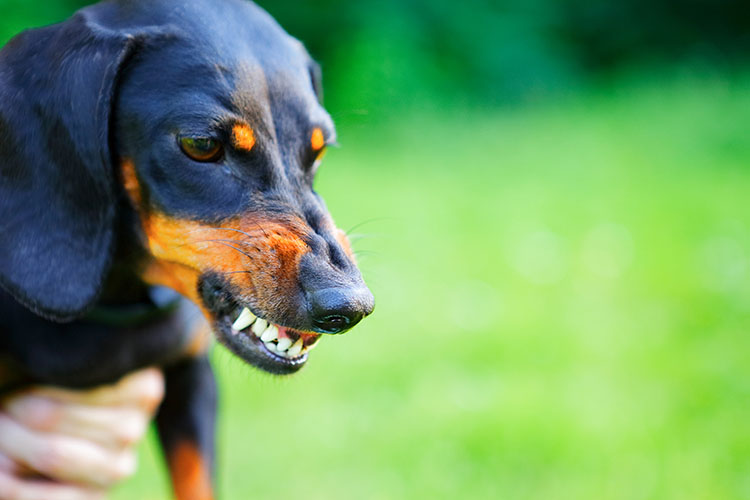
Can You Stop Dog Aggression?

May 26, 2016 by Fanna Easter

How to Deal With an Aggressive Dog

Stop Dog Aggression
Eldad Carin/iStock

Within the dog world, dog aggression is an extremely controversial topic. Not only is this topic hotly debated among dog trainers, but it’s also an explosive topic within the dog rescue world too. Many experts have strong lines drawn in the sand on both sides, so it’s become extremely difficult for pet owners of aggressive dogs to seek concrete answers. I’ll give my honest opinion as a professional dog trainer who has intimately worked with dog aggression cases for more than 20 years.

Aggression in Dogs Never Really Goes Away

It’s true, you can’t stop dog aggression completely. While this seems like grim news, it’s important for pet owners to understand that dog aggression never goes away. Once pet owners are empowered with this knowledge, they can positively change the majority of their dog’s aggressive behavior. However, they must know that aggression will always linger. With that said, pet owners shouldn’t become discouraged. They can certainly teach their dog to react differently in certain situations, but they must have realistic expectations.

Living in a reactive world is a tough path to follow, and I don’t believe dogs enjoy living in a constant state of anxiety, panic and fear. Anxious dogs learn that aggression works to stop a scary behavior from happening. Or they become so anxious, they just freak out and panic. Do know, aggression in dogs is genetic too. If a puppy’s parents and grandparents were fearful or reactive, there’s a high chance the puppy will be predisposed to reactivity.

Can We Rescue All Aggressive Dogs?

I don’t believe you can. Some dogs just can’t fight their anxiety demons and become a danger to society. It’s a horrible decision to make, but sometimes releasing these precious souls from their ever-haunting demons is the best thing we can do.

Have Realistic Expectations

Pet owners of aggressive dogs are probably wondering what exactly to expect from their aggressive dog during and after behavior protocols. Honestly, that’s a fair question.

Before I get into specifics, do know I’m speaking about realistic expectations for the majority of dogs. A small percent of dogs will blossom into friendly extroverts, but that’s a rarity. For the most part, the majority of aggressive dogs can successfully learn to offer a different behavior when they’re face-to-face with a trigger (i.e. thing that causes a dog to react). However, it takes time for an experienced dog trainer to coach an aggressive dog and lots of practice in a multitude of situations while keeping a safe distance away.

RELATED: When Dogs Wag Their Tails, Are They Happy?

How to Deal With Dog Aggression

Dog Aggressive Toward Other Dogs

  • If a dog has been aggressive to other dogs, don’t expect him to enjoy playing with other dogs. The dog has been pretty clear in letting you know he doesn’t like other dogs, so listen to him. 🙂
  • Never allow a dog that has been aggressive to other dogs off leash to greet another dog. If this happens, you’re playing Russian roulette with the other dog’s life, which is cruel and punishable by law.
  • Expect your dog to politely ignore another dog from a safe distance, and your dog to determine that distance. Honestly, that’s a huge win in my book, especially if a dog constantly barks and lunges every time he sees a dog anywhere.

Dog Aggressive Toward Humans

  • It’s important to understand that a dog aggressive toward humans will never become a gregarious greeter.
  • If your dog has been aggressive to men, women or children, don’t expect him to enjoy interactions with people. You may need to crate your dog in another room, away from guests, which is what your dog wants. It’s not worth unraveling all your hard work due to a scary encounter with a person, which will likely end up with a dog bite.
  • Never force a human aggressive dog to meet people; you will only make it worse. Most fearful dogs will run away, which is a good thing! When a scared dog is unable to get away from a scary situation, he will likely bite, which can permanently damage a person and is punishable by law.
  • Do expect your dog to politely ignore a person from a safe distance, and understand your dog determines that distance with lots of practice.

Pet owners should stay away from false promises and unrealistic expectations from using specific aggressive dog training methods. There are no guarantees in dog training just like there are no guarantees in permanently changing human behavior. Some people will always be afraid of spiders, snakes, heights or dark rooms, but they learn to cope around those triggers.

Don’t Be Fooled By Shut Down Dogs

Just turn on your cable TV and watch a famous dog trainer punish a dog until the dog shuts down. While it looks like the dog is learning to tolerate humans or other dogs, he’s actually learning to shut down around these triggers. You may think “shutting down” is good right? The dog stops doing the behavior, so he must be fixed right? You’re wrong.

Shutting down is a false sense of hope that never lasts, and it’s cruel to dogs. If I punished a person so harshly that he rolled up into the fetal position while spiders crawled over his body, he’s not learning to not be afraid of spiders. Instead, he’s shutting down. He’s learning that spiders are truly horrible creatures, and his fear will become worse. If you’re afraid of strangers, can you imagine being punished harshly and frequently until you allow a stranger to touch you? That’s how a shut down dog feels, and that’s an awful way to live.

When Aggression Does Rear Its Ugly Head

Dogs (and people) can learn to tolerate and react differently (instead of freaking out) around their triggers, but if a scary thing sneaks up on them, they will usually revert back to old behavior. If a dog or person suddenly rounds the corner or pops up in your dog’s face, your dog will likely react. If you allow a dog aggressive dog to meet another dog, your dog will react. If you insist someone greets your human aggressive dog, he will react. Distance is your friend here, so use it often to prevent aggression from rearing its ugly head.

Most aggressive dogs can learn to react differently—they’re actually relieved to have options when it comes to dealing with their triggers. Just never push your dog into a situation he’s unable to handle.

Filed Under: Behavior, Dogs, Training Tagged With: can you cure dog aggression, can you fix dog aggression, can you stop a dog from being aggressive, can you stop a dog from biting another dog, can you stop dog aggression, dog aggression, dog behavior, dog hate children, dog hates other dogs, dog hates people, dog on dog solutions, dog training, Dog Training Tips, how to teach a dog, how to train a dog, teach a dog, train a dog

  • « Previous Page
  • 1
  • …
  • 15
  • 16
  • 17
  • 18
  • 19
  • …
  • 30
  • Next Page »

About

Dog Training Nation is a community of dog trainers, dog owners and dog lovers. Our mission is to provide trainers and owners valuable information to enrich dogs' lives. We cover a range of topics, from socializing puppies to dealing with aggressive dog behavior to selecting the best dog products. It is our hope you share our content to make the dog and owner world a better place.

​

Facebook

Video

Dog Training Nation is a dog training blog for pet owners and dog lovers. We cover a range of topics from puppy socialization tips to dog aggression to dog health. It is our hope you share our content to make the world a better place for dogs.

Dog Training Nation

Quick Links

Dog Training
Dog Behavior
Dog Training Videos
Become a Dog Trainer
About
Contact Us

Copyright © 2026 · Lifestyle Pro Theme on Genesis Framework · WordPress · Log in